Picking the right way to make your delivery robot housing can help or hurt your project. Here’s how to judge cnc machining, injection molding, sheet metal fabrication, and off-the-shelf components. Each one fits different precision, volume, and cost needs. Injection molding saves money above 100–500 units compared to CNC, and above 500–1,000 units compared to 3D printing.
Small size mistakes add up quickly. That’s why most amr robot parts start as a CAD model, then go through machining, finishing, and inspection. This guide shows you materials like 17-4 PH stainless steel and Ti-6Al-4V titanium, design for manufacturing, and how to choose the right approach for your amr.
Common Manufacturing Processes for Delivery Robot Housing
The Four Main Manufacturing Processes
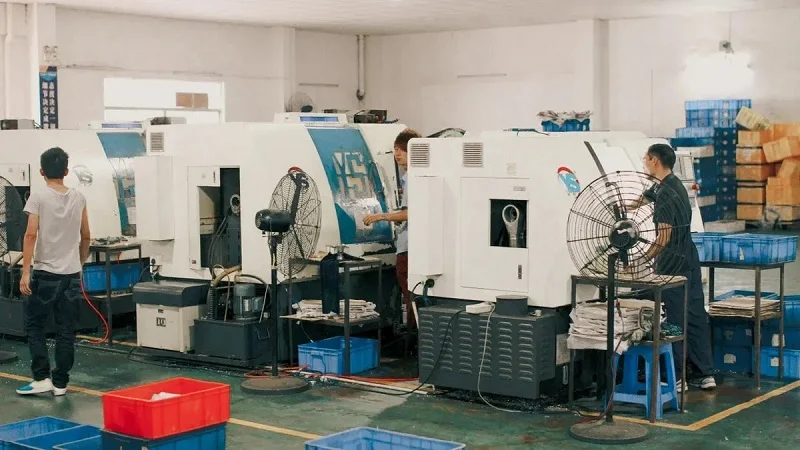
For amr projects, four main paths exist. Cnc machining carves precise shapes from solid blocks. It works well for joints, brackets, and sensor mounts. The process removes material layer by layer. Each pass takes off a thin slice. Injection molding forces hot plastic into steel cavities. Shells, covers, and enclosures use this method. The mold costs more upfront. But parts come out fast once the tool is ready. Sheet metal fabrication cuts, bends, and welds flat sheets. Primary structural frames use this approach. Off-the-shelf parts come from catalogs. They save lead time and cost.
Progressive die stamping is a sheet metal variant. A metal strip passes through a series of dies. Each station changes the shape. Battery trays and side panels use this method. It keeps cost low for high volumes.
Most amr robot parts start as a CAD model. The model guides machining, finishing, and inspection. This catches tolerance issues early before problems grow.
NOBLE stands as a leading manufacturing company in China. It offers all four processes in-house. Clients prototype faster and scale up smoothly.
Precision and Volume Trade-Offs
Each process balances precision and volume differently. The right choice saves time and money.
Cnc holds the tightest tolerances. You can hit a few thousandths of an inch. Parts come out accurate to the CAD model. But each part takes time on the machine. Large batches cost more. It works best for low to mid volumes.
Molding gets consistent once the mold is ready. Part one and part ten thousand look the same. Repeatability is excellent. Mold cost is high though. Volume needs to justify it. You need hundreds or thousands of parts.
Sheet metal offers good precision for structural frames. Lasers cut clean edges. Bending adds stiffness. Progressive stamping handles high volumes well.
Small errors build up across an assembly. That is tolerance stack-up. A small offset may tilt the next part. Checking the CAD model helps avoid this.
Matching Process to Housing Requirements
For an amr robot part, start with volume. Low volume favors cnc or sheet metal. Mid volume between one hundred and five hundred favors molding. High volume favors molding or progressive stamping.
Consider complexity next. Internal channels need cnc or molding. Simple boxes work for sheet metal. Parts with tight corners fit better with cnc.
Consider precision last. Mating surfaces need tighter tolerances. Brackets need stronger materials. Covers can use cheaper methods.
Plan ahead. A single robotic cell may take months to set up. Talk to a partner early. They can guide your design choices. This saves time and avoids rework.
Precision CNC Machining for Delivery Robot Housing
Applications: Joints, Brackets, and Sensors
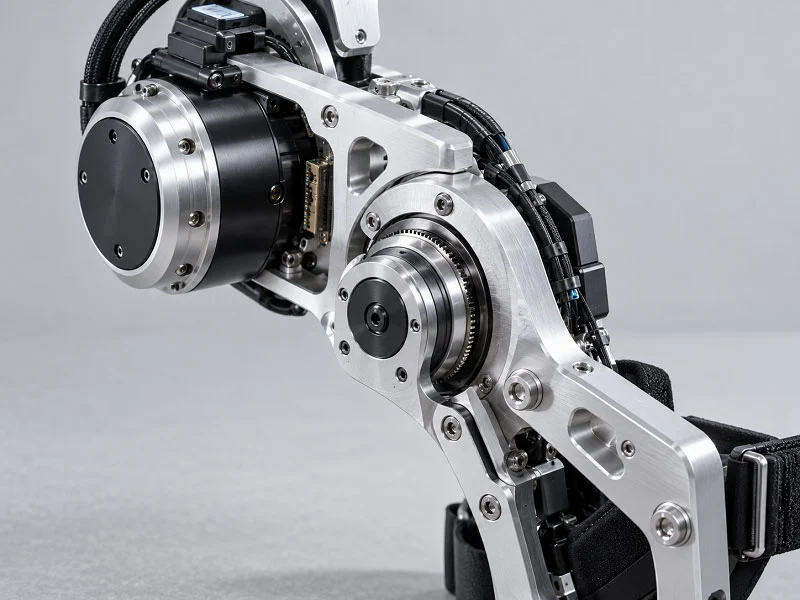
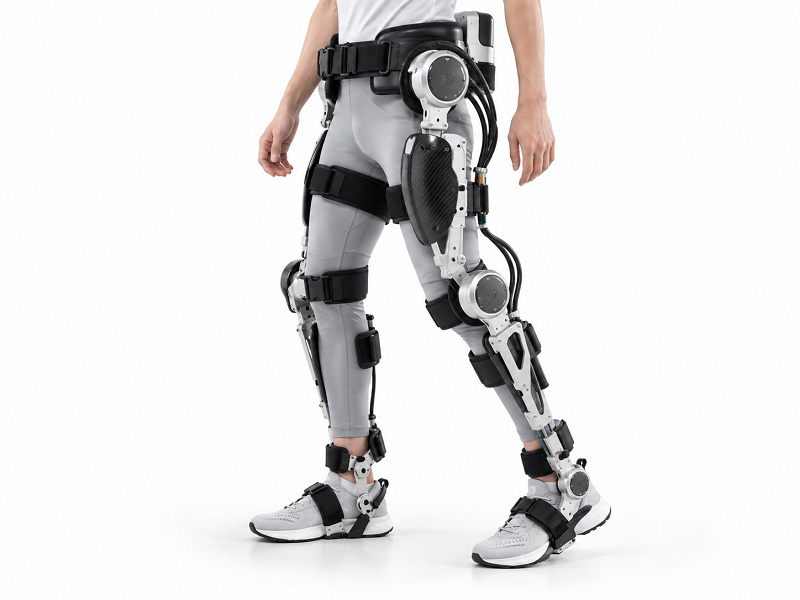
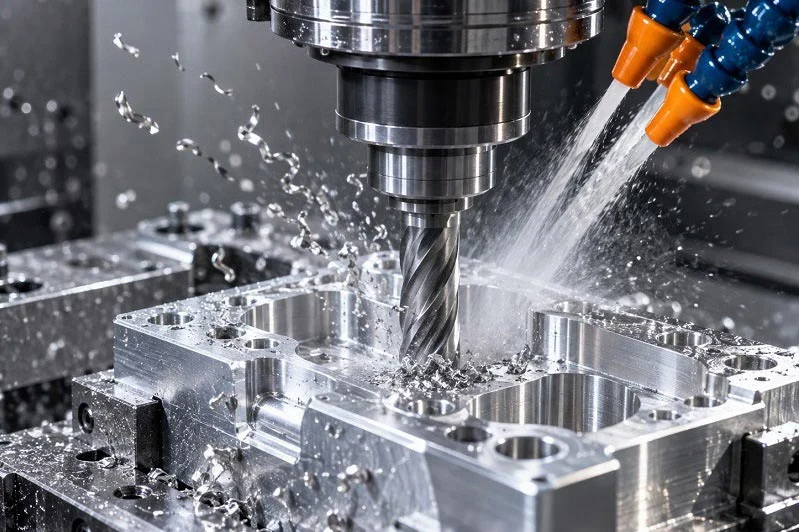
Precision cnc machining for precision components works best when a delivery robot housing needs tight fits and complex shapes. Shoulder housings, waist joints, hip joints, knee housings, and lower limbs all depend on this process. These parts must move smoothly and stay aligned over thousands of cycles.
Joints are at the top of the list. They link structural members and carry loads. A wobbly joint ruins the whole robot. End-effectors and grippers also need custom interfaces for picking, welding, and inspection tasks. AGV chassis and mounts use strong frames and wheel brackets. Many of these parts have curved surfaces and features on multiple sides. A 5-axis CNC center handles them in one clamping. That lowers stack-up error and boosts surface finish.
Sensor brackets and connectors make up the perception system. They need high precision to keep sensors pointed the right way. A small offset changes the field of view. That throws off navigation and safety. Airframe structure and housing have looser needs. But dimensions and strength still must meet standards to handle outside forces.
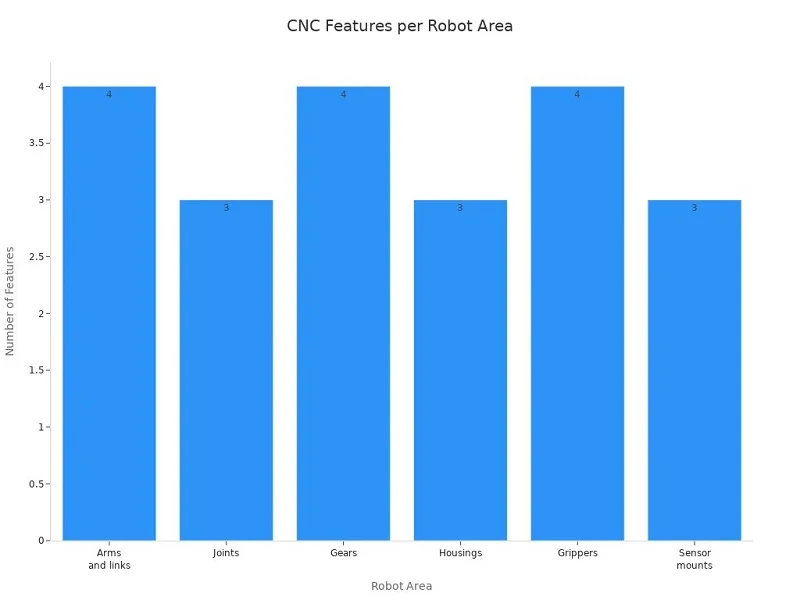
CNC machining for robotics produces core robot parts including arms, links, joints, gears, housings, gripper fingers and sensor brackets. These key units govern mechanical fit, motion stability, structural alignment and load transfer in robotic assemblies. Every moving and mounting interface depends on precise fabrication to maintain consistent repeatability and assembly performance.
Materials: 17-4 PH Stainless Steel and Titanium
Material choice drives success for any amr robot part. Two metals stand out for high-strength, high-precision components: 17-4 PH stainless steel and Ti-6Al-4V titanium.
17-4 PH offers an ultimate tensile strength of 1275 MPa and a yield strength of 1060 MPa under ASTM A693 H900. Its elastic modulus is 200 GPa. Hardness reaches 38 HRC. The alloy resists corrosion very well. It also keeps its shape across a wide temperature range. The coefficient of thermal expansion is 10.8 µm/m·K. Maximum service temperature hits 315 °C. These traits keep dimensions stable during machining and in the field.
Ti-6Al-4V titanium brings a better strength-to-weight ratio. It suits high-performance joints and medical or surgical instruments. The material resists fatigue and corrosion. But it costs more and machines slower. For an amr robot part that faces heavy loads, titanium pays off. For less critical brackets, aluminum 6061-T6 or 7075-T6 works fine. Stainless 304 and 316 handle corrosive environments. Carbon and alloy steels like 4140 and 4340 serve heavy-duty bases.
公差和检验
Tolerance control sets apart good cnc for precision parts from average work. For bearing seats and other precision interfaces in delivery robot housing, typical tolerances fall in the ±0.01–0.05 mm range. Critical motion-control features can reach ±0.003 mm. A robotic joint housing made from Aluminum 7075-T6 once required ±0.005 mm. That shows what amr work demands.
Tightening below ±0.02–0.05 mm often raises cost without helping system performance. So functional tolerancing matters. You match the tolerance to the job. A sensor mount needs a tight datum face. A cover panel does not.
Inspection checks every critical dimension. CMM systems lead the way. Bore gauges and height gauges check holes and steps. GD&T inspection techniques confirm form, orientation, and location. These steps catch errors before assembly. They also stop tolerance stack-up across the robot.
For amr projects, cnc machining remains the go-to for joints, brackets, and sensor mounts. It holds the tightest tolerances and handles complex geometry. The trade-off is speed and cost at high volume. But for low to mid volumes, nothing beats it. A single robotic cell may take months to set up. So start your manufacturing planning early. That way your delivery robot housing meets spec the first time.
Injection Molding for Delivery Robot Housing
Applications: Shells, Covers, and Enclosures
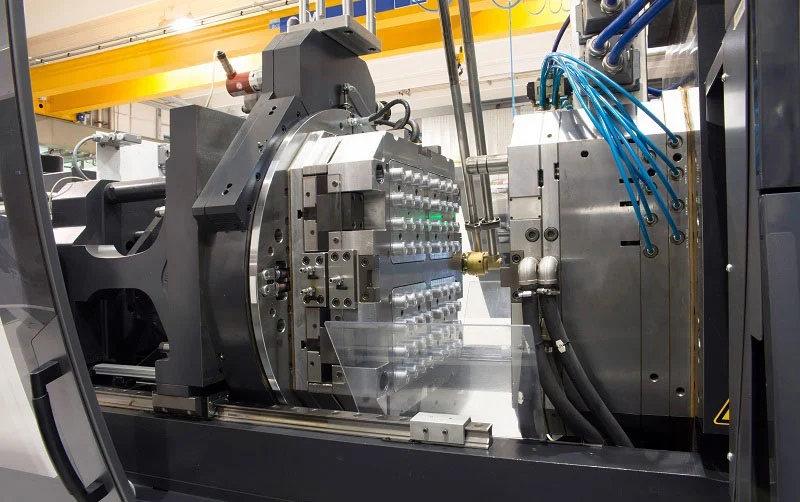
Injection molding for plastic enclosures works great when you need many identical shells quickly. The process pushes melted plastic into a steel mold. The plastic cools down. Then the mold opens and a finished cover comes out. For a delivery robot housing, this makes the outer skin, battery doors, sensor windows, and control box lids.
Think about what these parts have in common. They have thin walls. They use ribs to stay stiff. They snap together with tabs and clips. A CNC machine would have a hard time here. Cutting each shell from a block wastes material and time. Molding makes the same shape thousands of times with almost no differences. That repeatability matters for amr fleets. Every robot must look and fit the same way.
Covers and enclosures also hide the messy parts inside. They protect circuit boards, wires, and motors from dust and splashes. A well-designed shell guides airflow and blocks stray light from sensors. Injection molding for housings gives you that freedom. You can build bosses, standoffs, and cable channels right into the tool. No extra brackets are needed.
Engineering Plastics: ABS, PC/ABS, Nylon
Material selection drives how your enclosure performs. Three plastics lead in this area. Each one brings different strengths.
| 特性 | ABS | PC | 尼龙 (PA) |
| Cost | $$ | $ $ $ | $$ |
| 抗拉强度 | 中 | 高 | 高 |
| 耐冲击性 | 高 | 非常高 | 中 |
| 耐热性 | 中 | 高 | 高 |
| 化学耐受性 | 中 | 中 | 中 |
| 抗紫外线 | 差 | 展会 | 差 |
| 刚性 | 中 | 高 | 中 |
| 易于成型 | 简便 | 中 | 中 |
| 应用 | Housings, toys | Lenses, helmets, electrical housings | Gears, bearings, automotive components |
ABS is the workhorse. It is an amorphous thermoplastic. It gives you toughness, impact resistance, and a good surface finish. The name breaks into three parts. Acrylonitrile adds hardness, heat resistance, and chemical resistance. Butadiene provides toughness and impact resistance. Styrene offers gloss, strength, and easy processing. ABS molds easily and costs fairly little. Its weak spot is UV and chemical resistance. Additives can solve the UV problem.
Polycarbonate brings very high impact strength and heat resistance. It also stays clear, which works well for lenses and sensor windows. But it costs more and reacts badly to some chemicals. Nylon (PA6, PA66) is semi-crystalline. It fights wear and abrasion well. Gears and bearings often use it. Nylon absorbs moisture though. It needs drying before molding.
PC/ABS blends mix the best of both and are common. For an amr robot part that needs toughness plus a clean look, a PC/ABS blend is a smart choice.
Tooling and High-Volume Production
Tooling is where injection molding for housings gets serious. A steel mold costs a lot upfront. That price buys you speed later. Once the tool is ready, parts drop out in seconds. Cycle time stays short. Labor per part falls to almost nothing.
This math favors high-volume housing production. Below a few hundred units, the mold cost per part stays too high. Above that threshold, molding beats CNC on price. The exact break-even depends on part size and complexity. A simple cover reaches it sooner than a complex shell with slides.
Mold design decides part quality. Wall thickness must stay the same all over. Thick sections cool slower and warp. Ribs add stiffness without adding bulk. Draft angles let the part release cleanly. Gate location controls how plastic flows and where weld lines form. Get these wrong and you get sinks, shorts, or warpage.
From a practical view, plan your manufacturing timeline early. Cutting a steel tool takes weeks. A single robotic cell may take months to set up. So start the mold design while your CAD model is still fresh. That way your delivery robot housing moves from prototype to production without a long pause.
Sheet Metal Fabrication for Delivery Robot Housing
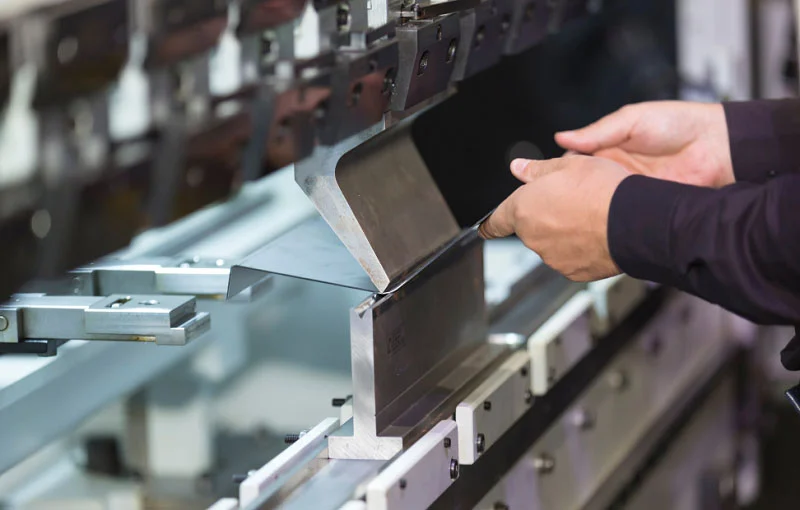
Sheet metal fabrication for autonomous mobile robots changes flat metal into strong, light frames. It starts with a CAD model. Then it goes through cutting, bending, and joining. This way works well for main frames and chassis parts. It also keeps costs low when making many parts.
结构框架和底盘
The main chassis and frame plates are the robot’s strong core. They hold wheels, batteries, motors, and payload trays in one light part. Stamped aluminum or high-strength steel works well here. Formed ribs, flanges, and mounting bosses add stiffness without extra weight. Protective housings and covers shield electronics from rain, dust, hits, and vandalism. Multi-stage progressive dies build in vents, cable exits, lock tabs, and snap-fit features. Payload and door mechanisms take a beating every day. Stamped steel or aluminum with coined edges and hemmed flanges handles that abuse. Sensor and camera mounts hold LiDAR, cameras, ultrasonic sensors, and antennas in exact alignment. Wheel and suspension brackets use high-strength stamped material with formed gussets to help them survive curb impacts and uneven sidewalks.
| 应用领域 | 描述 | 材质/特点 |
| Main Chassis & Frame Plates | Strong core; holds wheels, batteries, motors, payload trays | Stamped aluminum or high-strength steel; formed ribs, flanges, bosses |
| Protective Housings & Covers | Guard electronics from rain, dust, hits, vandalism | Multi-stage progressive dies; vents, cable exits, lock tabs |
| Payload & Door Mechanisms | Doors, latches, hinges, trays used daily | Stamped steel or aluminum; coined edges, hemmed flanges |
| Sensor & Camera Mounts | Brackets for LiDAR, cameras, ultrasonic sensors, antennas | Progressive dies; mounting holes and cable clips in one step |
| Wheel & Suspension Brackets | Hold drive wheels, casters, suspension arms | High-strength stamped material with formed gussets |
Progressive Die Stamping for High-Volume Parts
Progressive die stamping works well for battery trays, top covers, and side panels. A metal strip feeds through a series of dies. Each station changes the shape. Parts drop out with every press stroke. This method brings real benefits:
- High speed: The automatic process runs quickly.
- Low labor: One person watches the machine.
- Minimal scrap: The strip of metal wastes very little material.
- Repeatability: Many parts keep tight tolerances without losing quality.
- Low cost per part: Speed, repeatability, and less labor make each part cheap.
It has limits too. Some operations need extra steps. Cutouts, ribs, or threading may add cost. Parts must run on a continuous feed. They cannot move freely without extra work. Setups are permanent for each project. Switching to a new job takes a lot of time. Progressive die systems also cost more than transfer die systems. From a practical view, this process pays off only at high volume. The tooling cost is high, but the per-part price drops fast once production starts.
激光切割、折弯和焊接
Laser cutting, bending, and welding form the base of low-to-mid volume sheet metal work. A fiber laser cuts complex 2D outlines, holes, and slots in one pass. No tooling is needed. Flat parts hold good precision. CNC press brakes handle bending with springback compensation. They form V, U, and channel shapes. Angle tolerance and flanged dimensions are controlled. The bend radius depends on material thickness. Welding joins the pieces. TIG suits aluminum and stainless. MIG works for mild steel. A good weld sequence controls distortion. Welded assemblies maintain consistent accuracy, depending on fixturing.
Design rules matter for laser cutting, bending, and welding. Minimum flange length and hole-to-edge distances prevent cracks and weak spots. They also keep your amr chassis square and strong.
Material selection ties all of this together. Aluminum keeps weight down. Steel brings strength. The right choice depends on load, cost, and corrosion needs. For an amr robot part that must stay stiff and light, sheet metal is often the smartest choice. It balances structural design for autonomous mobile robot frames with real-world manufacturing speed. A single robotic cell may take months to set up. So bring your sheet metal partner into the design phase early. That way your delivery robot housing moves from drawing to production without costly surprises.
Off‑the‑Shelf Components for Delivery Robot Housing
Reducing Lead Time and Cost
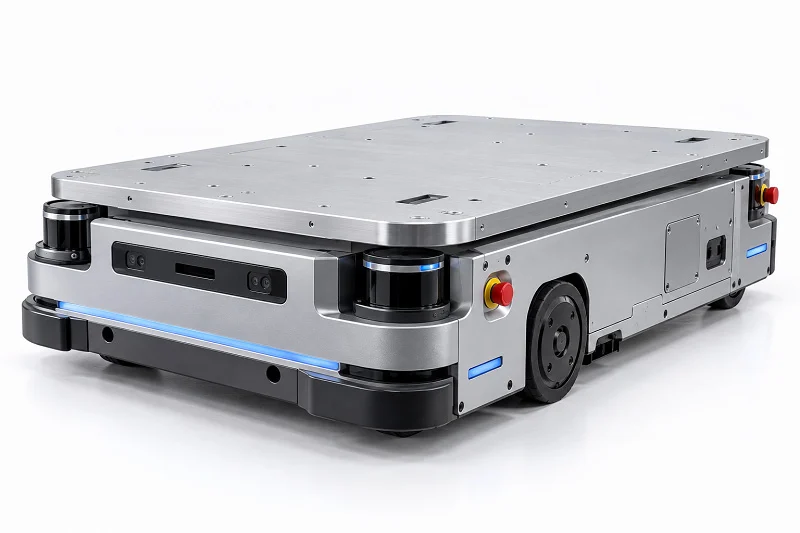
Not every part of a delivery robot housing needs custom work. Catalog parts save weeks of waiting. They also cut cost right away. A standard bearing block or a ready-made wheel bracket ships in days. A custom version might take a month or more. For an amr project on a tight schedule, that gap matters.
Off-the-shelf parts also lower risk. The supplier already tested them. You know the load rating and the fit. No guessing about tolerances. No surprise failures during a demo. For non-critical spots like cable clips or access panels, this is a smart move. Save your custom budget for the joints and sensor mounts that really need it.
与定制部件的集成
Mixing catalog parts with custom ones takes planning. A standard fastener needs a matching hole. A bought-in motor mount needs the right bolt pattern. If those dimensions don’t line up, you get tolerance stack-up. Small offsets add up. The assembly twists or binds.
Start with a CAD model that includes every bought-in part. Check the interfaces before you cut metal. This is where an amr robot part can fail fast. A bracket that looks fine on screen may not fit the real shelf item. Ask your supplier for a step file or a detailed drawing. Then verify the critical dimensions yourself. From a practical view, this step saves hours of rework later.
质量考量
Not all catalog parts are equal. A cheap bearing may have play. A low-grade bracket may crack under load. For an amr robot part that carries weight or moves often, quality matters. Check the supplier’s certifications. Look for material specs and load ratings. Ask about their manufacturing process if the data sheet is thin.
Incoming inspection catches problems early. Measure a sample from each batch. Check hole sizes and flatness. A few minutes with calipers beats a failed field test. Keep a list of approved suppliers. Track any returns or defects. Over time, this record tells you who is reliable. For a delivery robot housing that runs all day, a bad batch of off-the-shelf parts can stop everything. So treat catalog items with the same care as custom ones.
Design for Delivery Robot Housing
Geometry Optimization for Each Process
Good shapes make building easier. Bad shapes raise cost and waste. Each process follows its own rules. For cnc machining, skip sharp inside corners. Sharp corners force small tools that bend and break. Use wide curves instead. Ensure adequate wall thickness and avoid deep pockets.
For injection molding, wall thickness must stay even. Thick areas cool slower and warp. Ribs add stiffness without bulk. Draft angles let parts come out clean. Gate location controls plastic flow and weld lines. For shaping processes like sheet metal, use the same radii. Limit the number of different radius sizes. Avoid very small radii unless the design truly needs them. These design choices for amr robot parts save time and money. Set the loosest tolerances that still work. Tight tolerances that do not affect function just add cost.
Stiffness, Weight, and Thermal Management
Stiffness and weight pull against each other. You want a strong frame that stays light. Material choice matters here. Aluminum alloys like 6061-T6 and 7075-T6 offer high heat conductivity. Heat moves from motor windings to the housing surface. Magnesium alloy works too, though it costs more. PEEK polymer significantly reduces weight compared to aluminum and provides good stiffness at typical wall thicknesses and a wide temperature range.
Hollow shafts can save significant weight while maintaining stiffness, though they require larger diameters. Titanium and carbon fiber composite shafts offer even greater weight savings. For cooling, phase change cavities can improve heat transfer with minimal weight addition. Direct coil immersion with dielectric fluid provides better heat resistance than a liquid jacket. Finned aluminum housings improve heat transfer over smooth surfaces. These materials and manufacturing choices shape how well your delivery robot housing performs.
Assembly and Modularity
Modular design speeds up assembly and cuts errors. One module combines a centrifugal impeller with a reinforced motor casing, sealed and pre-tested. It slides in top-down with gravity assistance. No precision shaft alignment needed. No dedicated fixtures. Another module uses a one-piece telescopic nozzle that connects frontally with a tool-less snap-fit. Screws disappear. A pre-wired module uses a standardized plug-type electrical interface. Manual wiring through narrow passages goes away. The structural base module uses snap-fit mechanisms instead of torque-based fasteners. High-complexity interfaces vanished. For your amr chassis, favor solutions that minimize reorientation and tool use. Support pre-assembly and sub-module integration. Prefer geometrically simple, adhesive-free designs that work with automated handling. These choices make your delivery robot housing easier to build, service, and upgrade.
Materials for Delivery Robot Housing
Primary Materials for AMR Robot Parts
Picking materials for amr robot parts starts with one question: what does this part need to do? A joint that carries heavy loads needs different stuff than a cover panel. That’s why material selection for a delivery robot housing is never one-size-fits-all. You weigh four things against each other: weight, strength, impact resistance, and cost.
Lightweight plastics like polypropylene and polyethylene foams cut inertia and extend battery life. They also reduce wear on motors and actuators. That means longer service intervals and better system efficiency. Strategic use of composite plastics with glass or carbon fiber reinforcement allows for strength without added mass. For amr platforms, every gram counts.
Metals: Aluminum, Stainless, Titanium
Metals dominate the structural side of a delivery robot housing. 6061 aluminum for structural frames brings a great strength-to-weight material selection balance. It’s easy to machine and weld. It resists corrosion. And it costs less than titanium. For most amr chassis and brackets, 6061-T6 does the job.
17-4 PH stainless steel steps up when you need serious strength. It hits 1275 MPa ultimate tensile strength and 1060 MPa yield strength under ASTM A693 H900. It also fights corrosion and holds its shape across a wide temperature range. Ti-6Al-4V titanium offers the best strength-to-weight ratio of the three. It suits high-performance joints. But it costs more and machines slower. So save it for critical spots.
塑料和复合材料
Plastics handle shells, covers, and non-structural housings. The table below compares the main options for a delivery robot housing.
| 塑料类型 | 主要优势 | 限制和注意事项 | Common Robotic Applications |
| ABS | Toughness, impact resistance, good surface finish, easy to mold, relatively low cost | Poor UV and chemical resistance, medium heat deflection | Housings, electronic enclosures, prototypes |
| 聚碳酸酯(PC) | High impact strength, transparency, excellent heat resistance | Prone to stress cracking, sensitive to chemicals, expensive | Lenses, safety glasses, electrical housings |
| 尼龙 (PA) | High strength, abrasion resistance, good wear properties, self-lubricating | Absorbs moisture, requires drying before molding | Gears, bearings, automotive components |
Real-world amr applications show how these plastics perform. Autonomous tractors and harvesters use UV-stabilized plastics to withstand prolonged sun exposure. Sensor housings and camera enclosures are made from transparent, scratch-resistant polymers. Soft-touch grippers made from flexible plastics handle delicate fruits and vegetables without damage. Moisture-resistant materials ensure reliable operation in high-humidity and wet conditions. Durable ABS and polycarbonate blends withstand frequent physical interaction.
To combat aging, engineers select plastics with built-in UV stabilizers, hydrolysis resistance, and chemical inertness. For instance, certain grades of polycarbonate and UV-stabilized ABS offer superior weatherability, making them suitable for drones, agricultural robots, and autonomous vehicles.
Both cnc machining and injection molding work with these metal and plastic material options. The right pick depends on your volume, precision needs, and budget. A single amr robot part might use three different materials. That’s normal. Just make sure each choice serves a purpose.
Selecting a Manufacturing Process for Delivery Robot Housing
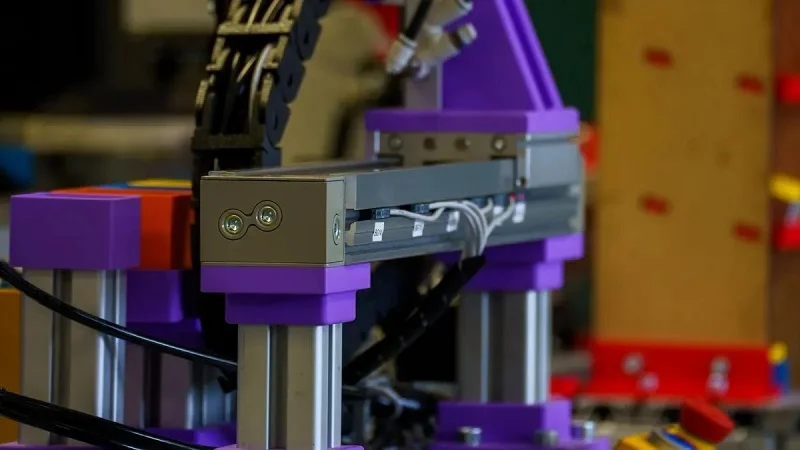
Criteria: Volume, Complexity, Precision
Three things guide the choice for any delivery robot housing. Volume comes first. Low volume means cnc machining or sheet metal. High volume points to injection molding or stamping. Slow CNC does not grow well with big batches. Tooled processes take over once you pass that point.
Complexity matters next. Tight corners need CNC. Tooled processes handle complex shapes once the design is set. Quality also plays a role. Precision operations need automated tools to get the same result every time.
Precision rounds out the list. CNC from billet suits high tolerance components. Bearing seats need that accuracy. Match the tolerance to the job. Do not make it tighter than the assembly needs.
Part count matters too. Joining parts cuts cycle time. Design your delivery robot housing to use fewer parts.
选择合适的 AMR 机器人零件加工工艺
Every amr robot part has a natural home. Structural frames work best with sheet metal. Sensor housings move to injection molding. Low volume calls for CNC or sheet metal. No tooling investment needed. High volume production uses injection molding. The cost per part drops past the break-even point. That point sits above 100-500 units compared to CNC. It sits above 500-1,000 units compared to 3D printing. This low-volume vs. high-volume production threshold decides the process.
For critical amr robot parts, choose the method that fits best. Complex hollow shapes with internal ribs need injection molding or CNC. Simple brackets work with sheet metal. Off-the-shelf parts cut costs. Use motors from catalogs first. Save custom work for parts that really need it. Selecting the right process for amr robot parts starts with a simple rule. Match the process to the part. For an amr, strength matters most. The amr handles heavy loads daily. A well-designed amr runs for years.
Bring your designs to a manufacturing partner for a DFM review. Their engineers will spot cost drivers early and suggest fixes before tooling starts. The right technology partner helps you cut time-to-market.
成本效益分析
Money drives the final call. Material cost differs between processes. For machined housings, raw billet cost matters more than net weight. For molded parts, resin grade matters. Conversion cost equals setup cost divided by batch size plus machine time.
Tooling hits hard upfront. A mold spread over many parts adds little per unit, but spread over a small number adds a lot. Yield and scrap change the numbers too. Cost per good unit equals cost per attempted unit divided by good-units factor. Calibration and testing can dominate cost for precision housings.
The break-even formula is simple. Fixed cost difference divided by variable cost saving. Run the numbers first. Capacity matters too. Low utilization raises cost. A single robotic cell may take months to set up. Plan ahead. Start your manufacturing partner early. Your delivery robot housing hits production on schedule.
Partnering with NOBLE for Delivery Robot Housing Manufacturing
Core Capabilities: Metal and Plastic Processing
NOBLE runs all four processes under one roof. You get CNC machining, injection molding, and sheet metal fabrication from a single partner. This cuts coordination time and keeps quality consistent. For any delivery robot housing, that matters. CNC machining handles tight tolerances for joints and brackets. Injection molding produces shells and covers fast. Sheet metal fabrication builds frames and chassis. NOBLE also does progressive stamping for high‑volume parts like battery trays. Their injection molding shop works with ABS, PC/ABS, nylon, and more. They adjust cycle times and gate locations for each part. This expertise helps amr applications get reliable housings. NOBLE also supports low‑volume runs with injection molding tooling that pays off quickly. For prototype to production, their injection molding capabilities scale smoothly. They even mix injection molding with CNC machining for hybrid parts. That flexibility saves time for amr robot parts.
质量认证
Quality matters for any delivery robot housing. NOBLE holds quality management certifications that guarantee process controls. Here’s what they mean:
- The quality management system covers every step from raw material to finished part.
- Additional certifications provide design controls, risk management, and traceability. This matters for medical robotics and high‑precision amr components.
- Regular surveillance audits ensure ongoing compliance.
With these standards, rejection rates stay low. Whether you use injection molding for enclosures or CNC machining for brackets, the process repeats exactly. NOBLE also follows material compliance rules. Every batch of injection molding resin meets spec. For amr robot parts manufacturing, these certifications give you confidence. They ensure parts work in critical systems, from sensor mounts to structural frames.
从设计到组装的全方位服务
NOBLE doesn’t just make parts. They help from the start. Their engineers review your CAD model and suggest improvements. For example, they might adjust wall thickness for injection molding or add draft angles. They also manage finishing and assembly. You send a design and get a complete delivery robot housing back. NOBLE handles sourcing of off‑the‑shelf components too. They integrate everything into one final unit. This full‑service approach cuts lead time. For manufacturing, you focus on software and testing. NOBLE takes care of the hardware. Their injection molding tooling gets built fast. CNC machining runs alongside it. Sheet metal fabrication adds structural support. Everything comes together for inspection and shipping. That end‑to‑end capability makes amr robot parts manufacturing smoother. You get a partner who solves problems early.
No single process works best for every delivery robot housing part. The right choice depends on how many you need, how precise it must be, and your budget. Off-the-shelf components speed up development and save money. So figure out what your amr robot parts need first. Then talk to a manufacturing partner early. That step saves time and prevents expensive rework.
Ready to get started? Contact NOBLE for a design review or quote. They provide complete manufacturing with quality certifications. Their team helps amr projects from prototype to full production. Let their engineers help your amr succeed.
FAQs of Delivery Robot Housing
What process works best for low volume parts?
CNC machining or sheet metal fabrication works well. Neither needs tooling paid upfront. This keeps costs low when you make low volumes.
When does injection molding become cheaper?
Above 100–500 units compared to CNC. Above 500–1,000 units compared to 3D printing. The mold cost becomes worth it at higher volumes.
What is tolerance stack-up in a delivery robot housing?
Small size errors add up across an assembly. A tiny offset moves the next part out of place. Checking the CAD model early stops these problems.
Which plastic works best for outdoor delivery robot housings?
UV-stabilized plastics like certain grades of polycarbonate or ABS with UV additives work best. Both resist sun damage better than normal ABS. These blends keep your robot housing looking good for years.
How tight can CNC machining hold tolerances?
Normal precision is in the ±0.01–0.05 mm range. Key motion-control parts can reach ±0.003 mm. Tighter tolerances do not always make the part work better.
What certifications should I look for in a partner?
Look for quality management certifications that ensure process control and low reject rates.
Can I mix off-the-shelf parts with a custom delivery robot housing?
Yes. First check the interface sizes in your CAD model. Standard bearings and brackets save waiting time. Verify the fit before cutting metal for your robot housing.