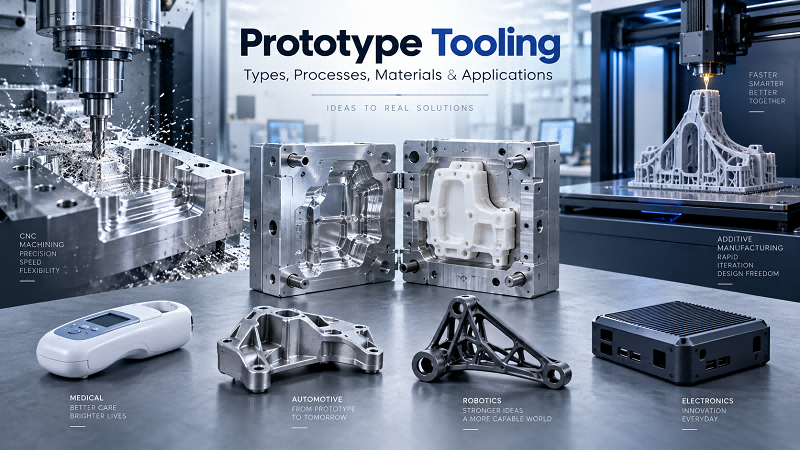
The shape looks the same. The material looks the same. Two identical parts, why do some factories need $5 to make one and $2 to make the other? This happens every day in factories and procurement offices.
Every factory works within a triangle. Cheap, fast, or high quality. Pick two. The third one suffers. This is not a secret. It is just how manufacturing works. People who try to get all three usually fail.
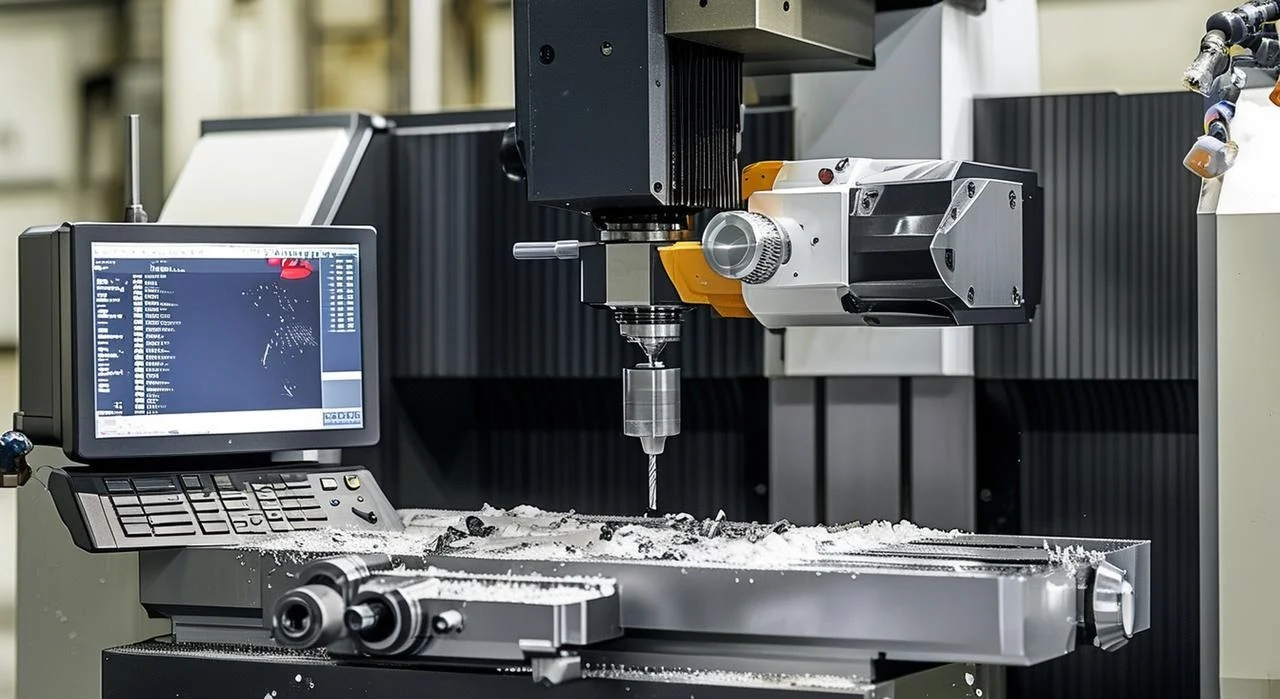
This guide focuses on custom parts manufacturing cost factors. By the end of this guide, you will know exactly how to cut the next quote by thirty to fifty percent without sacrificing quality. The changes are not magic. They are just informed choices. People who understand what drives cost get lower prices. People who do not ask pay for things they do not need.
The Hidden Setup Cost – Why Small Batches Are Expensive
How Setup Time Eats Your Custom Parts Budget
A machine does not start cutting the moment a part arrives. First comes the setup. Someone mounts the vise. Finds the tool offsets. Loads the program. Probes the part zero. This takes time. Often two hours. Sometimes more.
Then the machining happens. Five minutes per part. Maybe ten.
Do the math. Two hours is one hundred twenty minutes. Divide that by five minutes of cutting. The setup alone equals twenty-four parts worth of labor. On a batch of ten parts, most of the bill pays for standing around, not cutting metal. People see a simple bracket and expect a simple price. The reality is different. For a batch of ten parts, setup can eat ninety-two percent of the total cost. Only eight percent is actual machining.
How to Reduce Setup Costs
- Increase the order quantity. A batch of one hundred parts costs much less per piece than a batch of ten.
- Combine multiple part features into one machine setup. A part that needs three separate operations—drill on machine one, mill on machine two, tap on machine three—pays setup three times. A part designed to do everything in one clamping pays setup once. But this requires thinking ahead. A designer who understands the machine floor can cut costs without changing the final part.
Material Choice – The Foundation of Custom Parts Price
The material sets the floor. No amount of smart design makes a cheap part from an expensive block. Pick the wrong alloy or plastic, and the price is high before any machine moves.
Raw Material Cost Ranges
Different materials have very different price tags. Not just the cost per pound. Also, how the machine works, how fast the cutter can run, and how many tools get worn out.
| Material | Relative Cost | Why |
| Aluminum 6061 | Low | Cuts fast. Tools last. Every factory stocks it. |
| Stainless Steel 304 | Medium | Harder on tools. Slower cutting speeds. More wear. |
| PEEK (plastic) | High | Expensive raw block. Requires careful machining. Demands specific tooling. |
Avoid Non-Standard Dimensions
Non-standard dimensions are a problem. A sheet metal part designed for 3.2 millimeters instead of 3.0 millimeters means nothing in stock. The factory special orders it. Pays a premium. Waits for delivery. Passes that cost along.
Same for bar stock. A thickness of 12.7 millimeters is not common. 12.0 or 12.5 is. Stick to the sizes distributors carry. Look up standard thickness charts before finalizing a drawing. People who ignore this pay twenty to fifty percent more for material that serves the same function.
Custom Parts Tolerances – The Exponential Cost Curve
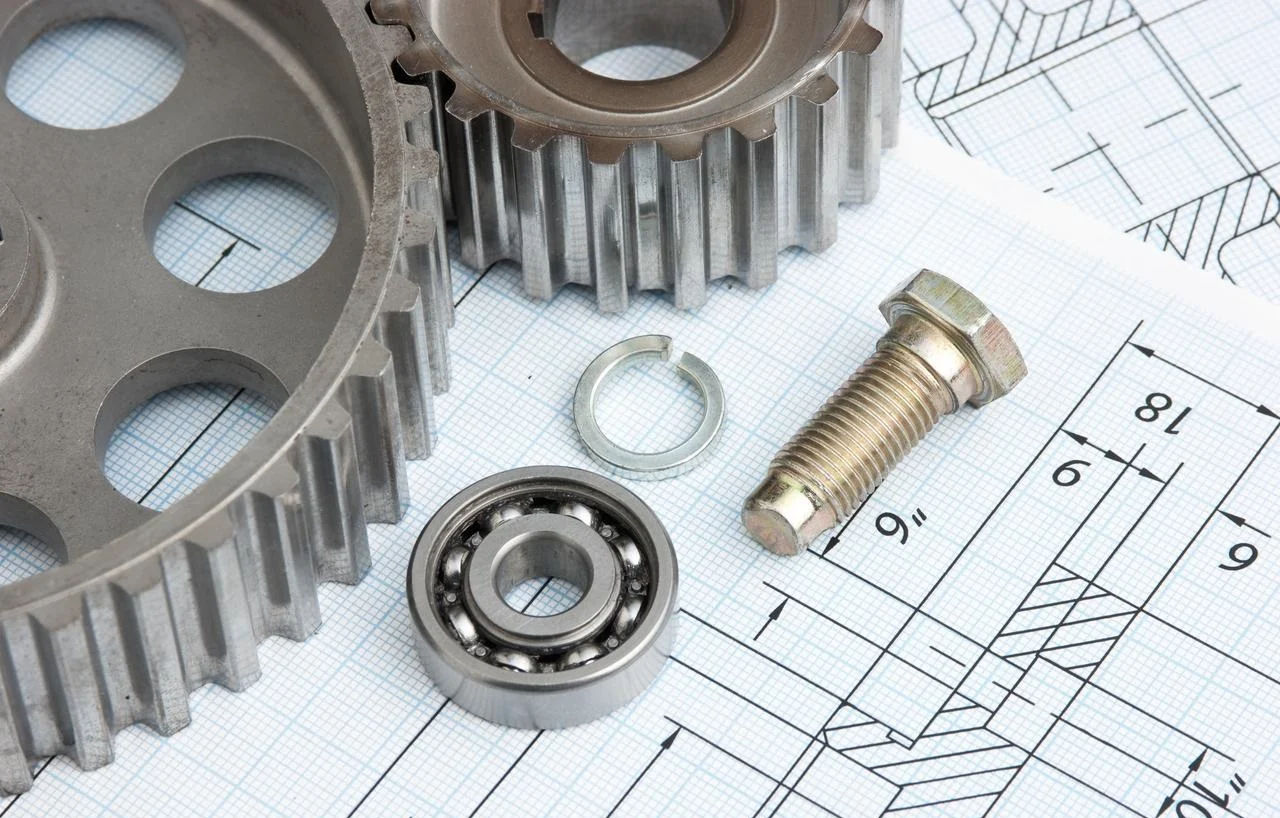
Some people often assume tighter is better. That assumption costs money. A lot of money. Each small step takes the price.
Precision Costs Exponentially, Not Linearly
Standard tolerance is plus or minus 0.1 millimeters. Most factories hit this easily. Standard machines. Standard tools. Standard inspection. This is the base cost.
Step to precision tolerance at plus or minus 0.025 millimeters. Now the factory needs better machines. Newer tools. More frequent inspections. Slower cutting speeds. The price jumps to two or three times the base cost. A part that costs ten dollars at standard tolerance now costs twenty or thirty dollars.
Step again to ultra-precision at plus or minus 0.005 millimeters. This is a different world. Temperature-controlled rooms. Specialized machines. Multiple inspection steps. Scrap rates go up. The price jumps to ten or even twenty times the base cost. That same ten-dollar part now costs one hundred to two hundred dollars.
The difference between 0.1 and 0.005 millimeters is invisible to the naked eye. The difference on the invoice is massive.
The Golden Rule of Tolerances
Only tighten a dimension where parts physically touch or align. A bearing surface needs precision. A press-fit hole needs precision. A mating thread needs precision. Everything else does not.
Most dimensions on a part are just clearance. Air around the feature. No functional contact. Those dimensions can be loose. Plus or minus 0.5 millimeters works fine.
People who understand this rule look at a drawing and loosen ninety percent of the tolerances. The part still works. The price drops significantly. The factory is happy because the job is easier.
People who tighten every dimension pay for precision they never use. The part does not function better. It just costs more. That is not engineering. That is a waste.
Geometry Complexity – Design for the Tool, Not the Eye
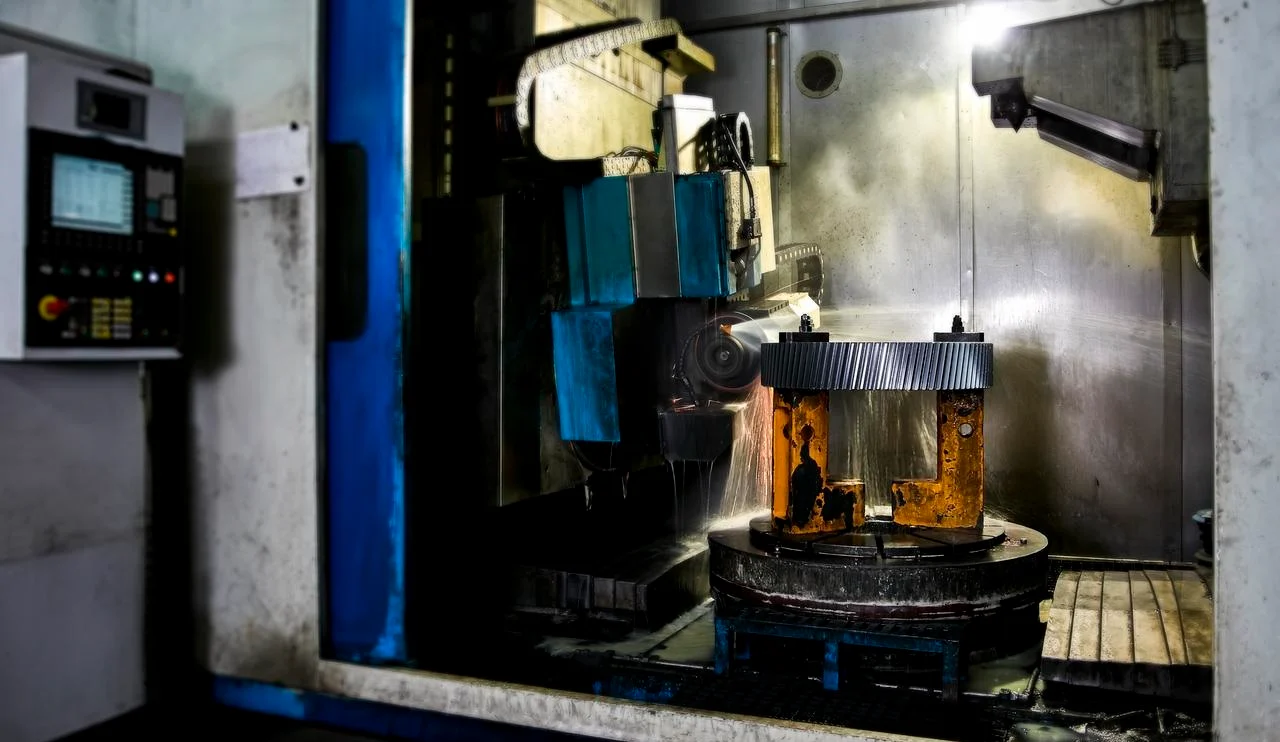
A part can look beautiful on a screen. Smooth curves. Sharp corners. Elegant features. Then a machinist looks at the drawing and sighs. The shape fights the tool. Price goes up.
Designing for how a cutter actually moves is different from designing for aesthetics.
Why Sharp Inside Corners of Custom Parts Are Expensive
A milling cutter is round. It spins. It cuts a radius when it turns a corner. That is just geometry. There is no way around it.
A designer who calls for a sharp inside corner is asking for something impossible with a standard milling tool. The factory has two choices. One, use a very small cutter and make many slow passes to approximate a sharp corner. Two, switch to electrical discharge machining, or EDM, which burns the corner in with an electrode. Either option adds fifty to one hundred percent to the cost of that feature.
The fix is simple. Add fillets. Use radii that match standard tool sizes. Three millimeters, six millimeters, ten millimeters. A machinist sees a three-millimeter radius and picks a six-millimeter diameter cutter. The tool fits. The corner gets cut in one pass. Everyone moves on.
Deep Holes and Thin Walls
Holes cause more problems than people expect. A shallow hole is easy. A deep hole is not.
Here is a useful rule. When the hole depth exceeds four times the diameter, the factory needs special tooling. Long reach drills. Pecking cycles. Extra time for chip evacuation. Each of these adds cost.
Very deep holes, ten times the diameter or more, require specialized equipment. Not every factory has it. The ones that do charge for it.
Thin walls are another trap. Metal walls under one millimeter thick flex during machining. The cutter pushes against the material. The material pushes back. Then it springs away. The result is chatter. Vibration marks on the surface. Poor finish. Potential scrap.
To avoid chatter, the factory runs the machine more slowly. Light cuts. Multiple passes. A feature that should take thirty seconds takes three minutes.
The better approach is simple. Add thickness where possible. Keep wall ratios reasonable. Avoid deep, narrow pockets.
Surface Finish Requirements – From As-Machined to Mirror Polish
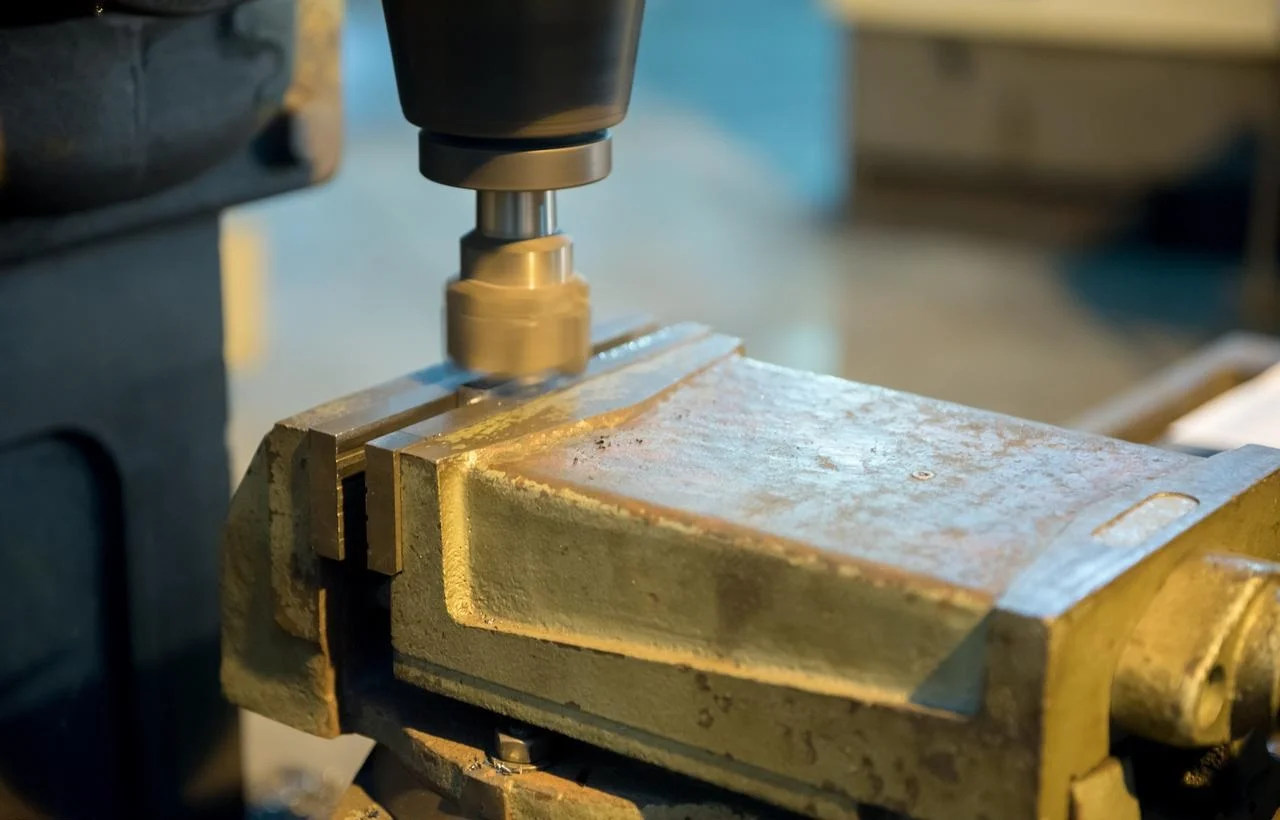
A part comes off the machine with some surface. It has tool marks. Maybe a slight texture. This is an as-machined condition. It is functional. It is cheap. Many people reject it because it does not look finished.
Then they pay extra to change how the surface looks. Sometimes that money is well spent. Often it is not.
Cost Comparison Table (Relative to As-Machined)
| Finish | Method | Cost Multiplier | Best For |
| As-machined | None | 1x | Hidden surfaces |
| Bead blast | Abrasive media | 1.2x | Consumer housings |
| Anodize | Electrochemical | 1.5x | Aluminum corrosion protection |
| Mirror polish | Manual buffing | 3-5x | Medical/aesthetic |
Ask Yourself – Do You Really Need That Finish?
Raw aluminum works fine for internal brackets. It does not corrode in normal indoor conditions. Tool marks do not hurt anything. The bracket holds weight either way.
For external parts, a finish may be necessary. Corrosion protection matters on a marine component. Aesthetic requirements matter for a consumer product. Medical devices need specific surface conditions for cleaning or biocompatibility.
The question is simple. Does this feature touch a user, face the weather, or contact a patient? If no, leave it as-machined. Take the savings. Spend them somewhere that matters.
Custom Parts Quantity – The Volume Lever
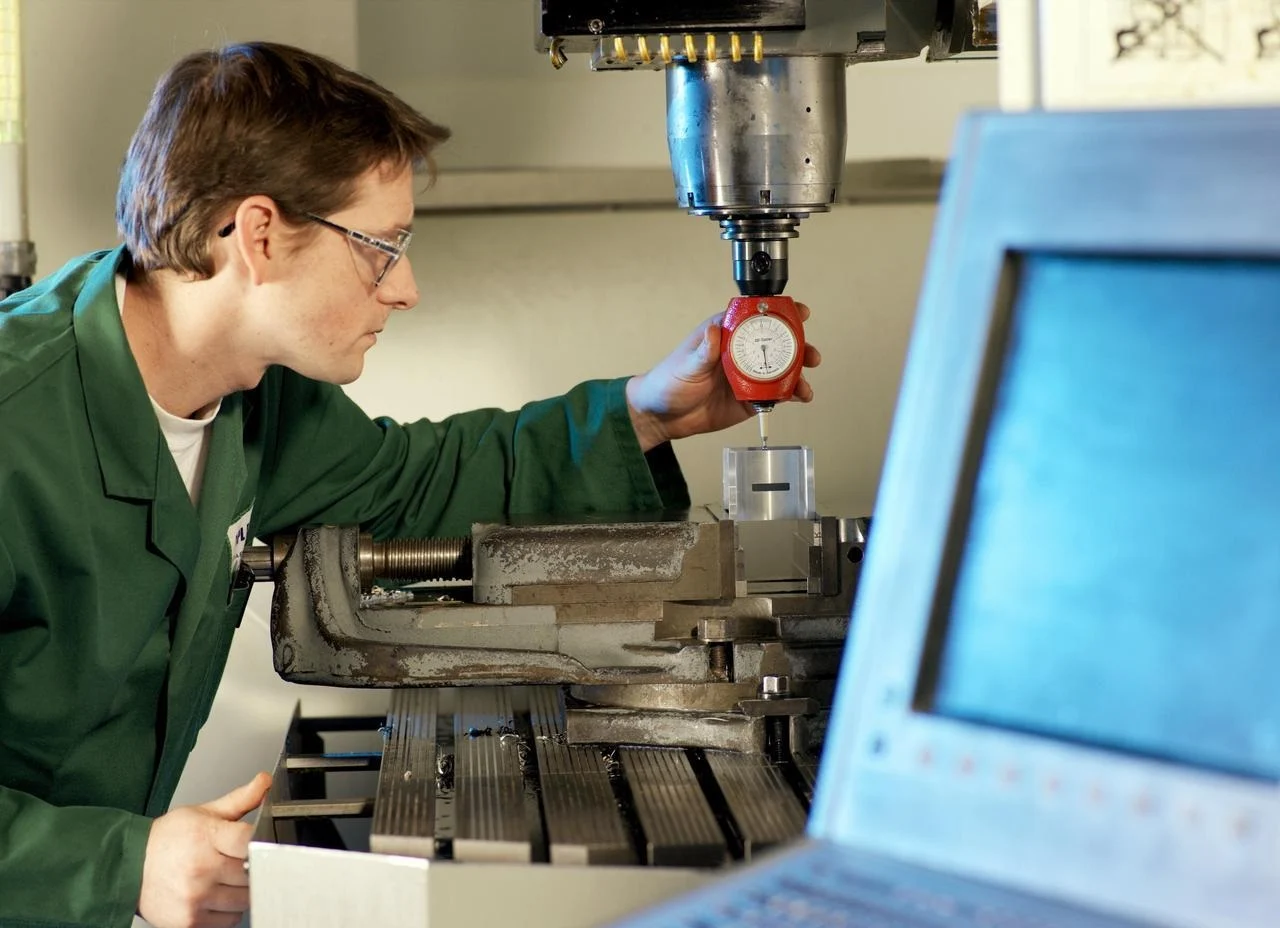
Setup and programming get spread across more units. Tooling costs get amortized. The machinist gets faster after running the first few pieces. Every step becomes more efficient.
How Per-Unit Cost Drops With Scale
One part hurts. Many parts help. The math is simple.
One part costs five hundred dollars. Most of that is setup and programming.
Ten parts cost sixty dollars each. The setup spreads out.
One hundred parts cost twelve dollars each. The factory gets efficient.
One thousand parts cost four dollars each. Same part. Lower price.
Order more pieces at once. Combine needs with those of other people. Each extra unit drops the average cost. The first part is always the most expensive.
Secondary Operations – Where Costs Multiply
A part comes off the machine. It is not done yet. Many parts need extra work. Each extra step adds time. Each extra step adds money.
Common Secondary Operations and Their Cost Impact
Deburring is usually included. Factories expect to knock off sharp edges. No extra charge in most cases.
Thread tapping is cheap when done on the machine. The same program that mills the part also cuts the threads. Tapping by hand is expensive. Someone stands at a bench. Runs a tap into every hole. That labor adds up fast.
Heat treating adds twenty to forty percent to the part cost. Also adds one to three days of lead time. The part goes to another factory. Gets cooked. Comes back. People pay for the service and the waiting.
Painting or silkscreening often doubles the part cost. This is not machining. It is a separate process. Different equipment. Different skills.
The Single-Best Question to Ask Your Factory
Here is the question that saves money. “What feature on my part is the most expensive to make?”
The machinist will point to one thing. A deep hole. A tight tolerance. A tricky surface finish. A secondary operation that requires manual labor.
Then redesign that feature. Make it simpler. Eliminate it. Replace it with something standard. The rest of the part can stay the same. The price drops because the expensive part of the job went away.
Factories rarely volunteer the answer without being asked. The ones who ask get better quotes. The ones who do not ask pay for features they do not need.
Inspection and Quality Level – Paying for Certainty
Inspection is not free. Someone measures the part. Writes down numbers. Makes a decision. Pass or fail. This takes time. Time is money.
Different jobs need different levels of checking. Paying for aerospace inspection on a prototype bracket is a waste. Skipping inspection on a medical part is reckless.
Four Levels of Inspection
- Visual-only is the lowest cost. Checks for obvious scratches or burrs. No measurements. Fast. Cheap. Risky. Suitable for things that do not matter much.
- Spot check at ten percent is standard for most production runs. The factory pulls one part from every ten. Measures critical features. Assumes the rest are good. This catches big problems without slowing down the line.
- 100% inspectionadds 30% to 50% to the part cost. Every single piece gets measured. Every dimension checked. Slower. More expensive. Lower risk. Used when a bad part causes major problems.
- CMM with full documentation adds one hundred to two hundred percent to the cost. A coordinate measuring machine scans every feature. Generates a report. Saves the data. Part of the permanent record. This is for regulators and auditors.
Match Quality to Application
Aerospace and medical parts demand full CMM reports. Regulators expect them. Lawsuits follow failures. Pay for the certainty.
Toy prototypes need visual inspection only. A rough edge on a prototype does not hurt anyone. Save the money.
Industrial equipment parts fall in between. Spot checks are usually fine. Ask what happens if a bad part gets through. A scratched panel is fine. A broken shaft is not. Match the inspection level to the consequence of failure.
Your 5-Step Action Plan to Cut Custom Parts Costs Today
Do these five things before sending the next drawing out for a quote. The price will drop. The part will still work.
-
Loosen every unnecessary tolerance.
Most dimensions do not need to be tight. People tighten them out of habit. Look at the drawing. Find every number with a plus or minus 0.01. Ask if that is real. Change it to plus or minus 0.1. The machine hits that easily.
-
Add fillets to all inside corners (match standard tool sizes).
A milling cutter is round. Design like one. Put a radius in every corner that matches a standard tool size. Three millimeters. Six millimeters. Ten millimeters. No more sharp inside corners. No more EDM costs.
-
Consolidate multiple parts into a single batch order.
One part pays for the whole setup. Ten parts spread it out. One hundred parts make it cheap. Combine parts for a single project. Add spares to the order. Find someone else who needs similar work. Each extra piece drops the average cost.
-
Switch to standard material thicknesses.
Stock sizes exist for a reason. Three millimeter sheet. Twelve millimeter bar. Use what distributors carry. Avoid custom thicknesses. Almost no one stocks 3.2 millimeters. Everyone stocks 3.0 millimeters.
-
Ask your factory: “What’s the most expensive feature on my drawing?”
The machinist will point to something. A deep hole. A sharp corner. A tight tolerance. A weird surface finish. Then change that feature. Simplify it. Remove it. The rest of the part stays the same. The price drops.
Discover NOBLE—Your Partner in Precision CNC Machining
Our Core Processing Capabilities
CNC Machining (3-Axis, 4-Axis, 5-Axis)
Three-axis milling is for flat parts, simple prototypes, and basic geometries. The tool moves in X, Y, and Z. That is enough for most work.
Four-axis indexing adds a rotary axis. A part gets holes or features on multiple sides. No one repositions the part by hand. No alignment errors.
Five-axis simultaneous machining handles complex contours, undercuts, and organic shapes. One setup. One coordinate system. Superior accuracy for difficult parts.
CNC Turning (Swiss & Live Tooling)
Precision cylindrical parts. Shafts, pins, bushings, rings. Swiss machines for long, thin parts. Live tooling for milling features on round components without leaving the lathe.
Prototype to Production Volumes
Low-volume jobs run from one to one hundred parts. Rapid turnaround. Minimal tooling investment. Perfect for testing or short runs.
Medium-volume runs from one hundred to five thousand parts. Optimized fixturing. Competitive per-unit pricing. The setup cost spreads out nicely.
High-volume production runs above five thousand parts. Dedicated cells. Just-in-time delivery. The per-piece price drops significantly.
Why Clients Choose NOBLE
No gotcha quoting. The quote includes setup, material, and secondary operations. No surprise charges when the invoice arrives.
DFM feedback is free. We review every drawing before quoting. Flag expensive features like sharp inside corners or unrealistic tolerances. Clients often save thirty to fifty percent just from this review.
Transparent lead times. Rush service in three to five days. Standard in ten to fifteen business days. We communicate delays before they happen. No excuses.
US-based engineering support. Our application engineers speak English. They work during normal business hours. Questions get answered quickly.
NDA is standard. We sign the client’s NDA before receiving any files. Their intellectual property is treated like our own. No sharing. No leaks. No exceptions.
FAQ
Why is CNC machining so expensive for small quantities?
Setup time eats the budget. A machine sits idle while someone loads tools, finds offsets, and proves out the program. That time gets billed. Make fifty or more parts. The setup spreads out.
Can I get a free quote before designing the full part?
Yes. Send a rough sketch. Send a STEP file. NOBLE provides free quotes. The quote is not binding. It gives a ballpark before investing hours in detailed drawings.
Is offshore manufacturing always cheaper?
No. For low volumes under five hundred parts, local factories often win. Add shipping costs. Add tariffs. Add lead time. The offshore advantage disappears. For high volumes in the thousands, the math changes.
What’s a First Article Inspection (FAI), and do I need one?
An FAI is a full measurement report on the first part of the machine. It proves every dimension meets the drawing. Pay for it on the first production run. That catches issues before a thousand bad parts get made. Skip it for prototypes. Prototypes are already test pieces. No need to certify them.