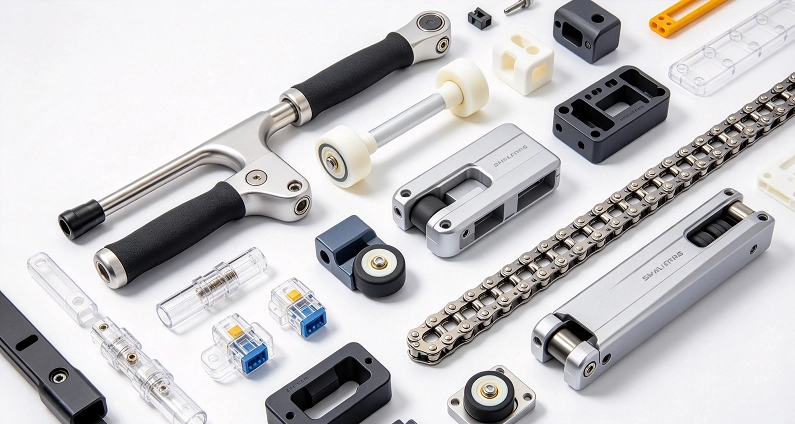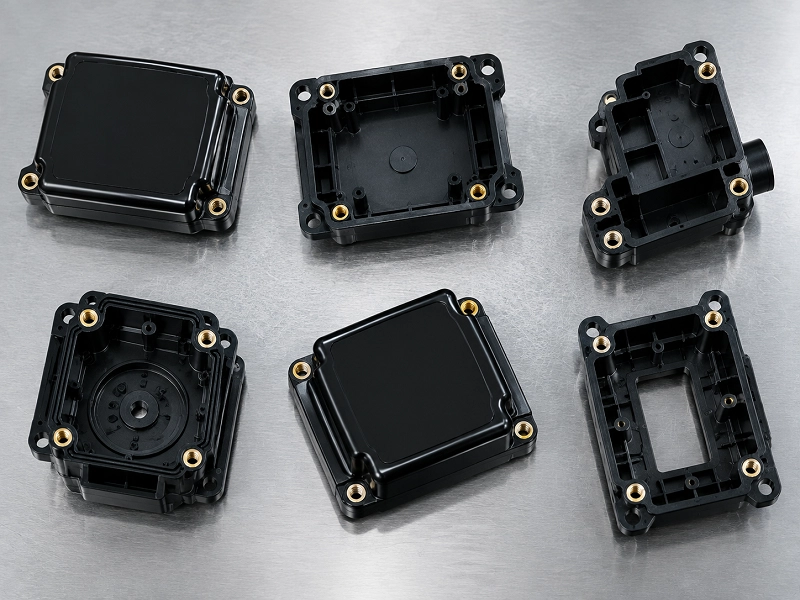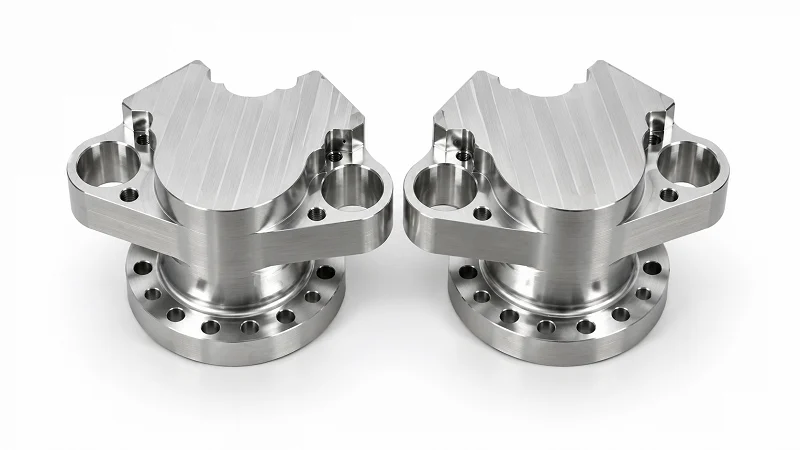
Metal parts rarely meet every requirement straight off the production line. A material may be strong but prone to corrosion, affordable but unattractive, or easy to machine but quick to wear. In practice, material selection depends on how the part will be used. Metal surface treatment helps bridge the gap between a material’s natural properties and the demands of its application.
The following sections cover common metal surface treatment processes, their main applications, and the trade-offs involved in choosing each one. This is not a complete list of every available method, so feel free to explore other processes that may suit your project.
What Metal Surface Treatment Actually Does
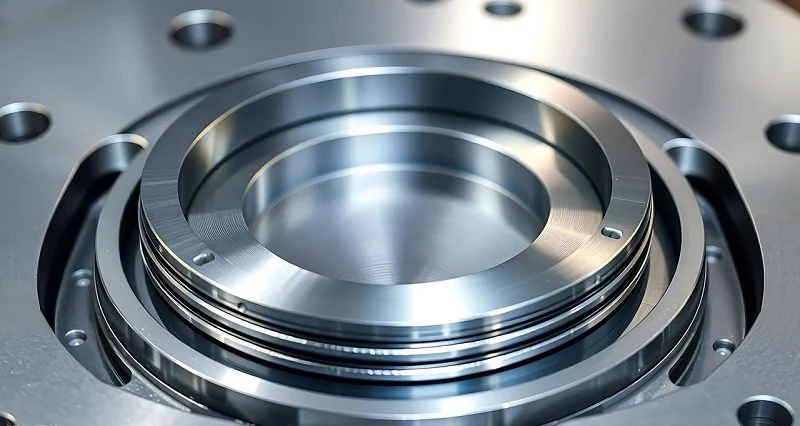
Before looking at individual processes, it helps to understand what metal surface treatment is designed to achieve. It is not a single process but a group of methods used to solve different problems and improve specific surface properties.
- Corrosion and oxidation — keep rust and tarnish away
- Appearance — color, gloss, and surface finish
- Wear resistance — protect surfaces that rub, slide, or take impact
- Strength and fatigue life — reduce surface stress and cracking
- Cleanliness and adhesion — prep a surface for paint, coating, or bonding
Different metal surface treatment processes solve different problems. That’s why choosing one starts with asking what the part actually needs to survive.
Polishing: Smoothing Out the Surface
What It Is
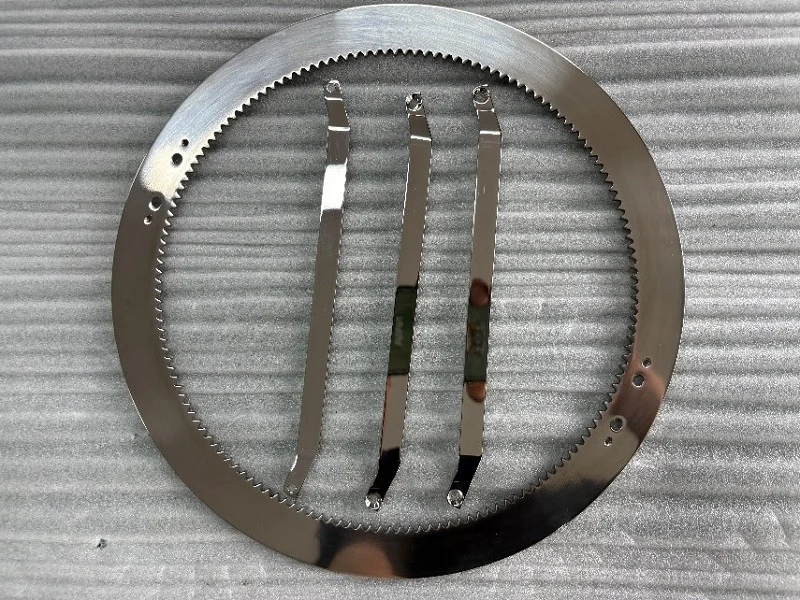
Polishing uses flexible tools and abrasive materials to reduce surface roughness and improve the finish of a metal part. When a part has high appearance requirements, machining may leave a small polishing allowance for the final finishing step. As a common metal surface treatment, polishing helps achieve a smoother, more refined surface.
Where It’s Used
Polishing is suitable for parts that need a smooth, glossy finish and a high-quality appearance. For small production runs, manual mechanical polishing is often a practical choice. Electropolishing is another option, especially when dimensional control matters more than achieving a mirror-like finish. The best metal surface treatment depends on the part’s appearance and tolerance requirements.
Pros and Cons
Mechanical polishing can produce an excellent surface finish, but it is harder to control dimensions precisely. Uneven material removal may also affect wall thickness. Electropolishing can provide more uniform material removal and better control of certain dimensions, although the final appearance depends on the material and process conditions. When selecting a metal surface treatment, weigh the required surface quality against dimensional tolerances.
Sandblasting: Cleaning and Prepping the Surface
What It Is
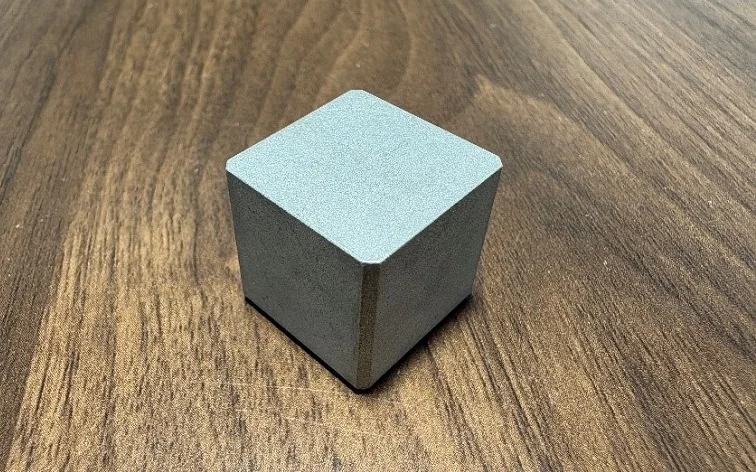
Sandblasting, also called abrasive blasting, directs abrasive media at a metal surface at high speed to remove unwanted material and create a more uniform texture. Manual pneumatic blasting cabinets are commonly used for small and medium-sized parts, including components with complex shapes. As a metal surface treatment, blasting can prepare a surface for later finishing processes.
Where It’s Used
Sandblasting is often used before aluminum anodizing to remove surface contamination, rust, scale, and burrs, while helping reduce minor surface marks. The abrasive type and grit size affect the resulting texture. A higher mesh number generally indicates finer abrasive particles, while a lower number indicates coarser particles. These settings must match the material and the required finish. Careful control is important in metal surface treatment, especially when surface texture must remain consistent.
Pros and Cons
Sandblasting is versatile and can reach many complex surfaces that are difficult to finish with conventional tools. However, manual blasting depends heavily on operator skill, so results may vary between parts. Achieving a consistent cosmetic finish takes experience and process control. For surface preparation before anodizing, sandblasting offers a practical balance of cost and flexibility.
Shot Blasting: A Different Kind of Surface Treatment for Metal
What It Is
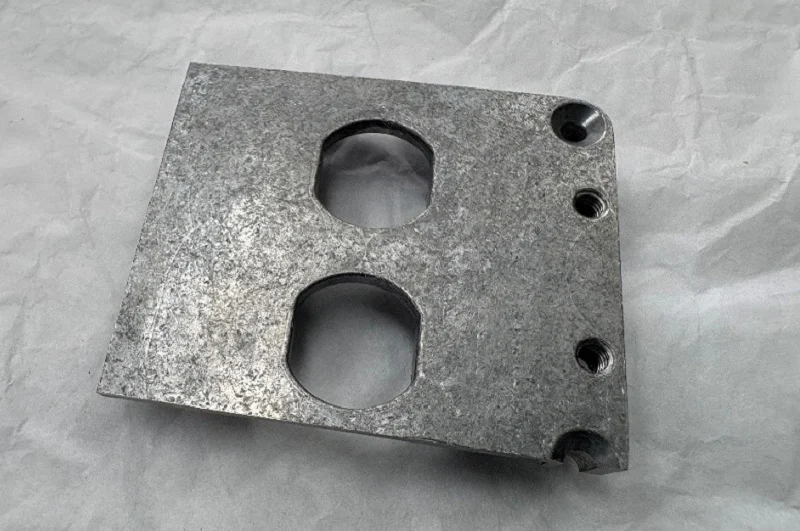
Shot blasting uses a rotating wheel to propel steel shot against a metal surface through centrifugal force. The impact removes burrs, flash, and other unwanted material. Unlike machining, which removes material through cutting, shot blasting relies on repeated impact. It is a common metal surface treatment method for cleaning and finishing parts in bulk.
Where It’s Used
Shot blasting works well for high-volume castings, steel structures, and metal parts that need fast, consistent deburring. It is especially suitable for batch production and automated production lines, where many parts can be processed in one cycle. For large production runs, this metal surface treatment can help improve throughput and reduce manual finishing work.
Pros and Cons
Shot blasting is fast and efficient for bulk deburring, but the impact can damage parts that are not strong enough to withstand it. Thin-walled components may deform or crack, especially if they have low stiffness or fragile features. Before applying this metal surface treatment, check the part’s wall thickness, material properties, and structural strength to make sure it can withstand the impact.
Brushed Finish: Directional Texture on Sheet Metal
What It Is
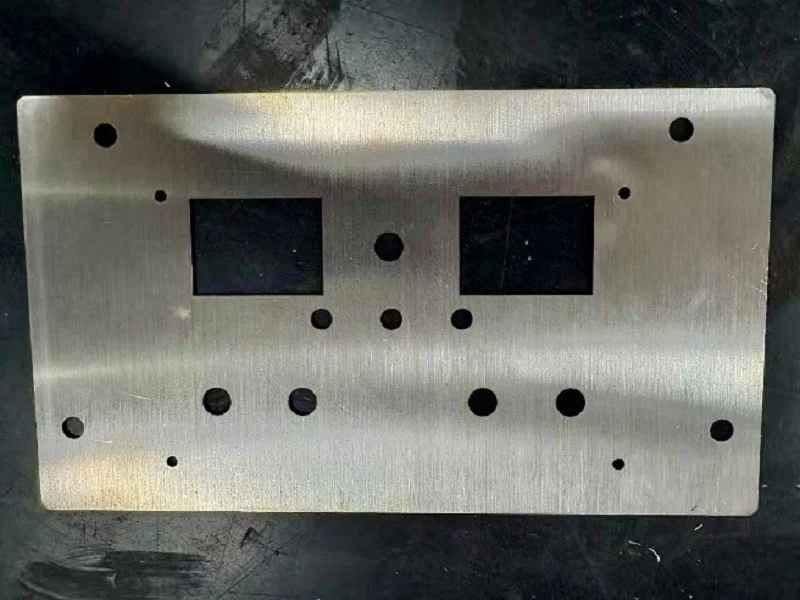
Brushing uses an abrasive belt or similar tool to create fine, parallel lines on a metal surface. The process follows a consistent direction, producing a uniform grain pattern. This metal surface treatment is often used to give sheet metal parts a clean, modern industrial appearance, especially appliance panels and enclosure shells.
Where It’s Used
Brushed finishes are common on sheet metal housings, equipment enclosures, appliance panels, and other products where appearance matters. The directional grain creates a neat, consistent look and can help make minor surface marks less noticeable. For large, flat panels, this metal surface treatment offers an effective way to improve appearance without adding a thick coating.
Pros and Cons
A brushed finish is relatively affordable and gives metal parts a clean, attractive look. However, the surface can scratch easily, and scratches that cross the grain may stand out. Repairing them often requires re-brushing the affected area in the same direction, which can be difficult to match. If the part will face frequent handling or abrasion, consider adding a protective coating or choosing a more durable metal surface treatment.
Anodizing: The Go-To Metal Surface Treatment for Aluminum
What It Is
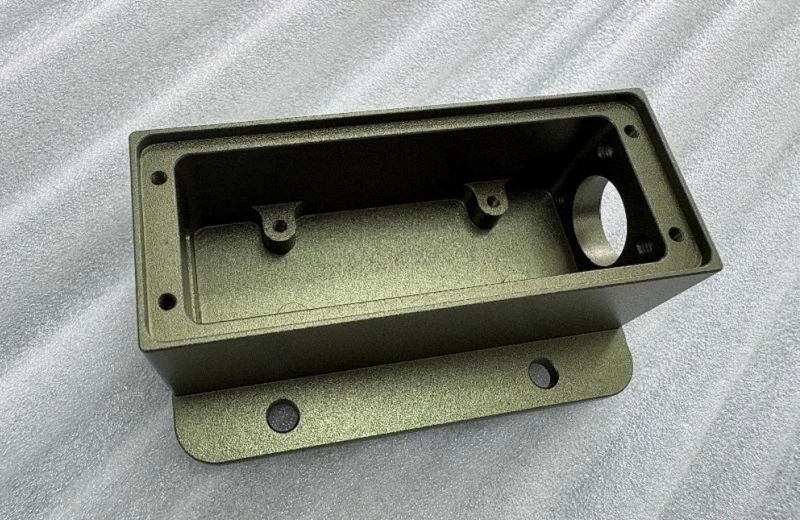
Anodizing places a metal part in an electrolyte bath and uses an electric current to form a controlled oxide layer on its surface. The part acts as the anode during the process. This oxide layer improves surface protection and can also support coloring. Anodizing is one of the most widely used metal surface treatment processes for aluminum alloys.
Where It’s Used
Anodizing improves corrosion resistance, surface hardness, and appearance. Color can be added to meet different design requirements, so protection and appearance can be achieved in the same process. The two main types are standard anodizing and hard anodizing. Hard anodizing produces a thicker, harder oxide layer for applications that need greater wear resistance, but it usually costs more. Sandblasting is often used before anodizing to create a more uniform surface texture. These preparation steps can make a noticeable difference to the final metal surface treatment result.
Pros and Cons
Anodizing is the workhorse for aluminum: good protection, good looks, color flexibility, and a well-understood process. Standard anodizing covers most cosmetic and mild-wear applications; hard anodizing is the answer when the part takes real abrasion. The main trade-off is cost—hard anodizing in particular isn’t cheap, and the process needs tight bath control to stay consistent.
Powder Coating: Fast, Durable, and Built for Volume
What It Is
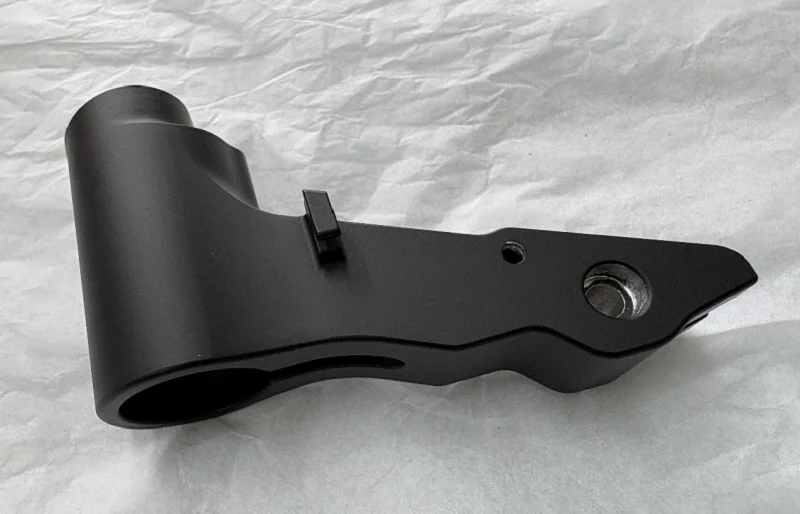
Powder coating applies dry coating powder to a metal part, usually through electrostatic spraying. The coated part is then heated so the powder melts, flows, and cures into a continuous film. The process combines coating application and curing in a streamlined workflow, making it a practical metal surface treatment for many production parts.
Where It’s Used
Powder coating is well suited to high-volume production because the process can be automated and provides a consistent finish across many parts. It is widely used for metal housings, frames, equipment enclosures, and other components that need a durable, uniform coating. Minor coating defects may be repairable, depending on their type and location, although repairs may be visible. For manufacturers handling large batches, powder coating can offer an efficient metal surface treatment option.
Pros and Cons
Powder coating offers good production efficiency, a wide range of colors, and a durable finish when the coating is properly applied and cured. However, coating thickness can build up around edges and complex features, which may affect dimensional fit. The cured film can also chip or crack under strong impact, depending on the coating formulation and the conditions of use. These factors should be considered when selecting a metal surface treatment for parts exposed to repeated knocks or mechanical stress.
Baked Enamel: The Premium Paint Finish
What It Is
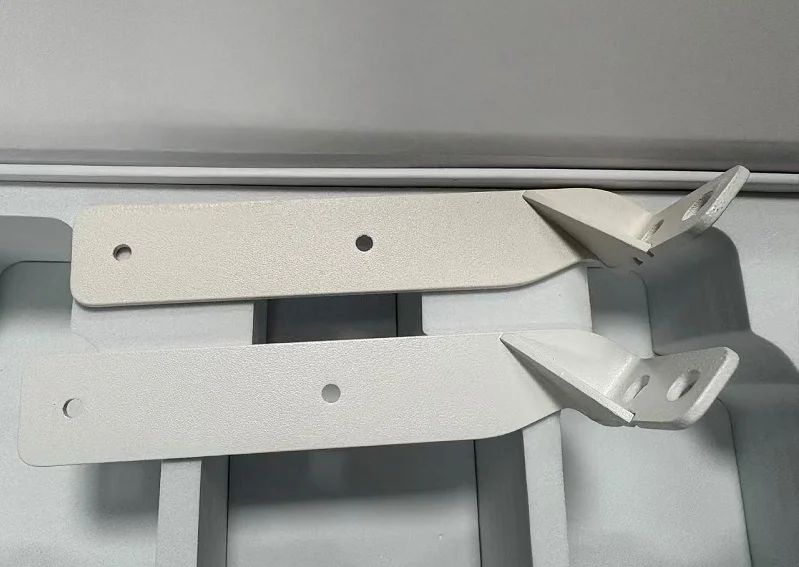
Baked enamel is a coating process used to create a hard, smooth, and glossy finish on metal parts. The coating is sprayed onto the surface and then baked at a controlled temperature to cure the film. This provides both decorative appeal and corrosion protection, making it a useful metal surface treatment for parts that need an attractive, durable finish.
Where It’s Used
Baked enamel is commonly used on enclosure shells and other parts where appearance is important. When the surface is properly prepared and the coating is correctly cured, it can provide strong adhesion, good impact resistance, and lasting color. These properties make it suitable for products that need to maintain their appearance during regular use.
Pros and Cons
Baked enamel provides a smooth, premium appearance and can offer good durability. However, it generally requires higher material and processing costs than simpler finishes. The production environment must also be well controlled. Temperature, surface cleanliness, coating thickness, and curing conditions all affect the final result. This metal surface treatment is worth considering when appearance and service life justify the additional cost.
Electrophoretic Coating: Built for the Production Line
What It Is
Electrophoretic coating, also called e-coating, uses a liquid bath containing water-based coating materials. The workpiece acts as one electrode, while a counter electrode completes the electrical circuit. Under the applied electric field, charged resin particles and associated coating components move toward the workpiece and deposit on its surface. The coating is then cured to form a protective film. This metal surface treatment is well suited to automated, high-volume production.
Where It’s Used
E-coating is widely used on production lines where consistent coverage, efficient material use, and corrosion protection are important. It is suitable for large batches of metal components, including parts with complex shapes. Available colors depend on the coating system, but black and gray are common choices. Salt spray performance varies with the coating formulation, film thickness, substrate preparation, and test conditions, so figures such as 500 hours indoors or 700 hours outdoors should be treated as specific targets rather than universal results. For reliable metal surface treatment, test requirements should be confirmed with the coating supplier.
Pros and Cons
The main advantages of e-coating are high coating-material utilization, suitability for automated production, and good corrosion resistance when the process is properly controlled. Its main limitation is color flexibility, as the available range depends on the coating system and production setup. For hidden components or functional parts, corrosion protection may matter more than a wide choice of colors.
Blackening: A Minimal-Distortion Finish for Precision Parts
What It Is
Blackening, also known as black oxide treatment or bluing in some applications, uses a chemical process to form a dark oxide layer on steel parts. The workpiece is treated in a controlled chemical bath, and the resulting surface layer provides a uniform black finish. Because this metal surface treatment converts the surface rather than adding a thick coating, it has little effect on part dimensions.
Where It’s Used
Blackening is often used on steel components that need a dark appearance and a small improvement in corrosion resistance. When combined with suitable post-treatment oil or sealant, it can provide better protection against rust. It also has minimal impact on dimensions and surface texture, making it useful for precision parts where tight tolerances must be maintained. This makes black oxide treatment a practical metal surface treatment for many indoor applications.
Pros and Cons
Blackening is relatively simple, cost-effective, and suitable for precision components because the oxide layer is thin. However, its corrosion protection is limited compared with many paint or plating systems, especially in wet or highly corrosive environments. Additional oil or sealant may be needed to improve protection. For indoor steel parts with moderate exposure, blackening can be a suitable metal surface treatment, but the expected service conditions should guide the final choice.
Electroplating: A Thin Metal Layer, Many Flavors
What It Is
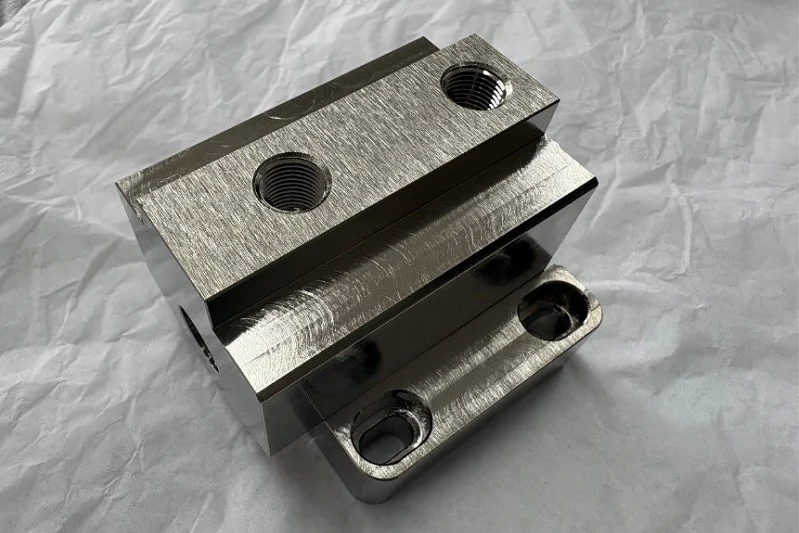
Electroplating uses an electric current to deposit a thin layer of metal or alloy onto a conductive workpiece. The deposited layer can improve corrosion resistance, electrical conductivity, wear resistance, or appearance, depending on the plating material and process. Since each plating system offers different properties, electroplating is one of the most versatile metal surface treatment options.
Where It’s Used
Common plating materials include chromium, nickel, zinc, copper, gold, and silver. Each serves a different purpose. Zinc plating is often used to protect steel fasteners from corrosion, while nickel and chromium plating can provide wear resistance or a decorative finish. Copper, gold, and silver plating are used in selected electrical and electronic applications. The right metal surface treatment depends on the part’s operating environment, required performance, and cost.
Pros and Cons
Electroplating offers a wide range of finishes, so the coating can be selected to suit the part’s specific requirements. However, plating baths and operating conditions need careful control to maintain coating thickness, adhesion, and quality. Choosing an unsuitable plating material can lead to premature corrosion or wear.
Carburizing: Hard Surface, Tough Core
What It Is
Carburizing is a thermochemical heat-treatment process that allows carbon atoms to diffuse into the surface of steel. It is mainly used for low-carbon steels and low-carbon alloy steels, often with carbon content below about 0.25%. The process creates a carbon-rich surface layer that can be hardened through subsequent heat treatment. As a metal surface treatment, carburizing improves surface performance while retaining a relatively tough core.
Where It’s Used
Carburizing is commonly used for gears, shafts, and other mechanical components that face repeated contact, friction, or impact. It increases surface hardness and wear resistance, while the core retains the toughness needed to withstand shock loads. This combination is especially useful for transmission parts that must resist surface wear without becoming brittle throughout the entire section.
Pros and Cons
The main advantage of carburizing is its combination of a hard, wear-resistant surface and a tough core. This makes it suitable for gears and other heavily loaded transmission components. However, the process involves several stages, often including heating, carbon diffusion, quenching, and tempering. It can also cause dimensional changes, so machining allowances and post-treatment finishing may be needed. Due to its cost and process requirements, carburizing is generally reserved for components with demanding strength and wear requirements rather than simple, low-load parts.
Nitriding: Surface Hardening Without Distortion
What It Is
Nitriding is a thermochemical process that introduces nitrogen into the surface of steel at a relatively low temperature. The nitrogen reacts with elements in the steel and forms hard compounds near the surface. Unlike conventional hardening processes that require quenching, many nitriding methods do not need a quench step. This reduces the risk of distortion, making nitriding a useful metal surface treatment for precision components.
Where It’s Used
Nitriding is suitable for precision parts that require high surface hardness and wear resistance but must retain tight dimensional tolerances. Common applications include crankshafts, gears, molds, and other components exposed to friction or repeated contact. The surface becomes harder, while the core retains much of its original toughness. This makes nitriding valuable when a part needs a durable working surface without major dimensional changes.
Pros and Cons
The main benefit of nitriding is its low risk of distortion, which can make it suitable for parts that have already been machined to close tolerances. It can also improve wear resistance and, under suitable conditions, fatigue performance. The main trade-offs are processing time and case depth, which depend on the steel grade and nitriding method. For parts that need a hard surface and a tough core, nitriding can be an effective metal surface treatment. NOBLE, a leading manufacturing company in China, helps clients assess suitable treatment options based on material, dimensional requirements, and intended operating conditions.
Passivation: Letting the Surface Protect Itself
What It Is
Passivation improves a metal’s corrosion resistance by reducing its tendency to react with the surrounding environment. There are two main approaches. Chemical passivation uses a chemical process to form or strengthen a protective passive film on the metal surface. Electrochemical passivation applies a suitable electrical potential to promote the formation of this film. In stainless steel, passivation helps maintain the chromium-rich oxide layer that protects the material from corrosion. This type of metal surface treatment strengthens the metal’s natural defenses without adding a thick coating.
Where It’s Used
Passivation is widely used for stainless steel parts that need reliable corrosion resistance, especially after machining, welding, or other processing steps that may contaminate or alter the surface. It helps remove free iron and other contaminants that could trigger corrosion, allowing the protective passive layer to form or recover. Common applications include medical components, food-processing equipment, and precision industrial parts where surface cleanliness and corrosion resistance are important.
Pros and Cons
Passivation improves corrosion resistance without significantly changing a part’s dimensions, color, or surface texture. This makes it a useful finishing step for precision components. However, the passive film is extremely thin and is not designed to improve wear resistance or protect against heavy mechanical damage. It is best understood as a way to restore or strengthen the metal’s own corrosion defense, rather than adding a separate protective layer. When selecting a metal surface treatment, manufacturers should consider whether corrosion resistance alone is enough or whether additional protection against wear is also required.
Phosphating: A Base Layer, Not a Final Finish
What It Is
Phosphating is a chemical conversion process commonly applied to steel parts to form a phosphate coating on the surface. Although the layer can provide some corrosion resistance, phosphating is often used as a pretreatment rather than a final protective finish. It creates a suitable base for subsequent painting or electrophoretic coating, helping the topcoat adhere more reliably. In many production lines, this metal surface treatment is an important step in preparing steel components for further finishing.
Where It’s Used
Phosphating is commonly used before painting or electrophoretic coating in automotive manufacturing, machinery production, and general metal fabrication. The phosphate layer improves coating adhesion and can enhance corrosion resistance when combined with a suitable topcoat. It also helps create a more consistent surface for the next finishing stage, which is important when parts must meet appearance and durability requirements across larger production batches.
Pros and Cons
Phosphating works well as a pretreatment because it improves paint adhesion and supports corrosion protection when used with a compatible topcoat. However, it usually cannot provide sufficient long-term corrosion protection on its own, especially in harsh environments. The final performance depends on the phosphate process, the base material, and the coating applied afterward. For this reason, phosphating should be treated as the foundation of a coating system, not the finished protection itself.
Choosing the Right Metal Surface Treatment
Work through the processes above, and a pattern emerges. No single process does everything. Polishing and brushing focus on appearance. Sandblasting and phosphating prepare the surface for the next step. Anodizing, powder coating, baked enamel, and electrophoretic coating create protective layers. Electroplating adds another metal to achieve specific performance goals. Carburizing and nitriding harden the surface while keeping the core tough. Passivation restores or strengthens the metal’s natural corrosion resistance.
That is why choosing a metal surface treatment starts with the part, not the process. Ask what the part must withstand: corrosion, wear, impact, appearance requirements, or all four. Then consider what it cannot afford, such as distortion, limited color options, high costs, or a finish that cannot withstand its working environment. These answers quickly narrow down the options.
None of these rules is set in stone. Manufacturers often combine processes to meet several requirements at once. Sandblasting followed by anodizing is one example; phosphating followed by electrophoretic coating is another. The goal remains the same: match the treatment to the material and service conditions so the part performs reliably for longer.
Metal Surface Treatment Services at NOBLE
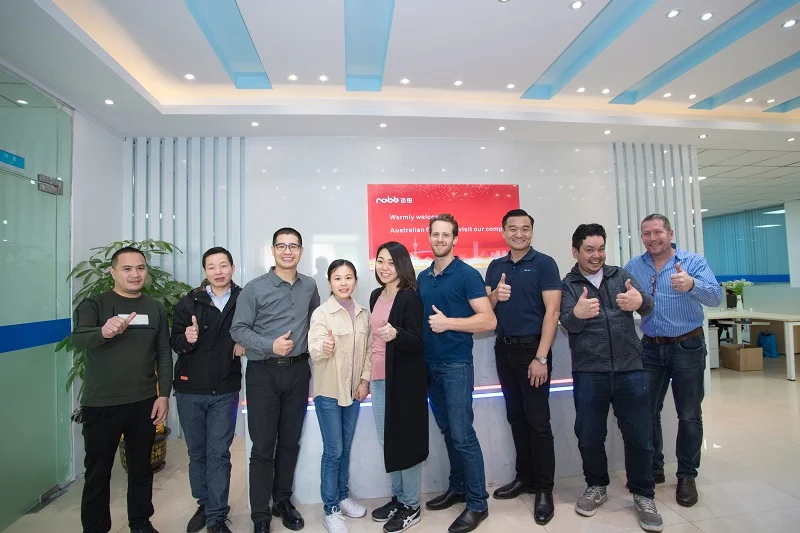
NOBLE is a leading manufacturing company in China, specializing in metal and plastic processing from design review and prototyping to surface treatment and final assembly. Our team helps customers evaluate manufacturing requirements and select suitable processes based on material properties, performance targets, and practical production needs. By integrating surface treatment with CNC machining, 3D printing, vacuum casting, and assembly services, we help ensure that finishing requirements are considered throughout the manufacturing process.
Our Capabilities
We support projects ranging from single prototypes and small batches to preparation for mass production. We also provide design reviews, process selection, and technical problem-solving to help identify potential manufacturing issues early. With ISO 9001:2015 and ISO 13485:2016 certifications, NOBLE follows established quality management systems to support consistent production quality, including projects with demanding medical device requirements.
Our Services
Whether you need corrosion-resistant components, wear-resistant metal parts, or prototypes with a specific surface appearance, NOBLE can help you assess suitable manufacturing and finishing options. Contact our team with your drawings or CAD files, material specifications, surface finish requirements, and expected quantities. We can review your project and help identify a practical solution that meets your technical requirements and production goals.
FAQs: Common Questions About Metal Surface Treatment
Which metal surface treatment is best for aluminum?
Anodizing is the default answer for aluminum. It protects the surface, improves wear resistance, and lets you add color in the same step. For a finer, more even look, sandblast the part before anodizing. If the part needs serious abrasion resistance, go with hard anodizing—it costs more but the wear performance is on another level.
What’s the difference between powder coating and baked enamel?
Both are spray-and-cure finishes, but they behave differently. Powder coating is efficient, forgiving of minor defects, and well suited to high-volume production—though powder builds up at contours and the film chips under hard impact. Baked enamel costs more and demands a stricter production environment, but it delivers stronger adhesion, better impact resistance, and colors that hold up over time.
When should I use carburizing or nitriding instead of a coating?
When the problem is surface hardness rather than corrosion or appearance. Carburizing suits low-carbon steel parts like gears and shafts that need a hard surface with a tough core. Nitriding runs at lower temperature with no quenching, so distortion stays minimal—making it the better choice for precision parts like crankshafts, gears, and molds that can’t afford to move.
Can phosphating be used as a final finish?
No. Phosphating is a base-layer treatment for steel, applied before painting or e-coating. It improves corrosion resistance and gives the topcoat something to bond to, but on its own the protection falls well short. Treat it as prep, not as the finished surface.
Why does passivation matter if the metal is already corrosion-resistant?
Because the passive layer gets disturbed. Machining, welding, and pickling can leave free iron or disrupt the oxide film on stainless steel, which opens the door to corrosion. Passivation restores that protective layer—it doesn’t add armor, it puts the metal’s own defense back in place.
How do I choose between all these processes?
Start with the part, not the process. Ask what it has to survive—corrosion, wear, impact, appearance—and what it can’t afford, whether that’s distortion, limited color options, cost, or a fragile finish. Those answers narrow the field quickly, and combining processes (sandblast then anodize, phosphate then e-coat) is common practice.