The product development landscape has shifted. Speed matters. Iteration matters. Getting a physical part in hand before committing to expensive tooling matters. That is where the importance of rapid prototyping becomes clear. It is not a luxury. It is a competitive necessity. Companies that prototype faster learn faster. They catch design flaws earlier. They reach market sooner. The importance of rapid prototyping grows every year as customer expectations rise and product lifecycles shrink. In 2026, the pressure is higher than ever.
What Is Rapid Prototyping?
How Rapid Prototyping Works
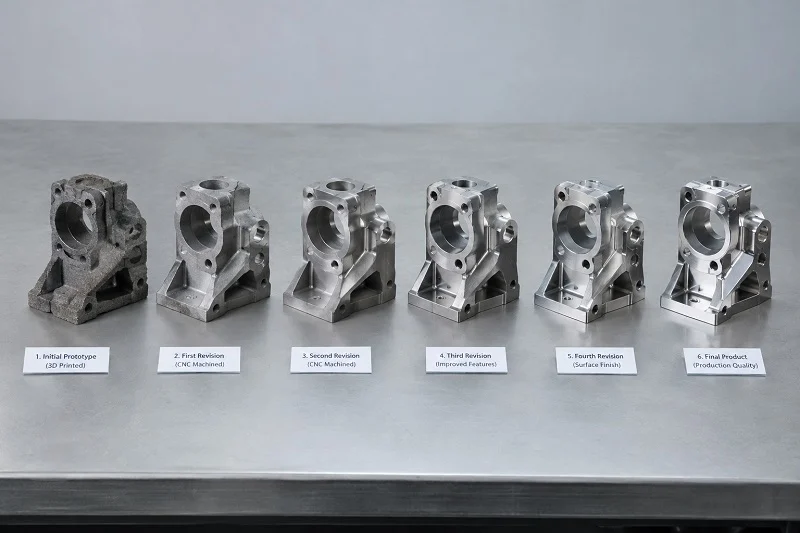
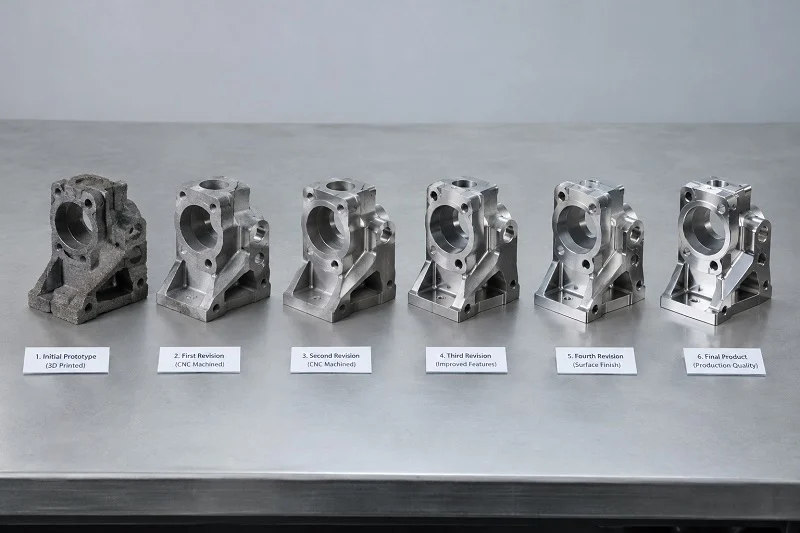
Rapid prototyping transforms digital designs into physical models or functional parts for testing and evaluation. Engineers review each iteration, identify design issues, and make modifications before moving on to the next development phase. This process is repeated continuously, with each cycle leading to design improvements. The importance of rapid prototyping lies precisely in this iterative nature. Without it, defects would make their way into production, molds would be manufactured, funds would be wasted, and time would be lost.
Common Rapid Prototyping Methods
Common methods include CNC machining, 3D printing, vacuum casting, and rapid tooling. Each process has its own advantages and varies in terms of material selection, dimensional accuracy, surface finish, lead time, and cost. The choice of method depends on the specific application. The importance of rapid prototyping is not tied to one technology, but rather on the ability to quickly manufacture physical parts. This capability can take many forms.
Why Is Rapid Prototyping Important in 2026?
Accelerating Product Development
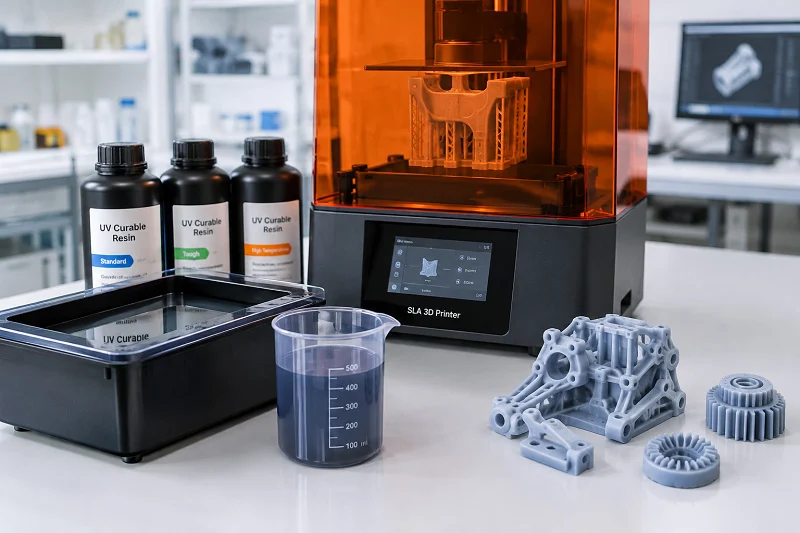
Rapid prototyping helps companies quickly transition from the concept phase to the testing phase. Teams can evaluate design proposals earlier, gather feedback sooner, and make revisions without having to wait for full-scale production. The importance of rapid prototyping is evident in project timelines: days saved can add up to weeks, and weeks saved can translate into a competitive advantage in the market.
Reducing Development Costs and Risks
Testing prototypes before investing in mold manufacturing allows for the early detection of issues. Making modifications at this stage is less costly. Early validation reduces material waste, minimizes rework, and lowers the risk of delays in later manufacturing stages. The importance of rapid prototyping is evident on a financial level: money invested in prototyping is money saved on production-stage corrections.
Improving Product Quality and Design Accuracy
Physical prototypes allow engineers to verify dimensions, check component fit, evaluate surface finish, test assembly requirements, and identify design flaws before production begins. Product quality is thus enhanced. The importance of rapid prototyping lies in the improvement of quality—not just speed, not just cost.
Supporting Faster Testing and Decision-Making
Physical prototypes provide engineers, designers, and customers alike with tangible objects they can interact with. Test results can be evaluated, and user feedback can be collected. Teams can compare different design options and make data-driven decisions. The value of rapid prototyping lies in clarity—it eliminates guesswork from the development process.
Helping Companies Stay Competitive
Customer needs are changing. Development cycles must be shortened. Costs must be controlled. Rapid prototyping helps achieve this balance. New ideas are validated. Existing products are improved. Designs are validated before going to market.
The Role of Rapid Prototyping in Modern Manufacturing
From Digital Design to Physical Parts
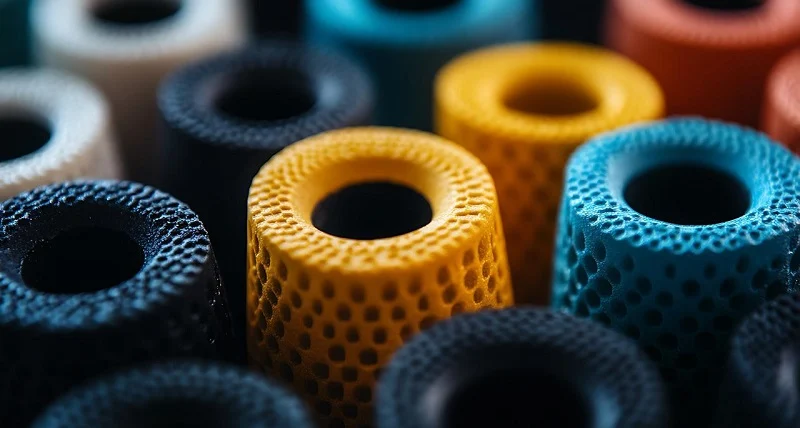
CAD models serve as the starting point of the entire process, gradually transforming into physical parts. These parts are inspected, assembled, and tested according to project requirements. This is where the importance of rapid prototyping lies—while screen images cannot reveal assembly issues, physical parts can.
Integrating Prototyping with Production Planning
Prototypes are used to assess manufacturing feasibility. Teams review part geometry, material selection, tolerances, and assembly methods. The importance of rapid prototyping lies in its role in early-stage preparation: issues can be identified early, resulting in a smoother production process.
Reducing Design and Manufacturing Errors Before Production
Prototype testing can reveal various issues, such as poor component fit, structural weaknesses, and complex assembly steps. Resolving these issues before production begins can reduce rework, avoid tooling changes, and prevent manufacturing delays. The importance of rapid prototyping lies in its ability to prevent errors.
Key Technologies Driving the Importance of Rapid Prototyping in 2026
CNC Machining
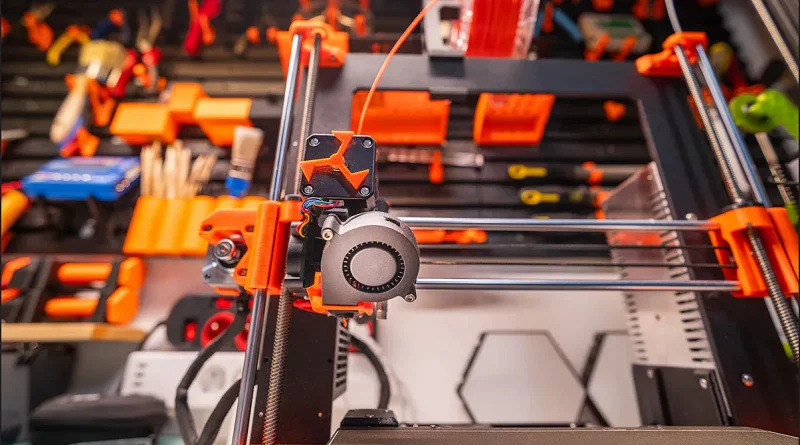
CNC machining produces precision prototype parts by removing material from metal or plastic blanks. This helps create functional components that meet specific tolerance requirements and exhibit authentic material properties, enabling testing under real-world operating conditions.
3D Printing
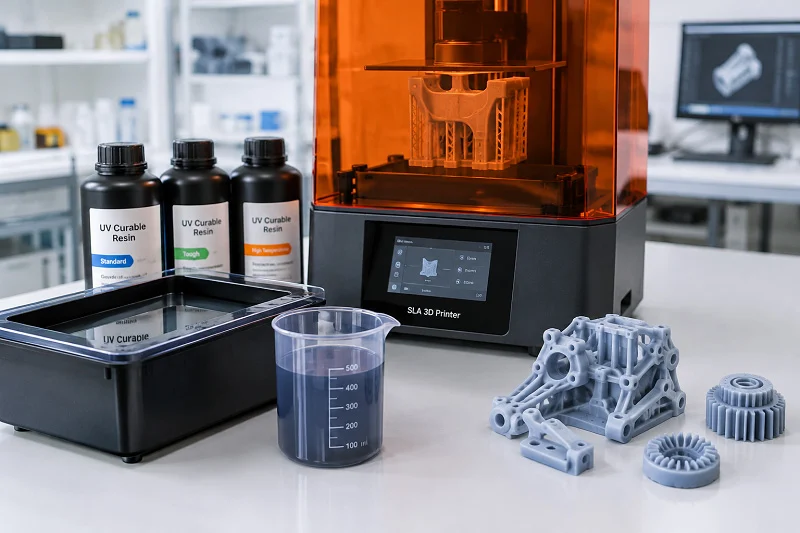
3D printing builds parts by stacking layers. It enables the creation of complex geometries. Design iterations are rapid. It can produce visual models, fit-check parts, and functional prototypes. The final result depends on the technology and materials used. 3D printing further highlights the importance of rapid prototyping. It offers greater speed and lower costs.
Vacuum Casting
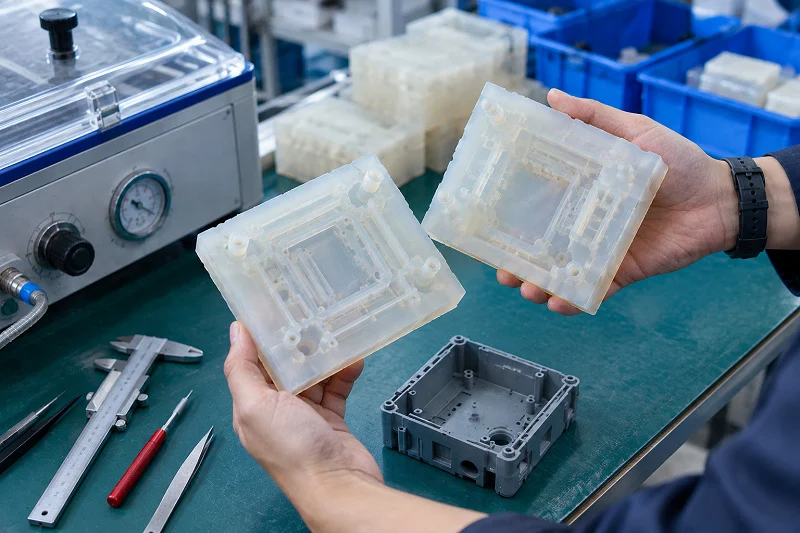
Vacuum casting uses a master mold and silicone molds. It can produce small-batch parts. Polyurethane is a commonly used material. It enables the production of multiple prototypes with consistent appearance. Fine details are faithfully reproduced. Its performance is similar to that of selected production-grade plastics. The importance of rapid prototyping becomes evident when a team requires multiple prototypes.
Rapid Tooling and Injection Molding
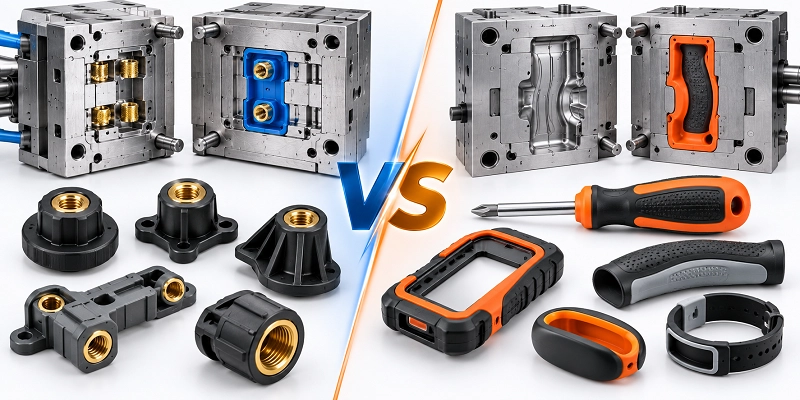
Rapid tooling provides a faster path to mold manufacturing. Plastic parts are produced via injection molding. Once the injection-molded parts have been evaluated, preparations can be made for small-batch production. Molds for long-term production, however, are not manufactured until the design has been validated. The importance of rapid prototyping extends into the production planning phase. Transition molds bridge the gap between prototyping and mass production.
Which Industries Benefit Most from Rapid Prototyping?

Medical Devices and Diagnostic Equipment
Medical device developers evaluate housings, instrument components, fluid-handling parts, and assembly interfaces. Prototypes facilitate design validation and usability assessments. Regulated products require additional validation. However, the importance of rapid prototyping is self-evident: it enables the early detection of design flaws, thereby enhancing patient safety.
Automotive and Transportation
Automotive teams evaluate the geometry, assembly precision, weight, and functional performance of components. Prototypes are used to validate housings, brackets, interior components, and other parts. Mass-production tooling is not initiated until the design has been validated. The importance of rapid prototyping is reflected in project timelines: it saves weeks of time and effectively controls costs.
Robotics and Automation
Robotics developers require custom brackets, sensor mounts, gearboxes, and mechanical interfaces. Prototypes are used to verify clearances and validate motion performance. As the system evolves, component designs are continuously optimized. The importance of rapid prototyping lies in the speed of iteration—each version is improved upon.
Consumer Electronics and Industrial Equipment
Product teams evaluate enclosures, connectors, mounting structures, and user-facing designs. Early testing helps identify issues with assembly clearances, operability, and assembly processes. Products enter mass production only after they have been validated. The importance of rapid prototyping lies in its ability to mitigate risks.
Emerging Trends Shaping the Importance of Rapid Prototyping in 2026
AI-Assisted Design and Simulation
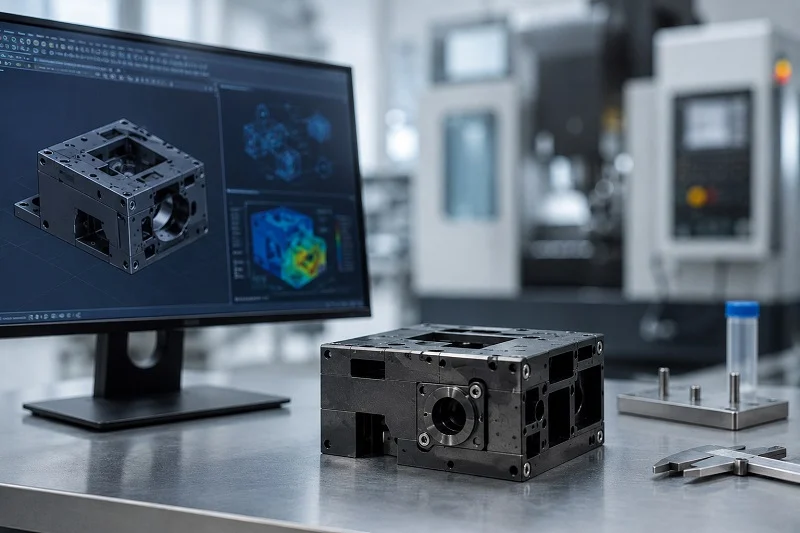
AI tools can explore design options, automate specific tasks, and identify potential areas for improvement. Combining simulation technology with physical prototyping helps accelerate decision-making. However, the results still require engineering review. As AI accelerates front-end design processes, the importance of rapid prototyping is becoming increasingly evident.
More Functional Prototypes and Real-World Testing
Prototypes are used not only to evaluate appearance but also to assess component fit, mechanical performance, and assembly behavior. The selection of materials and processes must align with testing requirements, enabling teams to obtain more valuable test results. The focus of rapid prototyping is shifting from mere appearance to functionality.
Flexible Production and Small-Batch Manufacturing
Rapid prototyping supports small-batch production. Companies need components to test market demand before moving to mass production. CNC machining, 3D printing, and vacuum casting offer various methods to produce small batches without the need for extensive tooling. The importance of rapid prototyping has extended to the realm of transitional production. From a practical standpoint, NOBLE, a leading Chinese manufacturing company, helps clients smoothly navigate this transition. Its team efficiently supports both prototyping and small-batch production.
Greater Focus on Material Efficiency and Sustainability
Smaller prototype runs help avoid unnecessary production batches. Design issues can be identified earlier. Material efficiency depends on the manufacturing process—including material waste, energy consumption, and whether parts can be reused or recycled. The importance of rapid prototyping is also reflected in sustainability: reducing waste and lowering resource consumption.
How to Choose the Right Rapid Prototyping Method
Consider Material and Functional Requirements
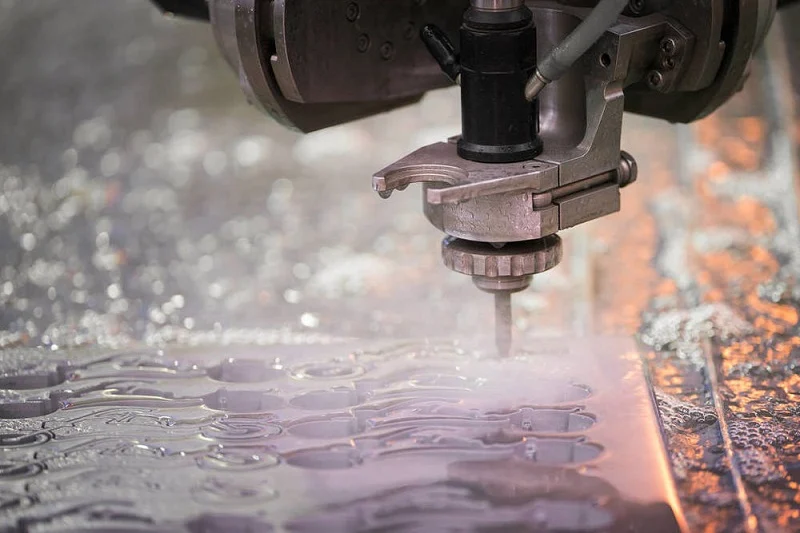
The appropriate process depends on the prototype’s specific intended use. Does it need to replicate the final product’s appearance? Must it withstand mechanical loads, resist chemical corrosion, or meet thermal performance requirements? The value of rapid prototyping lies in its practicality and targeted application: the wrong material leads to flawed test results, whereas the right material yields valuable data.
Balance Lead Time, Cost, and Accuracy
Different processes offer varying trade-offs regarding speed, price, and dimensional accuracy. Teams must consider the total project cost, including design preparation, surface finishing, inspection, and any necessary modifications. The initial price of a single part does not reflect the full cost; rapid prototyping plays a crucial role in cost management, as the ultimate price of using cheap, non-functional parts often exceeds that of using more expensive, reliable ones.
Evaluate Surface Finish and Assembly Needs
Surface quality affects aesthetics, fit, sealing, and the performance of mating components. If the prototype involves assembly, factors such as surface finishing, threaded features, dimensional tolerances, and assembly requirements must be considered and clarified early on. The value of rapid prototyping is particularly evident during the assembly stage, as parts that cannot be assembled successfully are useless.
Choose a Manufacturer with Engineering and Quality Support
An excellent partner assists in reviewing designs, recommending processes, and identifying potential issues. Quality inspection, seamless communication, and technical support throughout the surface finishing and assembly stages are vital. Choosing the right supplier further enhances the value of the rapid prototyping process.
Why Choose NOBLE for Rapid Prototyping and Manufacturing?
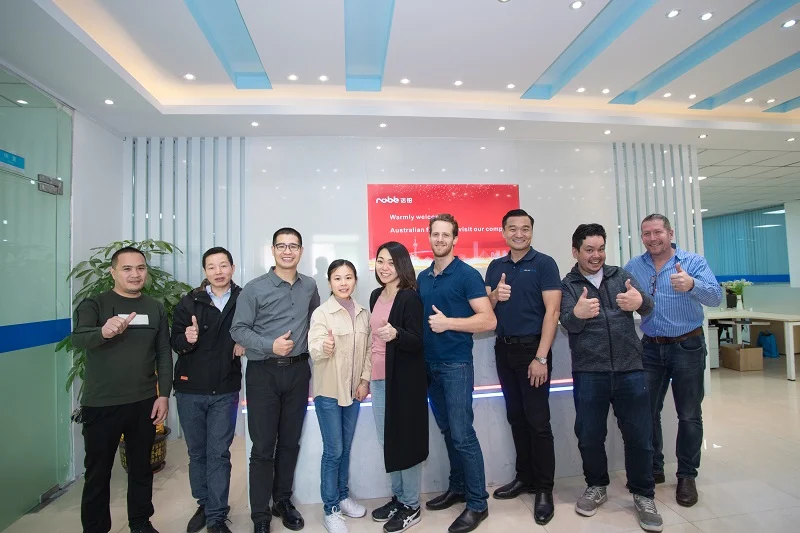
NOBLE specializes in metal and plastic processing, offering comprehensive services that span the entire process—from design review and prototyping to surface finishing and final assembly. As a leading Chinese manufacturer, NOBLE excels at effectively integrating design requirements with practical, viable manufacturing solutions.
Our Capabilities
Our core capabilities encompass CNC machining, 3D printing, vacuum casting, surface finishing, and assembly services for metal and plastic parts. Beyond production, our team provides support in areas such as design review, process selection, and technical problem-solving, ensuring that the prototypes we deliver are ready for immediate testing, evaluation, or product showcasing.
We hold ISO 9001:2015 and ISO 13485:2016 certifications, guaranteeing consistent, reliable production quality and the ability to meet the rigorous quality management standards required for medical device projects.
Our Services
NOBLE provides robust support whether you require a single prototype, small-batch production of functional parts, or preparation for mass production. The true value of rapid prototyping technology is realized when partners can deliver results efficiently. As a one-stop supplier with diverse manufacturing capabilities, we offer comprehensive services ranging from initial concept to final product assembly.
FAQs about the Importance of Rapid Prototyping
Why is rapid prototyping important in product development?
It turns digital designs into physical parts. Engineers can hold these parts to test them and identify defects, allowing for necessary modifications before production molds are manufactured. The core value of rapid prototyping lies in early validation: issues are detected and resolved when the cost of fixing them is low, rather than after mold production is complete.
How does rapid prototyping reduce development costs?
Changes made during the mold manufacturing and production stages are costly. Rapid prototyping helps identify issues early and correct design flaws before formal mold creation (cutting steel), thereby reducing material waste, rework, and delays. The value of rapid prototyping is directly reflected in financial statements: funds invested in prototyping actually save on modification costs during later production stages.
What are the most common rapid prototyping methods in 2026?
They include CNC machining, 3D printing, vacuum casting, and rapid tooling. Each method offers unique advantages and differs in terms of material selection, precision, surface finish, lead times, and cost. The choice of method depends on specific project requirements. In practical terms, NOBLE—a leading Chinese manufacturer—offers all these processes and provides expert teams to assist clients in making the right choice.
Is rapid prototyping suitable for functional testing?
Absolutely yes. Functional prototypes can withstand loads, high temperatures, and chemical corrosion, and support assembly and disassembly. Naturally, the chosen materials and processes must meet the testing requirements. The value of rapid prototyping extends beyond visual verification to functional validation as well.
Can rapid prototyping be used for small-batch production?
Yes. It serves as a “bridge production” method to fill market gaps and meet demands for small batches, such as 50 or 100 units. Technologies like CNC machining, vacuum casting, or 3D printing enable low-volume production without the need for expensive hard tooling. The value of rapid prototyping extends into the early production phase, facilitating market testing and ongoing design validation, ensuring the design is fully proven before proceeding to mass production.