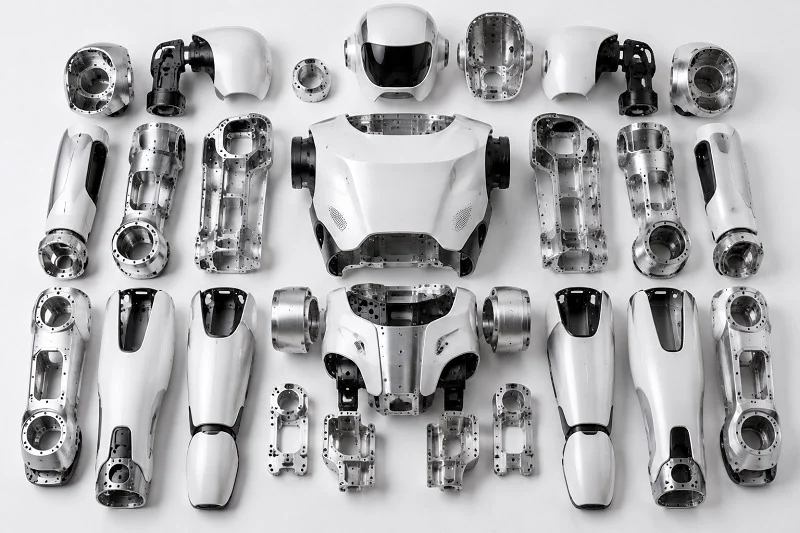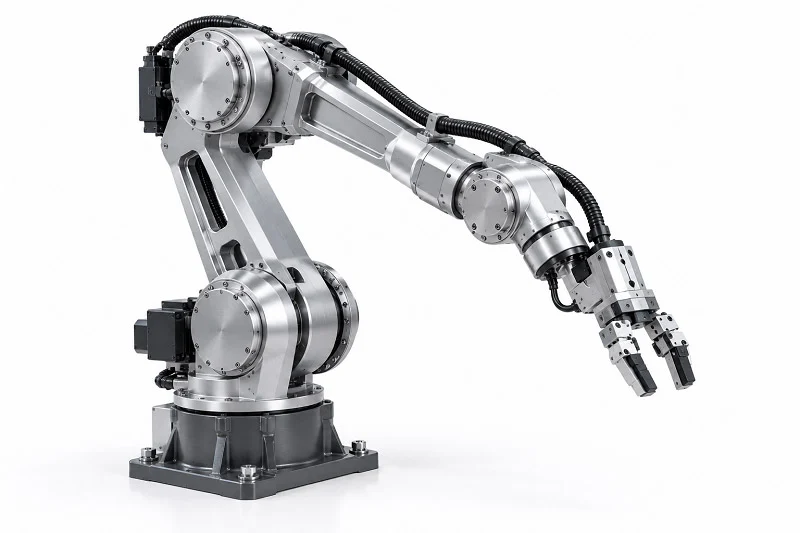
The best setup usually pairs CNC-machined aluminum or stainless steel for structural frames and joints with injection-molded ABS/PC for outer shells. Volume, precision, and function decide the final pick. Picking materials and processes for an AI care robot housing is hard. You must handle EMI shielding, heat, strength, and human safety all at once. This guide gives engineers a useful framework. They can match processes and materials to their exact AI care robot housing needs. The market shows why this matters. Analysts value it at USD 2.0 billion in 2024 and expect USD 5.4 billion by 2030, a 17.6% CAGR. Good robot housing manufacturing starts with smart choices. Solid manufacturing planning keeps everyone safe.
AI Care Robot Housing Manufacturing Processes
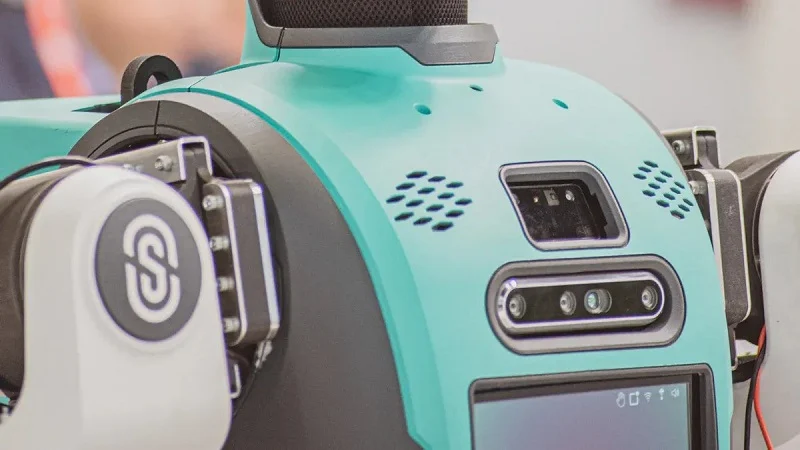
In robot housing manufacturing, three processes show up most often: CNC machining, injection molding, and 3D printing. What you pick depends on volume, precision, and budget. Here’s a quick look at typical lead times for mid-volume production of robot housing parts.
| Process | Typical Lead Time (Mid‑Volume) | Key Note |
| CNC Machining | 3–10 business days (standard); up to 2–3 weeks for complex 5‑axis or tight tolerances | No tooling wait; production starts directly from CAD file. |
| Injection Molding | 4–16 weeks total (tooling order to first parts). Aluminum prototype molds: 2–4 weeks; hardened steel production molds: 6–10 weeks; complex multi‑cavity steel molds: 10–16 weeks | Long upfront tooling time, but fast per‑part cycles after tooling is ready. |
| 3D Printing | 1–5 business days (most technologies); SLS / DMLS may take 5–10 days including build and post‑processing | No tooling or programming delay; post‑processing can be the dominant factor. |
CNC Machining for AI Care Robot Housing
Milling and Turning
CNC machining uses cutting tools to remove material from a solid block. Milling spins the tool against the part to cut complex shapes. Turning spins the part against the tool to create round features. For an AI care robot housing, these processes give you strong, precise parts. You get tight tolerances straight from the machine.
Precision Tolerances and Surface Finish
Holding tight tolerances is what CNC does best. You can reach ±0.005 inches or better. That accuracy matters a lot for AI care robot housing joints and moving parts. With the right tooling and feeds, surface finish can hit 63 µin Ra. That is smooth enough for many uses without extra machining. If you need precision robot parts, CNC machining is a strong pick.
Applications in Joint and Structural Housings
For an AI care robot housing, a machined aluminum housing often shows up in robot arms and base frames. It carries heavy loads and stands up to wear. CNC works well for low to mid volumes. You get fast turnaround since there is no tooling wait. For structural frames and chassis, CNC machining is a go-to method.
Additive Manufacturing for AI Care Robot Housing
FDM and SLS for Prototyping
For early design checks, FDM and SLS are quick and cheap. You get parts in a day or two. But these prints are not strong enough for a final robot housing. Use them to test fit, form, and function before you commit to production.
DMLS and SLM for Metal Parts
Need metal parts fast? DMLS and SLM print metal straight from powder. The as-built surface is rough: 200 to 400 µin Ra. After CNC machining, you can bring it down to 63 µin Ra. This combo works well for complex shapes you cannot mill from a block. The table below shows the typical surface roughness change.
| Condition | Surface Roughness (Ra) |
| As-built DMLS | 200–400 µin |
| After CNC machining | 63 µin |
Precision Limitations and Post-Processing
3D printing does not match CNC machining for precision. Tolerances are wider, and post-processing adds time. For AI care robot housing that needs tight tolerances, you often print near net shape then machine the critical surfaces. This hybrid approach saves time and meets requirements.
Molding and Sheet Metal Fabrication
Injection Molding for Polymer Housings
Injection molding rules high-volume production for AI care robot housing. You get consistent robot frames and shells. Tooling takes 4 to 16 weeks. But once the mold is ready, each part cycles in seconds. This makes injection molding perfect for mass production. It works with many materials, including ABS and polycarbonate blends.
Die Casting for Metal Housings
Die casting is like injection molding but for metal. It creates strong, complex shapes for AI care robot housing structural frames and chassis. Die casting suits high volumes and gives good precision. It is a solid option for metal robot housing parts.
Sheet Metal Fabrication for Frames and Chassis
For simple, strong frames for AI care robot housing, sheet metal fabrication saves money. You cut, bend, and weld sheet metal into shape. It works well for prototypes and low volumes. You can make structural frames and chassis quickly without expensive tooling.
Materials for AI Care Robot Housing
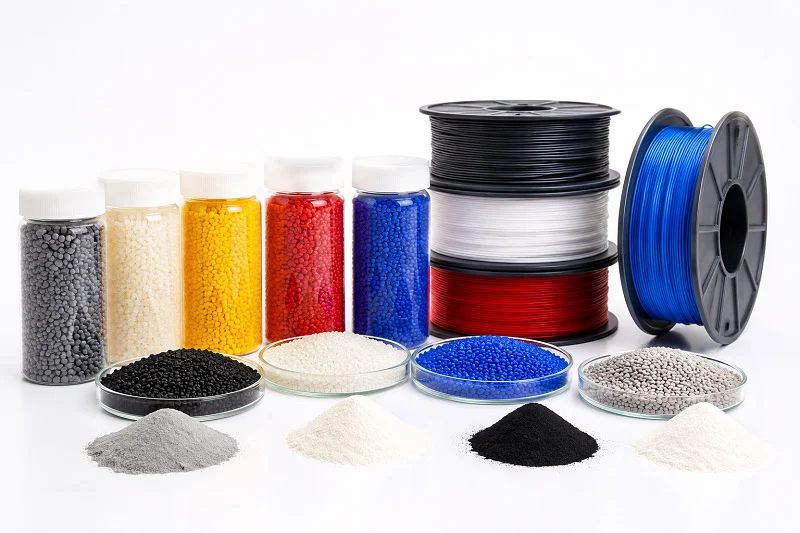
Choosing the right materials for an AI care robot housing is about finding the best mix of strength, weight, safety, and cost. Your choice affects how strong the robot is and how well it handles heat. The materials must survive daily bumps and scrapes. Let’s look at the best options for robot housing designs.
Metals for AI Care Robot Housing
Metals and alloys give robot housing designs strength, stiffness, and protection from electromagnetic interference. Three main groups of alloys are used. These materials are common for metal housings in structural parts. Each group has different strengths and weaknesses for metal housings.
Aluminum Alloys
6061‑T6 is the go‑to choice for frames. Its density is 2.7 g/cm³. Its ultimate tensile strength reaches 310 MPa. Its yield strength is 270 MPa. Compare that to 304 stainless steel: density 7.8 g/cm³ and UTS from 580 to 1180 MPa. Aluminum saves weight, which matters for lightweight design in moving parts. These materials are easy to machine and can be anodized.
Another choice is 7075 aluminum, which is stronger. But for most AI care robot housing frames, 6061‑T6 gives the right mix of easy machining, cost, and performance. Aluminum is easy to machine. That makes it a top pick for metal housings and structural parts.
Stainless Steel
304 stainless steel is much denser at 7.8 g/cm³. But it offers strength and corrosion resistance that aluminum cannot match. Its UTS ranges from 580 to 1180 MPa. Its yield strength runs from 230 to 860 MPa.
Use stainless steel where you need strength and corrosion resistance in high‑wear areas. Its toughness helps in joints, fasteners, and brackets. Stainless steel gives excellent EMI shielding. For robot housing parts that contact people or need to be clean, stainless steel is hard to beat. These materials suit safety‑critical robot components.
Titanium Alloys
Ti‑6Al‑4V sits between aluminum and steel at 4.43 g/cm³. Its modulus of elasticity is 110 GPa. Its specific stiffness is about 24.8 GPa·cm³/g. That is close to aluminum 7075 at 25.3. Titanium gives similar stiffness per weight.
Thermal conductivity is low: only 6.7 W/m·K compared to 130 for aluminum 7075. That is about 5% of aluminum’s value. Titanium resists corrosion well. It is also biocompatible. For high‑end AI care robot housing parts where weight and strength matter, titanium is an option. But it costs more and is only used for special needs. These materials suit demanding AI care robot housing designs.
Polymers for AI Care Robot Housing
Polymers and plastics offer lower cost, more design freedom, and lighter weight for outer shells and covers. They are important materials for many robot housing applications. These materials are easy to process and come in many types.
ABS and ABS/PC Blends
Pure ABS has a notched Izod impact of 150 to 250 J/m. That is modest. When you blend ABS with 20 to 40% polycarbonate, the impact rises to 600 to 950 J/m. A 60/40 ABS/PC blend exceeds 900 J/m. A 70/30 blend gives 700 to 850 J/m. An 80/20 blend lands around 550 J/m.
PC by itself has about 5 times the notched Izod impact of ABS: 600 to 900 J/m. ABS/PC blends give much of that toughness at lower cost. They process well in injection molding. For robot housing shells that survive drops, ABS/PC is a smart choice. Both materials offer good impact performance.
Heat deflection temperature for PC is about 132 °C. For ABS, it is 97 °C. Blends fall in between. Standard ABS is typically UL 94 HB‑rated. Flame‑retardant grades can reach V‑0. PC and PC/ABS blends also have FR grades that hit V‑0 at specific wall thicknesses. That matters for AI care robot housing enclosures that hold electronics inside.
Polycarbonate
Polycarbonate stands out for impact: 600 to 900 J/m notched Izod. Its HDT is around 132 °C. FR grades reach UL 94 V‑0. PC is clear in its natural state, which makes it useful for robot sensor covers and windows.
Processing is harder than ABS. It needs higher temperatures and drying before molding. But its toughness and heat resistance are worth it for demanding robot housing applications. These materials handle high heat better than many alternatives.
Engineering Plastics
Nylon, PEEK, and other engineering plastics show up in gears, bearings, and structural parts. Nylon offers good wear resistance. PEEK handles high temperatures and chemicals. These materials cost more but solve specific robot housing problems.
Composites for AI Care Robot Housing
Composites combine fiber with a resin matrix. They give high strength‑to‑weight ratios. These advanced materials are becoming more common in robot housing design.
Carbon Fiber‑Reinforced Polymers
Carbon fiber composites are stiff and light. They work well for AI care robot housing components that need lightweight design. Cost is high. Manufacturing is slower than molding plastics. But the performance payoff is real for weight‑critical uses.
Glass Fiber Composites
Glass fiber costs less than carbon fiber. It boosts strength and stiffness over unreinforced plastics. You see it in structural brackets and housings that need more rigidity. It is common for industrial housings where cost matters.
Material Property Comparison
Here is a quick look at key properties across material families.
| Material | Density (g/cm³) | Tensile Strength (MPa) | Notched Izod (J/m, 23°C) |
| 6061‑T6 Aluminum | 2.7 | 310 | N/A |
| 304 Stainless | 7.8 | 580–1180 | N/A |
| Ti‑6Al‑4V | 4.43 | N/A | N/A |
| ABS | ~1.05 | ~40 | 150–250 |
| Polycarbonate | ~1.2 | ~70 | 600–900 |
| 70/30 ABS/PC | ~1.1 | ~55 | 700–850 |
| 60/40 ABS/PC | ~1.1 | ~55 | >900 |
No single material covers all needs. Your choice depends on what your AI care robot housing design demands. Think about weight, strength, impact, heat, and cost. Then match the material to the job. The right materials for AI care robot housing come from understanding these trade‑offs. Choosing appropriate materials for AI care robot housing requires careful evaluation of every property.
For sensor housings that need to be clear, polycarbonate works. For frames, use aluminum or stainless steel. For outer shells, ABS/PC blends give toughness at a reasonable cost.
Best Process and Material Combinations for AI Care Robot Housing
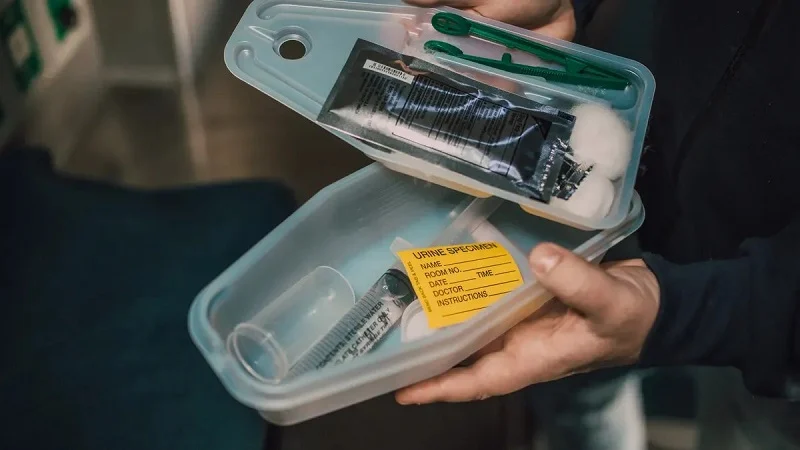
The right combo depends on your production volume and what your AI care robot housing must do. Here is a direct answer: low volumes favor CNC and 3D printing, mid volumes mix both, and high volumes demand injection molding or die casting. Let’s break it down.
Combinations by Production Volume
Low-Volume and Prototype Builds
For prototypes, SLS 3D printing and CNC machining are your best bets. SLS nylon costs $45 for one simple bracket. CNC costs $180 for the same part. At ten pieces, SLS runs $320 while CNC hits $620. SLS wins on cost and speed for small batches. CNC still gives better precision for critical robot housing features.
Mid-Volume Production Runs
Bridge production often uses CNC for structural parts and silicone molds for covers. This keeps tooling costs low while you validate the design. You get real materials for AI care robot housing without committing to steel tooling.
High-Volume Mass Production
At 10,000 units, injection molding and die casting take over. For aluminum enclosures, injection molding is not viable. The high-volume alternative to CNC machining is die casting plus CNC finishing. That combo hits $3–$10 per part. Compare that to $25–$80 for CNC at 100 units. The table below shows the cost gap.
| Manufacturing Process | Production Volume | Per-Part Cost (Aluminum) |
| CNC Machining | 100 units | $25 – $80 |
| Die Casting + CNC Finishing | 10,000 units | $3 – $10 |
Combinations by Functional Priority
EMI Shielding-Critical Applications
Metal housings win here. Die-cast aluminum or stainless steel robot housing parts block interference naturally. Add conductive coatings for extra protection. Polymer shells need conductive paint or plating.
Thermal Management-Critical Applications
Aluminum and die-cast metals pull heat away fast. For AI care robot housing with dense electronics, pair a metal frame with vented polymer covers. This balances thermal management with weight savings.
Structural Integrity-Critical Applications
CNC-machined 6061-T6 aluminum or stainless steel handles heavy loads. For impact-prone areas, ABS/PC blends absorb drops. The right materials for AI care robot housing depend on where stress hits.
Trade-Off Summary
Cost vs. Precision vs. Scalability
CNC machining gives the best precision but costs more per part at scale. Injection molding is cheap at volume but needs tooling investment. 3D printing bridges the gap for prototypes. Your manufacturing process choice comes down to balancing these three factors. NOBLE, a leading manufacturing company in China, offers professional machining expertise to help clients move from prototype to mass production efficiently.
| Factor | CNC | Injection Molding | 3D Printing |
| Cost (Low Vol) | High | N/A | Low |
| Cost (High Vol) | High | Low | Medium |
| Precision | Excellent | Good | Fair |
| Scalability | Low | High | Medium |
Finishing Processes for AI Care Robot Housing
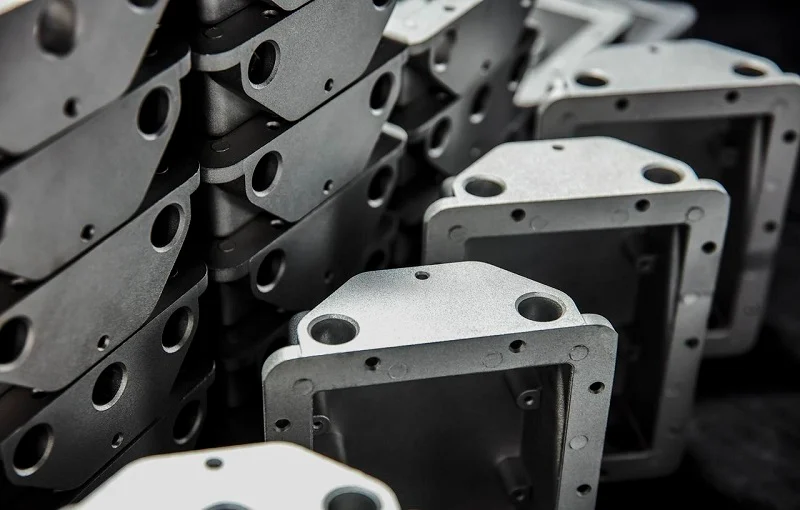
Finishing changes a working part into a safe, long-lasting product. For an AI care robot housing, the right finish guards against wear, stops interference, and keeps patients safe. Let’s check the main choices.
Protective Coatings
Anodizing and Hard Anodizing
Anodizing builds a protective oxide layer on aluminum. It increases corrosion resistance and gives a nice look. Hard anodizing makes that layer thicker and stronger. It fights scratches and wear much better. For robot housing frames that move all the time, hard anodizing is a smart choice.
Powder Coating and E-Coating
Powder coating sprays dry powder onto a grounded part. Heat bakes it into a tough skin. It covers surface flaws and resists chemicals. E-coating uses electricity to apply paint. It reaches tight corners that powder misses. Both methods work well on metal housings for care robots.
Antimicrobial Coatings
Care settings need extra hygiene. Antimicrobial coatings fight bacteria and viruses on contact. Silver-ion additives are a common pick. These coatings matter for robot sensor covers and any surface near patients. They add safety without changing how the part feels.
Surface Texturing and Functional Finishes
Bead Blasting and Brushing
Bead blasting creates a matte, even tone. Fine glass beads (325 mesh) give a roughness of 1.0–1.6 µm Ra. Medium beads (100–170 mesh) land at 2.0–3.2 µm Ra. Coarse beads push past 3.5 µm Ra. Brushed finishes are smoother. A No. 4 brushed finish hits 0.4–0.6 µm Ra with excellent cleanability. Both finishes help robot housing parts look good and stay clean.
Laser Etching and Engraving
Laser etching marks logos, warnings, or serial numbers. It removes a thin layer of material. Engraving cuts deeper for permanent marks. These methods add no weight and resist fading. They work on metals and most plastics.
Soft-Touch Overmolding
Soft-touch overmolding adds a rubbery layer to grips and edges. It improves comfort and grip for users. This finish also softens sharp corners. For care robots that interact with people, soft-touch surfaces feel friendly and safe.
Plating and EMI Shielding Finishes
Electroless Nickel Plating
Electroless nickel plating deposits a uniform nickel layer without electricity. It boosts corrosion resistance and wear resistance. The coating covers complex shapes evenly. It also adds some EMI shielding for plastic parts.
Conductive Coatings
Conductive paints and sprays create a shielding layer on polymer shells. They cost less than metal plating. Silver, copper, and nickel fillers are common. These coatings turn a plastic robot housing into an EMI barrier.
Shielding Effectiveness and Durability
Shielding effectiveness depends on coating thickness and coverage. Gaps and seams weaken the shield. Conductive gaskets bridge those gaps. Durability matters too. The coating must survive bumps, cleaning, and temperature swings. A good finish keeps shielding strong for the robot’s full life.
Design Considerations for AI Care Robot Housing

Thermal Management Integration
Heat Dissipation and Material Conductivity
Heat builds up fast inside a sealed robot housing. Aluminum spreads heat better than steel. Grade 6061 aluminum moves heat at 205 W/m·K. Steel is around 50 W/m·K. That gap matters when electronics get hot. You should connect enclosure panels to hot parts. The panel then spreads the heat. Machined surfaces give flat contact. Place internal standoffs to put high-power parts near the base.
Venting and IP-Rating Trade-Offs
Vents let air flow. They also let water and dust in. Put intake vents low on the sides. Put exhaust vents high on top panels. Hot air rises, so this path works with natural flow. Louvered vents block direct water but still let air pass. Precise making keeps louver shape the same. If the case must stay sealed to IP65 and heat is over 300W, a small DC air conditioner often becomes the real answer.
Thermal Interface Materials
Gaps between a part and its housing trap heat. Thermal interface materials fill those gaps. Pads, pastes, and gap fillers all work. The goal is simple: move heat from the source into the housing wall. Good heat management starts with flat, clean surfaces.
EMI Shielding and Signal Integrity
Shielding Effectiveness Requirements
Electronics inside a robot housing send out interference. They also receive it. Shielding keeps signals clear. The rule for openings is simple. Keep the biggest hole smaller than one-twentieth of the wavelength at the highest frequency you care about. At 6 GHz, that means a slot no longer than 2.5 mm.
Seam and Gap Management
Seams and gaps leak EMI. Conductive gaskets bridge those seams. For ventilation openings, use honeycomb panels. Many small hexagonal cells act as waveguides below cutoff. That lets air flow while blocking interference.
Grounding and Bonding Strategies
Every conductive panel needs a solid ground path. Bonding straps connect panels together. Paint and anodizing can block conductivity, so mask contact points. A continuous ground path keeps shielding strong across the whole assembly.
Structural Integrity and Safety
Impact Resistance and Drop Testing
Care robots bump into walls, beds, and people. Drop testing proves the housing survives. ABS/PC blends absorb impact well. A 60/40 blend exceeds 900 J/m notched Izod. That toughness protects internal parts.
Wall Thickness and Rib Design
Thin walls save weight. Ribs add stiffness without bulk. This supports lightweight design goals. Place ribs along load paths. Sharp internal corners create weak spots, so add rounded fillets.
Human-Safe Edge and Corner Geometry
People touch these robots every day. Every edge needs a rounded curve. Soft-touch overmolding cushions grips and corners. Rounded shapes lower injury risk. They also make the robot feel friendly.
NOBLE: Your Partner for AI Care Robot Housing Manufacturing
Having a manufacturing partner who gets the whole AI care robot housing project makes a big difference. NOBLE is a full-service maker that focuses on metal and plastic processing. The company takes care of everything from design help to final assembly. So you get one team for your whole robot housing program.
Metal and Plastic Machining Expertise
CNC Machining Capabilities
NOBLE uses standard 5-axis machines that can handle parts up to 1000 x 800 x 650 mm. Large-format 5-axis machines raise that limit to 2500 x 3000 x 1500 mm. That range fits most structural frames and chassis for an AI care robot housing. You get tight tolerances and great surface finishes on every CNC machining job.
| Machine Type | Maximum Part Size (mm) |
| Standard 5-axis | 1000 x 800 x 650 |
| Large-format 5-axis | 2500 x 3000 x 1500 |
Injection Molding and Tooling Services
Injection molding at NOBLE covers both prototype tooling and hardened steel production molds. The team builds tools in-house. That speeds up your timeline for robot housing shells and covers. Injection molding works with ABS, polycarbonate, and blends. You get consistent parts at high-volume production rates.
Materials Expertise Across Metals and Polymers
NOBLE knows materials for AI care robot housing very well. The company machines aluminum, stainless steel, and titanium. It also molds polymers and plastics like ABS/PC blends and engineering resins. This dual expertise means you get honest advice on the best material for each robot housing part.
Certifications and Quality Standards
ISO 9001:2015 Quality Management
ISO 9001:2015 certification backs every manufacturing process at NOBLE. This standard ensures consistent quality across CNC machining, injection molding, and assembly. You get documented procedures and traceable results for your AI care robot housing order.
ISO 13485:2016 Medical Device Manufacturing
ISO 13485:2016 is the international baseline for medical device manufacturing quality management. NOBLE holds this certification. The company also maintains FDA establishment registration under Title 21 CFR Part 807. It operates an ISO Class 7 certified cleanroom. These credentials matter for care robots that touch patients. ISO 14971 risk management is part of the ISO 13485 framework. EU MDR compliance and CE marking support EU market access.
Inspection and Testing Capabilities
NOBLE inspects precision parts with calibrated tools and documented reports. The team checks dimensions, surface finish, and material properties. Every robot housing batch gets verified before shipping.
Full-Service Support from Design to Assembly
Design for Manufacturing Consultation
Early design for manufacturability input saves money and time. NOBLE engineers review your robot housing design before production starts. They flag features that drive up cost or cause defects. This step tightens your design and speeds up the build.
Prototyping and Bridge Production
NOBLE moves from prototype to bridge production without switching partners. You can test an AI care robot housing design with real materials. Then scale up when you are ready. This smooth transition reduces risk for your program.
Assembly, Finishing, and Logistics
NOBLE handles assembly, finishing, and logistics under one roof. Anodizing, powder coating, and EMI shielding finishes all happen in-house. The team packs and ships your robot housing parts worldwide. One partner, one point of contact, from start to finish.
Choosing the right method for an AI care robot housing means balancing five things. You must weigh production volume, precision, EMI shielding, thermal management, and structural strength. Use the cost-volume-performance matrix in this guide to narrow your choices quickly. Think about what your AI care robot housing really needs. Then talk to a partner early. Talking early about materials and design saves time and money later. Good decisions start with clear goals. Advanced manufacturing keeps improving every year. It will help build safer, smarter robot housing that patients and caregivers can trust.
FAQ of AI Care Robot Housing
What are the best materials for robot housing?
Pick the material based on what you need it to do. ABS/PC blends are good for outer shells. Aluminum works well for frames. Metal blocks EMI naturally. Polymers weigh less. No one material fits every job.
Which process works best for low-volume AI care robot housing builds?
CNC machining and 3D printing are the top choices. CNC gives tight tolerances on strong parts. 3D printing makes prototypes fast. No tooling wait means quick turnaround for small batches.
How do you balance cost against precision in robot housing?
CNC machining gives the best precision but costs more when you make many parts. Injection molding gets cheap for high volumes. Choose based on how many you need and how accurate the part must be.
Why does EMI shielding matter for an AI care robot housing?
Electronics inside send and receive signals. Shielding stops interference from messing up those signals. Metal housings block EMI naturally. Plastic shells need conductive paint or plating to do the same.
Can injection molding handle complex housing shapes?
Yes. Injection molding easily captures fine details and curves. Building the mold takes 4 to 16 weeks. Once it’s ready, each part molds in seconds. This gives consistent results for large runs.
What certifications should a robot housing manufacturing partner hold?
Look for ISO 9001:2015 for quality management. For medical-grade work, ISO 13485:2016 is very important. These standards ensure steady processes and traceable results for every housing part.
How do you manage heat inside a sealed robot housing?
Use aluminum panels to spread heat. Aluminum conducts heat at 205 W/m·K. Steel only reaches 50. Connect hot parts to the housing wall. Thermal pads fill gaps for better heat transfer.
When should I choose CNC machining for robot housing parts?
Pick CNC when you need tight tolerances on an AI care robot housing. It works with many materials. Use it for joints, frames, and structural parts in low to mid volumes.