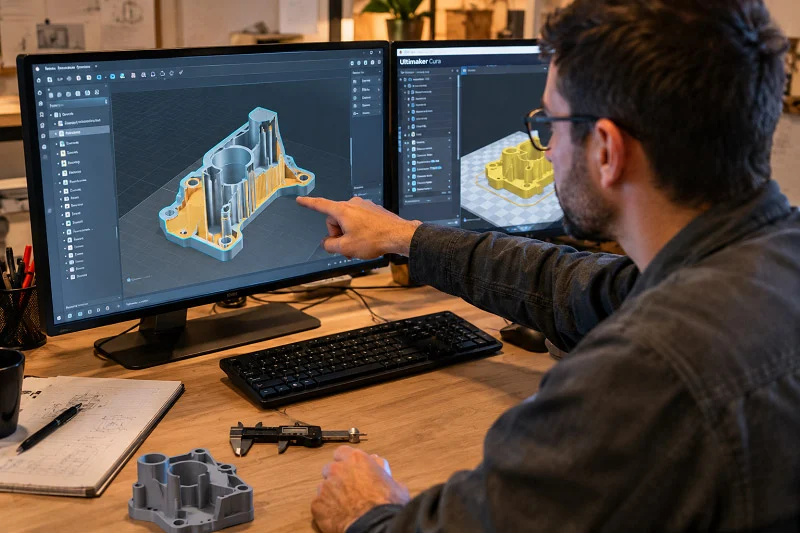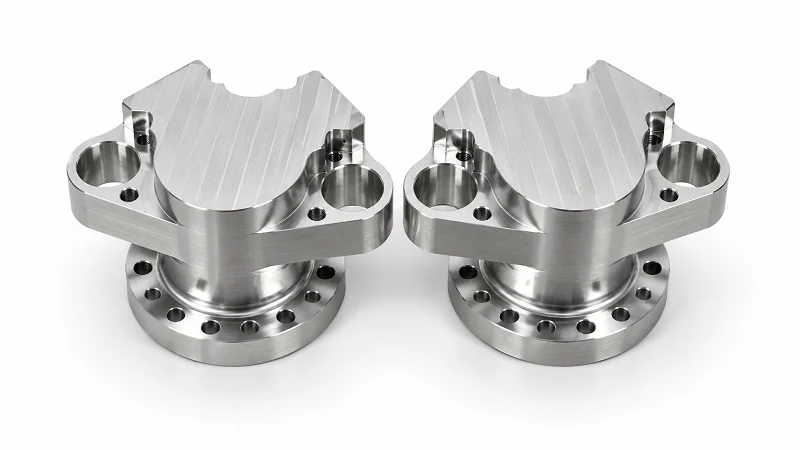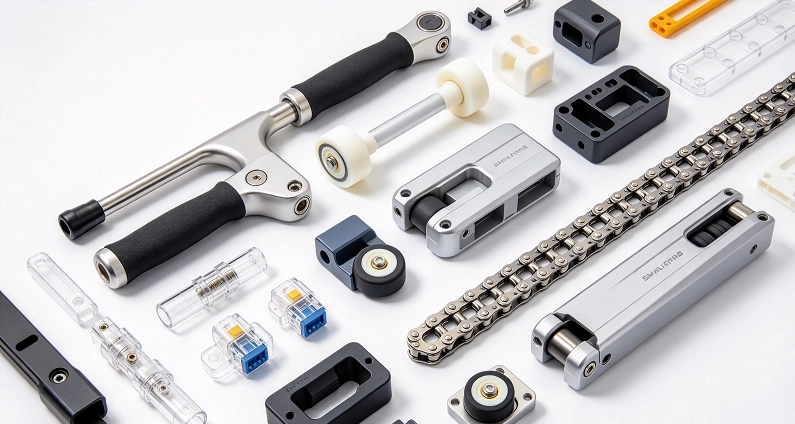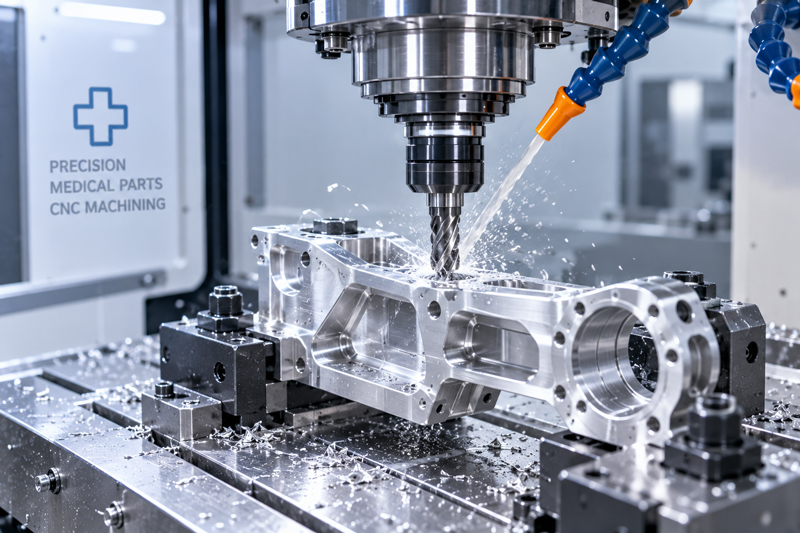
7075 aluminum alloy is an aluminum alloy with zinc as its main alloying element. It has excellent mechanical properties, demonstrating good ductility, high strength, toughness, and good fatigue resistance. Due to microscopic segregation, it is more prone to embrittlement than many other aluminum alloys, but its corrosion resistance is clearly better than 2000 series aluminum alloys. It is one of the most commonly used aluminum alloys for high-stress structural applications. It is not only widely used in aerospace. Today, it has also become a popular choice in the medical robotics field.
1. Properties of Medical-Grade 7075 Aluminum Alloy
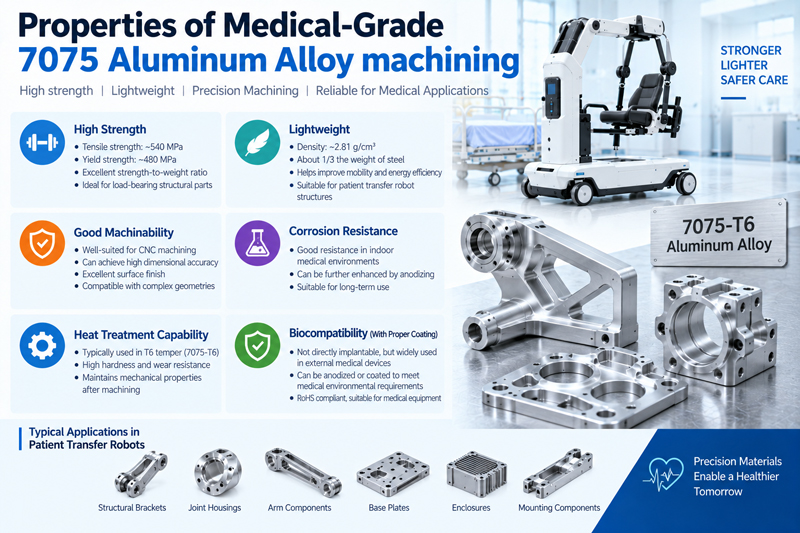
Medical-grade 7075 aluminum alloy features high strength, low density, corrosion resistance, and good processing performance. It is one of the commonly used aluminum alloy materials in high-performance medical devices and precision medical components. It is mainly based on aluminum and contains alloying elements such as zinc, magnesium, and copper. Through reasonable heat treatment processes, it can achieve high tensile strength and yield strength while maintaining a relatively light material weight. It has obvious advantages in application scenarios with high requirements for strength and portability.
1.1 Ultra-High Strength
In the T6 heat treatment state, the tensile strength of 7075 aluminum alloy can reach 570MPa, and the yield strength is approximately 503MPa.This value has approached or even exceeded that of some steels (such as the tensile strength of 304 stainless steel, which is approximately 515MPa), while its density is only one-third that of steel (2.8g/cm³ vs 7.9g/cm³). This means that under the same strength requirements, the weight of 7075 parts is only one-third of steel parts.
1.2 Excellent Fatigue Resistance
The joint and transmission parts of medical robots endure millions of repeated loads during long-term use. The fatigue strength of 7075 aluminum alloy is about 160MPa. This is much higher than that of 6061 aluminum alloy (about 95MPa). It can effectively resist the initiation and propagation of micro-cracks caused by repeated motion. Research data shows that the fatigue limit of 7075 aluminum alloy after optimized heat treatment can be maintained within the range of 150- 170 MPa under 10⁷ cycle loads, which is sufficient to meet the strict long-term reliability requirements of surgical robots and exoskeleton systems.
1.3 Good Hardness and Wear Resistance
T6-tempered 7075 aluminum alloy has a Brinell hardness of about 150-180HBW. After hard anodizing, the surface hardness can increase to 400-600HV. This significantly improves scratch resistance and wear resistance.
1.4. Excellent low-temperature performance
Unlike some steels that undergo brittle transformation at low temperatures, the strength of 7075 aluminum alloy actually increases in low-temperature environments. At -196℃, its tensile strength can reach over 590MPa, making it suitable for medical scenarios involving cryotherapy.
1.5 Performance Comparison
| Material | Tensile Strength (MPa) | Density (g/cm³) | Specific Strength (MPa·cm³/g) | Fatigue Strength (MPa) |
| 7075-T6 Aluminum Alloy | 570 | 2.80 | 204 | 160 |
| 6061-T6 Aluminum Alloy | 310 | 2.70 | 115 | 95 |
| 304 Stainless Steel | 515 | 7.93 | 65 | 240 |
2. Comparison of Medical-Grade 7075 Aluminum Alloy with Other Materials
2.1 7075 vs 6061
6061 and 7075 are the two most commonly used aluminum alloys in the medical robotics field. The core differences between them are as follows:
2.1.1 Strength and Specific Strength
7075-T6 has a tensile strength of 570MPa. This is about 1.8 times that of 6061-T6 (310MPa). Its specific strength (204) is 1.8 times that of 6061 (115). Under the same weight, it can bear higher loads. This makes it especially suitable for load-bearing structural parts that require extreme light weighting, such as surgical robot joint housings and exoskeleton frames.
2.1.2 Machining and welding performance
The hardness and strength of 6061 are relatively low, and its machinability is better than that of 7075, with less tool wear.6061 has good weldability and its strength can be restored after heat treatment after welding. However, 7075, due to its high zinc content, is prone to cracking after welding and is generally regarded as non-weldable. The main connection methods rely on bolts or riveting.
2.1.3 Corrosion resistance
The corrosion resistance of 6061 is superior to that of 7075, and it performs more stably in medical disinfection environments and humid conditions. The corrosion resistance of 7075 needs to be enhanced through surface treatments such as anodizing.
2.1.4 Application Selection Guide
| Selection Scenario | Recommended Material |
| Extreme light weighting, high-load structural parts | 7075-T6 |
| Frames that need welding assembly | 6061-T6 |
| Complex surfaces, deep cavity machining | 6061-T6 |
| Long-term exposure to disinfectants | 6061 (after anodizing) |
2.2 7075 vs 2024
Similar to 7075 aluminum alloy, 2024 aluminum alloy is also frequently used in the aerospace field, especially in the manufacturing of aircraft wings and fuselages. Its high-strength characteristics make it highly suitable for these applications.2024 aluminum alloy is suitable for applications that require high fatigue resistance, while 7075 aluminum alloy is suitable for applications that require high stress/strain resistance.
The welding properties of these two alloys are similar. Spot welding or flash welding can be used, but arc welding and gas welding are not recommended. Their processing performances are also similar. The processing performance of 2024 is slightly better, while the corrosion resistance of 7075 is slightly better.
3. Applications of 7075 Material in Medical Robots
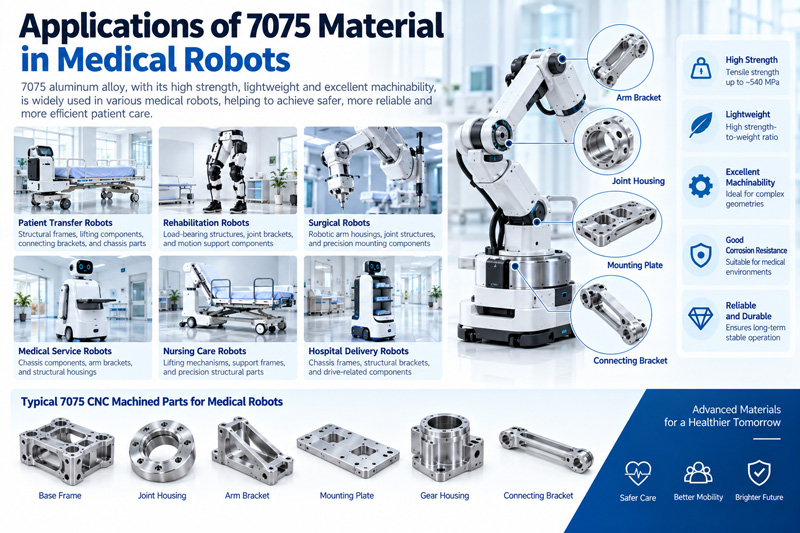
3.1 Structural components of surgical robots
Surgical robots have extremely high requirements for the precision and stability of mechanical arms. At the same time, they need to integrate multiple drivers and sensors within a limited space, posing a dual challenge to the lightweight and rigidity of structural components.
Application case: The joint housing of the robotic arm, the reducer mounting seat, and the end effector bracket of the laparoscopic surgical robot widely adopt 7075-T6 aluminum alloy. Its tensile strength of 570MPa enables the wall thickness of the joint housing to be reduced to 2- 3 mm, significantly lowering the moment of inertia while ensuring rigidity and enhancing the response speed and positioning accuracy of the robotic arm.
Key requirements: The coaxiality of the bearing installation hole should be no more than 0.01mm, the flatness of the installation surface should be no more than 0.02mm, and the surface hardness after hard anodizing should be no less than 400HV to withstand repeated disinfection.
3.2 Orthopedic navigation and Positioning system
Orthopedic surgical navigation systems (such as spinal surgery robots and joint replacement navigation) require highly rigid positioning frames and patient fixation devices to ensure intraoperative guidance accuracy.
Application case: The positioning frame and patient fixation stent in domestic equipment such as the Dimensity orthopedic robot are made of 7075-T6 aluminum alloy. Through topology optimization, a lightweight design is achieved, reducing the weight of structural components by approximately 34% while meeting the strength requirements.
Key requirements: Long-term stability without deformation; the material should be non-magnetic (suitable for MRI-compatible systems), and the surface treatment should be able to withstand wiping with chlorine-containing disinfectants.
3.3 Rehabilitation exoskeleton frame
Rehabilitation exoskeletons are typical wearable devices, and the self-weight of the device directly affects the fatigue level and rehabilitation effect of the user. Lightweighting is the most core demand in this field.
Application case: The thigh support arm, calf connecting rod, and pelvic module of the lower limb rehabilitation exoskeleton are made of 7075-T6 aluminum alloy, which combines high strength and low weight. Combined with the honeycomb-shaped material removal and window-type weight-reduction hole design, the overall weight of some models can be controlled within 8- 12 kg.
The key requirement is that deformation control in thin-walled processing is the main difficulty. It is necessary to separate rough and finish processing, reserve an allowance of 0.2- 0.5 mm to release stress, and use special fixtures such as vacuum suction cups.
3.4 Radiotherapy Equipment Structural Components
In radiotherapy equipment (such as Gamma Knife and proton therapy systems), structural parts must maintain dimensional stability in strong radiation environments. They also have special requirements for material magnetism and density uniformity.
Application Case: Some patient positioning systems and collimator brackets use 7075 aluminum alloy instead of steel. This reduces overall equipment weight. It also reduces X-ray scattering that affects treatment accuracy.
Key Requirements: Materials must pass dimensional stability verification in high-energy radiation environments. Surface treatment must resist radiation aging.
3.5 Key Challenges in Machining Medical Robot Parts
Although 7075 aluminum alloy has excellent performance, it still faces many challenges in medical robot part machining:
3.5.1 Thin-walled deformation control:
Medical robot parts generally adopt thin-walled structures to reduce weight. However, during the cutting process of 7075 aluminum alloy, the release of internal stress can cause parts to warp or hole spacing to drift. The solutions include: adopting a symmetrical allowance removal strategy, natural aging for 24 to 48 hours after rough machining, and using vacuum suction cups to disperse the clamping force during finish machining.
3.5.2 Surface integrity:
Medical parts have strict requirements for surface quality. Improper cutting parameters can lead to residual tensile stress or microcracks on the surface, affecting fatigue life. The cutting speed, feed rate, and tool geometry Angle must be strictly controlled.
3.5.3 Dimensional stability:
The coefficient of thermal expansion of 7075 aluminum alloy (23.6×10⁻⁶/°C) is higher than that of steel. In environments with significant temperature variations, dimensional compensation should be considered, or fine processing should be carried out under constant-temperature workshop conditions.
3.6 Industry Trends and Prospects:
As medical robots move toward being lighter, smaller, and more intelligent, the application of 7075 aluminum alloy is extending from structural parts to a wider range of areas. Future trends include:
- Composite Material Replacement: Development of carbon fiber reinforced 7075 composites. This is expected to further improve specific strength and fatigue resistance.
- Additive Manufacturing: Maturation of 7075 aluminum alloy 3D printing technology. This will enable more complex topology-optimized structures and customized implants.
- Surface Functionalization: Through micro-arc oxidation, laser surface treatment, and other technologies, 7075 surfaces can be given antibacterial and anti-thrombotic biological functions.
4. Machining Processes for 7075 Material in Medical Robots
7075 aluminum alloy is widely used in medical robot part manufacturing. Its high strength and lightweight characteristics make it an ideal choice for surgical robot joint housings, rehabilitation exoskeleton frames, and orthopedic navigation structural parts. To achieve high-precision machining of 7075 material, the following four processes are core methods:
4.1 CNC Milling
CNC milling is the most crucial processing method for 7075 aluminum alloy parts, suitable for complex structural components such as joint housings, sensor brackets, and frame connectors. The high strength of 7075 means a relatively large cutting force, so high-rigidity machine tools and sharp hard alloy cutting tools should be selected. During the milling process, a large feed rate should be used in the rough machining stage to quickly remove the allowance, but the cutting heat needs to be controlled to avoid tool wear. During the finishing stage, the surface quality is guaranteed by adopting a strategy of low cutting depth and high rotational speed, and the roughness of the key mounting surface can reach Ra 0.8-1.6μm. For thin-walled shells, a symmetrical blanking strategy should be adopted to prevent workpiece deformation, and internal stress should be gradually released through multiple semi-finishing processes.
4.2 Multi-axis linkage machining
The joint housing and end effector brackets of medical robots often have complex curved surfaces and irregular features, which require the use of 4-axis or 5-axis linkage machining centers to complete multi-surface processing in one clamping. Five-axis machining can eliminate the cumulative errors caused by multiple flips in traditional three-axis machining, ensuring the coaxiality of the bearing hole and the positional accuracy of the installation surface. When performing multi-axis machining on 7075 aluminum alloy, attention should be paid to optimizing the tool path to avoid surface vibration marks or tool chipping caused by sudden changes in the cutting direction.
4.3 Precision Drilling
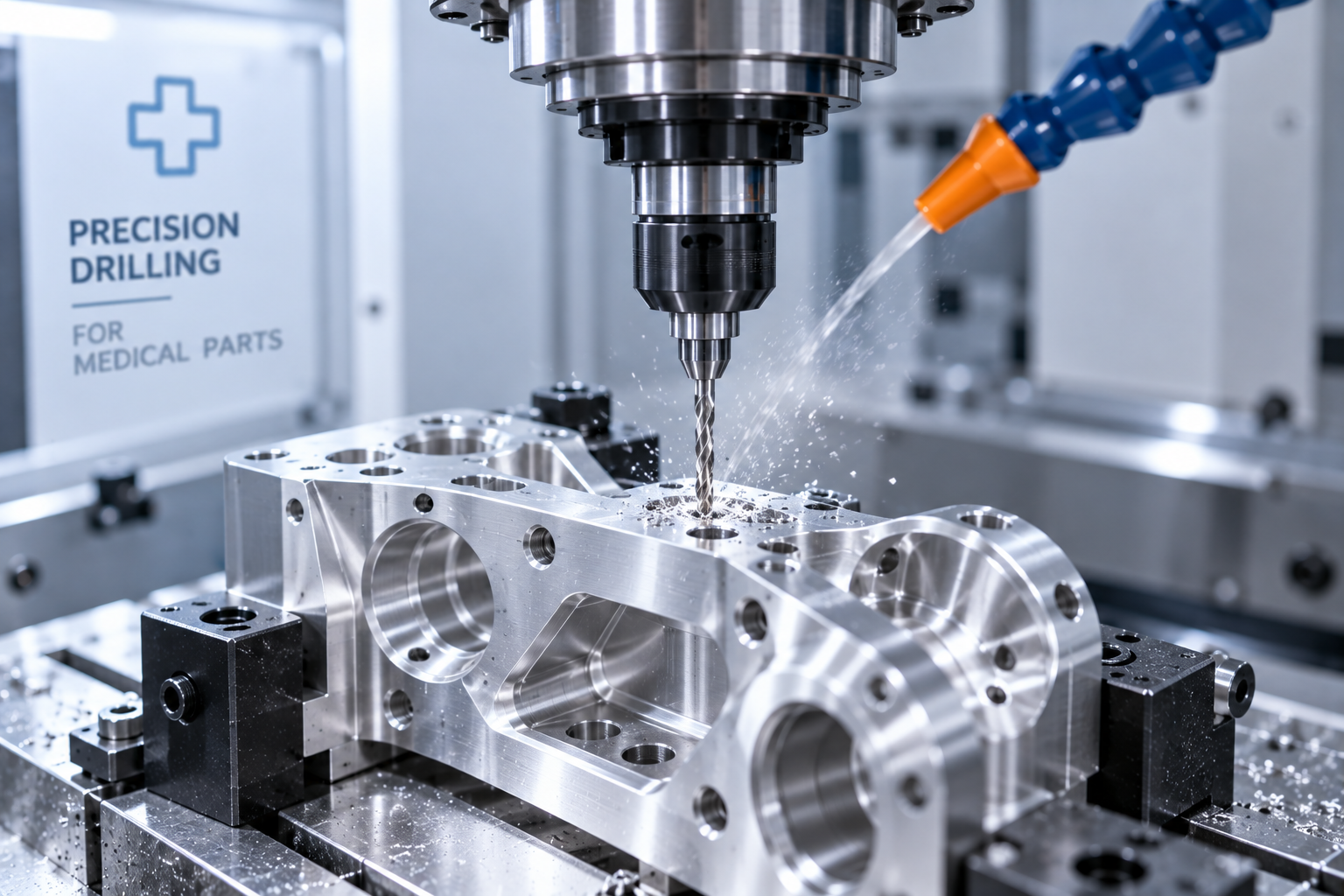
There are a large number of precise holes in medical parts, which are used for bearing installation, sensor positioning, and threaded connections. Precision drilling of 7075 requires strict control of the hole diameter tolerance (usually ±0.01mm) and the roughness of the hole wall. Reaming or boring processes should be adopted to ensure the consistency of the hole diameter. During deep hole processing, pecking drilling with chip-removal circulation should be used in combination with high-pressure internal cooling to prevent chip blockage and damage to the hole wall.
| Process | Key Control Points | Tolerance Range |
| CNC Milling | Thin-wall deformation, surface quality | ±0.01-0.05mm |
| CNC Turning | Roundness, concentricity | ±0.005mm |
| Multi-Axis Machining | Positional accuracy, surface quality | ±0.01mm |
| Precision Drilling | Hole diameter consistency, roughness | ±0.01mm |
5. Post-Processing of 7075 Material in Medical Robots
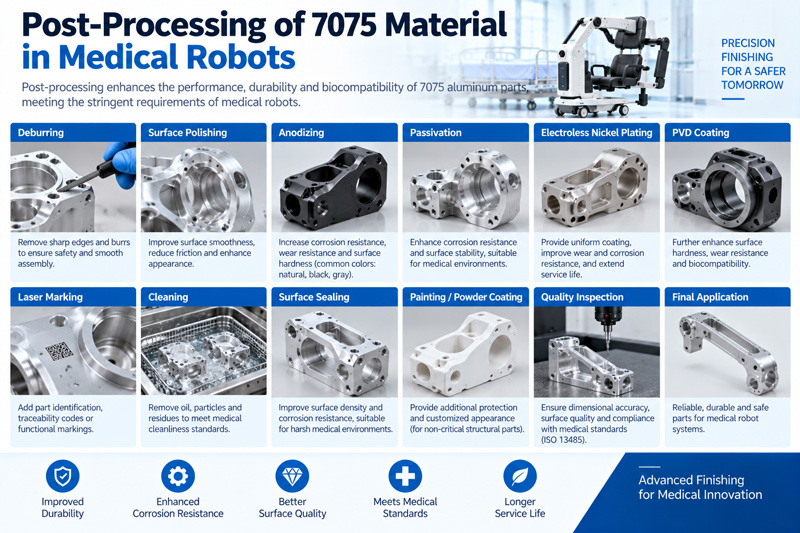
After CNC machining, 7075 aluminum alloy parts typically require a series of post-processing steps. These improve corrosion resistance, wear resistance, surface quality, and biocompatibility. This meets the strict requirements of medical robots for long-term reliability and human contact safety.
5.1 Hard anodizing
Hard anodizing is the most common and important post-treatment method for 7075 medical parts.
Process principle:
The part is used as the anode and undergoes electrolytic oxidation in a sulfuric acid electrolyte to form a dense ceramic film of aluminum oxide (Al₂O₃) on the surface.
Key parameters:
- Oxide film thickness:> 15 μm (standard for medical structural components), and can reach 40-60μm in high-intensity wear areas
- Surface hardness: It can reach 400-600HV, which is much higher than the substrate (about 150HBW).
- Corrosion resistance: The salt spray test can last for over 500 hours without obvious corrosion
The value of medical robots:
- Significantly enhances the wear resistance of the joint housing and frame surface, withstanding the wear of millions of movements
- Resists the chemical erosion of operating room disinfectants (chlorine-containing disinfectants, alcohol, hydrogen peroxide)
- The porous structure of the oxide film can serve as a good base for paints or lubricating coatings
Precautions: Hard anodizing will slightly increase the size of the parts (about 50% of the film thickness grows outward and 50% penetrates inward). For precision mating surfaces, a machining allowance of 0.02- 0.05 mm should be reserved.
5.2 Micro-Arc Oxidation (MAO)
Micro-arc oxidation is a more advanced surface treatment technology than hard anodizing, and its application on 7075 medical parts is gradually increasing.
Process features:
- The thickness of the oxide film can reach 100-200μm, which is 2-4 times that of hard anodizing
- The surface hardness can reach 1500-2000HV, approaching the ceramic level
- The oxide film is metallurgically bonded to the substrate, with extremely high bonding strength, and is not easy to peel off
Medical application:
- Joint bearing housings and locating pins with extremely high wear resistance requirements
- Exposed structural components that need to withstand repeated disinfection and mechanical cleaning
- It can be used as a carrier for antibacterial coatings (silver-loaded micro-arc oxidation), endowing the surface with active antibacterial functions
Limitation: The surface is relatively rough after micro-arc oxidation (Ra 1.0-2.0μm), and it is necessary to evaluate whether subsequent fine grinding or polishing is required based on the function of the part.
5.3 Chemical Polishing and Electropolishing
For 7075 parts that contact human skin or soft tissue, surface smoothness directly affects wearing comfort and cleaning convenience.
Process Comparison:
| Process | Principle | Surface Effect | Medical Application |
| Chemical Polishing | Chemical solution dissolves surface micro-protrusions | Ra can reach 0.2-0.4μm | Inner surfaces of exoskeletons that contact skin |
| Electropolishing | Electrochemical dissolution, removes machining-affected layer | Ra can reach 0.05-0.1μm | Surgical instrument handles, sensor housings |
Value for Medical Robots:
- Removes machining marks and tiny burrs. Reduces bacterial attachment points.
- Reduces skin friction. Improves wearing comfort.
- Electropolishing removes residual stress layers and micro-cracks from cutting. Improves fatigue life.
5.4 Passivation and Sealing Treatments
Passivation and sealing treatments are necessary supplementary processes after anodizing or micro-arc oxidation.
Sealing Treatment: Sealing with hot water, steam, or nickel/cobalt salts fills the micropores of the oxide film, further improving corrosion resistance and preventing discoloration. Medical parts typically use hot water or steam sealing to avoid biocompatibility risks from heavy metal salt residues.
Passivation Treatment: Chemical passivation is performed on the non-oxidized surfaces of 7075 (such as precision mating surfaces and threaded holes) to form a thin, dense passivation film, preventing contact corrosion.
5.5 Coatings
| Coating Type | Function | Typical Application |
| PTFE Coating | Friction reduction, self-lubricating | Joint sliding surfaces |
| DLC Coating | Ultra-high hardness, low friction | High-precision motion mating surfaces |
| Silver-Containing Antibacterial Coating | Actively kills surface bacteria | Rehabilitation equipment handles, contact surfaces |
| Medical-Grade Polyurethane Coating | Improves tactile feel, electrical insulation | Handheld part outer surfaces |
7075 material itself does not have antibacterial properties. In scenarios requiring active antibacterial or surface functionalization, coatings are needed.
Medical Requirement: All coatings must pass ISO 10993 biocompatibility testing. This ensures no release of cytotoxic substances.
5.6 Quality Inspection and Verification
After post-treatment, 7075 medical parts must pass the following tests before leaving the factory:
5.6.1 Coating quality inspection
Measurement of oxide film thickness:
The oxide film thickness is measured by eddy current or metallographic methods to ensure it is> 15 μm
Hardness testing:
Micro-Vickers hardness testing for measuring surface hardness
Adhesion test:
Cross-cut test or drop test to verify the adhesion of the coating
5.6.2 Corrosion resistance verification
Salt spray test:
Generally, no obvious corrosion is required for ≥168 hours (in accordance with ASTM B117)
Sterilization cycle test:
Simulate high-temperature and high-pressure sterilization and chemical disinfectant immersion to verify surface stability
5.6.3 Dimension remeasurement
Post-processing may have a slight impact on the size
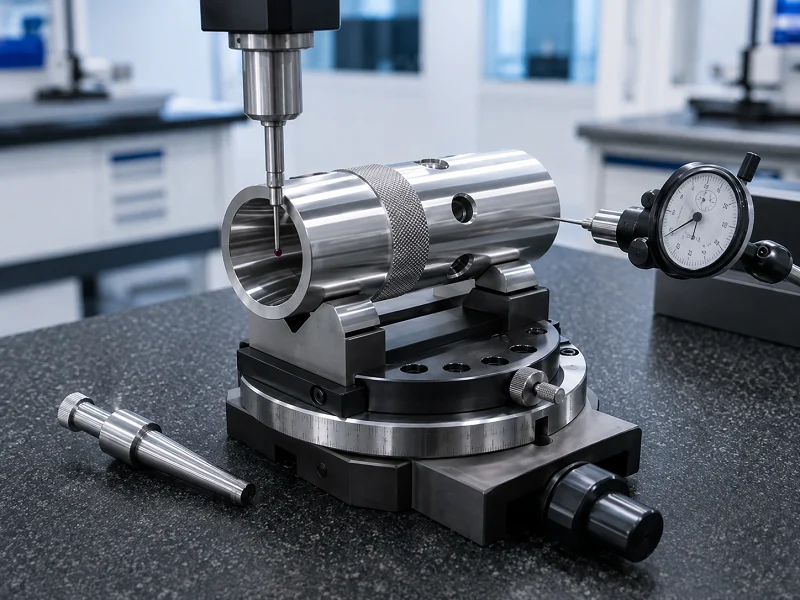
The key mating surfaces must be remeasured using a CMM coordinate measuring machine.
5.6.4 Dimension remeasurement
Post-processing may have a slight impact on the size. The key mating surfaces must be remeasured with a coordinate measuring machine.
Confirm that the dimensional changes are within the tolerance range before assembly.
6. Why choose NOBLE as your medical parts manufacturer?
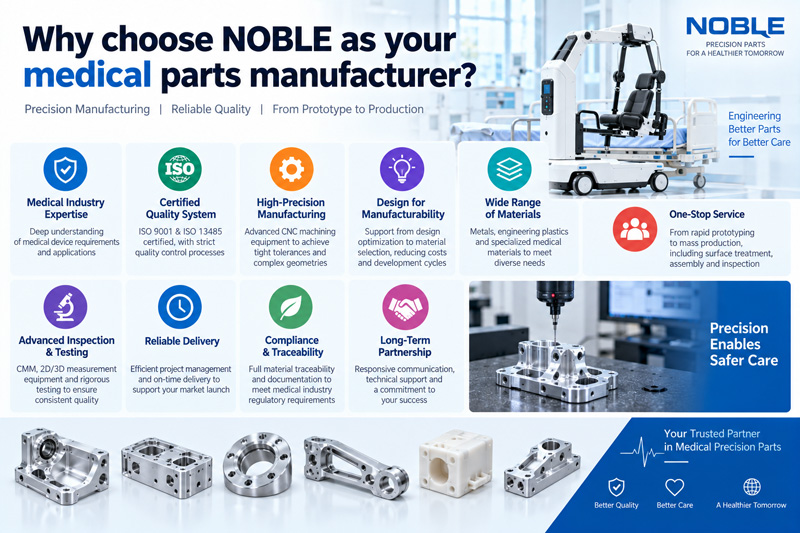
NOBLE is a certified metalworking company with over 12 years of experience in manufacturing high-quality metal components.
From our locations in Shenzhen, China, we provide sheet metal processing and precision mechanical components for the automotive, robotics, and medical industries. Since 2012, we have acted as a trusted partner for manufacturers of components for industrial vehicles and Robot parts, offering a full production path from initial processing through to finished parts.
What makes us different is our focus on technological innovation and constant improvement. By pairing advanced automation with expert craftsmanship, we ensure every component satisfies rigorous quality standards. Our facilities are certified to ISO 9001 and ISO 13485, reinforcing our commitment to quality management, environmental responsibility, and workplace safety.
This gives companies like yours a reliable partner for consistent, high-precision components, complete traceability, and full compliance with international standards. From complex sheet metal fabrications to mechanical components for demanding uses, our team is equipped to meet your production goals.
F&Q
1. What is the best aluminum alloy for CNC machining?
Aluminium 6082 is the highest strength in the 6000 series and, overall, a medium-strength commercial alloy. In plate form, it has become the most widely CNC-machined aluminium alloy due to its low cost and good machinability, with high efficiency being easily obtainable.
2. What are the applications of 7075 aluminium alloy?
7075 is also referred to as an “aircraft-grade” alloy because it has one of the highest-strength aluminium alloys on the market. It’s used for spacecraft, aircraft, missiles, and other defence applications.
3. Is 7075 aluminum harder to machine than 6061?
Yes. 7075 machines well, but its higher strength can increase tool wear compared with 6061.
4. Can you weld 7075 aluminum?
7075 is generally not recommended for welding because welding can reduce mechanical properties and increase cracking risk.
5. Why is 7075 aluminum alloy widely applied in the medical device field nowadays?
7075aluminum alloy features outstanding specific strength, combining high strength and lightweight. It supports precise CNC machining and withstands repeated sterilization after surface treatment, and is widely used for high-load structures of medical robots and devices.