Introduction: Why Carbon Fiber is the Material of the 21st Century
Walk into any factory that builds high-end cars or aircraft. People see carbon fiber everywhere now. It was an exotic material twenty years ago. Aerospace only. Formula One only. Now it is in laptops, fishing rods, and mass-market sedans. The shift has been fast.
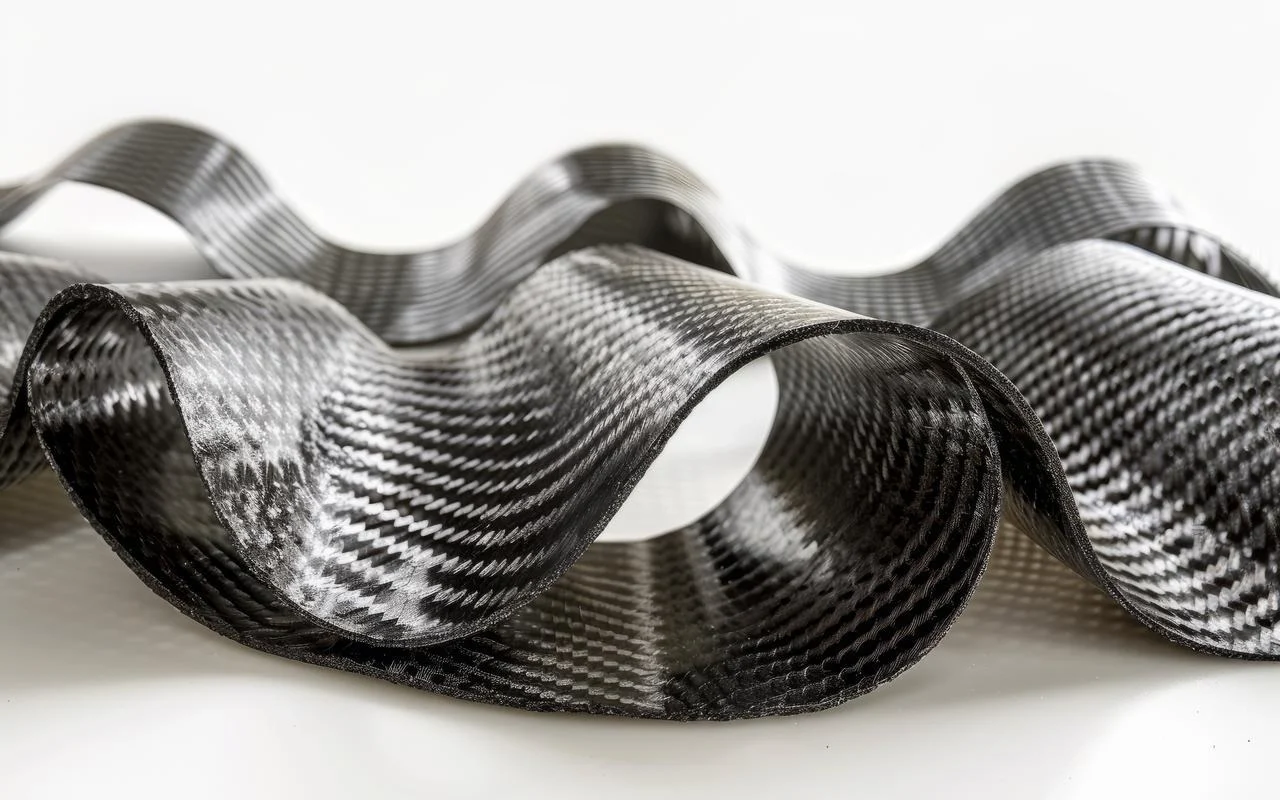
Why the rise? The value is unusual. People get three hard-to-find properties in one material. High strength that rivals steel. Low weight that beats aluminum. Temperature tolerance and chemical resistance that most metals cannot match. No other common material combines all three.
High-Impact Applications of Carbon Fiber by Industry
We often see advertisements touting the use of carbon fiber in their products. While some genuinely enhance performance, others are merely marketing gimmicks. Below, I will detail the genuine and effective applications of carbon fiber across various industries.
Aerospace & Defense
This field pioneered carbon fiber. No other industry pushed the material harder in the early days.
Commercial Aircraft
The Boeing 787 Dreamliner is about fifty percent carbon fiber by weight. The Airbus A350 is similar. People walk onto these planes every day without realizing the structure around them is mostly composite. Wings, fuselage panels, tail sections, and floor beams. The weight savings translate directly to fuel efficiency. Airlines care about that number.
Military & Drones
The F-35 Joint Strike Fighter uses carbon fiber extensively. The Predator drone series relies on it for airframe stiffness at low weight. Helicopter blades are another major application. The fatigue resistance matters more than raw strength in that cyclic loading environment.
Space Applications
Rocket motor casings need to contain high pressure without adding mass. Carbon fiber does that job. The James Webb Space Telescope used carbon fiber for its primary structure backbone. Extreme temperature swings and dimensional stability made the material choice necessary, not optional.
Why here? Weight savings drive everything. Every kilogram saved in an aircraft saves thousands of dollars in fuel over the lifespan. For military applications, payload capacity increases directly. A lighter airframe carries more weapons or more sensors.
Automotive & Motorsports
This industry adopted carbon fiber later than aerospace. The cost was prohibitive for decades. That has changed, but only at the high end.
Motorsports
Formula One monocoques are the safety cell that surrounds the driver. Those are carbon fiber. Suspension arms, driveshafts, brake ducts, wing elements. Teams spend millions shaving grams. A few tenths of a second per lap justifies exotic materials.
Supercars and EVs
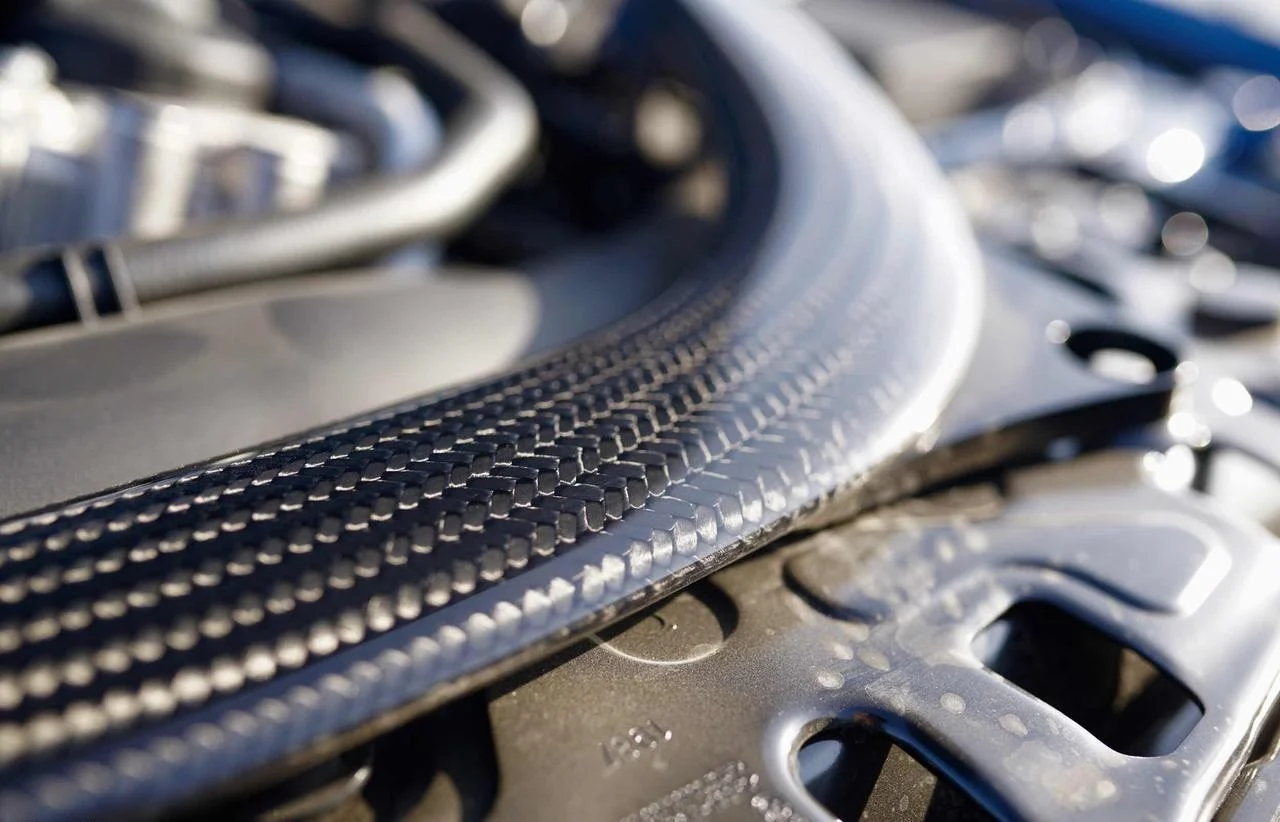
McLaren builds entire passenger cars around carbon fiber tubs. Ferrari uses it extensively in limited-production models. Electric vehicles have discovered a new reason for carbon fiber. Battery packs are heavy. A carbon fiber battery enclosure offsets some of that weight. Range improves without adding more cells.
Aftermarket
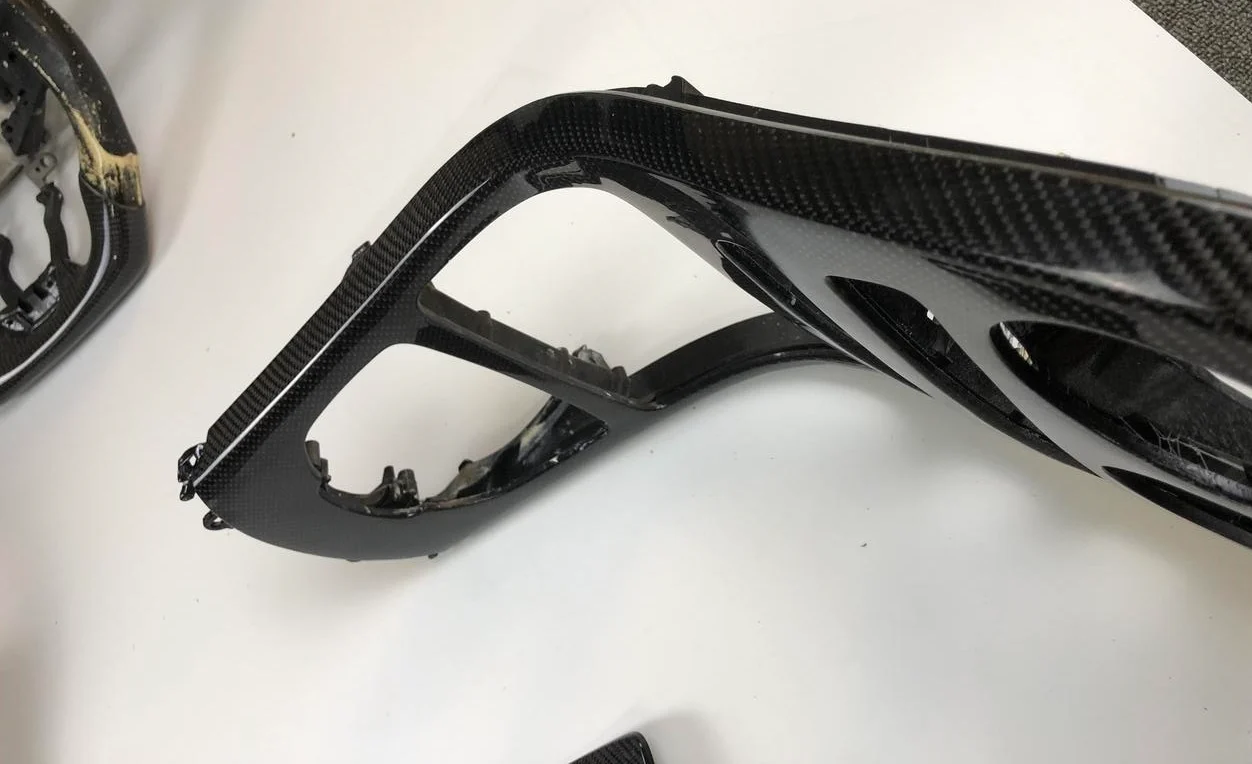
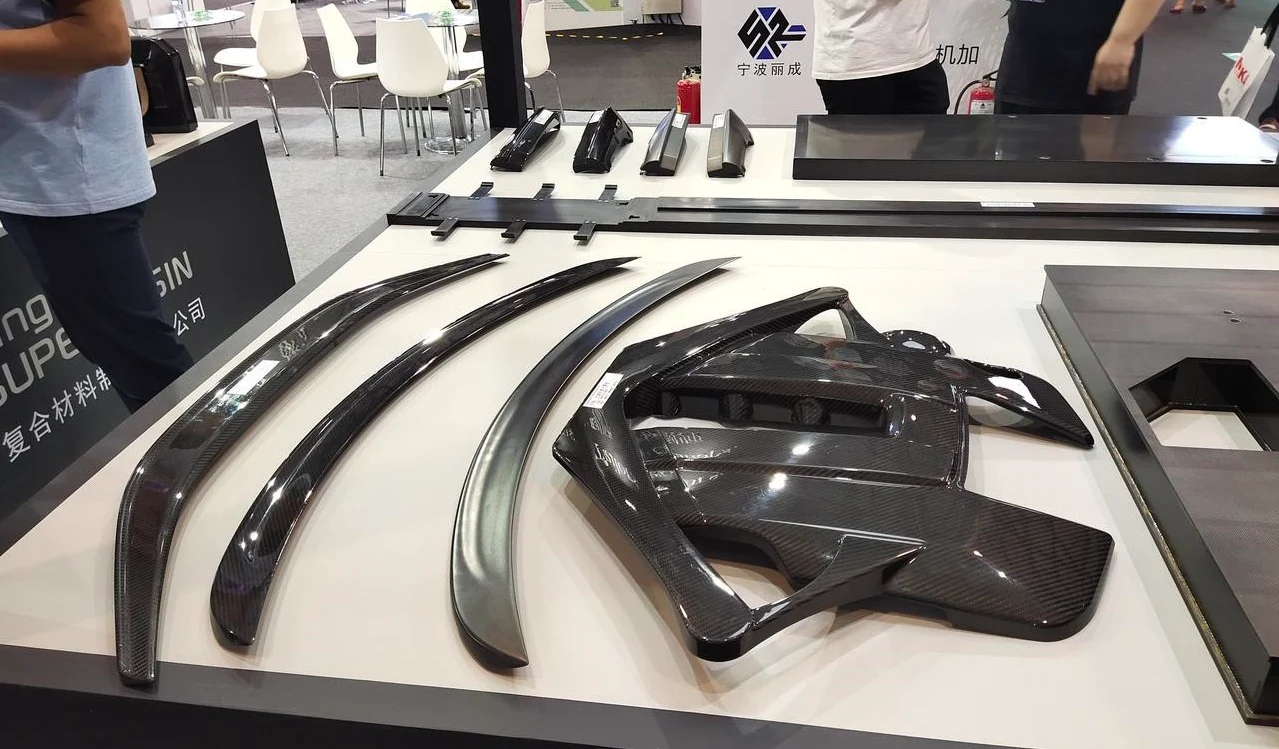
People buy carbon fiber hoods, spoilers, and diffusers for ordinary cars. Most of these parts are cosmetic. The weight savings are real but small. The visual appeal drives sales more than performance. Factories producing aftermarket parts operate at a different scale than aerospace suppliers.
The automotive logic differs from aerospace. Cost per kilogram saved is higher. Customers accept that trade-off for performance or appearance. Mass-market electric vehicles are still waiting for carbon fiber to become cheap enough for structural applications. That day has not arrived yet.
Renewable Energy
People do not usually think of wind turbines first. But the renewable energy sector has become the largest industrial user of carbon fiber by volume. The number surprised many analysts.
Wind Energy
Wind turbine blades keep getting longer. A longer blade captures more energy. But a longer blade made from fiberglass becomes too heavy. The weight causes structural problems. The solution is carbon fiber. Spars are the internal structural beams inside wind blades. For offshore mega-turbines with blades over one hundred meters, carbon fiber spars are nearly mandatory. The material provides stiffness without the mass penalty. People building these turbines buy carbon fiber by the ton, not by the kilogram.
Hydrogen Economy
This is a newer but fast-growing application. Hydrogen fuel cell vehicles store gas at seven hundred bar. That is extremely high pressure. Type IV pressure vessels use a carbon fiber wrap over a polymer liner. Type V vessels are all-composite with no liner. Both designs rely on carbon fiber for burst strength. The weight savings matter here, too. A heavy hydrogen tank defeats the purpose of a lightweight vehicle. As more people push hydrogen for heavy trucking and industrial applications, carbon fiber demand from this sector will rise significantly.

Sports & Recreation
This is where many people first encountered carbon fiber. Not on an airplane. On a bicycle or a tennis racket.
Bicycles
A carbon fiber bike frame weighs less than an aluminum. It also absorbs road vibration differently. Stiffness can be tuned by laying up specific fiber orientations. People debate carbon versus aluminum endlessly online. The performance difference is real but small for recreational riders. For competitive cyclists, every gram matters. The market has split. Budget bikes use aluminum. Mid-range and high-end bikes use carbon fiber.
Other Sports Gear
Tennis rackets moved to carbon fiber decades ago. Lighter rackets mean faster swing speeds. Golf shafts use carbon fiber for consistent flex and reduced weight. Fishing rods are almost exclusively carbon fiber now, outside of entry-level products. Skis incorporate carbon fiber layers for torsional stiffness without adding weight. Rowing oars use it to reduce fatigue over long races.
A Note on Material Grades
People shopping for sports gear encounter terms like “high modulus” and “standard modulus.” High modulus fibers are stiffer. They also tend to be more brittle and expensive. Standard modulus fibers are less stiff but tougher and cheaper. Most bicycle frames use standard modulus. High-end frames might mix both. A fishing rod needs a different balance than a golf shaft. The material selection is not one-size-fits-all. Manufacturers choose grades based on the loading profile and target price point.
Civil Engineering & Infrastructure
Steel rusts. That is the simple problem carbon fiber solves here. Water and salt destroy conventional reinforcement over time. The repair costs are enormous.
Structural Reinforcement
Old concrete columns and bridges need help. Seismic retrofits wrap failing structures with carbon fiber sheets. The process is straightforward. Clean the surface. Apply epoxy. Wrap the column. The carbon fiber carries tension loads that the cracked concrete no longer handles. People use this method for parking garages, highway piers, and historic buildings. The alternative is demolition and reconstruction. The wrap is cheaper and faster.
CFRP Rebar
Steel rebar corrodes inside concrete. When rust forms, it expands. The expansion cracks the concrete from the inside. This is why parking garages near oceans have constant maintenance problems. Carbon fiber reinforced polymer rebar does not corrode. It costs more upfront. Much more. But for sea walls, bridge decks, and chemical plants, the lifecycle cost can be lower. No rust means no repairs for decades. People specify CFRP rebar for applications where steel would fail within ten years. The price gap is narrowing as carbon fiber production scales up.
Medical & Consumer Electronics
These two fields are different but share a theme. Carbon fiber provides functional benefits in medical applications and aesthetic or weight benefits in electronics.
Medical Applications
MRI machines need table tops that do not interfere with the magnetic field. Metal is a problem. Carbon fiber is radiolucent. X-rays and magnetic fields pass through it with minimal distortion. The stiffness and light weight are additional benefits.
Surgical tools made from carbon fiber are lighter than metal equivalents. Surgeons performing long procedures notice the difference. Reduced hand fatigue matters.
Prosthetic running blades changed the sport. The Cheetah leg design uses carbon fiber’s spring-like behavior. An amputee runner stores energy in the blade during landing and releases it during push-off. No metal spring can match the weight-specific energy return. People competing in Paralympic events rely on this material.
Consumer Electronics
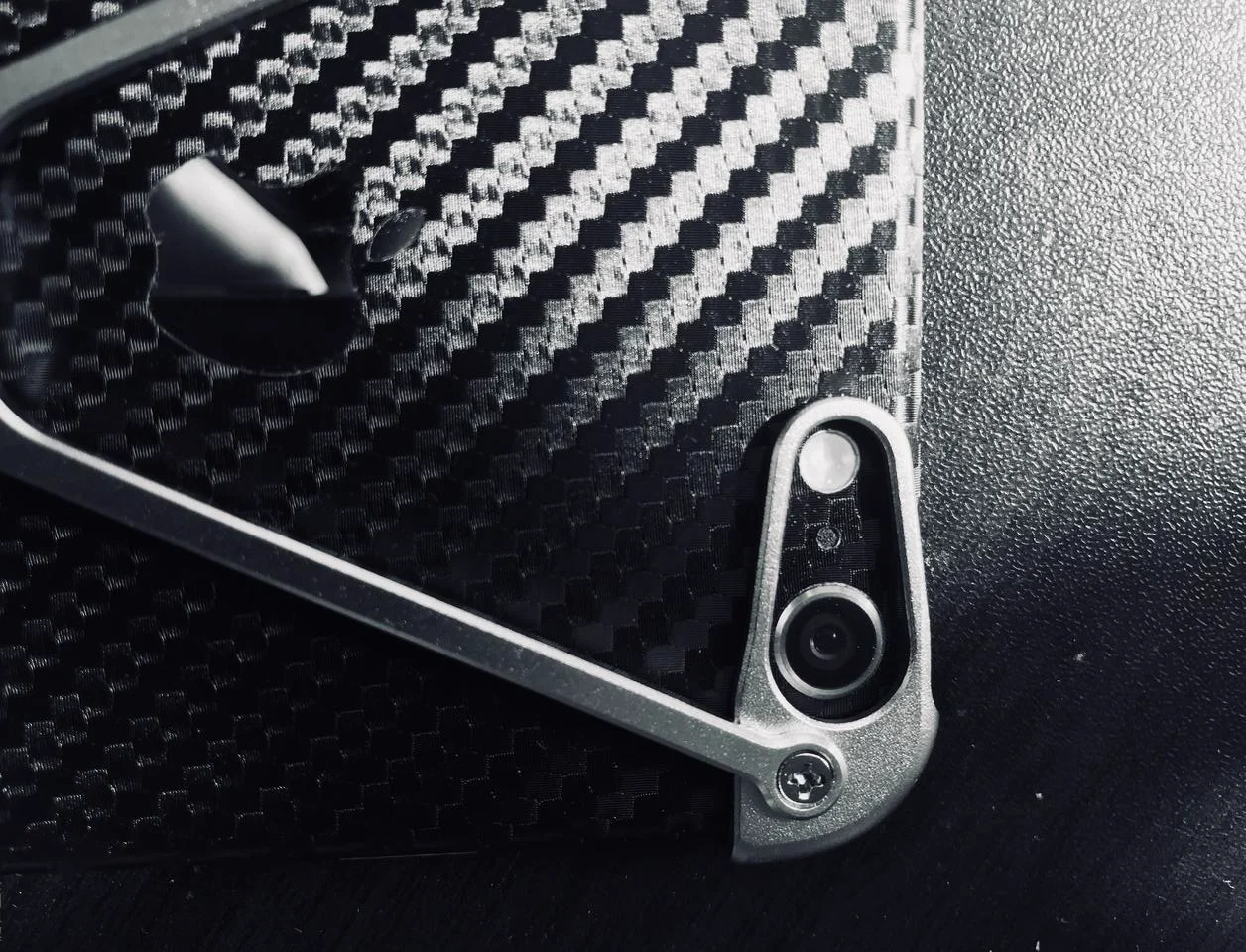
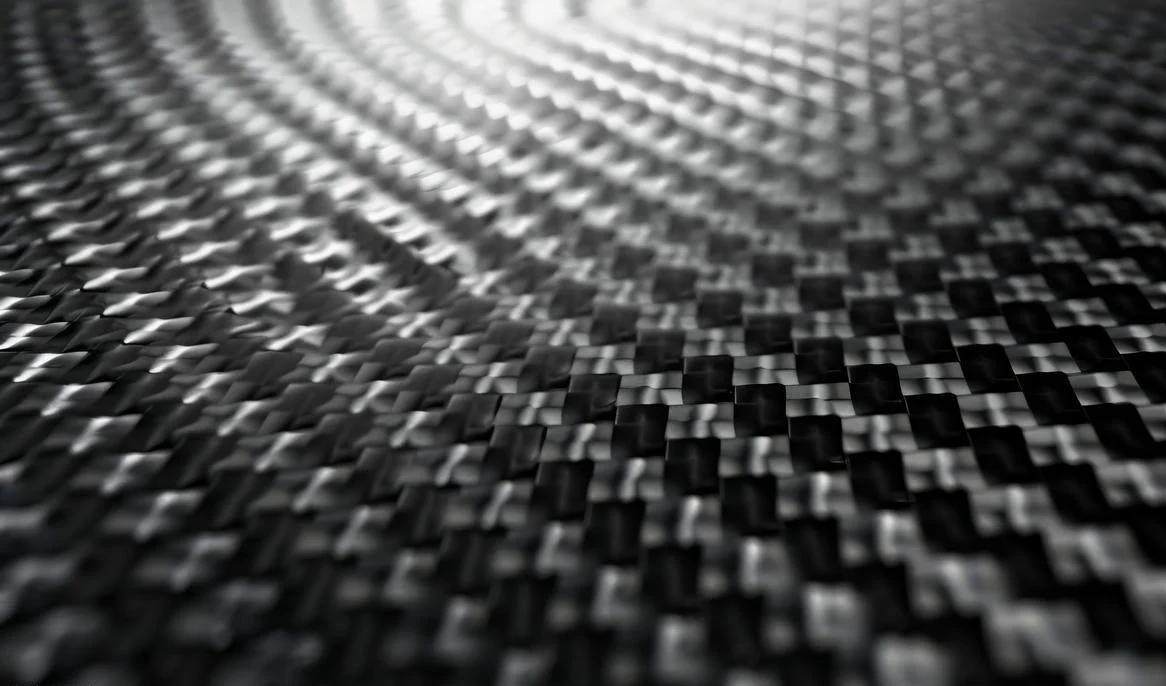
Laptops like the ThinkPad X1 Carbon use carbon fiber for the outer lid and base. The material is thin, stiff, and light. It also looks distinct from painted aluminum. People associate the weave pattern with premium quality.
Speaker cones made from carbon fiber are stiff and light. Stiffness pushes the resonant frequency higher. Lightweight improves efficiency. High-end audio brands use it for midrange and woofer cones.
Premium luggage uses carbon fiber for the hard shell. The weight savings matter for airline baggage allowances. The visual appeal matters for the buyer standing at the luggage carousel. A carbon fiber suitcase looks different from a polycarbonate one. People pay extra for that difference.
Regional Development Trends – Who Makes Carbon Fiber in 2026?
People watching this industry see a clear shift. The old guard still matters. But new players have changed the math completely.
The Global Landscape
Asia-Pacific leads. The region accounted for about 38 to 39 percent of the global market in 2025 and 2026. Volume production drives this. China is the engine.
North America holds roughly 29 percent. The focus there is different. High-value aerospace and defense work. Hexcel is a major name in that space.
Europe sits at about 21 percent. Sustainability and wind energy drive demand. SGL Carbon is a key player in that region.
Deep Dive: How China’s Carbon Fiber Industry Compares
China is now the world’s largest producer by volume. Jilin Chemical Fiber and Zhongfu Shenying lead the pack. The scale is massive. Jilin Chemical Fiber alone has a capacity exceeding sixty thousand tons across nearly thirty production lines.
The technological leap has surprised many observers. Chinese manufacturers have achieved mass production of T1000 and T1200 grade fibers. Zhongfu Shenying announced T1200 mass production in March 2026, with tensile strength exceeding 8,000 megapascals. This breaks a monopoly that Japanese companies held for decades.
Cost advantage is real and significant. Jilin Chemical Fiber’s wet-spinning process reportedly operates at a fully loaded cost of about 72,000 yuan per ton. That is roughly 5,000 yuan cheaper per ton than the dry-jet wet process used by some competitors. People in the industry estimate this translates to about seven hundred dollars per ton savings.
The dominant market for Chinese carbon fiber is wind energy. Chinese material holds more than 95 percent share in wind carbon beam applications domestically. Total domestic consumption of carbon fiber reached 62,000 tons in 2024, with domestic supply covering 47,000 tons of that. Import dependence dropped to 24 percent. By 2026, domestic consumption is projected to hit 85,000 tons, with imports falling further to 10,000 to 12,000 tons.
The Traditional Leaders: Japan, USA, and Europe
Japan remains the quality benchmark. Toray, Teijin, and Mitsubishi Chemical set the standard that others measure against. Toray’s carbon fiber business held about 12.4 percent global market share in 2024. The company supplies the majority of the carbon fiber content in Boeing and Airbus aircraft. A Boeing 787 Dreamliner is roughly 50 percent carbon fiber by weight, most of it from Toray.
The United States and Europe hold different strong positions. Hexcel is a leader in defense and space applications. SGL Carbon focuses heavily on wind energy and automotive in Europe. The certification barriers in aerospace are extreme. A new material takes five to eight years to qualify for aircraft use. Once qualified, switching costs are prohibitive. This creates a durable competitive moat.
Summary: Who Wins?
For standard industrial applications, China offers the best cost-to-performance ratio. Wind turbine blades, sports equipment, automotive parts, and industrial components. A typical T300 grade 12K carbon fiber sells for about 85 yuan per kilogram in the Chinese domestic market. Quality is sufficient for these applications. Price is unbeatable.
For critical aerospace and defense applications, Japan, the United States, and Europe remain the specified choice. Decades of proven reliability matter. Certification data matters. Brand trust matters. A customer building a commercial aircraft will not switch suppliers to save money on materials. The risk profile does not allow it.
The market has effectively bifurcated. One tier is cost-driven, high volume. The other tier is performance-driven premium value. Both are growing. Both are profitable. But the margins look very different. Aerospace-grade carbon fiber can command prices two to three times higher than industrial-grade material, with gross margins three to five times higher.

About NOBLE: Your Precision Manufacturing Partner for Metal & Plastic Parts
NOBLE is a specialized metal and plastic processing plant with years of hands-on experience. The team does not just run machines. We understand how carbon fiber, aluminum, and engineering plastics work together in a single assembly. That knowledge changes how parts get designed and made.
Our Machining Capabilities
Clients search for two main services. CNC machining for metal parts. Plastic injection molding for durable components. This shop delivers both.
Metal Processing (The Structural Backbone)
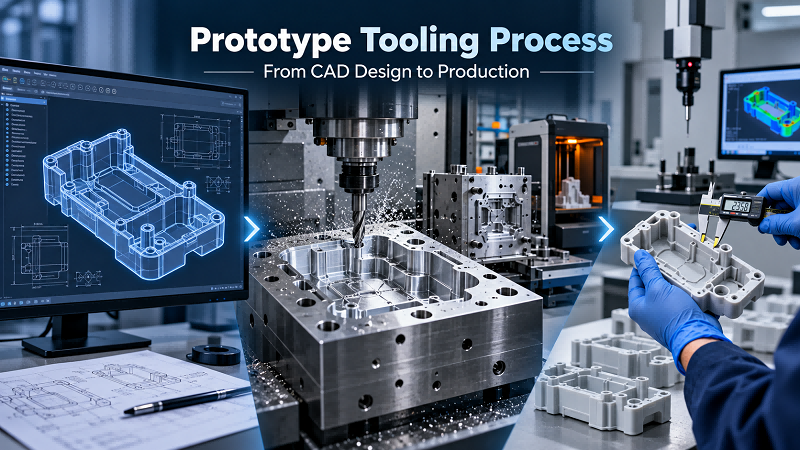
Our factory runs three-axis, four-axis, and five-axis milling centers. Complex geometries are not a problem. Undercuts, deep pockets, compound angles. The five-axis machines handle parts that would require multiple setups on simpler equipment.
Swiss-type lathes and CNC turning centers run high-volume precision shafts and fittings. Small diameter, long length, tight tolerances. Swiss machining is the right tool for those jobs.
Materials Worked
- Aluminum: 6061 and 7075. Common. Reliable. Easy to machine.
- Stainless Steel: 303, 316, and 17-4. Corrosion resistance matters for many applications.
- Titanium: Grade 5. Difficult to machine. Strong and light. Used where both properties are required.
- Brass and Copper. Electrical and decorative applications.
Plastic Processing (Lightweight & Durable Alternatives)
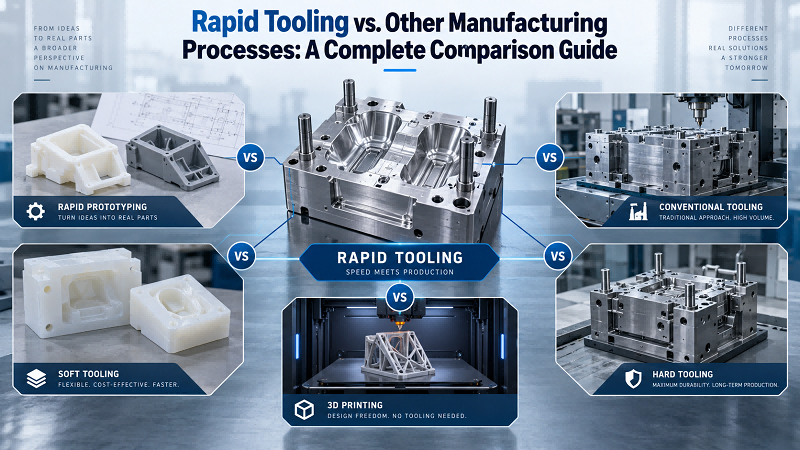
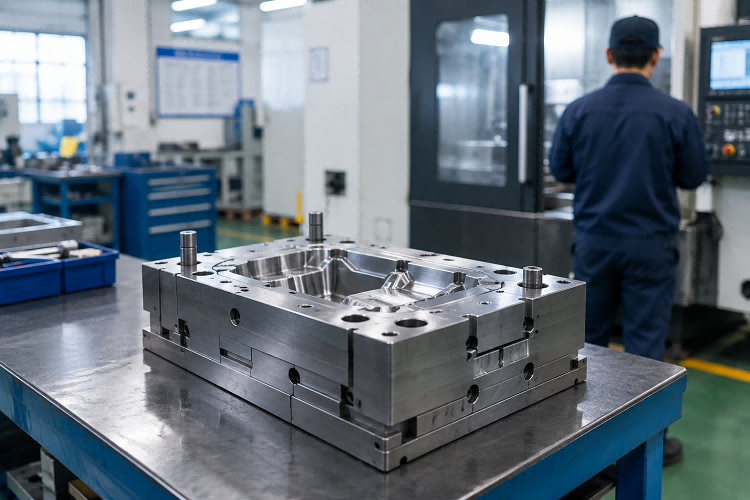
High-volume production with rapid tooling. The shop can cut aluminum molds for prototypes and bridge tooling. Steel molds for full production runs. Clients choose based on volume and budget.
Rubber grips on metal tool handles. Embedded metal nuts inside plastic housings. These processes combine materials in a single molded part. The bond is mechanical and chemical. No glue required.
Materials Worked
- PEEK and PEI (Ultem). High-temperature engineering plastics. People use them for medical and aerospace components.
- Nylon (PA6 and PA66 with glass or carbon fill). Strong. Wear-resistant. Good for structural parts.
- ABS, PC, and Delrin (POM). General-purpose plastics for housings, gears, and spacers.
FAQ
Is carbon fiber stronger than steel?
Yes, but with an important qualification. Per unit of weight, a carbon fiber part can be five times stronger than steel while weighing two-thirds less. That is the key metric. Pound for pound, carbon fiber wins. Absolute strength is a different comparison. A thick steel beam will still be stronger than a thin carbon fiber sheet.
Why is Chinese carbon fiber cheaper?
Multiple factors drive the price difference. Lower labor costs are part of it. Massive economies of scale matter more. Chinese production capacity has grown rapidly. Government subsidies for research and development have helped manufacturers get over technical hurdles faster. Optimized manufacturing processes, particularly wet-spinning, have reduced production costs.
Can carbon fiber be recycled?
Yes, but the process is not simple. People cannot melt carbon fiber like thermoplastics. Thermoset composites do not remelt. Recycling requires burning off the resin matrix or chemically dissolving it. Both methods degrade the fibers. Shorter fibers have lower strength and stiffness. Recycled carbon fiber is typically used in non-critical applications. Injection molded plastic parts with chopped fiber reinforcement. Automotive interior components. Consumer goods where absolute performance does not matter. The industry is working on better recycling methods, but no perfect solution exists yet.