Introduction
When CNC machining parts, engineers often encounter difficult-to-solve problems that are sometimes hard to detect during the design phase. One of the most common issues is how to handle thin-walled structures. Low rigidity. The wall flexes under cutting force. This leads to vibration. Chatter marks appear on the surface. Deflection causes dimensional deviations. Scrap rates increase.
This guide covers the key thin-wall challenges engineers face in the part. We will also look at which CNC machining processes deliver success for these tricky components. Five-axis machining changes the game for thin-wall work. Let us get into it.
Why is CNC Machining Thin-Walled Parts Difficult?
What are the main problems with thin-walled parts when it comes to CNC machining? NOBLE engineers have pinpointed 6 key areas:
Low Rigidity & Static Deflection
Think about a thin wall. It has no mass behind it. The cutting tool pushes against the material. That force bends the wall away from the tool. Then the wall springs back after the pass. This is static deflection.
The result is dimensional error. The part comes off the machine undersized or out of round. Operators measure it. It fails inspection. This problem gets worse as walls get thinner. Rapid prototyping runs often reveal the issue early, but production volumes magnify every error.
Chatter & Harmonic Vibration
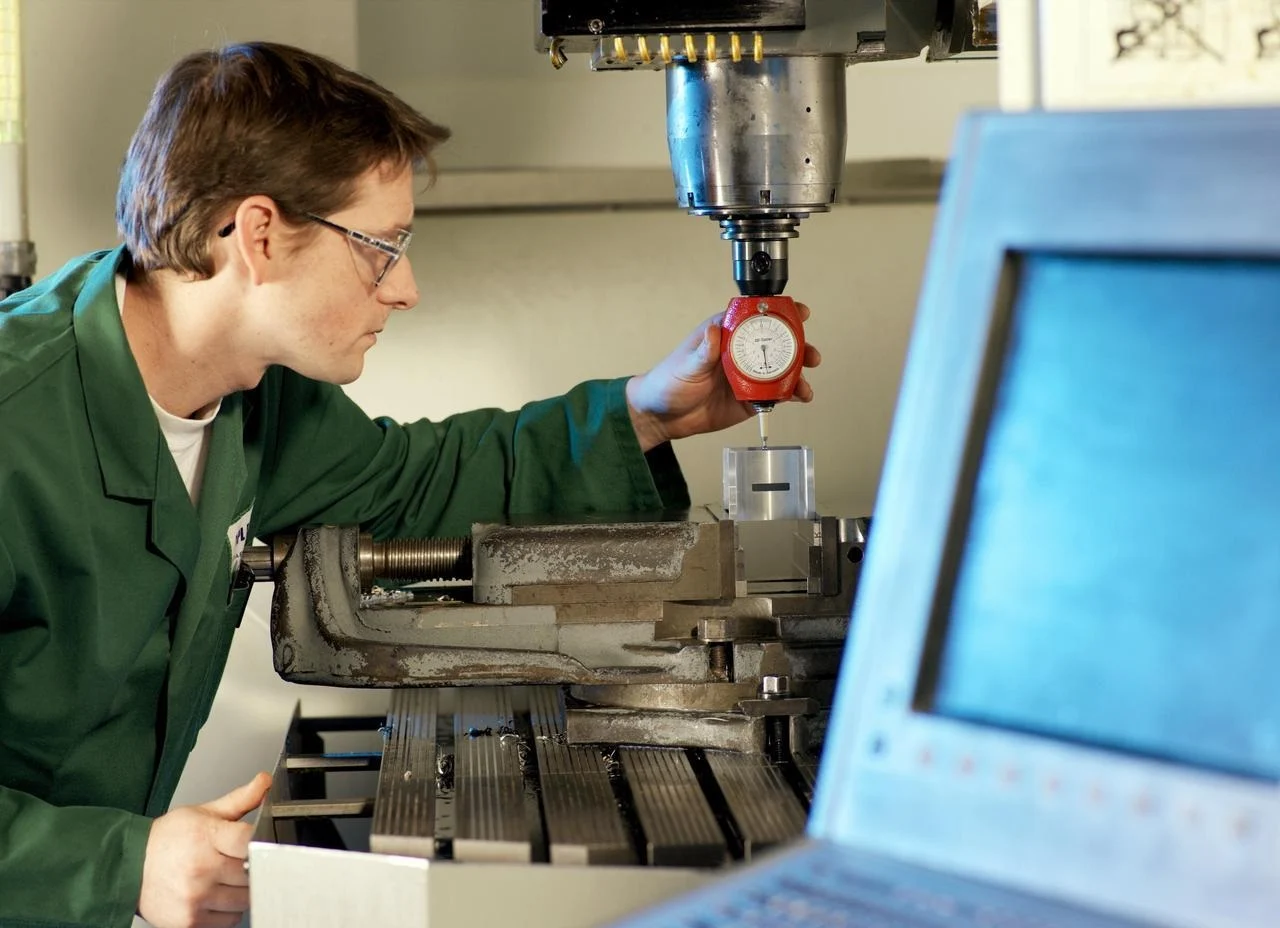
Every part has a natural frequency. Thin walls have a low natural frequency. The cutting tool’s tooth pass frequency can match that natural frequency. When that happens, resonance kicks in. The wall vibrates. Hard.
Chatter marks appear on the machined surface. Tool life drops. Surface finish degrades. Sometimes the vibration gets so bad that the operator hears it across the factory floor. 5-axis machining can help here because tool orientation changes the engagement dynamics. But the physics remains the same. Low rigidity invites chatter.
Heat Buildup & Thermal Distortion
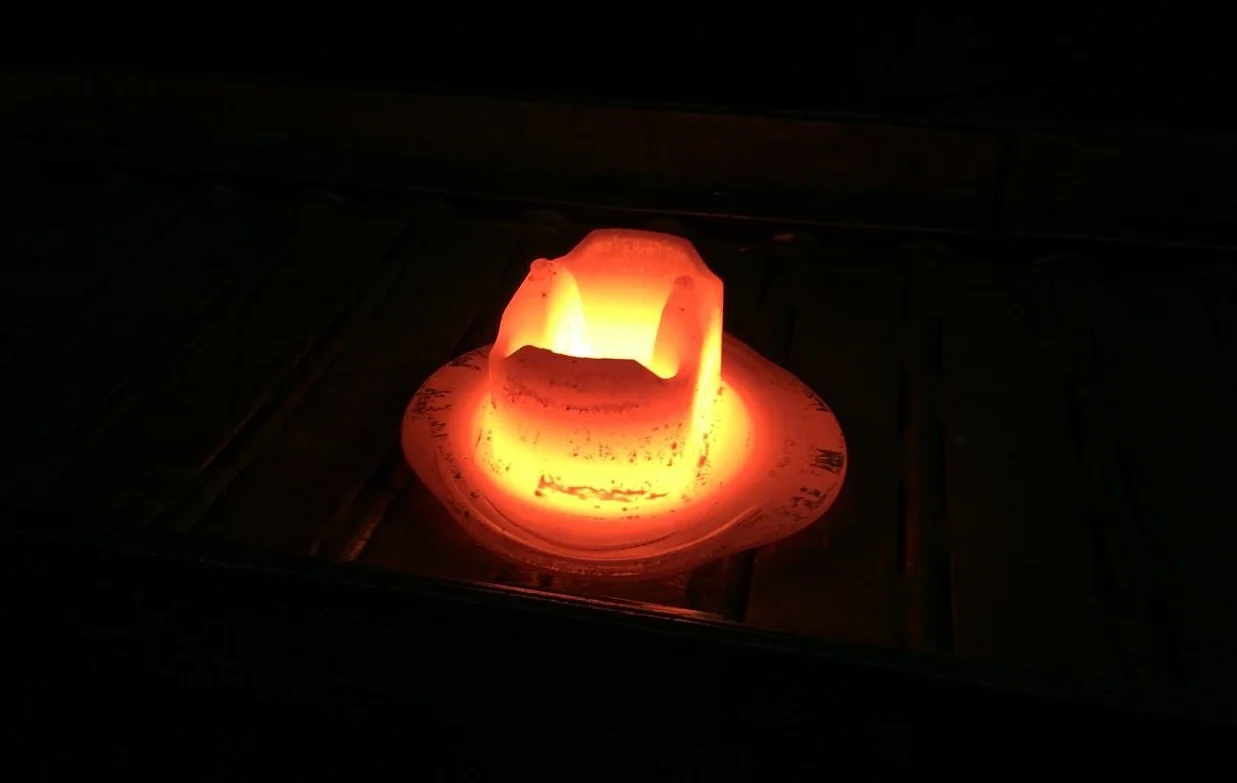
Thin sections do not dissipate heat well. A solid metal block draws heat away from the cutting zone. A thin wall cannot do that. Heat builds up in the material.
The wall expands locally. Then it cools after machining—the shape changes. Thermal distortion throws off tolerances that looked fine right after the cut. Operators measure the part an hour later and find it has moved. This is a nightmare for precision CNC machining work. The solution involves controlling heat input, not just cutting forces.
Workholding & Clamping Deformation
A standard vise works fine for a solid block. Squeeze it hard. The block does not move. But a thin-walled part? Different story. The vice jaws crush the wall. Or they warp the overall shape before cutting even starts.
Operators often measure a part after machining. Then they unclamp it. The wall springs back to its original warped shape. The part fails inspection. The machining was not the problem. The clamping was. Solutions involve soft jaws, pot fixtures, or adhesive mounting. Standard CNC machining methods need rethinking for thin walls.
Residual Stress & Warpage
Metal stock comes from the mill with internal stresses locked inside. Rolling, extrusion, and heat treatment—all of these processes leave stresses in the material. When a machinist removes material from a solid block, those stresses release unevenly. The part warps.
For a thick part, the warpage is small. For a thin-walled part, the same stress release causes dramatic distortion. A flat wall becomes a curved wall. A round feature becomes oval. Roughing passes followed by stress-relieving cycles can help. Rapid prototyping runs in low-stress materials like aluminum, which can reveal warpage patterns before production uses harder metals.
Tool Deflection
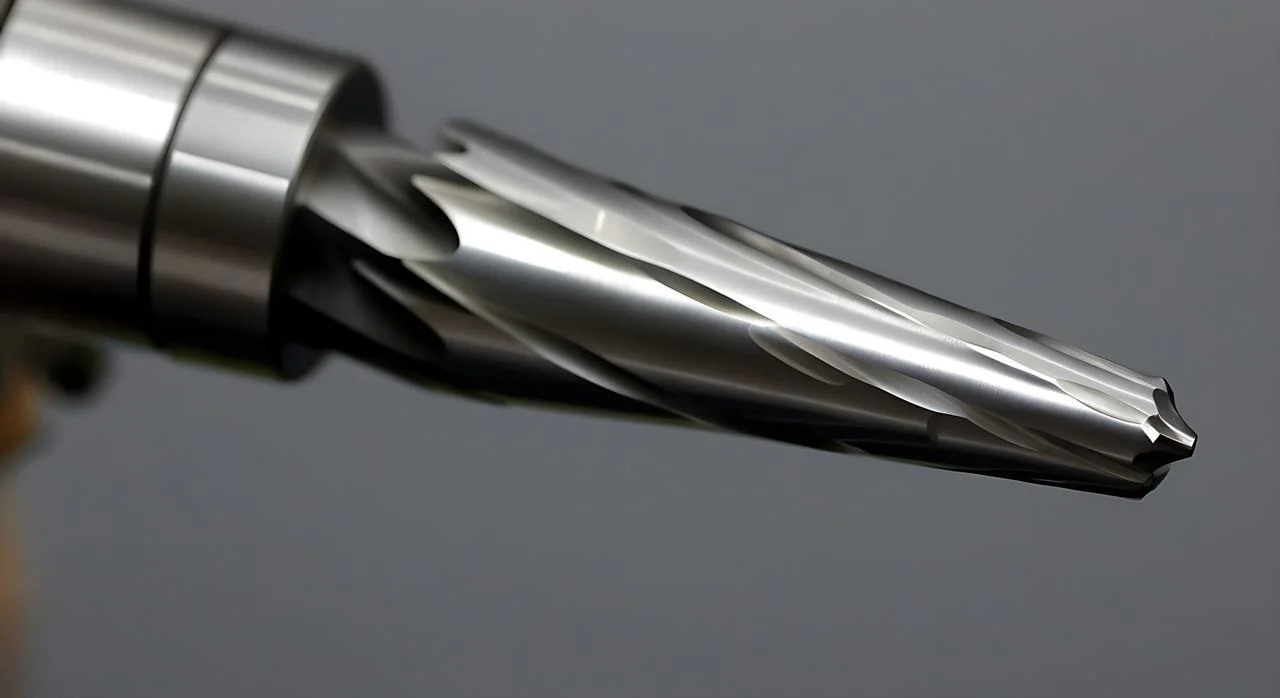
The cutting tool bends. A short, thick end mill is stiff. A long, thin end mill is not. Thin-walled parts often require long-reach tools to access deep features. That reach comes with a cost.
The tool deflects under the cutting load. The deflection changes as the tool engages different wall thicknesses. Surface finish suffers. Tolerances drift. Sometimes the tool breaks. 5-axis machining allows shorter tools because the part can be repositioned. Shorter tools mean less deflection. That is a real advantage when walls are thin and access is tight.
Proven Strategies to Improve Thin-Wall CNC Machining
Here are four categories of proven strategies. Apply them on the factory floor. Thin-walled parts become possible instead of painful.
1. Fixturing & Workpiece Support
Filler materials work well. Low-melt alloys pour into hollow features. Machine through them. Melt them out afterward. Wax works for plastics. Urethane for odd shapes. Sacrificial supports and tabs tie the thin wall to thicker material. Cut the tabs off at the end.
Vacuum chucks hold flat, thin parts without crushing them. Conformal soft jaws get machined to match the part exactly. No point loads. No warping. Backing plugs go behind pockets and thin webs. The plug supports the wall from underneath. The tool pushes. The plug pushes back. CNC machining becomes predictable again.
2. Toolpath & Cutting Strategy
Reduce cutting force. Lower force means less deflection.
High-speed machining changes the game. Light radial engagement. High feed rates. Trochoidal milling uses circular toolpaths to keep engagement low. People see dramatic improvements in thin-wall work with this method.
Climb milling. Always. Never conventional. The chip starts thick and gets thin. The tool pulls into the work instead of pushing away. Alternating cutting direction balances residual stress on opposing walls. Cut one wall moving up. Cut the opposite wall moving down. The forces cancel out.
Ramping and helical entry beat plunging every time. A plunge drives straight down. High force. High heat. Ramping spreads the engagement over distance. Helical entry does the same in a circle. Five-axis machining enables better entry angles for thin-wall pockets.
3. Tool Selection & Setup
Maximize stiffness at the tool. The shortest possible overhang is non-negotiable. Stick the tool out as far as needed. Not farther.
Variable flute and variable helix end mills break up harmonic vibrations. The irregular flute spacing prevents resonance from building up. Standard tools chatter. Variable geometry tools cut smoothly.
Larger core diameter tools are stiffer than standard end mills. Same outer diameter. More steel in the center. Carbide is the baseline. CBN and PCD are harder and stiffer but cost more. For thin titanium walls, the extra cost pays off.
4. Operational Sequence
Manage stress through the process order. Read the part first. Leave material on the walls. Send the part to stress relief—thermal or cryogenic. Then bring it back for finishing.
The roughing pass removes most of the material. The stress relief lets the part warp on its own, not during finishing. Then the finishing pass takes off the last small amount. The wall sees low cutting force and no residual stress release.
Adaptive finishing matters too. Multiple light passes instead of one heavy pass. The first finishing pass removes the bulk of the leftover stock. The second pass hits the final dimension. The wall deflects less because each pass removes less material. Rapid prototyping runs help dial in these sequences before production volumes commit to a method.
Best CNC Machining Processes for Thin-Walled Parts
Not every CNC machining process handles thin walls the same way. People need to match the process to the part geometry. Here is how the main methods compare.
CNC Milling (3, 4, 5-Axis) – Most Versatile
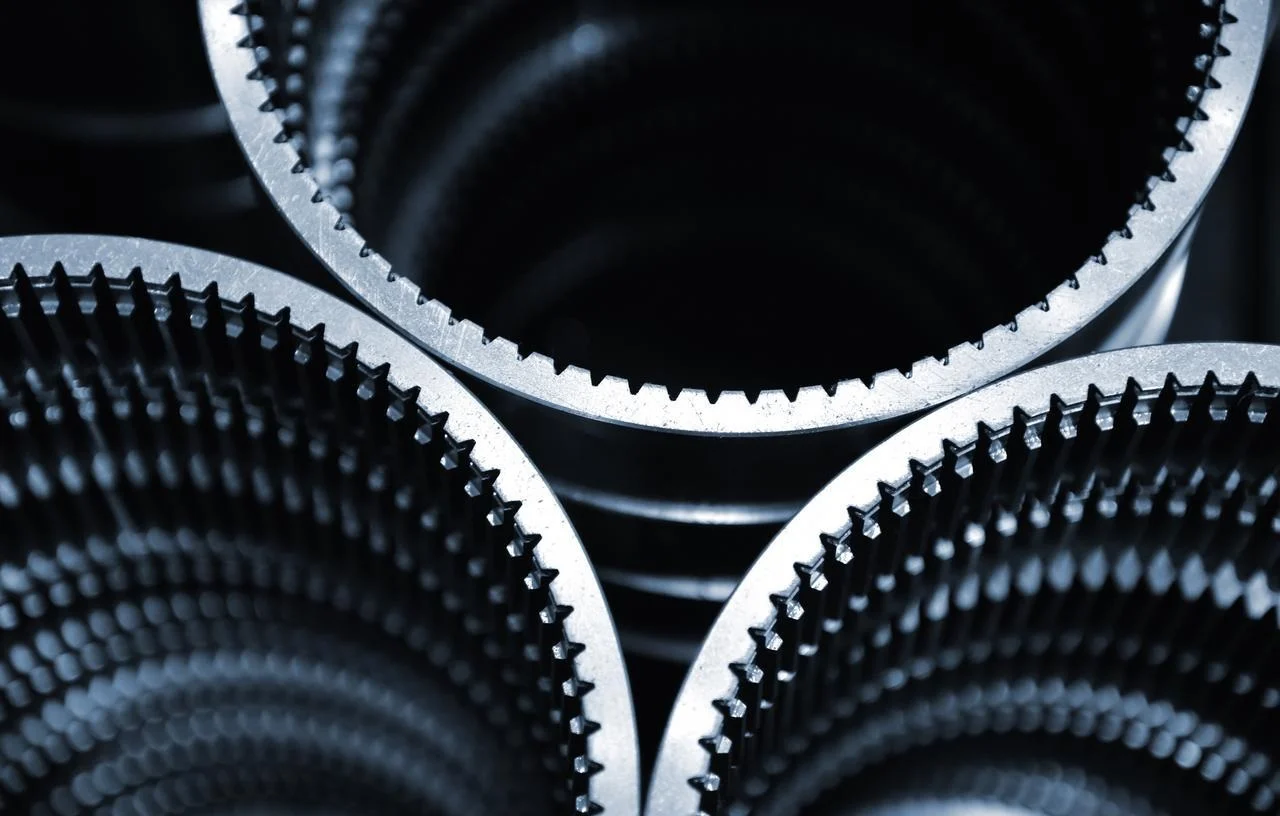
Lathe work applies to cylindrical thin walls. Tubes, sleeves, bellows, and thin-walled rings. The part spins. The tool moves linearly.
Reverse turning pulls the tool away from the chuck. This reduces push-off on long, thin walls. Peel turning takes multiple light passes instead of one heavy cut. Steady rests support the part at the tool contact point. For extreme thin-wall tubes, people fill the ID with low-melt alloy before turning. Then melt it out. The support makes the cut possible.
CNC Turning (Lathe) – For Cylindrical Parts
Lathe work applies to cylindrical thin walls. Tubes, sleeves, bellows, and thin-walled rings. The part spins. The tool moves linearly.
Reverse turning pulls the tool away from the chuck. This reduces push-off on long, thin walls. Peel turning takes multiple light passes instead of one heavy cut. Steady rests support the part at the tool contact point. For extreme thin-wall tubes, people fill the ID with low-melt alloy before turning. Then melt it out. The support makes the cut possible.
Swiss-Type Lathe – For Small, Thin Parts
This machine excels at small, thin parts. Diameters under 1.5 inches. Medical components. Electronic connector bodies. Tiny thin-walled sleeves.
The advantage is the guide bushing. It supports the material right where the tool cuts. There is almost no overhang. The material does not push away. People get thin walls with exceptional roundness and surface finish. Rapid prototyping runs on a Swiss lathe often reveals that a part is machinable when conventional turning fails.
Electrical Discharge Machining (EDM) – For Extreme Thin Walls
Sometimes, cutting forces are the enemy. Even light milling forces deflect a wall. EDM solves that. There is no cutting force. A spark erodes the material.
This works for walls thinner than 0.3 millimeters. Hardened steel is a common application. Molds with thin ribs. Medical instruments with delicate features. The downside is speed. EDM is slow. But for extremely thin walls in hard metals, it is the only reliable method.
Laser & Waterjet – For 2D Thin Profiles
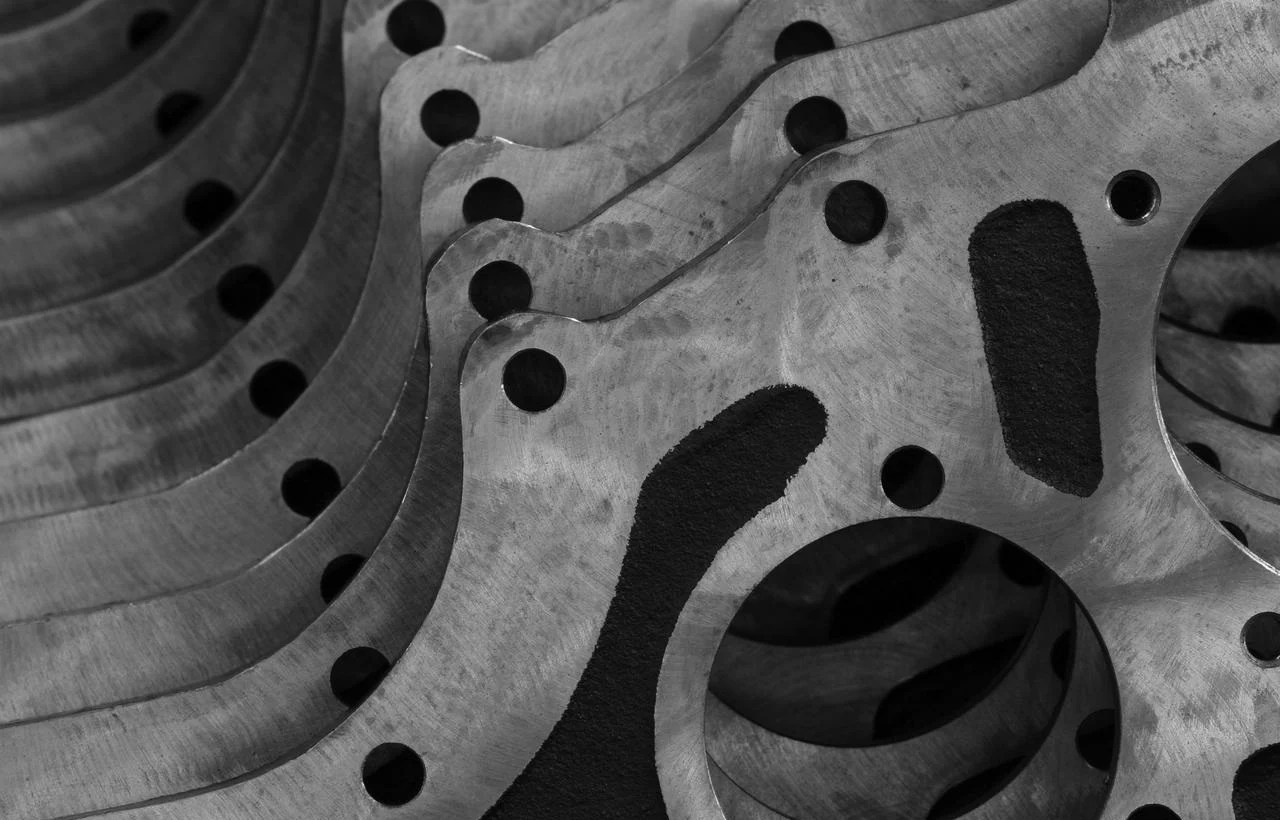
These processes work for 2D thin profiles. Flat parts. Gaskets, shims, thin brackets. The material does not see cutting force. Laser uses heat. Waterjet uses an abrasive in high-pressure water.
Neither method creates deflection. The limitation is geometry. Laser and waterjet cannot cut deep pockets or internal 3D features. They are best for through-cuts in flat stock.
Quick Reference Troubleshooting Table
Operators on the factory floor need fast answers. Here is a quick reference. Match the problem to the solution. No theory. Just what works..
| Challenge | Best Strategy |
| Chatter | Trochoidal toolpaths plus a variable flute end mill. The irregular flute spacing breaks up harmonic vibration. |
| Collapse (wall pushes over) | Filler material inside the cavity. Low-melt alloy or wax. Conformal soft jaws machined to match the part shape. No point loads. |
| Heat buildup | High-speed machining to keep chip loads light. Through-tool coolant to pull heat away from the cutting zone. |
| Warpage after unclamping | Rough the part. Send it for stress relief. Bring it back for finishing. The part warps during stress relief, not during the finish pass. |
| Thin floor lifting | The vacuum chuck pulls the floor down flat. Superglue fixture for small parts on a sacrificial plate. Break the part off with heat or solvent. |
Operators who apply these strategies can reduce scrap rates, increase machine uptime, and improve the probability of parts passing inspection.
Common Mistakes to Avoid in CNC Machining of Thin-Walled Parts
Here are some mistakes NOBLE engineers have encountered when machining thin-walled parts. Avoid these four. The job gets much easier.
Using Conventional Slotting Passes on Thin Walls
A full-width slotting pass engages the entire tool diameter. Cutting forces spike. The wall deflects. Chatter starts. The part often scrapes. Trochoidal milling or high-speed machining with light radial engagement works better. Small stepovers. High feed rates. The wall sees a lower force and stays where it belongs.
Ignoring Climb Milling Direction
Climb milling is not optional for thin walls. The tool bites into the material. The chip starts thick and ends thin. The cutter pulls into the work. Conventional milling does the opposite. The tool rubs first, then cuts. The chip starts thin and ends thick. The cutter pushes away from the wall. Deflection happens immediately.
Excessive Tool Overhang
Every millimeter of overhang beyond what is needed reduces stiffness. The tool bends. Chatter starts. Surface finish degrades. Many machinists grab a long tool and run it. That is a mistake. Use the shortest tool that reaches the feature. If a long reach is unavoidable, use a tapered neck end mill or a larger core diameter tool. Stiffness matters more than convenience.
Forgetting Stress Relief Before Finishing
Roughing removes most of the material. Residual stresses locked inside the stock release. The part moves. If an operator goes straight to finishing, the finish pass cuts a shape that is no longer aligned. The scrap rate climbs.
The fix is simple but often skipped. Rough the part. Remove it from the machine. Send it for stress relief—thermal or cryogenic. Then set it up again to finish. The part stabilizes during stress relief. The finish pass sees a part that is not moving. Rapid prototyping runs without this step gives false confidence. Production volumes reveal the truth. Do not skip stress relief.

About NOBLE – Precision CNC Machining of Thin-Walled Parts
NOBLE is a specialized CNC machining plant. People come to us for high-precision, complex components.
The focus is on solving difficult jobs. Thin-walled parts that other factories reject. Tight tolerances that push machine capabilities. Challenging materials like titanium, Inconel, and hardened steels. We have years of experience in precision manufacturing.
Our Core CNC Machining Capabilities
CNC Milling (3, 4, and 5-Axis)
High-speed machining for thin walls and deep pockets. Simultaneous five-axis machining for complex contours and undercuts. The five-axis capability allows shorter tools and better access to difficult features.
CNC Turning (Live Tooling and Multi-Axis)
Diameters up to 300 millimeters. Live tooling enables mill-turn operations in a single setup. Reduced handling means better accuracy. Fewer chances for error.
Swiss-Type Lathe
Sliding headstock design. Ideal for small-diameter, thin-walled medical and electronic components. The guide bushing supports the material right at the cut. Minimal deflection. High precision.
Additional Processes
Wire EDM for hard materials and thin slots. Surface grinding for flatness and finish. Laser marking for traceability. In-house assembly when needed. People also get finishing services. Deburring, passivation, and anodizing. One factory. Multiple steps.
Quality Certifications
Trust matters in precision work. Our certifications prove the systems work.
ISO 9001:2015
Quality management system. Consistent quality. Continuous improvement. Rigorous process control and documentation.
ISO 13485:2016
Medical device quality management. This certification confirms our ability to manufacture components for surgical instruments, implants, and diagnostic equipment. Enhanced traceability. Risk management. Regulatory compliance.
Why Partner With Us for Thin-Walled Parts?
Proven expertise in fixturing and toolpath strategies. We eliminate deformation instead of fighting it. Certified quality systems ensure every thin-wall part meets print specifications. No guessing. No rework.
Advanced CAM programming drives our machines. HSM. Trochoidal milling. Adaptive clearing. All optimized for low-rigidity features. People who run standard toolpaths on thin walls scrap parts. We do not.
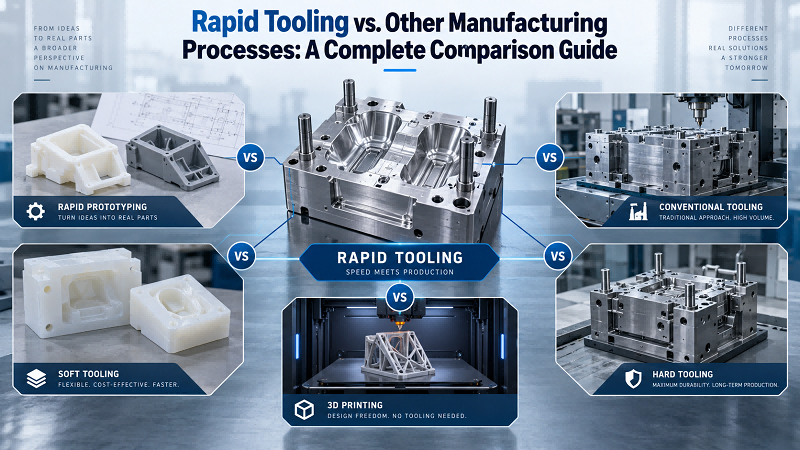
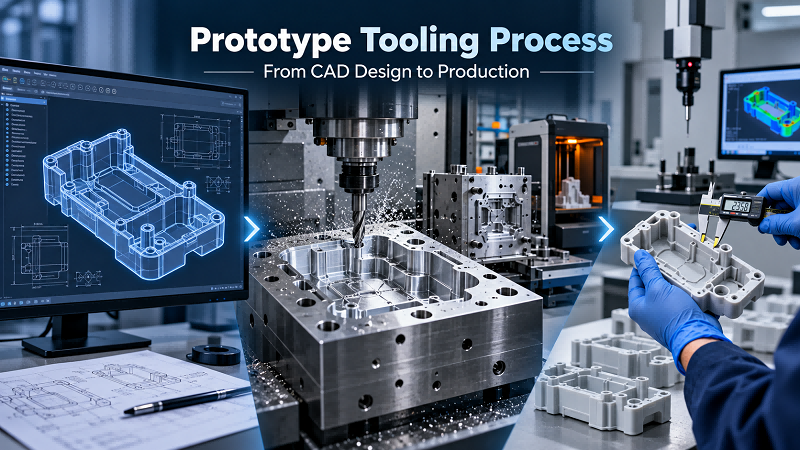
Rapid prototyping lets customers test strategies before production commits. One piece or ten thousand pieces. We scale. The same strategies that work for a prototype work for a production run. That is the NOBLE difference.
FAQ
Why is CNC machining of thin-walled parts considered difficult?
Thin-walled parts lack rigidity. Low stiffness is the core problem. Cutting forces push the wall. It deflects. Vibration starts. Chatter marks appear on the surface. Heat builds up because thin sections cannot dissipate it. Residual stresses from the raw material release during machining. Spring-back ruins dimensions. Standard clamps make things worse. Vise jaws crush the wall or warp the whole part before cutting even begins.
What is the best toolpath strategy for thin walls?
Trochoidal milling, combined with high-speed machining, is widely considered the best approach. Small radial engagement works well. Typically, five to ten percent of the tool diameter. High axial depth keeps the tool cutting. The result is low cutting forces that stay constant. Chatter drops dramatically. People who switch from conventional slotting to trochoidal paths see immediate improvements.
Which CNC machining process is best for thin-walled parts?
The answer depends on the part geometry.
- CNC milling with high-speed or trochoidal strategies works best for housings, pockets, and ribs. Five-axis machining adds the ability to tilt the tool and reduce engagement force.
- CNC turning with a steady rest or expanding mandrel handles tubes and sleeves well. The support prevents collapse during the cut.
- Swiss-type lathes excel at small-diameter thin-walled parts. Under 1.5 inches. The guide bushing supports the material right at the cutting point.
- Wire EDM is for extreme cases. Walls thinner than 0.3 millimeters. Hardened materials. Zero cutting force means no deflection at all.
- Laser or waterjet cutting works for flat 2D thin profiles. Gaskets, shims, simple brackets.
Can you handle both prototyping and high-volume production of thin-walled parts?
Yes. Our rapid prototyping service for 1 to 10 units lets customers test their designs before committing to mass production. The same manufacturing process can be scaled up to produce 10,000 units or more. NOBLE’s ISO-certified quality management system makes sure everything we do is top-notch, every time. We’re always on the same page, no matter if it’s the first one or the 10,000th. We stick to the rules, and we’re always within the set tolerances. That’s what we’re aiming for.