How do manufacturers actually build reagent discs components? These small parts power modern diagnostics. The process begins with raw plastic and moves through several production steps. Injection molding shapes the disc for large-scale production. Thermoforming works for smaller runs. Precision machining adds exact details. Next comes reagent loading and freeze-drying to keep things stable. Each method fits different needs. This guide explains the steps. We cover materials, design options, and choosing the right partner. Knowing these details helps you make smarter choices for your diagnostics projects. The whole production chain matters, from the first mold to the final reagent drop inside those discs.
Ways to Make Reagent Discs Components
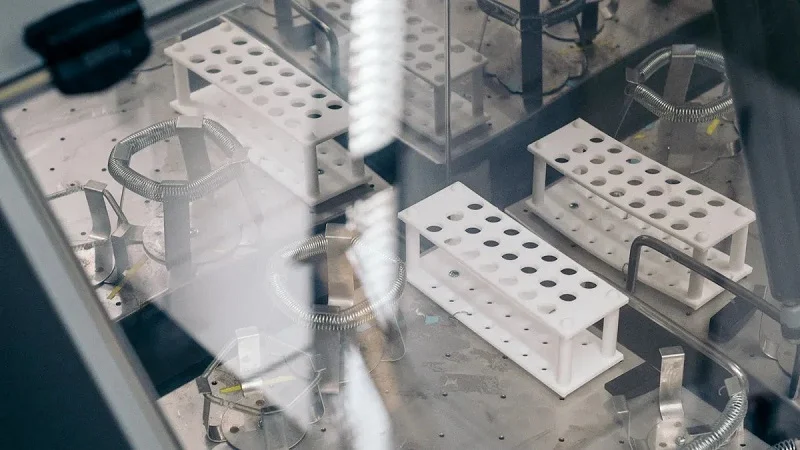
Choosing how to make reagent discs components depends on three things: how many you need, how exact they must be, and how much you can spend. Each method has its own strengths. Some make many discs quickly. Others make very exact parts for complex designs. Knowing these options helps you pick the right method for your project. Let’s look at the main ways.
Injection Molding for Making Lots of Reagent Discs
When you need hundreds of thousands of discs for your diagnostics project, injection molding is the best choice. This process runs the same cycle again and again, making identical parts at a low cost per disc.
The Process Steps and Key Settings
The cycle has four steps. First, the mold closes and locks with high pressure. Then melted plastic flows into the mold. Next, the plastic cools and hardens. Finally, the mold opens and pins push the disc out. For thin discs, one cycle takes about 15 to 20 seconds.
Temperature control is very important for success. The machine barrel must heat the plastic to its melting point evenly. For polypropylene, that is about 380 to 450°F. The mold is cooler, usually 50 to 80°F. This difference helps the part harden fast. Injection pressure is usually 10,000 to 30,000 psi. Then hold pressure keeps the plastic tight as it shrinks while cooling. Without good hold pressure, the disc may bend or have dents.
Gate placement is especially important for round discs. A gate in the center lets plastic flow evenly to the edges. This lowers flow lines and stress inside the disc. Venting matters too. If air gets trapped, it can cause burns or parts not filling fully. Thin vents let air out without letting plastic leak.
Common Plastics and Their Uses
Three plastics are most common in diagnostics. Polypropylene (PP) resists chemicals and works with many reagents. Polystyrene (PS) is very clear, good for optical detection. Polycarbonate (PC) is strong and handles heat, good for tough uses. Each has pros and cons. PP is for standard tests. PS is for fluorescence or absorbance readers. PC is for point-of-care devices that get rough use.
Thermoforming for Small Batches
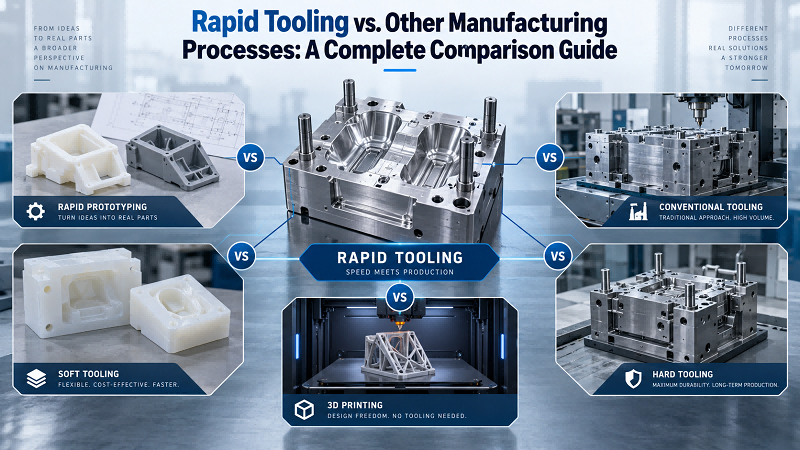
Injection molding needs expensive steel molds. That high cost is okay for large numbers. For smaller batches, thermoforming is faster and cheaper.
Vacuum and Pressure Forming Methods
Both methods start the same. A flat plastic sheet is heated until soft. Then it shapes over a mold. In vacuum forming, a pump removes air from under the sheet. Air pressure from outside pushes the sheet onto the mold. This gives good detail on one side. Pressure forming adds compressed air above the sheet. This pushes plastic into sharp corners and deep shapes. Detail gets much better.
Thin-walled discs work best with these methods. The walls stay even across the part. Aluminum molds replace steel, lowering cost and speeding up delivery.
Benefits for Prototypes and Small Batches
Low-volume production gives you flexibility. Thermoforming molds cost much less than injection molds. Wait times go from months to just weeks. You can test many disc designs fast. Try different channel depths, alignment marks, or reagent well layouts. Once the design is set, you can increase production with confidence. This works well for R&D, clinical trials, and custom diagnostic platforms.
| folyamat | Kötet Alkalmasság | Szerszámkészítés költsége | átfutási idő | Precíziós szint |
| Fröccsöntés | Nagy volumenű gyártás | Magas | 8-16 héttel | Kiváló |
| hőformázás | Alacsony volumenű futások | Alacsony | 2-4 héttel | Jó |
| CNC megmunkálás | Prototípusok, egyedi alkatrészek | None (setup fee) | 1-2 héttel | Nagyon magas |
Precision Machining and Extra Steps
Some reagent disc parts need features that molding alone cannot make. That is where machining and extra steps help.
CNC Machining for Very Exact Parts
CNC milling and turning cut parts from a solid block. They can be as exact as fractions of a millimeter. This is important for fluid channels, press-fit parts, and alignment holes. Acrylic cuts cleanly and is almost as clear as glass. PEEK handles high heat and strong chemicals. Machining costs more per part than molding. But it needs no mold costs at all. For prototypes or small batches, this trade-off works.
Laser Cutting and Embossing for Special Features
Lasers cut without touching the part. A focused beam vaporizes material along a set path. This is useful for vent holes, reagent wells, and slots. No tool wear happens, and the heat-affected area is small. Embossing uses heat and pressure to add raised or indented features. You can make microfluidic channels, alignment marks, or textured surfaces. Both methods add flexibility to your production process.
Many projects use a mix of methods. You might injection mold the disc body for high volume, then laser-cut the reagent wells for exactness. The right mix of manufacturing processes saves time and money while meeting your quality goals.
Reagenstárcsák alkatrészeinek fröccsöntése
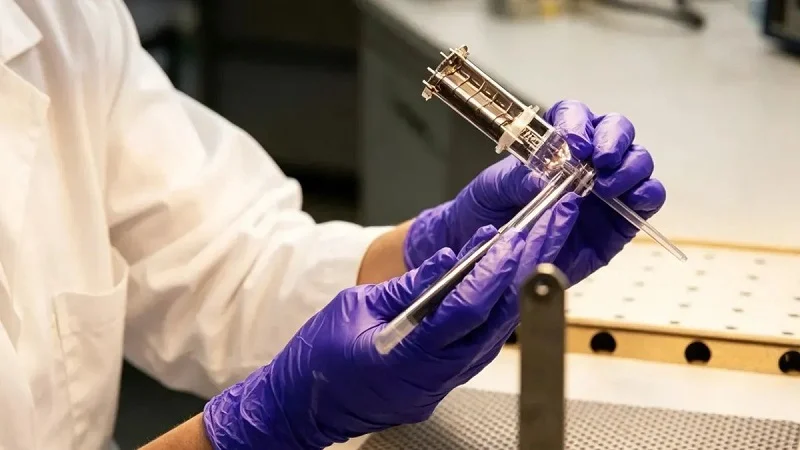
For large-scale diagnostics production, injection molding is the top choice. This manufacturing process forces melted plastic into a steel mold. The result is thousands of identical parts. Each one matches the last exactly. That consistency is critical for diagnostic devices. Let’s walk through the steps.
Step-by-Step Injection Molding Cycle
The injection molding cycle follows a clear sequence. The mold closes tight. Melted plastic shoots in. The plastic cools and hardens. The mold opens. The part comes out. For a thin disc, this takes about 15 to 20 seconds.
Mold design for disc geometries
Mold design matters a lot for round disc shapes. The gate should sit in the center. This lets plastic flow evenly to the edges. It reduces stress and stops warping. Vents are important too. They let trapped air escape during the injection molding cycle. Without them, you get burn marks or incomplete parts. Ejector pins push the finished disc out. Place them on non-critical surfaces to avoid marks.
Hőmérséklet és nyomásszabályozás
Temperature control is key for the injection molding process. The barrel heats the plastic. For polypropylene, that’s about 380 to 450°F. The mold stays cooler, around 50 to 80°F. This helps the plastic harden fast. Pressure control is also vital. Injection pressure goes from 10,000 to 30,000 psi. Hold pressure keeps the plastic tight as it shrinks. Wrong settings cause dents, warping, or short shots.
Thermoplastics for Reagent Discs Components
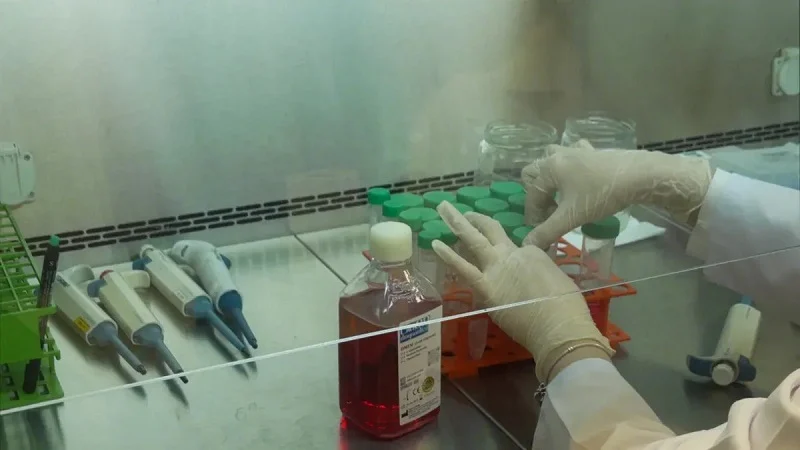
Material choice makes a big difference. Each plastic has unique strengths. The right material helps your disc perform well in your diagnostic device.
Polypropylene, polystyrene, polycarbonate
Three thermoplastics dominate diagnostics. Polypropylene (PP) offers good chemical resistance. It works well with many reagents. Polystyrene (PS) is great for optical clarity. Light passes through cleanly. Polycarbonate (PC) adds strength and heat resistance. Each material serves a different purpose. PP is for standard tests. PS is for optical detection. PC is for tough point-of-care devices.
Chemical resistance and optical clarity
These two properties often pull in opposite directions. PP resists chemicals well but looks hazy. PS is clear but can crack under some chemicals. PC sits in the middle. For reagent discs components, match the material to the reagent. Strong solvents need PP. Optical detection needs PS or PC.
A fröccsöntés előnyei és hátrányai
Every manufacturing method has trade-offs. Injection molding brings big advantages. But it also has costs.
High throughput and repeatability
Speed is the biggest benefit. A single mold makes thousands of parts per hour. Each part is identical to the last. This repeatability is critical for diagnostics. Test results depend on consistent disc dimensions. Injection molding delivers that consistency. NOBLE’s professional machining expertise ensures molds are built to exact specs.
High tooling costs and lead times
The downside is upfront cost. Steel molds are expensive. They can cost tens of thousands of dollars. Lead times run 8 to 16 weeks. For small batches, this investment is hard to justify. But for high-volume production, the per-part cost drops a lot. The initial investment pays off with volume.
Thermoforming and Machining for Reagent Discs Components
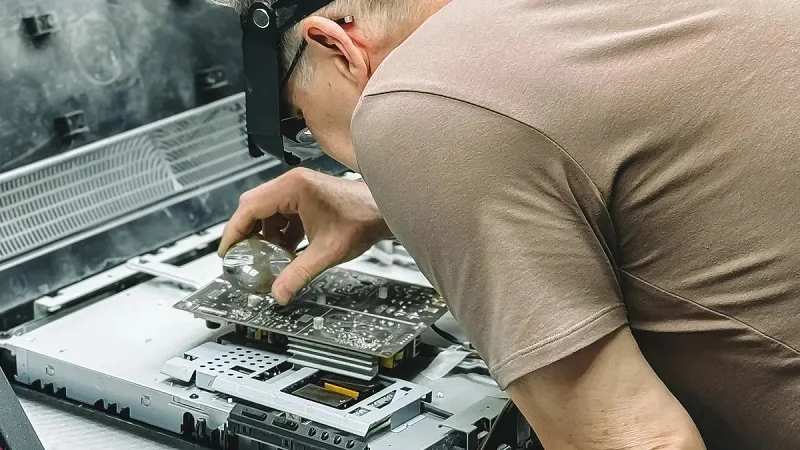
When injection molding isn’t right for your project, two other methods can make finished reagent discs components. Thermoforming works for medium volumes and costs less for tooling. CNC machining gives you precision for complex designs. Each one serves a different purpose in diagnostics manufacturing.
Thermoforming Process Details
Thermoforming begins with a flat plastic sheet. Heat softens the sheet until it bends easily. Then the sheet stretches over a mold shape. This process works well for thin-wall discs used in many diagnostic devices.
Vacuum forming vs. pressure forming
Vacuum forming pulls air out from under the heated sheet. Outside air pressure pushes the plastic down onto the mold. This method captures detail on one side of the part. Pressure forming adds compressed air above the sheet. That extra force pushes plastic into sharper corners and deeper recesses. The result comes close to the quality of injection molding.
Thin-wall discs respond well to both methods. Wall thickness stays consistent across the part. Aluminum molds replace expensive steel tooling. This cuts costs and shortens lead times from months to weeks.
Thin-wall disc applications
Many diagnostic platforms use thin discs with shallow wells for reagents. Each reagent needs precise placement within the well. Thermoforming creates these features without the high upfront investment of injection molding. Clinical trials often start with thermoformed parts. Design teams test different well depths and channel layouts quickly. Once the design proves itself, production can scale up.
CNC Machining for Precision Reagent Discs Components

Some reagent discs components need features that thermoforming cannot produce. Injection molding faces similar limits with complex geometries. Deep channels, sharp corners, and undercuts require a different approach. CNC machining cuts these details directly from solid material.
Milling and turning for complex geometries
CNC milling removes material with rotating cutting tools. CNC turning spins the workpiece while a stationary tool shapes it. Together, these methods create complex geometries with tight tolerances. Fluidic channels stay within fractions of a millimeter. Alignment holes match exactly. This precision matters when reagents must flow through narrow paths without leaking.
Materials like acrylic and PEEK
Acrylic machines cleanly and offers optical clarity close to glass. PEEK handles high temperatures and aggressive chemicals. Both materials work well for prototype discs and small production runs. Machining costs more per part than thermoforming. But no tooling investment means you can change designs freely between batches.
| Aspect | hőformázás | CNC megmunkálás |
| Jellemzők összetettsége | Limited to shallow features | Fine details, sharp corners, deep channels |
| Tűrések | Wider, part thickness varies | Tight, fractions of a millimeter |
| Alkatrészenkénti költség | Lower at medium volumes | Higher, no tooling investment |
| Mennyiségi megfelelőség | Közepes termelési volumenek | Prototípusok, kis tételek |
| Anyagi rugalmasság | Csak hőre lágyuló műanyagok | Fémek és műanyagok |
Comparison with Carbon Reagent Discs Components Manufacturing
Carbon ceramic discs start with woven carbon fiber shaped into a disc form. This substrate-based approach shares something with thermoforming. Both methods shape a flat starting material into a final disc geometry.
Similarities in disc shaping techniques
Thermoforming and carbon ceramic disc production both rely on forming a sheet-like material over or into a mold. Heat and pressure play key roles in both processes. The disc shape emerges from controlled deformation rather than material removal.
Differences in material properties and applications
The similarities end there. Carbon ceramic discs offer extreme strength and thermal conductivity. They serve high-performance needs far beyond diagnostics. Thermoformed plastics and injection molding both work with biological reagents. Carbon ceramics do not. The material choice drives the application. For diagnostic discs, thermoplastics remain the standard because they resist chemicals, transmit light, and cost less.
Reagent Loading and Finishing for Reagent Discs Components
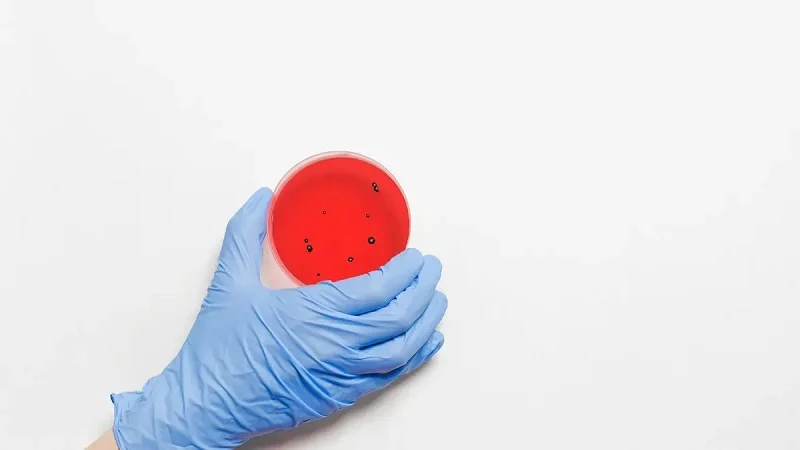
The plastic disc is just the outer part. The real value in diagnostics comes from the reagent inside. Loading and finishing turn a bare part into a working piece of a reagent disc set. This stage covers everything from cleaning water to freeze-drying. Each step keeps the reagent active. Let’s go through the production steps.
Lyophilization for Reagent Stabilization
Liquid reagents lose their power over time. They break down faster at room temperature. Lyophilization solves this problem. This process takes water out of the reagent but keeps its structure intact. The result is a dry powder that stays good for months.
Freeze-drying process steps
The process starts with clean water. Every drop goes through a purification system. Reverse osmosis and deionization remove minerals and dirt. The water must meet strict purity levels. This clean water becomes the base for all reagent mixes.
Next comes reagent prep. Workers mix the active ingredients in exact amounts. They adjust amounts to get the right reaction speed and sensitivity. Each reagent batch gets tested before moving forward. The mixture goes through a filter. A 0.2 micron filter removes bacteria and particles. This step keeps the final product sterile.
The filtered liquid goes into the disc wells. Each well gets a measured amount. Then the discs go into the freeze-dryer. The temperature drops below -40°C. This freezes the liquid fast. A vacuum pump removes the air. The chamber pressure drops to a few millitorr. Under this vacuum, the ice turns directly into vapor. This is called sublimation. The water leaves the reagent without becoming liquid again. The cycle runs for 12 to 48 hours. At the end, a dry porous cake stays in each well.
Ensuring reagent activity and shelf life
Quality control keeps the process reliable. Every 30 days, the production team runs tests with normal and abnormal controls. They also test at every new lot number. Any time the manufacturing process changes, they test again. This schedule catches problems before they affect results.
The controls act like patient samples. Normal controls give a known healthy result. Abnormal controls give a known positive result. The reagent discs must match both. If they don’t, the team adjusts the formula. They check reaction conditions too. Temperature, pH, and incubation time all matter. A small change in any factor can shift the test outcome.
Sub-packaging and Assembly
Once the reagent is stable, the disc needs protection. Moisture and light can damage the dry reagent. The right packaging keeps it safe during shipping and storage.
Liquid vs. lyophilized reagent formats
Not every reagent needs freeze-drying. Liquid formats work for some uses. They are simpler to make. No drying step means faster production. But liquid reagents need cold chain shipping. Refrigerated trucks and storage add cost. They also have shorter shelf lives. Most liquid reagents last 6 to 12 months.
Lyophilized reagents last longer. They can sit on a shelf at room temperature for 18 to 24 months. Shipping costs less without refrigeration. The trade-off is the extra manufacturing step. Freeze-drying adds time and equipment cost. For many diagnostics products, the longer shelf life makes it worth the cost.
Integration with disc substrates
The disc materials must work with the chosen reagent format. Liquid reagents need sealed wells. The seal stops leaks and evaporation. Lyophilized reagents need a moisture barrier. The disc itself or a foil seal keeps humidity out.
Some discs use a multi-layer design. A plastic base holds the dry reagent. A foil lid seals the top. The lid peels off or pierces during the test. This design protects the reagent during storage. At the point of use, the sample rehydrates the dry powder. The reaction starts right away.
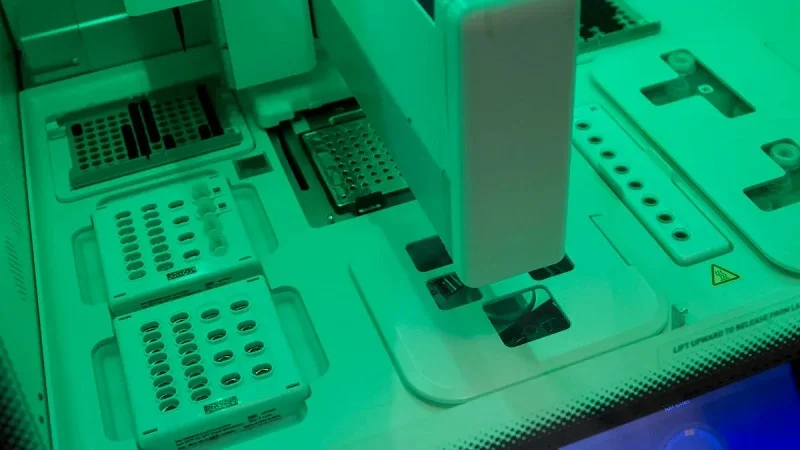
The integration process requires careful handling. Operators work in a cleanroom. The environment stays dry and temperature-controlled. Automation handles the filling and sealing. This reduces human error and keeps production consistent. The finished discs go into pouches with desiccant. Each pouch holds one or more discs. The final package goes into a carton for shipping.
Design Considerations for Reagent Discs Components
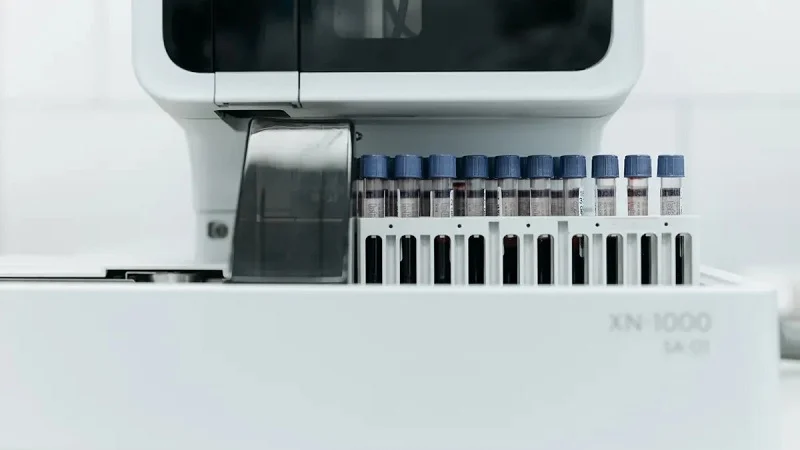
Good design starts long before the first mold opens. The choices you make on paper shape every step of production. Think about how the part will flow, cool, and release from the tool. Think about how the reagent will behave inside the finished disc. These decisions determine whether your product works reliably in diagnostics.
Tervezés a gyárthatósághoz (DFM)
Design for manufacturability means creating parts that are easy to make without losing performance. Every feature you add costs time and money. Every angle and wall thickness affects how the plastic fills the mold. Smart designers simplify wherever they can.
Draft angles, wall thickness, and ribs
Draft angles are slight tapers on vertical walls. They let the finished part release from the mold without sticking. Without enough draft, the ejector pins can push through the part or leave marks. A typical draft angle ranges from 0.5 to 2 degrees. Thin discs need less draft than tall parts, but they still need some.
Wall thickness matters just as much. Uniform walls cool evenly and prevent warping. If one section is thicker than another, it shrinks differently. That creates internal stress and dimensional drift. For reagent discs components, keep walls between 0.5 and 2.0 mm. Ribs add stiffness without adding thickness. They support flat surfaces and prevent bending. Place ribs opposite the flow direction for best results.
Gate and ejector pin placement
Gate location controls how plastic enters the mold cavity. For round discs, a center gate gives the most even flow. The plastic spreads outward in a radial pattern. This reduces weld lines and trapped air. Edge gates work too, but they can create weak spots where flow fronts meet.
Ejector pins push the finished part out of the mold. Their placement affects the visible surface. Put them on hidden areas or features that don’t matter cosmetically. Pin marks on a detection window can scatter light and ruin optical readings. Work with your molding partner early to plan gate and pin locations.
Material Selection Based on Performance
The plastic you choose must do more than just hold shape. It must work with the reagent and the detection method. Each material brings different strengths to the table.
Optical clarity for detection windows
Many diagnostic tests read results through the disc itself. Fluorescence, absorbance, and colorimetric assays all need clear optical paths. Polystyrene offers excellent clarity with about 90% light transmission. Polycarbonate transmits slightly less but resists impact better. Cyclic olefin polymers (COP) provide even higher clarity and lower autofluorescence. Match the material to your detection wavelength and signal strength.
Biocompatibility and sterilization
Reagent discs components touch biological samples. The material must not leach chemicals that interfere with reactions. It must also survive the sterilization process. Ethylene oxide gas works with most thermoplastics. Gamma radiation can discolor some polymers. Autoclaving at high temperatures limits you to materials like PEEK or polycarbonate. Check the compatibility before you commit to a material.
Tolerances and Surface Finish of Reagent Discs Components
Tolerances define how much variation you allow in each dimension. Surface finish affects how liquids move through channels. Both influence whether your test gives consistent results.
Typical tolerances for fluidic channels
Fluidic channels need tight control. Small changes in diameter alter capillary flow and mixing behavior. The table below shows standard and tightened tolerances for channel dimensions.
| Vizsgált paraméter | Catalog Tolerance | Tightened Tolerance |
| Belső átmérő (ID) | ±0.02 mm or 5% | ± 0.005 mm |
| Outer Diameter (OD) ≤ 5 mm | ± 0.05 mm | ± 0.01 mm |
| Outer Diameter (OD) > 5 mm | ± 0.10 mm | ± 0.03 mm |
| Concentricity (OD-to-ID) | < 5% wall variation | < 2% wall variation |
| Surface Roughness (Ra, drawn) | < 50 nm | < 20 nm |
Catalog tolerances work for standard production. Tightened tolerances cost more but deliver better consistency. For microfluidic devices, the inner diameter tolerance directly controls flow rate. A variation of just a few microns can shift results.
Surface roughness for reagent flow
Rough channel walls disrupt laminar flow. They create turbulence and uneven reagent distribution. The surface roughness values above matter because rough inner walls cause flow nonuniformity. Smoother surfaces let liquids glide through predictably. Injection molding with polished tool steel gives the best surface finish. Machining leaves tool marks that may need secondary polishing. Consider the trade-off between cost and performance.
The manufacturing process you choose affects achievable tolerances. Injection molding delivers excellent repeatability once the tool is dialed in. Thermoforming gives wider variation. CNC machining offers the tightest control but costs more per part. Your production volume and quality requirements should guide the choice.
Reagenskorong-alkatrészek anyagai
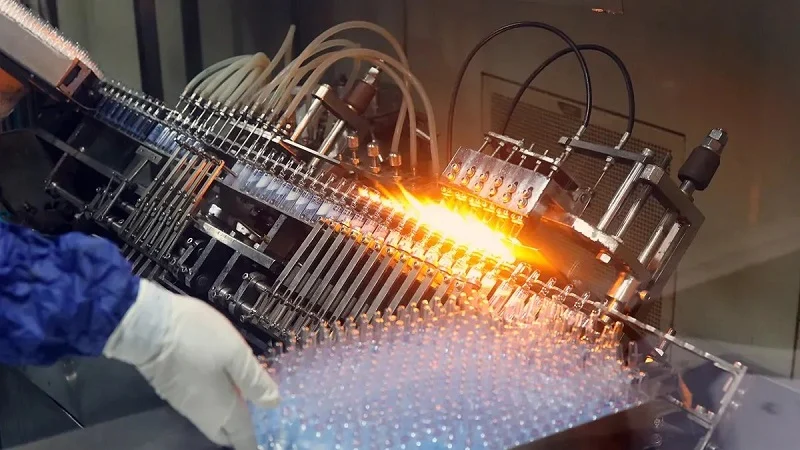
The material you choose affects everything that comes next. It changes how the part molds, how the reagent works, and whether your test reads correctly. Different plastics do different jobs in diagnostics. Some focus on clarity. Others stand up to strong chemicals. A few handle very high heat. Let’s look at the main choices.
Thermoplastics: Polypropylene and Polystyrene
Polypropylene and polystyrene are the most common plastics for routine diagnostic production. They cost less than most other options. Both work fine with standard injection molding machines. Each one brings its own strengths.
Cost, chemical resistance, optical properties
Polypropylene (PP) resists many solvents and acids. It handles tough reagents without breaking down. The downside is clarity. PP looks cloudy and lets less light through. Polystyrene (PS) works the opposite way. It has great optical clarity and lets about 90% of light pass. But PS can crack when exposed to strong solvents. Your reagent chemistry decides which one to use. Strong buffers call for PP. Optical detection calls for PS.
Common applications in diagnostics
PP appears in general-purpose test discs where chemical compatibility matters most. It works well with urine, blood, and many assay buffers. PS shows up in fluorescence and absorbance readers. Clear windows let light pass through easily for accurate readings. Both materials work well for high-volume production. Injection molding cycles run fast, and per-part costs stay low.
Engineering Plastics: PEEK and COC/COP
When standard plastics are not enough, engineering plastics step in. These materials cost more but work much better. They handle conditions that would ruin PP or PS.
Magas hőmérsékleti és vegyi ellenállás
PEEK handles continuous heat far beyond what standard plastics can take. It also resists almost every common solvent. This makes PEEK useful for discs that go through autoclave sterilization. Cyclic olefin polymers (COC and COP) offer a different benefit. They provide excellent optical clarity with very low autofluorescence. That matters for sensitive fluorescence assays where background noise ruins results.
Advanced diagnostic applications
PEEK appears in specialized devices that face repeated sterilization cycles. It also works for applications with strong organic solvents. COC/COP excel in microfluidic discs. Their low fluorescence background improves signal-to-noise ratios. These materials work with injection molding, but processing windows are narrower. Mold temperatures and cooling rates need careful control.
Metals, Glass, and Carbon Ceramic Discs
Plastics dominate diagnostics, but other materials fill special roles. Metals manage heat. Glass delivers unmatched optical performance. Carbon ceramic discs offer extreme durability for specific needs.
Aluminum for thermal management
Aluminum conducts heat far better than any plastic. Some diagnostic processes need precise temperature cycling. Aluminum discs spread heat evenly across the surface. This stops hot spots that could change reaction rates. Aluminum also gives a rigid, stable platform for sensitive measurements.
Glass for optical applications
Glass transmits light better than any polymer. It resists scratching and chemical attack. Glass discs appear in high-end optical systems where plastic clarity is not enough. The downside is fragility. Glass breaks more easily than plastic, making handling and shipping harder.
Carbon ceramic discs for high-performance needs
Carbon ceramic discs start with woven carbon fiber shaped into a disc form. This material provides exceptional strength and thermal stability. The manufacturing process differs completely from plastic molding. These discs handle extreme conditions that would destroy thermoplastics. They serve applications needing high strength or thermal conductivity far beyond diagnostic norms. For most reagent disc production, thermoplastics remain the practical choice. They balance cost, clarity, and chemical resistance well.
Choosing NOBLE for Reagent Discs Components

Picking the right partner for reagent discs components is more than just choosing a supplier. You need a team that sees the big picture. NOBLE has both metal and plastic processing under one roof. That means fewer handoffs, fewer delays, and fewer chances for mistakes. Your project moves from design to finished part without bouncing between different vendors.
Full-Service Metal and Plastic Processing
NOBLE handles both metal and plastic work. This range matters in diagnostics. Some components need plastic bodies with metal inserts. Others need metal frames that hold plastic discs. Having both abilities in one place makes your supply chain simpler. You get one person to contact for every part of your device.
ISO 9001:2015 minőségirányítási rendszer
Quality systems keep production steady. NOBLE works under ISO 9001:2015. This standard sets rules for quality management systems. It covers everything from document control to fixing problems. Auditors check that processes stay repeatable. They make sure workers follow written steps. This certification means your parts meet the same standard every time.
Most medical device OEMs require compliance with ISO 13485, including all European Union members, Canada, Japan, Australia, and more (165 member countries in total). Precision manufacturers that want to work in the medical field must show proof of and follow ISO 13485 guidance.
ISO 13485:2016 orvostechnikai eszköz tanúsítás
ISO 13485 goes beyond general quality standards. It focuses on medical devices. This certification helps speed up regulatory approval in global markets. It helps with CE marking in Europe and FDA clearance in the United States. The standard puts risk management into every phase of the product lifecycle. Makers must find risks, reduce them, and watch constantly. This approach cuts down recalls and boosts reliability. For diagnostics companies, this certification shortens the path to market.
Capabilities from Design to Assembly
NOBLE does more than run machines. The team helps you improve your design before making parts. They spot problems early. This saves time and money later.
In-house tooling, molding, machining, and finishing
Having tooling in-house changes everything. NOBLE builds molds without waiting for outside shops. This greatly cuts lead times for injection molding. The team controls mold quality from the start. They adjust designs quickly when needed. Machining skills handle tight tolerances that molding alone cannot reach. Finishing services add the final touches. Surface treatments, polishing, and cleaning all happen in one place. Your reagent discs components move through production without leaving the facility.
Multi-material assembly support
Some diagnostic devices combine plastics, metals, and even glass. NOBLE supports multi-material assembly. The team joins different parts with precision. They know how different materials behave under stress and temperature changes. This knowledge prevents assembly failures. Your final product works reliably in real-world conditions.
The right manufacturing partner brings more than machines. They bring experience, certifications, and a commitment to quality. NOBLE offers all of that. From initial design review to final assembly, the team supports your project at every step. Whether you need high-volume production or specialized low-volume runs, NOBLE has the abilities to deliver.
Contact NOBLE today to talk about your project. Send your design files for a quote. See how a full-service partner makes your journey from concept to production simpler.
Making reagent discs components starts with the right methods. Injection molding delivers high-volume diagnostics parts. Thermoforming and machining handle precision diagnostics needs. Reagent loading through lyophilization keeps each reagent stable throughout the process. The right materials improve diagnostics performance. Molding conditions affect reaction behavior directly. Designing for manufacturability ensures smooth creation of reagent discs components. At NOBLE, we offer complete molding and production services for diagnostics. Molding consistency, materials selection, and molding expertise matter. Our ISO certifications guarantee quality. Contact us for a consultation. Submit your design files for a quote. Let us handle your journey from concept to completion.
FAQs of Reagent Discs Components
What’s the difference between injection molding and thermoforming?
Injection molding for reagent discs components uses steel tools for high volume diagnostics. Thermoforming works for smaller runs.
How does lyophilization keep reagents stable?
Lyophilization removes water from each reagent. The dry powder stays stable for 18 to 24 months.
Which plastic offers the best optical clarity?
Polystyrene transmits about 90% of light for diagnostics. Cyclic olefin polymers offer higher clarity for analysis.
Miért fontos az ISO 13485 tanúsítvány?
ISO 13485 focuses on medical devices. It helps diagnostics and reagent discs components gain global regulatory approval.
How tight can fluid channel tolerances be?
Standard fluid channel tolerances run ±0.02 mm. Tightened tolerances reach ±0.005 mm. Your reagent flow needs guide the spec.
Can you combine different manufacturing methods?
Many projects combine molding with machining. This manufacturing approach saves time and hits quality targets.
What materials work for high-temperature applications?
PEEK resists high heat and strong chemicals. These materials work well under autoclave sterilization.
How does freeze-drying extend product shelf life?
The freeze-drying step removes water. The dry cake stays active for months in diagnostics applications.