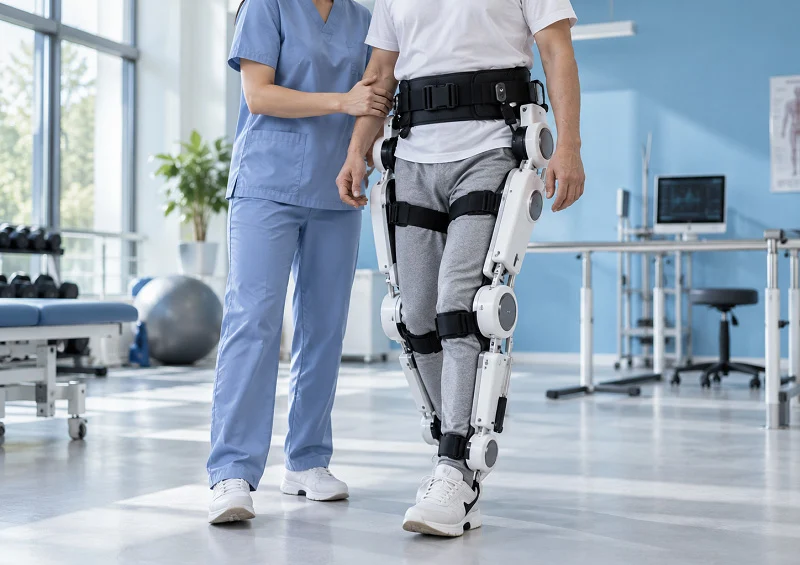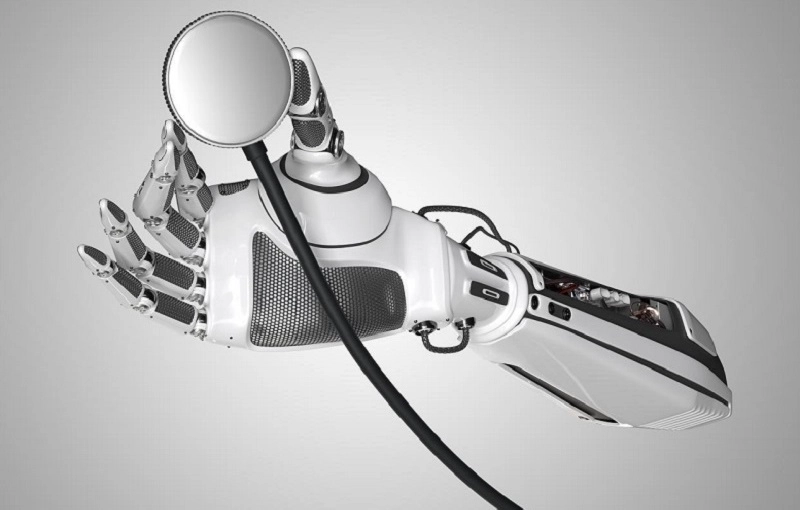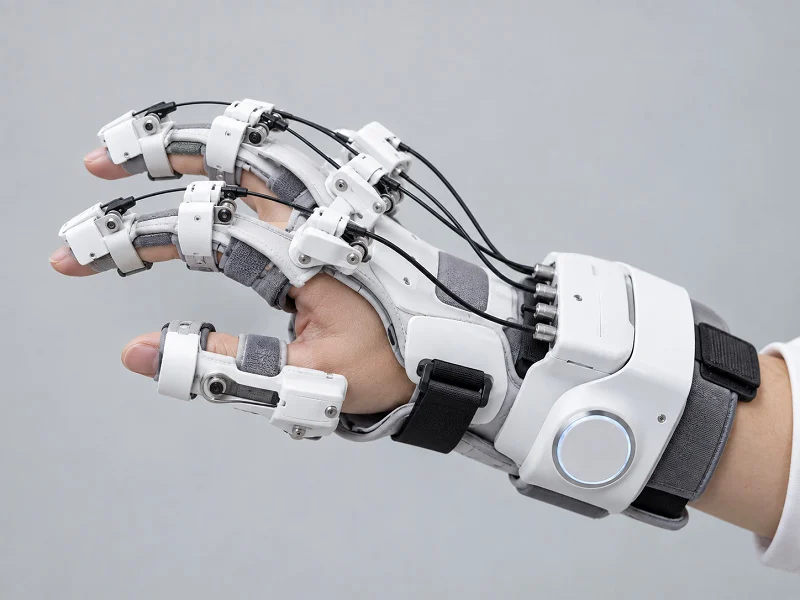
What processes, materials, and tolerances go into rehabilitation robot parts? That question matters more than ever. The global rehabilitation robots market reached USD 428.0 million in 2024, according to Grand View Research. Every rehabilitation exoskeleton robot parts set must balance precision, safety, weight, and biocompatibility. Patients wear these devices. A weak bracket or a rough edge can hurt someone. So engineers pick proven processes, tested materials, and tight tolerances. This guide walks through the practical side: machining and molding methods, ergonomic design choices, titanium and engineering plastics, inspection routines, and quality standards. You will also learn how to judge a manufacturing partner. Good rehabilitation exoskeleton robots start with good robot parts.
Manufacturing Processes for Rehabilitation Robot Parts
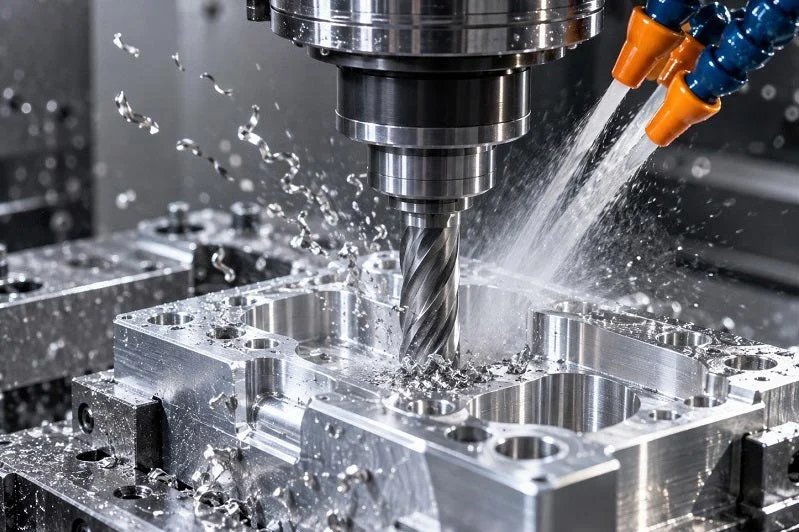
Choosing the right process begins with the part itself. A joint housing needs different handling than a soft cuff. Most rehabilitation robot parts fit into a few proven groups. Here is how they break down.
- CNC precision machining: the main process for complex, high-precision parts like joint housings and motor mounts
- Metal 3D printing: allows lightweight designs and complex built-in structures, great for R&D and small batches
- Injection molding: works well for mass production of plastic parts such as housings and protective covers
- Sheet metal fabrication: used for outside structures like body housings, chassis, and support frames
- Precision CNC turning: needed for rotating parts like shafts and bearing housings
- Surface treatment: boosts corrosion resistance, hardness, and lifespan through anodizing, passivation, or polishing
CNC Machining for Rehabilitation Robot Parts
CNC machining is at the heart of high-precision medical robot parts manufacturing. It handles complex shapes and holds tight tolerances that other methods cannot match. Think of robotic arms, brackets, and actuator housings — these parts need exact fits. A rehabilitation exoskeleton robot cnc components set often has dozens of such pieces.
Multi-Axis Milling and Turning
Multi-axis machines move the tool and the workpiece at the same time. That lets them cut angled faces, curved pockets, and compound holes in one setup. Fewer setups mean fewer alignment errors. Precision CNC turning covers the round parts: shafts, bearing seats, and motor spindles. Roundness and concentricity stay steady, which keeps joints moving smoothly.
Tight Tolerances in Metal and Plastic
CNC machine tools make complex movements with micron-level precision. That meets the strict quality standards medical devices require. Here is what that looks like in practice:
| Прецизна метрика | Achieved Level |
| Error threshold | 0.01mm error considered a safety risk and defect |
| Tolerance on 5-axis titanium joint | ± 0.005mm |
| Повърхностно покритие | Ra 0.8 or better, refinable with electropolishing or passivation |
For moving assemblies and precision joint systems, ±0.01mm tolerances are often required. This applies directly to titanium rehabilitation robot parts. Bearing bores, gear centers, and instrument docking interfaces usually land between ±0.005 mm and ±0.025 mm. Geometric callouts like true position, concentricity, and runout are standard for multi-axis assemblies. Surface roughness usually sits at Ra 0.4–0.8 μm for general mating surfaces, and Ra ≤ 0.2 μm for sliding or sealing surfaces. These specs get checked through CMM, FAI, and SPC.
Real exoskeleton parts show how this plays out. Joint housings in 6061 or 7075 aluminum need bearing bore concentricity within 0.1 mm and wall thickness of 2–3 mm, sometimes down to 1.5 mm. Positioning shafts in 303 or 304 stainless steel hold diameter tolerance of ±0.005 mm and roundness ≤0.005 mm. Lead screws run at C3 grade or higher in temperature-controlled shops at 20±1°C. The RoboGait rehabilitation exoskeleton system sourced about 90% of its mechanical parts from outside suppliers, covering CNC milling, turning, laser cutting, bending, and welding. The FreeGait active exoskeleton adjusts thigh, shin, and hip width for different body types — connector precision directly affects wearing comfort.
3D Printing for Rehabilitation Robot Parts
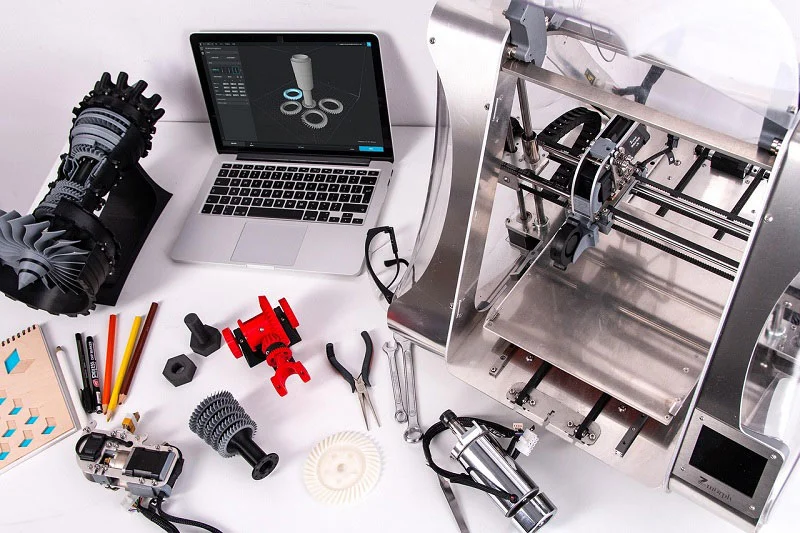
Additive manufacturing shines when geometry gets complicated. Internal channels, lattice structures, and organic shapes are hard to machine but easy to print. Metal 3D printing allows lightweight designs and integrated structures, which suits R&D and small batches.
FDM, SLS, and SLA Methods
FDM pushes melted plastic out layer by layer. It is cheap and fast, good for brackets and covers that do not face heavy loads. SLS fuses nylon powder with a laser, producing strong parts without support structures. SLA cures resin with light, giving smooth surfaces for fit checks and visual models. Each method trades speed, strength, and finish differently.
Custom and Low-Volume Production
Rehabilitation exoskeleton robots often serve small patient groups. Custom cuffs, orthotic interfaces, and one-off fixtures fit this model well. Tooling costs stay near zero, so design changes are cheap. That speed matters during clinical trials.
Sheet Metal and Molding for Rehabilitation Robot Parts
Frames and enclosures usually come from sheet metal. Plastic covers and soft elements come from molding.
Лазерно рязане, огъване и заваряване
Laser cutting, bending, and welding build rigid yet lightweight structural frames. The laser cuts outlines and internal features in one automated pass. A press brake then bends the sheet, and welding joins panels into a frame or chassis. This route is cost-effective for prototypes and low volume because it avoids expensive tooling. Only the laser path and bend sequence need programming. Aluminum, especially 6061-T6, is favored for its high strength-to-weight ratio, good weldability, and formability. One medical frame case study reported a 22% reduction in total assembly weight versus the legacy design, 100% dimensional repeatability, zero scrap, and 3 weeks shorter supply chain lead time. Steel adds rigidity but also mass. Carbon fiber offers premium lightweighting at higher cost.
Molding for Soft Robotic Elements
Injection molding handles mass production of plastic housings and protective covers efficiently. For soft robotic elements — pneumatic bladders, compliant grips, cushioning pads — silicone or thermoplastic elastomer molding takes over. These parts touch skin directly, so material choice and surface quality matter.
NOBLE, a leading manufacturing company in China, supports both prototyping and mass production for rehabilitation robot parts. Its team covers CNC, molding, and additive work under one roof, which shortens the path from design to finished part.
Design Considerations for Rehabilitation Robot Parts
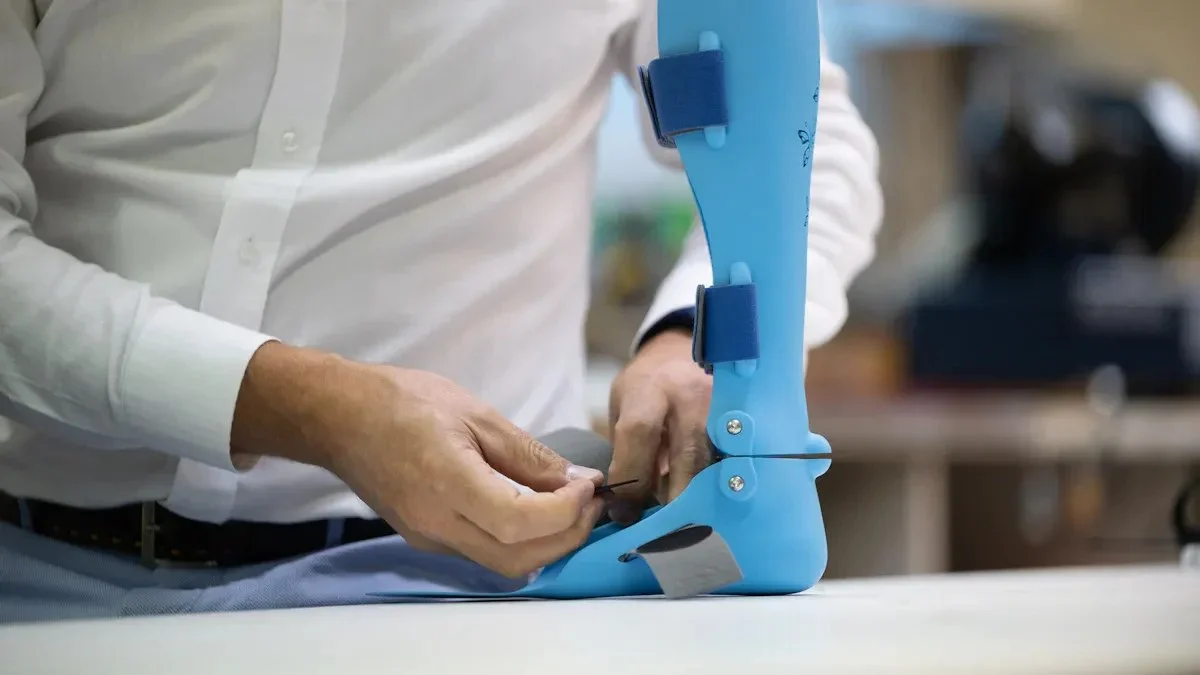
Good design starts with the patient. Every rehabilitation robot parts set must fit real bodies, real limits, and real clinical routines. Engineers weigh comfort against strength, and simplicity against safety. Here is how those trade-offs play out.
Функционален и ергономичен дизайн
Physical ergonomics drives most early decisions. Wearable and assistive technologies must accommodate anthropometry, biomechanics, posture, and fatigue across diverse body sizes, movement restrictions, and torque tolerances. Dynamic adjustability, torque regulation, and biomechanical transparency are critical features of robotic therapy platforms. A device that fits one patient perfectly may hurt another. So designers build in adjustment ranges from the start.
Cognitive ergonomics matters just as much. Interfaces for robotic controls and rehabilitation feedback must respect cognitive boundaries, prioritize information clarity, and minimize cognitive load to reduce errors and improve therapy adherence. Inclusive design helps too. Rehabilitation exoskeleton robots optimized for populations with obesity, contractures, or low literacy improve safety and adherence. Multi-stage prototyping and iterative testing are vital.
Намаляване на теглото и баланс
Light parts move easier and tire patients less. Aluminum frames, hollow sections, and strategic cutouts all cut mass. Balance matters just as much. A top-heavy rehabilitation exoskeleton robot components set strains the wearer. So engineers place motors and batteries close to the body’s center of gravity.
Интерфейс човек-машина
The interface must feel natural. Range of motion sometimes needs limits for safety. Balancing maximization of range of motion with patient safety is critical. Safety parameters define a restricted functional workspace, even though the robot’s mechanical range of motion far exceeds that of a human arm. Clear visual indicators, haptic boundaries, and override protocols keep users in control.
Структурна цялост и безопасност
Load-bearing parts face constant stress. Joint housings, brackets, and shafts must handle repeated cycles without cracking. Fatigue-failure models require embedding recovery cycles into robotics. AI-enhanced devices should auto-adjust torque based on user fatigue biomarkers. That reduces wear on both machine and patient.
Носеща способност и устойчивост на умора
Material choice and geometry share the load. Thicker walls add strength but also weight. Finite element analysis helps find the sweet spot. Stress concentrations at corners and holes get rounded or reinforced.
Fail-Safe and Redundant Mechanisms
Redundancy, predictability, and clarity form a triad of safe system design. Shared-control rehabilitation exoskeleton robots must incorporate clear visual indicators, haptic boundaries, and override protocols. Passive devices resist movement in the wrong direction to ensure safe and correct motion patterns. Haptic devices provide proprioceptive and tactile feedback to help patients correct movements.
Проектиране за производство и монтаж
Fewer parts mean fewer failure points. Reducing part count also cuts assembly time and cost. From a practical perspective, manufacturing robot parts with integrated features saves money and improves reliability.
Reducing Part Count
Combining functions into one machined piece beats bolting three together. It also tightens tolerances and reduces stack-up errors.
Почистване и стерилизация
Clinical settings demand clean surfaces. Smooth finishes, no crevices, and sterilizable materials keep medical robot parts safe. Every rehabilitation exoskeleton robot parts design should survive repeated cleaning without corrosion or cracking.
Materials for Rehabilitation Robot Parts
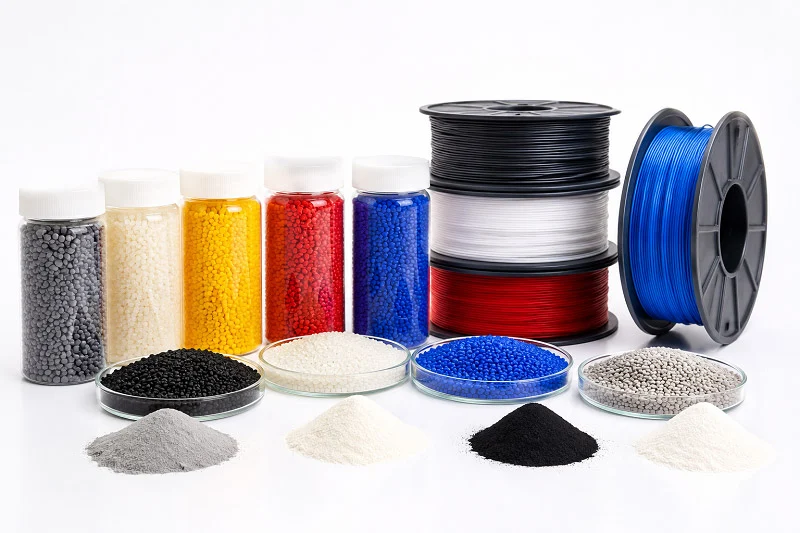
Material choice ties everything together in rehabilitation exoskeleton robots. A strong design fails fast if the material cannot handle the load, the cleaning routine, or close contact with skin. Engineers pick from a short list of proven options. Each one trades something — weight against strength, cost against safety for living tissue. These four material groups cover most of the critical robot parts in an exoskeleton.
Titanium Alloys for Rehabilitation Robot Parts
Titanium leads where weight and safety with the body both matter. It gives the best strength-to-weight ratio among common medical metals.
Grade 5 and Grade 23 Properties
Grade 5 (Ti-6Al-4V) is the workhorse. Tensile strength hits roughly 900 MPa. Yield strength sits around 830 MPa. Density runs 4.43 g/cm³. Fatigue resistance is excellent thanks to a fine structure and low impurity content. Ductility stays good too, which lets the material absorb hits without cracking.
Grade 23 (Ti-6Al-4V ELI) goes further. Lower impurity levels give about 30% better impact toughness at -40°C. That matters for parts facing sudden loads or cold places. Typical uses include harmonic drive flexsplines, output flanges, and medical robot gripper fingers. Making both grades follows strict medical rules to control impurities and ensure steady properties.
Biocompatibility and Strength
Safety with the body is not optional for rehabilitation robot parts. ISO 10993 standards guide biological testing. Tests check for cell damage and allergy risk. The FDA classifies medical exoskeletons as Class II devices. That means full material checks — cell damage tests, allergy studies, and long-term safety checks. These rules limit not just the base metal but also surface treatments and coatings.
General targets for medical robot parts include density below 3.0 g/cm³, tensile strength above 500 MPa, and fatigue resistance over 10⁶ cycles without failure. Titanium beats the strength target by a wide margin. Its density sits above 3.0, but the strength and fatigue gains make up for it. For implantable or long-contact uses, Ti-6Al-7Nb offers another option. It replaces vanadium with niobium to avoid any possible sensitivity problems. These bio-compatible titanium alloys also have a lower elastic modulus that better matches human bone properties.
Engineering Plastics for Rehabilitation Robot Parts
Metals cannot do everything. For lighter, non-load-bearing robot parts, plastics offer real benefits.
PEEK, PEI, and POM
PEEK (polyether ether ketone) stands out for wear resistance and chemical resistance. It handles friction against moving metal surfaces without galling. PEI (polyetherimide) offers similar strength with higher temperature tolerance. POM (polyoxymethylene, or acetal) brings low friction and good dimensional stability for bushings, guides, and snap-fit housings. Making PEEK needs high-temperature machines, but the result resists the chemicals found in medical cleaning agents.
Съвместимост при стерилизация
Sterilization makes or breaks a plastic for reusable medical robot parts. PEEK survives repeated autoclaving at 134°C. Ethylene oxide exposure works too. So does hydrogen peroxide plasma. Gamma-ray sterilization also works — tests confirm stability under all three methods. That flexibility makes PEEK a top choice for parts that must handle hundreds of cleaning cycles. PEI and POM handle ethylene oxide and gamma radiation well, though they have lower temperature limits than PEEK.
Stainless Steel and Aluminum for Rehabilitation Robot Parts
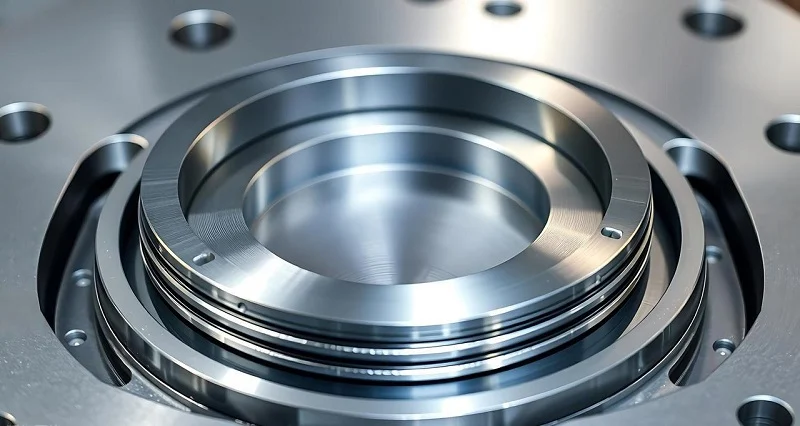
For frames, brackets, and structural parts, stainless steel and aluminum remain the defaults. Each offers a different balance of strength, weight, and cost.
316L and 17-4 PH Stainless Steel
316L stainless steel contains molybdenum. That addition makes a big difference. It greatly improves resistance against chlorides and cleaning chemicals. Standard 304 steel can pit and corrode under repeated autoclave cycles. 316L holds up. The metal withstands high temperatures, steam, and repetitive autoclaving without breaking down. Baskets, racks, and trays made from 316L do not warp, corrode, or degrade over time. For rehabilitation exoskeleton robots, that means joint housings and structural brackets that survive years of clinical use.
These medical robot parts need materials that hold up under constant reprocessing. The making of 316L includes careful control of molybdenum content for steady corrosion resistance. 17-4 PH stainless steel adds precipitation hardening. It reaches higher strength than 316L while keeping good corrosion resistance. It works for pins, shafts, and high-stress fasteners that need both strength and corrosion protection.
6061 и 7075 алуминий
6061 aluminum is the default for lightweight frames. It machines well, welds easily, and costs less than titanium. Good weldability and formability make it practical for complex shapes. One medical frame redesign using 6061-T6 cut total assembly weight by 22% while keeping full dimensional repeatability and zero scrap.
7075 aluminum trades some corrosion resistance for higher strength. It approaches the strength of some steels at about one-third the weight. That suits load-bearing arms, brackets, and actuator housings where every gram counts. Making robot parts from 7075 needs careful surface protection — typically anodizing or conversion coating — to prevent galvanic corrosion when paired with stainless steel fasteners.
Material selection is always a balancing act. Titanium delivers the best strength-to-weight and safety with the body at a higher cost. Engineering plastics reduce weight and simplify sterilization. Stainless steel and aluminum provide proven, cost-effective structural options. Good rehabilitation exoskeleton robot parts start with the right material choice.
Tolerances and Inspection for Rehabilitation Robot Parts
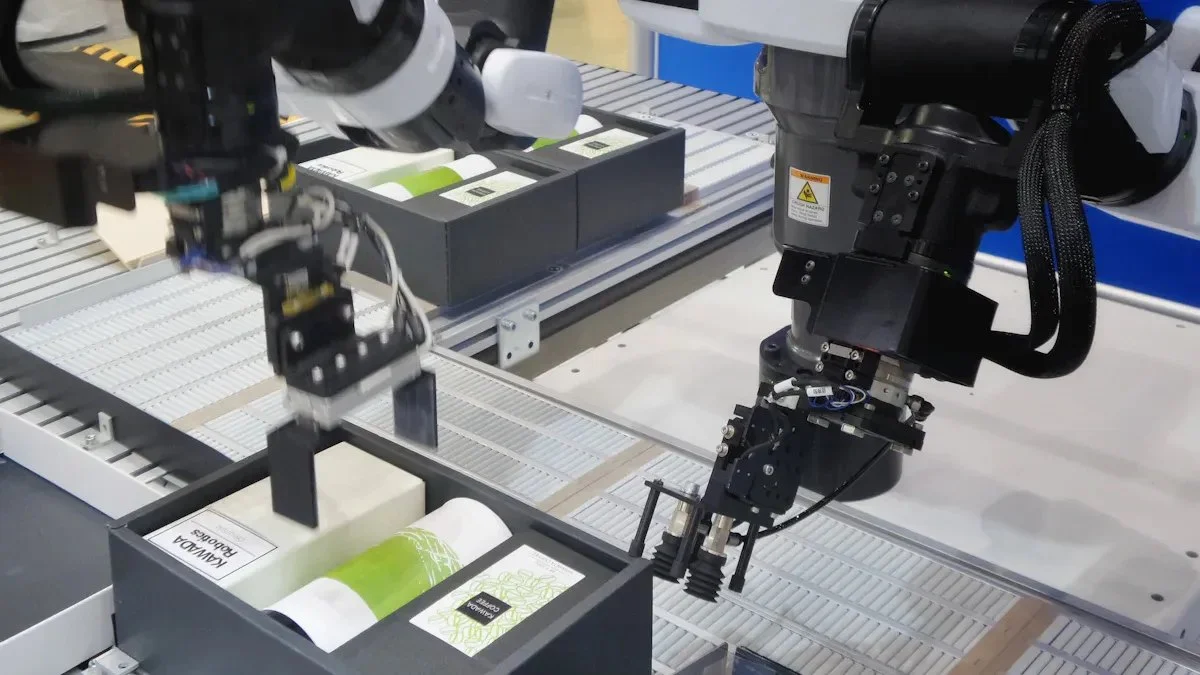
Tolerances decide if a device fits together well and feels good on a patient. If they are wrong, a joint sticks or a cuff presses hard. Inspection checks that the numbers are correct. Here is how both work in practice.
Допуски на размери
A tolerance is the small amount of change allowed on a measurement. Tight tolerances cost more, so engineers only make them tight where it matters. Bearing bores, gear centers, and docking interfaces usually fall between ±0.005 mm and ±0.025 mm. General mating surfaces are closer to ±0.01 mm. Wall thickness on aluminum joint housings is 2–3 mm, sometimes down to 1.5 mm. Shaft diameters in stainless steel stay at ±0.005 mm with roundness at or below 0.005 mm. These numbers help rehabilitation exoskeleton robots move smoothly.
Типични диапазони на толеранс
| Особеност | Типична толерантност |
| Bearing bores and gear centers | ±0.005 mm до ±0.025 mm |
| General mating surfaces | ± 0.01 мм |
| Joint housing concentricity | В рамките на 0.1 мм |
| Shaft roundness | ≤ 0.005 mm |
GD&T for Fit and Function
GD&T stands for geometric dimensioning and tolerancing. It goes beyond simple size limits. It controls true position, concentricity, and runout. These callouts matter for multi-axis assemblies, where small angular errors add up fast. A true position callout on a bolt pattern keeps every hole lined up. A runout callout on a shaft keeps the joint from wobbling. For precision parts for medical robots, GD&T turns vague “make it fit” requests into measurable numbers.
Изисквания за покритие на повърхността
Rough surfaces trap bacteria and wear out quickly. Smooth surfaces cost more to make. The right finish depends on what the surface touches.
Ra Values for Critical Surfaces
Ra measures the average roughness of a surface. General mating surfaces usually have Ra 0.4–0.8 μm. Sliding and sealing surfaces need Ra ≤ 0.2 μm. That level keeps seals tight and reduces friction. Parts that touch skin also benefit from a fine finish, because rough edges bother patients.
Post-Processing Methods
Machining alone rarely reaches these numbers. Electropolishing smooths metal at a very small level and removes burrs. Passivation forms a rust-resistant layer on stainless steel. Anodizing hardens aluminum and adds color coding. Each method changes the surface without changing the part’s main size.
Измерване и проверка
You cannot ship a part you cannot measure. Inspection catches problems before they reach a patient.
CMM, Optical, and Contact Methods
A coordinate measuring machine, called a CMM, touches the part with a probe and records exact positions. It handles complex 3D shapes well. Optical systems scan parts with light and compare them to CAD models. They are fast and do not touch the part. Contact methods like micrometers and gauges work for simple features. Most shops use all three.
Първият артикул и проверките в процеса на производство
First article inspection, called FAI, checks the first part against every drawing measurement. It confirms the process works before full production starts. In-process checks then test some parts during the run. Statistical process control, or SPC, tracks trends so workers catch changes early. Temperature-controlled shops at 20±1°C keep measurements steady. This method is standard for making robot parts that go into clinical settings.
Quality and Compliance for Rehabilitation Robot Parts
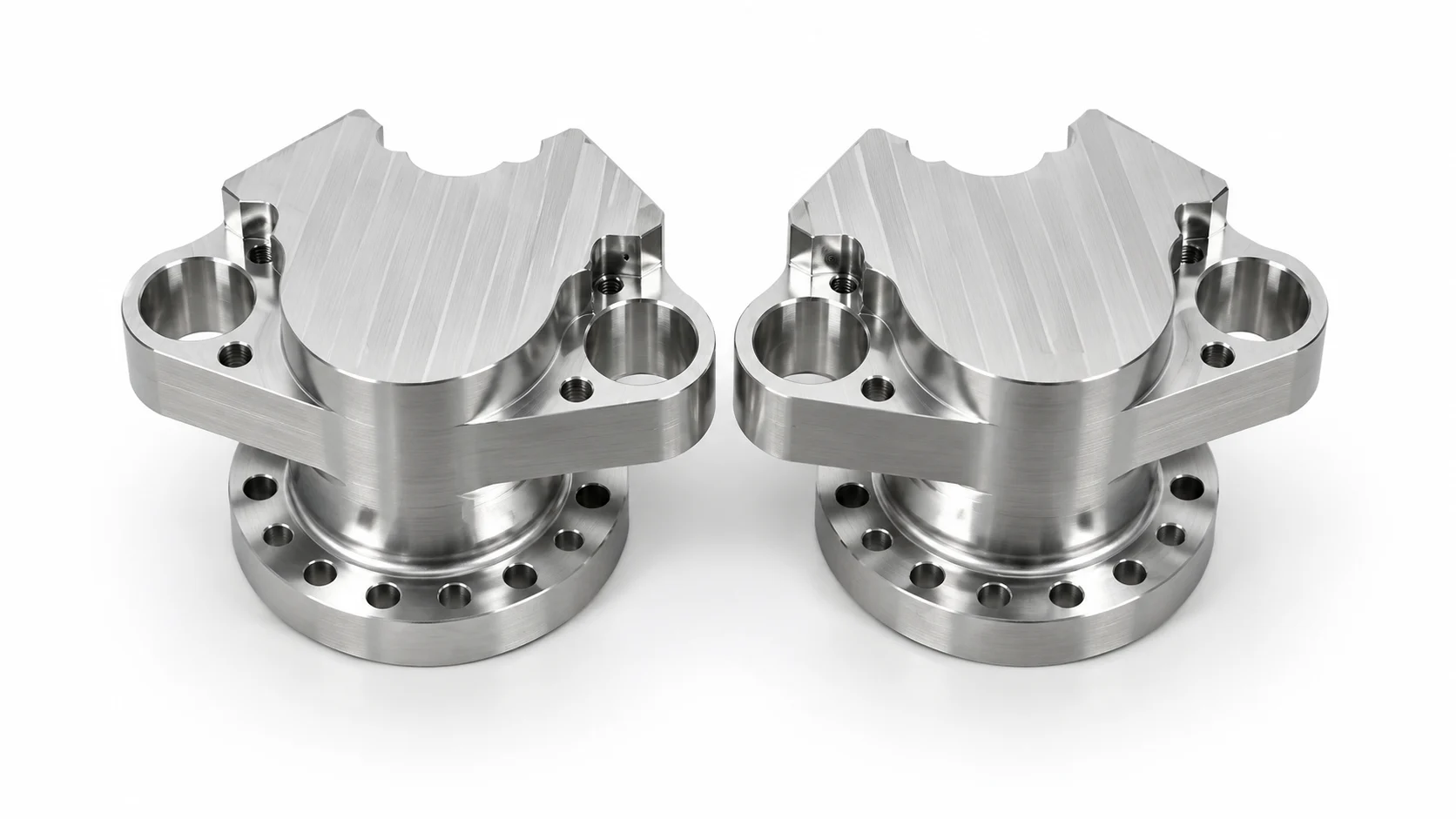
Quality standards keep patients safe. Rules like ISO 13485 and FDA regulations guide every step of making robot parts. Here is how those standards work in practice.
ISO 13485 for Medical Robot Parts
ISO 13485 is the main quality standard for making medical devices. It covers everything from writing a procedure to tracking a part through the shop floor. For medical robot parts, this standard is the starting point.
Document Control and Traceability
Document control means every process has a written procedure. You cannot change a step without approval. That sounds strict. But when a part goes into a rehabilitation exoskeleton robots device, you need to know exactly how it was made. Traceability goes further. Every batch of material gets a lot number. Every operator logs their work. If a problem shows up later, you can trace it back to the raw material.
Process Validation and Risk
Some processes need validation. Welding and sterilization are good examples. You prove the process works before you use it. Then you watch it during production. Risk management follows ISO 14971. You find hazards — a sharp edge or a loose fastener. Then you lower those risks. For making robot parts, risk management is a never-ending loop. You assess, fix, and assess again.
FDA and Regulatory Pathways
The FDA puts devices into three categories. The class decides how much testing you need. This directly affects how you build rehabilitation exoskeleton robots.
Class I, II, and III Devices
Class I devices are low risk. Bandages fit here. Class II devices carry moderate risk. Most rehabilitation exoskeleton robots are Class II. That means you need 510(k) clearance. You show the device is similar to an existing approved device. Class III devices are high risk. Implants fall here. Clinical trials are often required. Each class demands different levels of testing for your robot parts.
Биосъвместимост и стерилизация
Any part that touches skin needs biocompatibility testing. ISO 10993 sets the rules. You test for irritation and toxicity. Sterilization validation is another requirement. If a part is labeled sterile, you prove the cycle works. Materials like PEEK and titanium make this process easier. They resist damage from repeated cleaning.
Audits and Documentation
Audits check that you follow your own procedures. They happen inside and outside the company.
Вътрешни и външни одити
Internal audits happen at least once a year. The scope covers every process in the quality system. You check if your procedures for making robot parts match what workers actually do. According to ISO 13485, you must audit all processes in the quality management system at least once a year. External audits come from customers and regulators. A customer might audit your facility before placing an order. Notified bodies audit for ISO 13485 certification. Each audit produces findings. You fix non-conformances and update procedures.
Material and Inspection Reports
Every part needs paperwork. Material certificates show the alloy meets specifications. Inspection reports show the part passes dimensional checks. First article reports compare the first part against every drawing callout. These documents stay on file for rehabilitation exoskeleton robots projects. Regulators and customers can ask for them at any time. Good documentation builds trust.
NOBLE’s Expertise in Rehabilitation Robot Parts

NOBLE has many years of practical experience with rehabilitation robot parts. The company works with both metal and plastic, so customers do not have to manage many suppliers. This one-source method saves time and keeps quality consistent.
Обработка на метал и пластмаса
CNC, Molding, and Additive
NOBLE does CNC machining, injection molding, and additive manufacturing in one place. This mix covers almost all needs for rehabilitation robot parts. Metal frames come from multi-axis mills. Plastic covers come from molds. Complex lattices come from printers. The team also helps make robot parts at both prototype and large-scale levels.
Повърхностна обработка и монтаж
Finishing is important for medical robot parts. NOBLE uses anodizing, passivation, and polishing to meet surface requirements. Then assembly puts those pieces together. Workers check fit and function before anything ships. This step finds problems early and keeps high-quality robot parts going to customers.
Сертификати и качество
ISO 9001:2015 и ISO 13485:2016
Certifications show that a shop can do medical work. NOBLE has both important standards.
Noble has passed ISO13485 medical device quality management system certification!
| сертифициране | Обхват/Цел |
| ISO 9001: 2015 | Quality management system that covers written processes for making medical robot parts |
| ISO 13485: 2016 | Medical device quality standard that adds rules for medical use, contamination control, and tracking of high-precision medical robot parts |
Traceability and Inspection
Tracking parts is required for rehabilitation exoskeleton robots. Every part must be followed from raw material to finished product.
Every part must be fully traceable from raw materials to finished product, following ISO 13485 quality system. NOBLE, certified to ISO 9001 and ISO 13485, gives full traceability and complete compliance with international standards for its precision parts.
- The full quality system is supported by official certificates and complete written records.
- ISO 13485:2016 has strict rules for making medical devices. It requires full part tracking and careful processing tests.
- ISO 13485 certification shows that a CNC supplier has a quality system that can make steady, trackable, and fully tested parts.
Услуги от край до край
Проектиране до производство
NOBLE does more than cut metal. The team offers industrial design, structural design, and electronic and software design. Rapid prototyping leads to low volume production, then mass production. This path helps rehabilitation exoskeleton robots go from idea to clinic faster.
Инженерна поддръжка
Structural design optimization and parts machining complete the service list. Engineers work with customers to reduce weight, increase strength, and choose the right materials. That support turns a rough idea into parts that can be made. For anyone choosing a partner, NOBLE covers the whole journey — design, manufacturing, and assembly — with the documents to support it.
Choosing the right process is important. CNC machining, 3D printing, sheet metal work, and molding each fix a different problem. Titanium, PEEK, stainless steel, and aluminum cover most needs. Tolerances, surface finish, and inspection keep every rehabilitation robot parts set safe. ISO 13485 and FDA rules add another layer of trust. So check a partner’s skills, certifications, and full support before you decide. That choice shapes your robot parts. Good manufacturing turns a design into reliable rehabilitation exoskeleton robots. It also keeps medical robot parts affordable at scale. The future looks bright. Precision robot parts manufacturing will push rehabilitation exoskeleton robots toward lighter, smarter, and safer care. And rehabilitation robots will keep getting better because of it.
FAQs of Rehabilitation Robot Parts
What tolerances do rehabilitation robot parts typically need?
Bearing bores and gear centers usually fall between ±0.005 mm and ±0.025 mm. General mating surfaces hold ±0.01 mm. Shaft diameters stay at ±0.005 mm with roundness at or below 0.005 mm.
Why is titanium such a common choice for rehabilitation robot parts?
Titanium gives the best strength-to-weight ratio among medical metals. Grade 5 reaches about 900 MPa tensile strength. It fights off corrosion and is safe against skin.
Can you use 3D printing for functional rehabilitation robot parts?
Yes, especially for complex shapes like internal channels and lattice structures. Metal 3D printing works well for small batches and prototypes. It skips expensive tooling costs and allows quick design changes.
What surface finish do rehabilitation robot parts need?
General mating surfaces sit at Ra 0.4–0.8 μm. Sliding and sealing surfaces need Ra ≤ 0.2 μm. Electropolishing and passivation help reach those numbers after machining.
How do manufacturers inspect rehabilitation robot parts?
CMM probes touch the part and record exact positions. Optical systems scan parts against CAD models. First article inspection checks every measurement before full production starts.
What quality standards apply to rehabilitation robot parts?
ISO 13485 covers medical device quality standards. Most rehabilitation exoskeleton robots fall under FDA Class II. Biocompatibility testing follows ISO 10993 standards.
Why does material choice matter so much for rehabilitation robot parts?
The material must handle loads, cleaning routines, and skin contact. PEEK survives repeated autoclaving. Titanium resists corrosion. Aluminum keeps frames light. Pick wrong, and the part fails early.