Introduction
For basic parts, standard casting methods are perfectly feasible: pour metal into a mold, allow it to cool, and then remove the part. This method meets many requirements.
However, once the limits of the material are exceeded, vacuum metal casting fails. Oxidation occurs, gases become trapped inside, and porosity develops. Parts fail even before they are subjected to any load. The problem lies not with the metal itself, but with the casting environment.
Vacuum metal casting eliminates these environmental influences—no air, no moisture, and no oxidation. The molten metal remains pure, and the resulting parts are dense. For components that cannot tolerate internal defects, this is the preferred solution.
This guide covers three things. The specific alloys that benefit most from the process. The advantages and the trade-offs. The real-world applications where vacuum metal casting is not optional but mandatory.
Which Alloys Can Be Used for Vacuum Metal Casting?
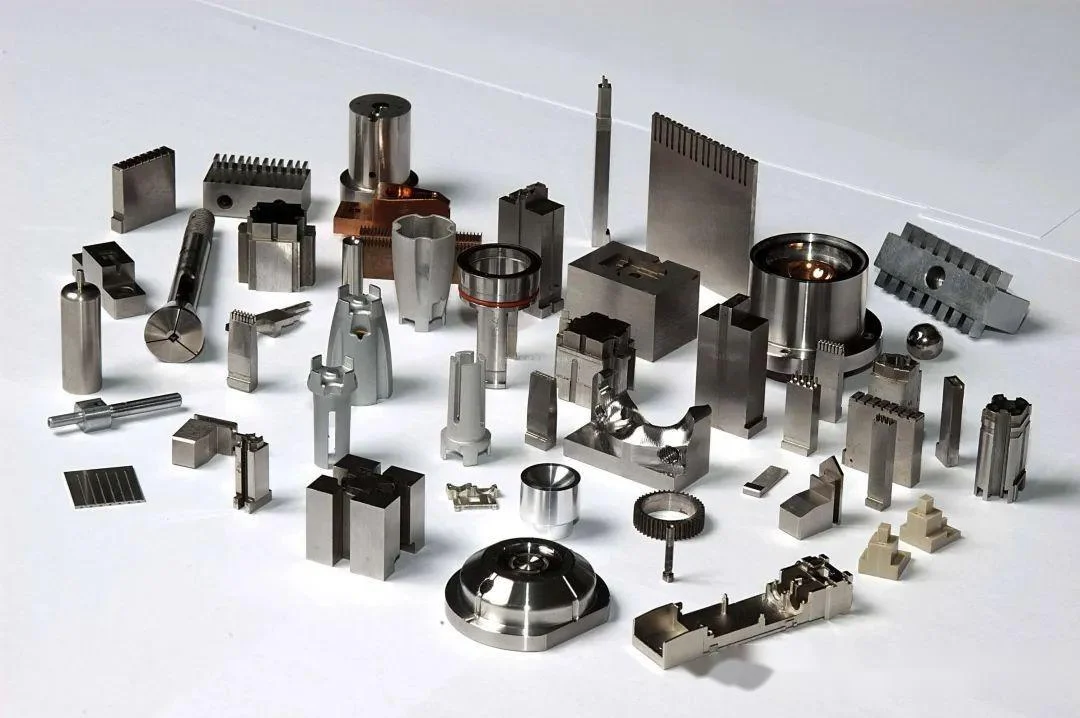
Some metals react with air, causing oxidation and gas absorption, which ultimately leads to brittle or porous castings. Vacuum metal casting solves this problem by removing the reactive atmosphere. The following are the categories that benefit the most.
Reactive Metals
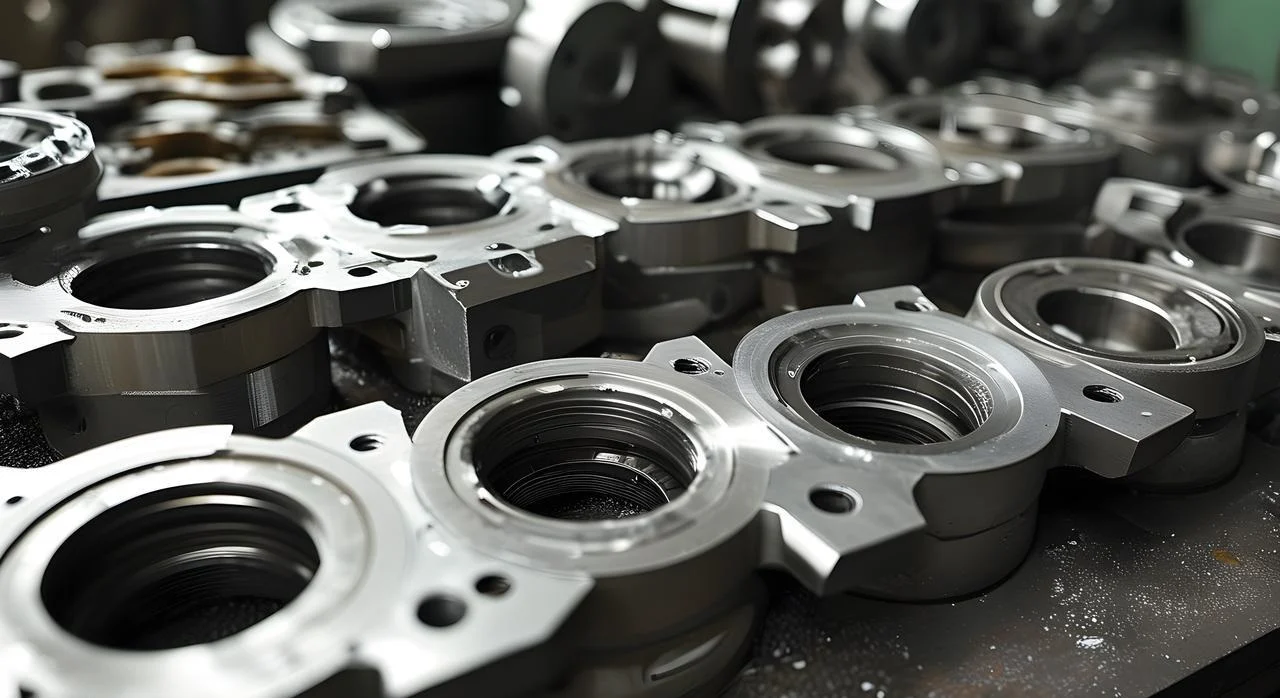
Titanium alloys—with Ti-6Al-4V as the standard—have a strong affinity for oxygen. A thin oxide layer forms on their surface. This is not a problem in itself. However, oxygen also dissolves into the material, causing the crystal structure to become brittle and thereby shortening its fatigue life. Zirconium behaves similarly. Both of these materials must be melted and cast in a vacuum or inert atmosphere, without exception.
These vacuum-cast alloys are widely used in fields with extremely high requirements for weight and strength, such as aerospace, medical implants, and high-performance automotive components. Since these components cannot tolerate oxygen infiltration, their high cost is entirely justified.
High-Temperature Superalloys
Nickel-based alloys like Inconel 625, 713C, and 718 are designed for extreme heat. They maintain strength at 700°C and above. But they are sensitive to gas pickup during melting. Oxygen and nitrogen form carbides and nitrides at grain boundaries. The alloy becomes brittle. Creep resistance drops.
Cobalt-based alloys (such as Stellite) are used in wear-resistant applications, such as valves, valve seats, and cutting edges. To maintain their hardness and corrosion resistance, these alloys require a high-purity melting process.
Vacuum metal casting is essential for turbine blades, engine components, and exhaust systems. Without vacuum protection, these alloys cannot meet the required mechanical properties.
High-Grade Steels
Stainless steel and low-alloy steel are not as reactive as titanium. However, when melted in air, they absorb hydrogen. This hydrogen dissolves in the molten metal and escapes during solidification, resulting in porosity. Worse still, hydrogen embrittles the metal structure, leading to a significant reduction in fatigue life.
Vacuum metal casting removes hydrogen before it becomes a problem. The melt is degassed in a vacuum environment, keeping the steel pure and improving its fatigue life. This is critical for gears, shafts, and landing gear components.
Aluminum Alloys
Aluminum is not the most obvious candidate for vacuum melting. It oxidizes quickly, but the oxide film is protective. The real issue is gas porosity. Hydrogen dissolves readily in molten aluminum. It forms pinholes during solidification. Mechanical properties suffer.
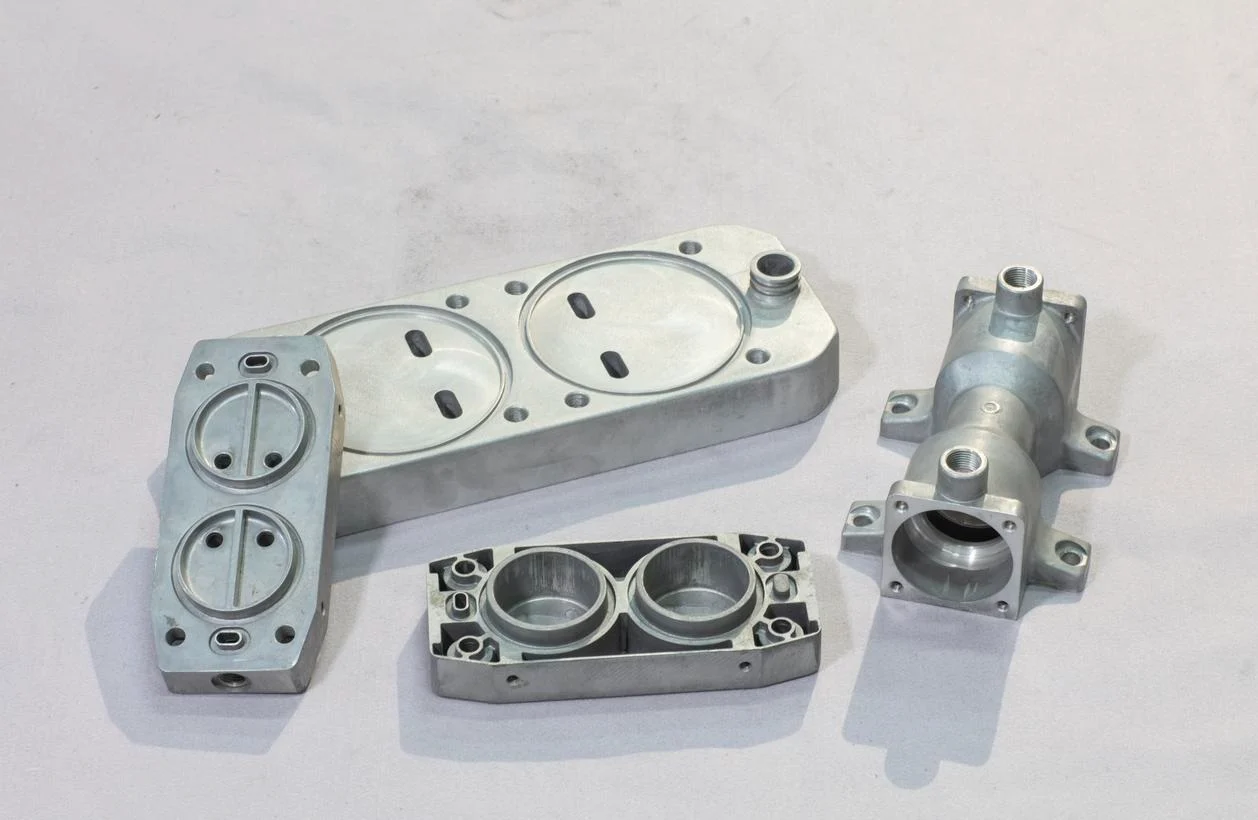
Alloys like AlSi10Mg and Aluminum-Lithium grades gain from vacuum processing. The melt degasses thoroughly. The casting becomes dense. For automotive die-cast components, porosity leads to pressure leaks and machining issues. Vacuum metal casting eliminates those problems.
What Is the Most Commonly Used Metal in Metal Vacuum Casting?
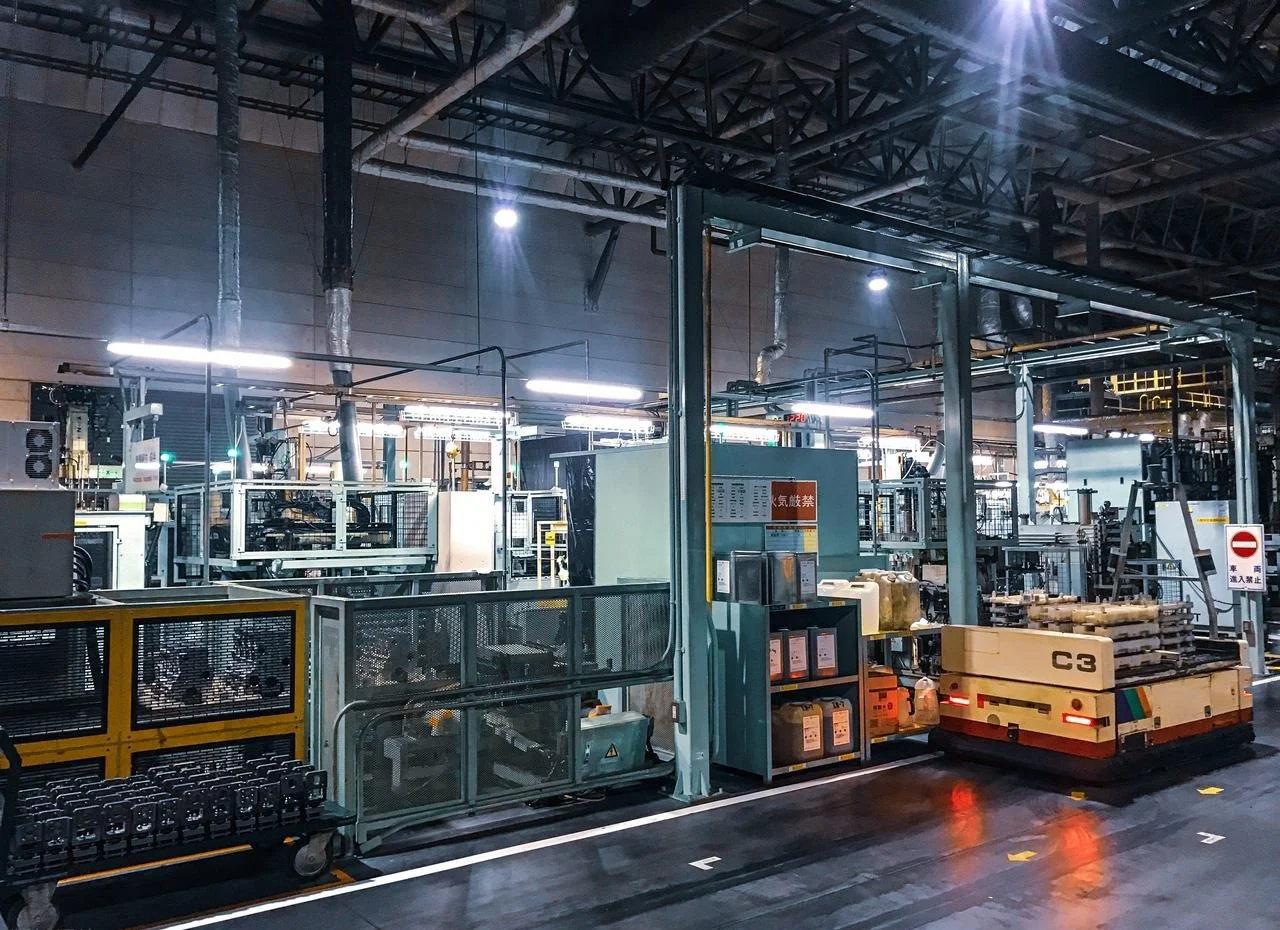
Nickel-based superalloys, cobalt-based superalloys, and titanium alloys. They are the most frequently processed materials in vacuum metal casting. Not because they are cheap. Because they demand the process.
The Critical Factor
Reactivity is the determining factor. These metals have a very strong affinity for oxygen. Titanium actively absorbs oxygen. Nickel alloys react at high temperatures. Cobalt-based alloys form oxides, which weaken structural strength.
Reactivity is the determining factor. These metals have a very strong affinity for oxygen. Titanium actively absorbs oxygen. Nickel alloys react at high temperatures. Cobalt-based alloys form oxides, which weaken structural strength.
Vacuum metal casting eliminates the effects of the atmospheric environment. The melt remains pure, and the solid-phase structure remains intact, thereby ensuring metallurgical integrity. This is the sole reason these alloys can perform in critical applications—such as turbine blades, jet engine components, medical implants, and high-performance automotive parts.
Cost Justification
These metals are expensive. The vacuum process adds to the cost. However, other methods are even less desirable. If cast in air, the scrap rate would be as high as 50% to 80%. That is not manufacturing; it is a waste of material. The vacuum process minimizes the scrap rate, improves yield, and brings the cost per good part down to an acceptable level.
This is why nickel, cobalt, and titanium are the most common choices for vacuum casting. Vacuum metal casting is not an option; it is the only way to ensure the reliable performance of these alloys.
Pros and Cons Compared to Other Processes
Every process involves trade-offs. Vacuum metal casting is no exception. Its advantages are tangible, and so are its costs. The following outlines the trade-offs between the two.
Pros of Vacuum Metal Casting
-
Superior Purity
No oxygen. No moisture. No gas inclusions. The melt remains pure. The solid phase remains dense. The data confirms this. In aluminum alloys, vacuum casting can increase tensile strength by more than 6% and ductility by 25%.
-
Excellent Surface Finish & Accuracy
The mold fills cleanly. No oxide films form on the surface. No gas bubbles create surface defects. The part comes out smoother. Tolerances are tighter. Secondary processing is reduced and can sometimes be eliminated.
-
Complex Geometries
Thin-walled sections are filled. Complex cross-sections are reproduced. A vacuum draws the metal into the mold. No residual air hinders the flow. Parts that were impossible to produce using gravity casting are now commonplace.
-
Environmental Benefits
In sand casting, the V-process uses a vacuum to bind sand particles together. It requires no chemical binders or organic solvents, resulting in less waste and a cleaner workshop environment.
These are the main pros and cons that NOBLE engineers weigh when considering vacuum metal casting. The advantages are compelling. But the disadvantages matter just as much. They determine whether the process is justified for a given part.
Cons of Vacuum Metal Casting
-
High Cost
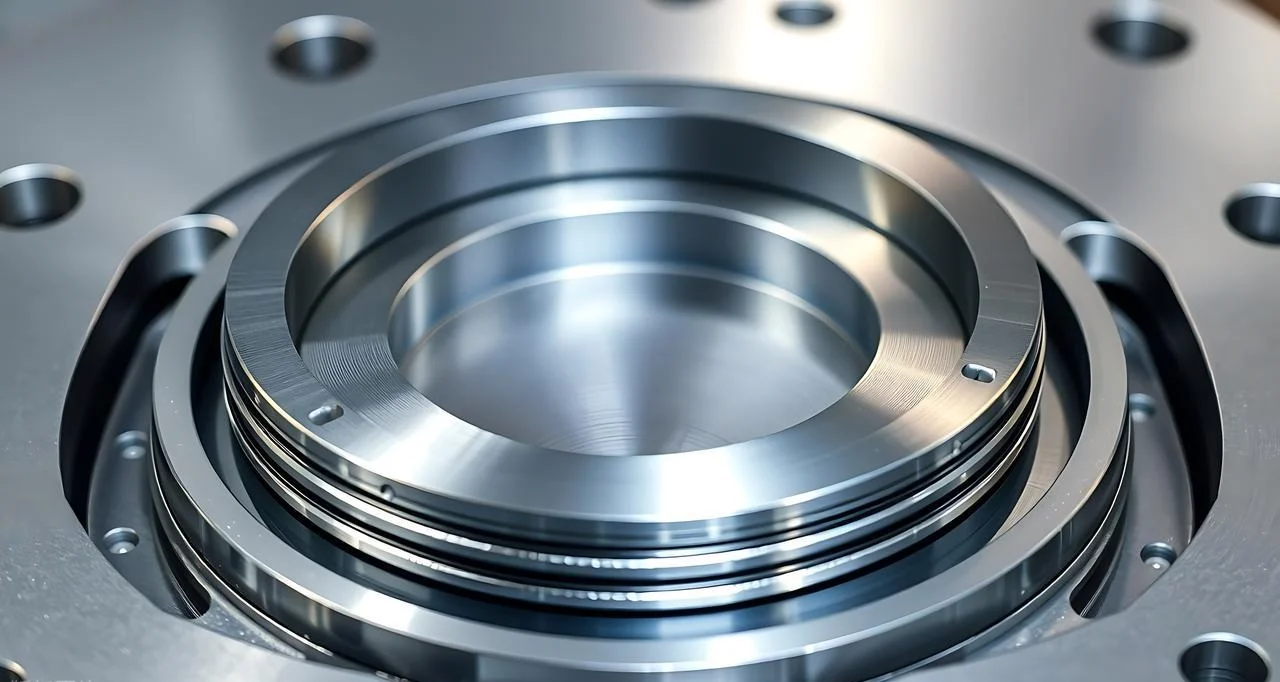
Vacuum metal casting equipment is expensive. The vacuum chamber, pumps, and sealing systems are all costly. Maintenance costs also add to the operating budget. Pumps require overhauls, and seals need to be replaced. The capital expenditure is quite substantial.
-
Slower Production
The cycle time is longer than gravity or die casting. The chamber must be evacuated. The melt must be held under vacuum. The cooling rate is controlled. Vacuum metal casting is not intended for high-volume production; rather, it is best suited for small- to medium-volume production.
- Process Limitations
Some variations impose geometric restrictions. The V-process struggles with large plate-like shapes. Large steel ingots develop “crown” defects—a raised center section caused by uneven solidification under vacuum. These are not deal-breakers. But they are constraints that design engineers must respect.
Decision Matrix:
Once the application scenario is clear, the choice becomes obvious.
Choose vacuum metal casting: Suitable for critical components in the aerospace or medical fields where failure is absolutely unacceptable. Turbine blades. Implants. Airframe structural components. Since these components must never fail, the cost is justified.
Choose traditional casting: Suitable for high-volume, low-cost consumer parts where a certain level of porosity is acceptable. Brackets. Housings. Decorative parts. If a small number of pores do not affect functionality, it makes sense to save on costs.
The above outlines the practical advantages and disadvantages of vacuum casting from a production perspective. Vacuum metal casting is not superior in all cases, but it offers distinct advantages in the right applications. A decision matrix can help match the process to the specific part.
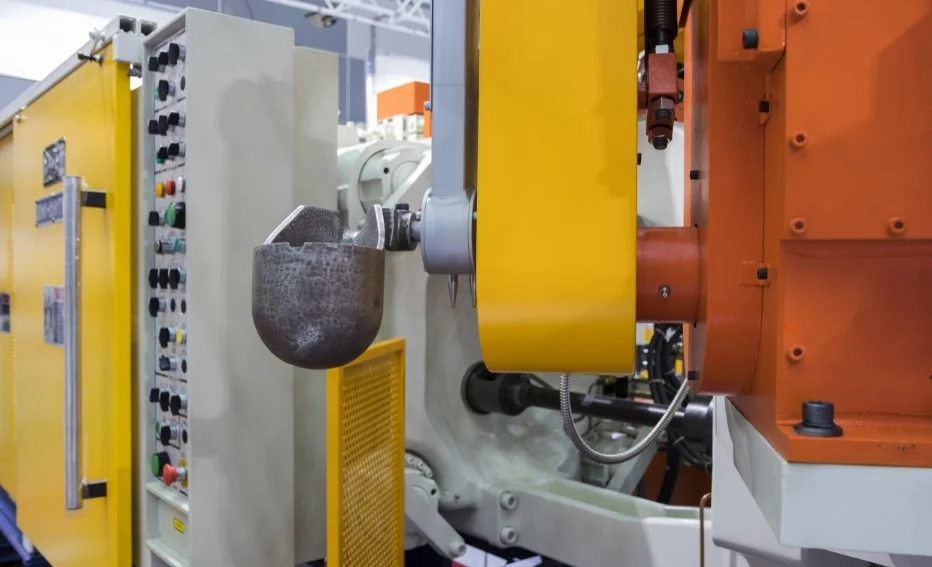
Practical Applications of Vacuum Metal Die Casting
All applications of vacuum casting share a common principle: parts must never fail. Whether under stress, during long-term use, or in actual operation, they must never fail. The cost of failure is simply too high. It is precisely for this reason that vacuum metal casting was developed.
Aerospace & Defense
Turbofan blades rotate at high speeds. Engine components are subjected to extreme temperatures. Structural components, meanwhile, bear the load of the entire aircraft. Nickel-based superalloys—such as Inconel and Waspaloy—are the materials of choice. They retain their strength even at 700°C. However, to fully realize their performance potential, they must undergo vacuum treatment. Porosity can cause them to fail, while oxidation shortens their service life. Vacuum metal casting produces the pure microstructure required for these components.
Medical
Implants are inserted into the human body, while surgical instruments are used for cutting and grasping. Both must be biocompatible and require absolute cleanliness. Titanium alloys dominate this field. Small-batch customization is very common. The use of vacuum casting in the medical device industry is growing because it produces defect-free components with predictable mechanical properties. The absence of porosity means there are no corrosion sites; the absence of inclusions means there are no fatigue initiation points.
Automotive
Lightweight structural components can reduce fuel consumption. The impeller of a turbocharger rotates at speeds of up to 150,000 revolutions per minute. Both of these factors place high demands on strength and density. The use of aluminum-lithium alloys and titanium is becoming increasingly common. Vacuum metal casting enables thin-walled designs, whereas traditional casting processes cannot reliably fill such structures.
General Industrial
Heavy machinery components—pump housings, valve bodies, high-pressure fittings—see cyclic loads and corrosive fluids. Stainless steels and nickel alloys are standard. Vacuum metal casting ensures these parts are free of porosity that would cause them to leak or crack.

Why Choose NOBLE for Vacuum Metal Casting?
Our Core Capabilities
Metal processing covers precision machining, casting, and finishing. Plastic processing covers injection molding, CNC machining, and custom fabrication. These are not separate departments. They are integrated capabilities. One part can be cast and machined. Another can be molded and assembled. The transition is seamless.
Full-Service Offering
Manufacturing isn’t the whole story. The entire process begins much earlier: design reviews, design for manufacturability (DFM), and prototyping. After machining, the process continues with assembly, finishing, and packaging. NOBLE offers end-to-end solutions. This makes us a full-service manufacturing partner—not just a manufacturer.
Quality You Can Rely On
ISO 9001:2015 covers quality management systems for general manufacturing. Processes are consistent. Controls are documented. Inspections are traceable.
ISO 13485:2016 adds the stringent requirements necessary for medical devices. Stricter traceability. More rigorous process validation. Documentation is complete and thorough. This certification establishes NOBLE as an ISO 13485-certified manufacturer, qualifying it to serve the highly regulated medical device industry.
Partner with NOBLE
Whether you have a vacuum-cast turbine component that requires ultra-precise 5-axis finishing, a medical implant housing that needs a flawless surface finish, or a complex assembly that combines sheet metal and machined parts, NOBLE is your single-source solution.
FAQ
Can aluminum be vacuum cast?
Yes. Alloys like AlSi10Mg are commonly processed this way. The vacuum removes dissolved hydrogen, eliminating porosity and improving mechanical properties.
Why is titanium cast in a vacuum?
Titanium reacts aggressively with oxygen and nitrogen at high temperatures. The vacuum removes these gases, preventing embrittlement and preserving ductility.
Is vacuum casting expensive?
The equipment and maintenance costs are high. But for high-value, critical parts, the yield improvement and defect reduction justify the investment.
What is the difference between vacuum casting and die casting?
Die casting is high-volume and fast. Vacuum metal casting prioritizes quality over speed, eliminating gas defects that die casting cannot avoid.
What industries benefit most from vacuum metal casting?
Aerospace, medical, automotive, and defense. These industries use critical components where porosity is unacceptable.
Does NOBLE provide design services?
Yes. We offer full design-to-assembly solutions, not just production. DFM analysis, prototyping, and assembly are all part of the service.