What Is Rapid Prototyping Casting?
Definition of Rapid Prototyping Casting
Rapid prototyping casting is a method that gets metal or plastic parts made fast. It pairs quick pattern production with traditional casting. The pattern comes from a 3D printer or a CNC cut. Then the mold is built around it. Then the metal is poured. Or the resin is cast.
It is worth noting that tooling costs stay low. No steel mold is cut. No hard tooling is committed. The pattern is sacrificial. The mold is temporary. For low-volume runs, the economics work. For design iteration, the speed works. Rapid casting services fill the gap between prototyping and production.
What Materials Can Be Used in Rapid Prototyping Casting?
Metal
Aluminum alloys are common. A356 and AlSi10Mg cast well. Stainless steel is another option. It offers corrosion resistance and strength. Other casting alloys fit specific needs. Bronze. Brass. Even titanium for demanding applications.
Plastik
Plastic prototypes use different materials. Polyurethane resins are standard. They mimic ABS, polypropylene, or rubber. The cast resin part looks and feels like the production plastic. Color matching is possible. Surface finish is good.
When the prototype must perform like production steel, steel rapid prototyping enters the conversation. Steel rapid prototyping services produce parts that hold tolerance under load. Rapid steel prototyping is slower than aluminum casting. But the material properties justify the time when the test demands it.
What Parts Are Suitable for Rapid Prototyping Casting?
Complex Components And Housings
Complex metal components are a good fit. Housings with internal ribs. Parts with curved surfaces. Features that would be slow to machine from solid. Casting builds the shape near-net. Only critical surfaces need machining after.
Małe partie
Small-batch plastic enclosures work well. Appearance models for trade shows. Pre-production samples for customer approval. The cast resin part represents the final product. It is not a 3D print with layer lines. It is smooth and consistent.
Skomplikowane geometrie
Intricate geometries are the sweet spot. Undercuts. Internal channels. Thin walls. These features are hard to machine efficiently. They are easy to cast. Rapid casting prototyping handles them without complex tooling. For a factory floor, this means fewer setups. Fewer mistakes. Faster delivery.
From a practical perspective, NOBLE—a leading manufacturing company in China—supports these projects. Our rapid prototyping casting capability combines with steel rapid prototyping expertise. The result is a one-stop service for prototypes and production. Their rapid casting services help clients move from design to functional part efficiently. The same team handles low-volume production. No supplier change. No knowledge lost. The prototype and the production part come from the same process knowledge.
How Does Rapid Prototyping Casting Work?
Step 1 — Create a CAD Model
The 3D design defines dimensions. Material requirements are specified. Casting features are added. Draft angles. Radii. Machining allowances. The CAD model is the blueprint for everything that follows. A poor model guarantees a poor casting. Rapid prototyping casting depends on this first step being right.
Step 2 — Produce a Pattern or Mold
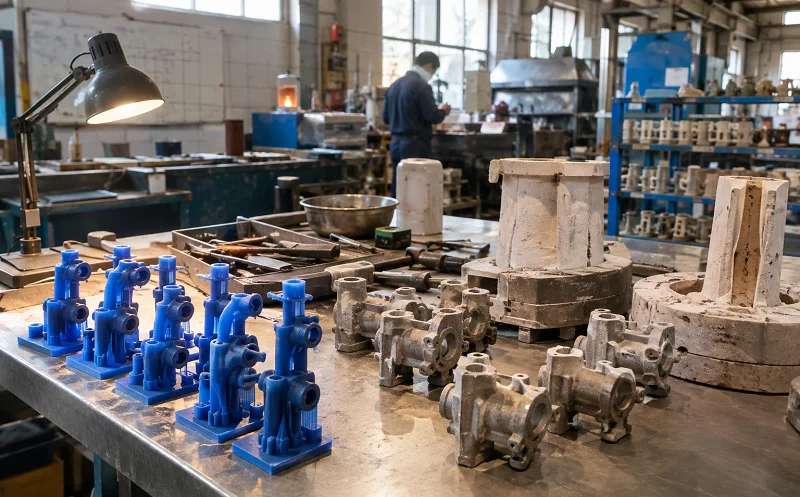
The pattern is the positive shape. It matches the final part. 3D printing produces the pattern fast. SLA or SLS are common. CNC machining produces a more durable pattern. The choice depends on quantity and accuracy. Rapid casting prototyping uses whichever method fits the job. The pattern is sacrificial in most cases. It gets destroyed when the mold is made.
Step 3 — Prepare the Casting Mold
The mold forms around the pattern. Ceramic shells are built layer by layer. Sand molds are packed around the pattern. Silicone molds are cast from the pattern. The process depends on the material being cast. Metal needs a ceramic or sand mold. Plastic needs a silicone mold. Rapid casting services select the mold type based on the application.
Step 4 — Cast the Material
The material goes into the mold. Molten metal is poured. Liquid resin is cast. The mold fills. Air escapes. The material cools. Or cures. Solidification happens. The part takes shape. Temperature control matters. Cooling rate affects grain structure. Curing time affects strength. Rapid prototyping casting controls these variables to produce a sound part.
Step 5 — Remove, Finish, and Inspect the Part
The mold is broken away. The part comes out. Gates and runners are cut off. Trimming removes flash. Machining brings critical dimensions to tolerance. Surface finishing improves appearance. Dimensional inspection verifies the part. The casting is complete.
It is worth noting that steel rapid prototyping follows the same steps. The pattern is produced. The mold is prepared. The steel is cast. The part is finished. Steel rapid prototyping services add the expertise needed for steel’s higher melting temperature and greater shrinkage. From a practical perspective, the process works for both metals and plastics. The material changes. The steps stay the same.
NOBLE provides these rapid casting services from their China facility. Our team handles pattern production, mold preparation, casting, and finishing. Clients get a finished part. Not just a raw casting. That integration saves time and reduces handoffs.
Common Types of Rapid Prototyping Casting
Szybkie odlewanie inwestycyjne
A 3D-printed pattern replaces the wax. The pattern gets coated in ceramic slurry. Layer after layer builds the shell. The pattern burns out. The ceramic shell remains. Molten metal is poured into the hot shell. The shell is broken away. The part is finished.
Rapid prototyping casting through investment casting handles complex shapes well. Detailed features reproduce. Low-volume metal prototypes become possible. The surface finish is good. The accuracy is acceptable. For parts that would be expensive to machine, this route saves money.
Rapid Sand Casting
Sand molds are produced fast. A 3D-printed pattern is pressed into sand. Or a CNC-cut pattern does the same. The mold forms around it. Cores create internal cavities. The sand is packed. The pattern is removed. Molten metal fills the void. Larger metal components fit this process. Parts with complex internal cavities benefit.
Rapid casting prototyping using sand molds is common for heavy machinery parts and structural components. The surface finish is rougher than investment casting. The cost is lower. The size capability is larger.
Odlewanie próżniowe prototypów z tworzyw sztucznych
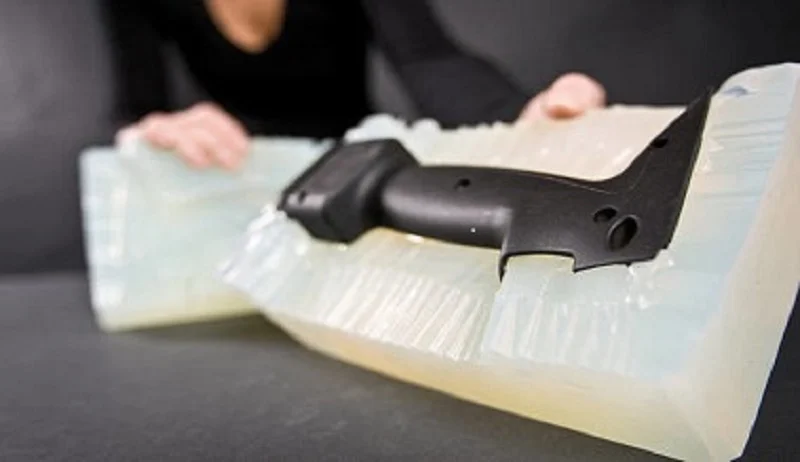
A master model is made first. It comes from 3D printing or CNC machining. Silicone is poured around the master. The silicone cures. The master is cut out. The silicone mold is ready. Polyurethane resin is mixed. It is poured into the mold under vacuum. Air bubbles are removed. The resin cures. The part is demolded. Rapid casting services for plastic prototypes use this method.
Housings. Appearance models. Small production batches. The cast resin part looks like injection molding. But the tooling cost is a fraction. Twenty to fifty parts come from one silicone mold. Then the mold wears out. A new one is made. For low volumes, the economics work.
How to Choose the Right Casting Method
Material compatibility comes first. Metal needs ceramic or sand. Plastic needs silicone. Part size matters. Large parts favor sand casting. Small detailed parts favor investment casting. Geometry matters. Complex internal channels favor investment casting. Simple shapes favor sand casting. Surface finish requirements matter. Accuracy requirements matter. Production quantity matters. Cost matters. From a practical perspective, the simplest method that meets the requirement wins.
Advantages of Rapid Prototyping Casting
Lower Initial Tooling Costs
Hard tooling is expensive. Steel molds cost tens of thousands. Rapid prototyping casting avoids that. Patterns are cheap. Molds are temporary. The investment stays low. For prototypes and low volumes, the savings are significant.
Shorter Product Development Cycles
The pattern is produced in days. The mold is built in days. The part is cast. The team holds a real part. Design changes happen fast. Another pattern is printed. Another mold is made. Another part is cast. The cycle repeats. Mass production waits until the design is proven. Rapid casting prototyping compresses the timeline.
Możliwość tworzenia złożonych geometrii
Intricate shapes are difficult to machine. Internal cavities are hard to reach. Undercuts require special tools. Casting builds the shape near-net. No cutting tools needed. No access problems. The mold captures the geometry. The metal fills it. Rapid prototyping casting handles what machining cannot.
Support for Functional Testing
The cast part behaves like the final product. Dimensions are checked. Assembly fit is verified. Selected performance requirements are evaluated. The material matters. Aluminum casts are light and strong. Steel casts are heavier and tougher. Steel rapid prototyping produces parts that survive load testing. Steel rapid prototyping services give engineers real data. The prototype is not a placeholder. It is a test article.
Suitable for Low-Volume Production
Rapid casting services support bridge production. The same process that made the prototype makes the first production batch. No supplier change. No process change. The knowledge carries over.
Ograniczenia do rozważenia
Wymagania dotyczące wykończenia powierzchni i obróbki końcowej
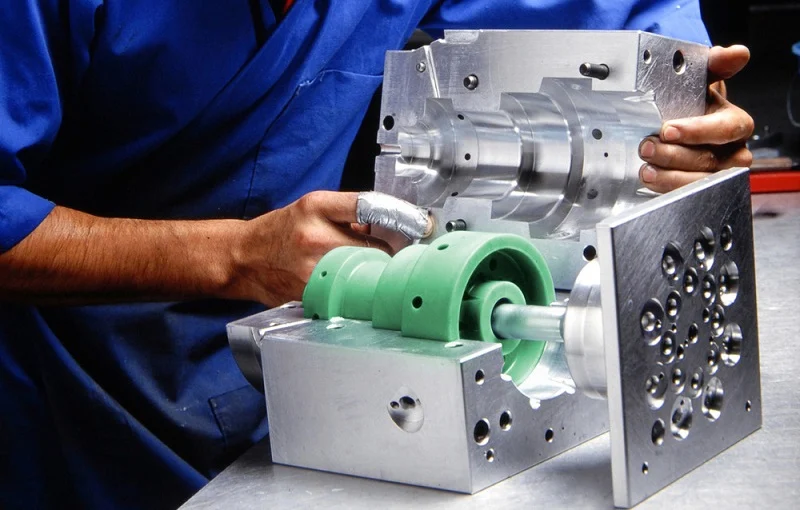
Cast parts are not ready to ship. They need trimming. Gates and runners are cut off. Flash is removed. Polishing improves appearance. Machining brings critical dimensions to tolerance. The as-cast surface is rougher than machined surfaces. Rapid prototyping casting includes these steps. They add time and cost. The finishing requirements should be planned from the start.
Dimensional Accuracy and Material Shrinkage
Metal shrinks when it cools. The mold must account for that. If the shrinkage is not compensated, the part is undersized. Mold quality matters. A poor mold gives poor dimensions. Process variation matters. Temperature differences change shrinkage. The final part may need machining. Casting holds tolerances less tightly than CNC machining. Rapid casting prototyping works within those limits. Critical dimensions are machined after casting.
Process Lead Time
Pattern production, mold preparation, cooling and finishing take time. The total lead time is longer than 3D printing. Rapid prototyping casting is fast compared to hard tooling. But it is not instant. A simple part might take a week. A complex part might take two. The schedule must account for this.
Ograniczenia materiałowe i konstrukcyjne
Not every material and design casts well. Minimum wall thickness matters. Thin walls may not fill. Sharp corners create stress. Mold limitations exist. Undercuts require special cores. The design may need extra machining. The part may need draft angles. These constraints affect the design. Rapid prototyping casting requires design for casting. Not all engineers know those rules. Support is needed.
From a practical standpoint, NOBLE provides this kind of support. Our engineers review design proposals before casting to identify issues early on, thereby helping customers avoid scrap and delays.
Why Rapid Prototyping Casting Is Not Always the Best Choice
Sometimes, when parts need to be really precise, CNC machining is better. But if it’s just one part, 3D printing is quicker. And for materials that are tricky to cast, machining is a safer bet. Rapid prototyping casting is just one tool to help you solve the problem. Choosing the right process means thinking about things like how precise you want it to be, how much you’re making, what materials you’re using, the geometry, how much it’s going to cost, and how long it’s going to take. The best process is the one that ticks all of these boxes.
Comparison of Rapid Prototyping Casting with CNC Machining and 3D Printing
Rapid Prototyping Casting vs. CNC Machining
| Czynnik | Rapid Prototyping Casting | Obróbka CNC |
| Wykorzystanie materiałów | Lower waste—metal fills the mold | Higher waste—chips cut from solid |
| Achievable geometry | Complex shapes, internal cavities, undercuts | Ograniczone przez dostęp do narzędzi |
| Dokładność wymiarowa | Good, but needs post-machining for tight tolerances | High—±0.01 mm routine |
| Wykończenie powierzchni | As-cast is rougher, needs finishing | Smooth as-cut |
| Ustalić koszty | Pattern and mold costs | Programming and fixture costs |
| Ilości produkcyjne | Niskie do średnich wolumenów | Low volumes and one-offs |
For complex parts, rapid prototyping casting cuts hours from the schedule. Rapid casting prototyping and CNC machining work together. Cast first. Machine after. The combination delivers the best result.
Rapid Prototyping Casting vs. 3D Printing
| Czynnik | Rapid Prototyping Casting | Druk 3D |
| Wymagania dotyczące formy | Needs pattern and mold | Nie potrzeba formy |
| Swoboda projektowania | Draft and thickness limits | Prawie każdy kształt |
| Opcje materiałowe | Real metals, production-like resins | Ograniczony zakres materiałów |
| Part properties | Dense, strong, production-equivalent | May have porosity, weaker |
| Prędkość produkcji | Faster for multiple parts | Faster for one part |
From a practical perspective, steel rapid prototyping benefits from this pairing. Steel rapid prototyping services use printed patterns for investment casting. Rapid steel prototyping delivers parts that hold tolerance under load. The material properties justify the process.
Rapid Prototyping Casting Services at NOBLE
Manufacturing Support from Design to Prototype Delivery
NOBLE specializes in metal and plastic processing. Design support helps customers select the right method. Technical communication clarifies requirements. Our team reviews CAD files. They suggest changes. They catch problems before production. It is worth noting that NOBLE—a leading manufacturing company in China—provides this support as part of their rapid prototyping casting service. Clients get a partner. Not just a supplier.
Combining Casting with CNC Machining and Surface Finishing
Casting produces the near-net shape. CNC machining brings critical dimensions to tolerance. Surface finishing improves appearance and corrosion resistance. The processes work together. Rapid casting prototyping delivers the blank. Machining delivers the precision. Finishing delivers the final part. The process selection depends on the part’s function. Production requirements dictate the sequence. Rapid casting services at NOBLE manage this integration. One supplier. One quality standard.
Quality Control and Prototype Evaluation
ISO 9001:2015 provides the general quality framework. ISO 13485:2016 adds the rigor for medical devices. Dimensional inspection verifies the prototype. Process control ensures consistency. Documented procedures maintain traceability. Rapid prototyping casting at NOBLE follows these systems.
FAQs About Rapid Prototyping Casting
What is rapid prototyping casting used for?
It produces functional metal and plastic prototypes. Design validation. Assembly testing. Low-volume production. Rapid prototyping casting bridges the gap between a CAD file and a testable part.
What is the difference between rapid casting and traditional casting?
Traditional casting uses hard tooling. The lead time is long. The cost is high. Rapid casting prototyping uses temporary patterns and molds. The lead time is short. The cost is low. The trade-off is mold life. Silicone molds wear out. Sand molds break. But for prototypes and low volumes, the economics work.
Is rapid prototyping casting suitable for aluminum parts?
Yes! Aluminum alloys cast well. A356 and AlSi10Mg are common. The process produces lightweight, strong parts. Rapid casting services for aluminum are widely available.
Is vacuum casting the same as metal casting?
No. Vacuum casting uses silicone molds and polyurethane resins. It produces plastic parts. Metal casting uses ceramic or sand molds. It produces metal parts. Rapid prototyping casting covers both. The material determines the process.
Is rapid prototyping casting cheaper than CNC machining?
It depends. For one part, CNC machining may be cheaper. No pattern needed. For ten parts, casting may be cheaper. The pattern cost is spread across the batch. Rapid casting prototyping reduces material waste. It reduces machining time. The total cost depends on the quantity and geometry.
How long does rapid prototyping casting take?
Pattern production takes one to three days. Mold preparation takes one to two days. Casting and cooling take one day. Finishing takes one to three days. Total lead time is one to two weeks. Rapid casting services can compress this timeline. But the steps cannot be skipped.
Can rapid prototyping casting be used for small-batch production?
Yes. It is ideal for small batches. Ten to fifty parts. The tooling cost stays low. The per-part cost is acceptable. Rapid prototyping casting bridges the gap between prototype and mass production.
How do you choose a rapid prototyping casting service provider?
Look for experience. Look for material expertise. Look for design support. Look for quality certifications. ISO 9001:2015 and ISO 13485:2016 matter. Look for integrated capabilities. Casting. Machining. Finishing. Assembly. Steel rapid prototyping experience helps for demanding applications. Rapid steel prototyping requires process knowledge. NOBLE provides these rapid casting services from their China facility. The team supports clients from design to delivery. That is the standard to seek.