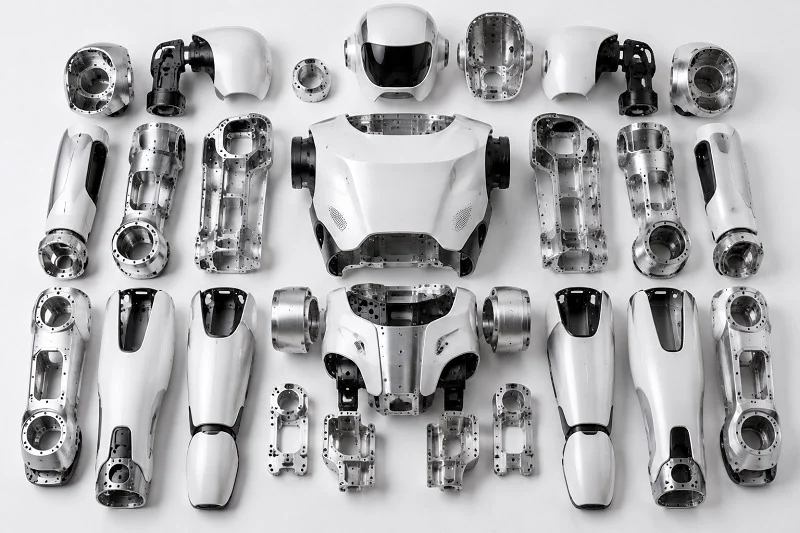
Engineers and product managers need to know how a care robot housing is made. The five main processes are CNC machining, injection molding, sheet metal fabrication, precision die-casting, and 3D printing. Each method works best in different situations. CNC machining is good for complex shapes. Injection molding works well for making many parts.
You learn about tolerances and material choices in this guide. We also cover design for manufacturability. You also see how to pick the right process based on volume and complexity. Our goal is simple. We want to help you work well with a manufacturer like NOBLE from start to finish. Think of this as a practical guide for making the care robot housing.
Common Manufacturing Processes for Care Robot Housing
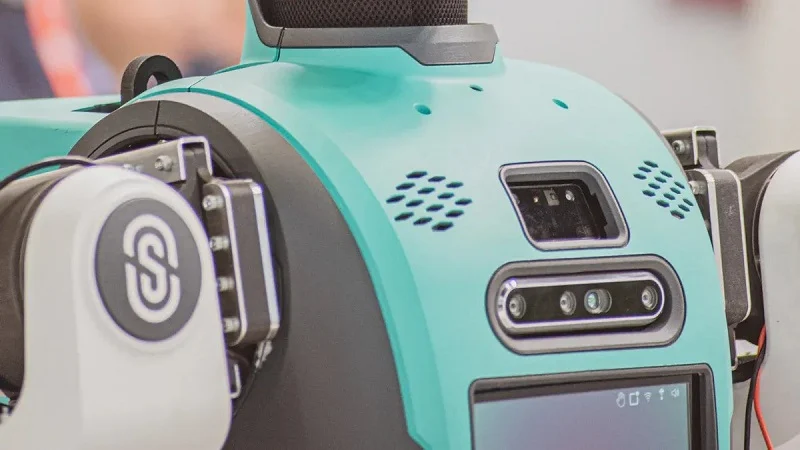
Five common ways to make care robot housings are used most often. Each one has its own strengths. CNC machining, injection molding, sheet metal fabrication, precision die-casting, and 3D printing all have a part to play. To pick the right one, you first need to know what each can do.
CNC Machining for Care Robot Housing
CNC machining cuts material away from a solid block until the shape you want is left. This process is great at making complex shapes for housings and covers. Think about joint mounts, gearbox enclosures, and sensor brackets. These parts often have curves, pockets, and holes that need tight control.
Hoge precisie voor complexe geometrieën
Precision CNC machining can hold tolerances of ±0.0002 in. (±5 µm) or tighter on key features. Surface finishes as fine as Ra 0.8 µm can be reached, and extra work can make them even smoother. These numbers matter for repeatable joint movements and exact sensor mounting. For robotic joint housings, bore coaxiality is the key tolerance. The motor-side bore and output-side bore must stay coaxial within 0.015mm over the part length. A five-axis machine with on-machine probing handles this well. General profile dimensions usually fall between ±0.02mm and ±0.05mm. Positional tolerance sits around ±0.01mm to ±0.02mm with zero-point clamping.
Geschikt voor prototypes en onderdelen in kleine series.
CNC machining is great when you need parts fast without spending on tooling. Low volume, below about 100 to 500 units, works best with this method. There is no mold cost, so the time to machine each part drives the price. CNC prototyping can take 1 to 10 days. A supplier that focuses on prototyping might finish in 1 to 3 days. For simple prismatic parts, CNC can even beat 3D printing when no extra work is needed and material is on hand.
Injection Molding for Care Robot Housing
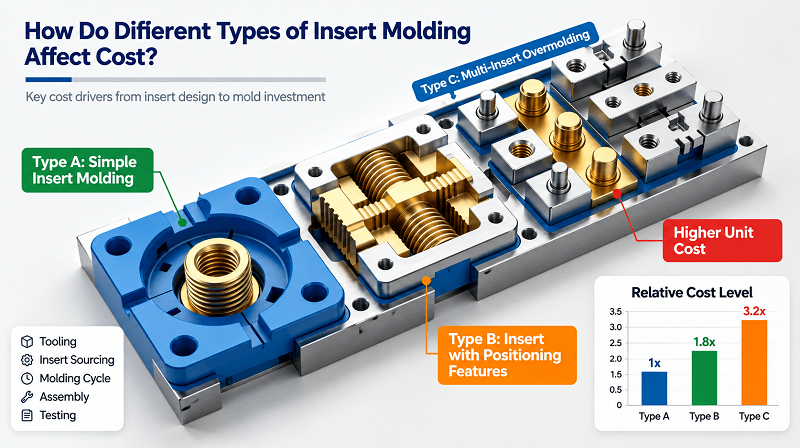
Injection molding pushes melted plastic into a steel mold. The mold opens, the part falls out, and the cycle starts again. This method saves money at high volumes. Once the steel mold is ready, parts come out in seconds with very little labor per part.
Kosteneffectieve productie van grote volumes
The break-even point depends on part size and complexity. A simple cover reaches it sooner than a complex shell with slides. Above about 500 to 1,000 units, injection molding wins on cost. Rapid modular tooling with aluminum or soft steel inserts costs 40%–60% less than hardened production molds. That saves $15,000–$30,000 in upfront tooling CapEx during pilot builds.
Uitstekende oppervlakteafwerking en herhaalbaarheid
Molded parts come out smooth and consistent. The mold surface passes straight to the plastic. Textures, gloss levels, and color stay the same across millions of cycles. This repeatability matters for delivery care robot housing that must look and fit the same every time.
Additive, Sheet Metal, and Die-Casting Options
3D printing for rapid prototyping and custom features
3D printing builds parts layer by layer. Lead time runs from same day to 3 days. That speed helps when you need to test fit and form before committing to tooling. Custom features like internal channels or lattice structures come free. No extra cost applies for complexity.
Sheet metal for durable, lightweight structural parts
Sheet metal fabrication for delivery care robot housing involves cutting, bending, and welding. Heavy laser cutting and robotic welding account for about 40% of chassis cost. The result is a strong, lightweight frame. Protective outer covers represent the remaining 25% of chassis cost. This approach suits structural panels and mounting plates.
Precision die-casting for tight-tolerance metal housings
Die-casting forces melted metal into a steel mold under high pressure. It delivers outstanding dimensional accuracy and high structural rigidity. Superior thermal conductivity helps with heat management. Electrical conductivity and EMI/RFI shielding come built in. The process runs fast and suits large-scale manufacturing. It often removes or reduces the need for secondary machining. For internal component assembly, die-casting ensures the tight tolerances and coaxiality that medical robot parts demand.
Precision and Surface Finish for Care Robot Housing
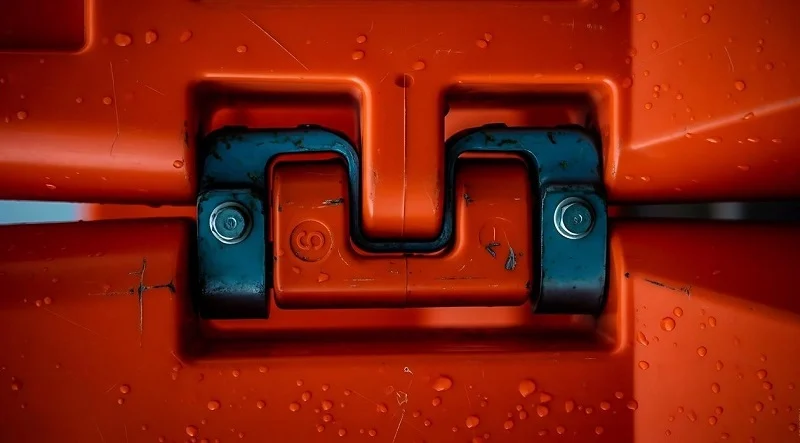
Precision is important for any delivery care robot housing. The tolerances you choose affect how well parts fit together. They also change the cost. Let’s see what each process can do for smart care robot parts.
Typical Tolerances for Plastic and Metal Housings
Each process has a normal tolerance range. The material also matters. For a delivery care robot housing, you want parts that fit without gaps. Knowing what each method can do helps you design better.
Plastic injection molded parts achieve ±0.1 mm
When you mold plastic for a delivery care robot housing, expect tolerances near ±0.1 mm. This works well for most designs. The plastic shrinks as it cools down. That makes tighter numbers harder to hold. Still, ±0.1 mm is fine for snap fits and panel gaps. Many smart care robot parts use this standard. It keeps costs low. For outer covers on a delivery care robot housing, this level gets the job done.
CNC machined and die-cast metals reach ±0.05 mm
Metal parts can hold tighter tolerances. CNC machining and die-casting both reach about ±0.05 mm. That matters for high-precision medical robot parts. Think about gear housings or joint mounts. Those parts need exact alignment. A small difference can cause binding. Precision CNC machining for delivery care robot housing helps you hit these numbers. The process removes material with great control. CNC machining handles complex shapes well. Die-casting uses high pressure to fill the mold. The result is consistent. This dimensional accuracy makes sure internal components line up. Many medical robot parts need this level of precision.
Surface Treatment Options for Care Robot Housing
The surface finish protects the part from wear. It also makes the housing look good. Different treatments give different benefits for a delivery care robot housing.
| Behandeling | beste voor | Wear-Resistance Benefit | Typical Use in Robots |
| Anodiseren (Type II & III) | Aluminum extrusions, bent/stamped parts | Hard oxide layer; excellent corrosion resistance | Chassis rails, housings, brackets, sensor mounts |
| Powder Coating / E-Coat | Steel & aluminum formed parts | Thick, durable finish; impact & scratch resistance | Enclosures, covers, frames, structural plates |
| PVD / CVD Coatings (TiN, TiAlN, DLC) | Gears, shafts, sliding surfaces | Extremely hard; low friction; high wear resistance | Gear teeth, bearing journals, sliding joints |
Anodizing, coating, and polishing for durability
Hard anodizing turns the aluminum surface into aluminum oxide. This layer becomes part of the metal. It does not peel or chip off. For a delivery care robot housing, that means better scratch resistance. The surface hardness goes from about 95 HV up to 600–700 HV after Type III anodizing. That is a big jump for smart care robot parts. It makes the housing last longer in daily use.
Achieving aesthetic and wear-resistant finishes
You can also pick powder coating or PVD coatings. Powder coating gives a thick layer. It resists impacts. PVD coatings are even harder. For a delivery care robot housing, that works well for moving parts. For smart care robot parts, picking the right finish keeps the housing looking good for years. CNC machining can give a smooth base surface. That helps the finish stick better. CNC machining and good surface treatment work together to make durable smart care robot parts.
Materials for Smart Care Robot Housing
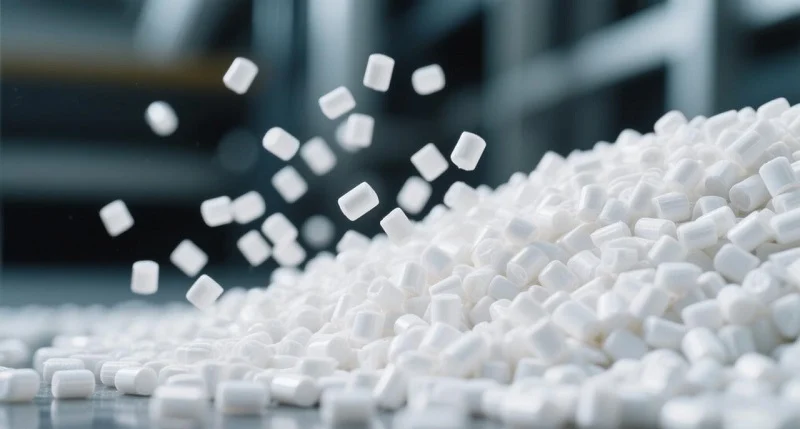
Choosing materials for a care robot housing means finding a balance. Weight, strength, rust resistance, and cost all fight against each other. Pick a heavy metal and the robot gets tired faster. Pick a cheap plastic and the housing might crack during daily use. That is why material selection criteria for medical robot parts need real focus early in the design phase. The right blend of metals, plastics, and elastomers keeps a housing strong, light, and affordable.
Metals: Stainless Steel and Titanium Alloys
Metal housings carry loads, protect electronics, and hold tight tolerances. Two alloys appear again and again in advanced robot designs.
17-4 PH stainless steel for strength and corrosion resistance
This alloy is a workhorse for structural housing parts. It resists rust well and keeps its shape under stress. Here is what the numbers look like:
| Eigendom | Waarde |
| Ultieme treksterkte | 1275 MPa |
| Opbrengststerkte | 1060 MPa |
| Buigsterkte | 1380 MPa |
| Elastische modulus | 200 GPa |
| Verlenging bij Break | 10% |
| Hardheid | 38 HRC |
Those figures come from one heat treatment condition. Other sources list 170,000 PSI (1,170 MPa) ultimate tensile strength, 150,000 PSI (1,030 MPa) yield strength, and 35–45 HRC hardness. Either way, this metal works well for joint mounts and load-bearing brackets in a delivery care robot housing.
Ti-6Al-4V titanium for lightweight, high-strength applications
Titanium gives you high strength at about half the weight of steel. Its ultimate tensile strength ranges from 936 to 1014 MPa. Average values sit near 983 ± 22 MPa in the H orientation and 953 ± 14 MPa in the V orientation. For a delivery care robot housing that must stay light, this alloy is worth its higher price.
Technische kunststoffen en composieten
Plastics cut weight and cost. They also let you mold complex shapes in one shot. Common robotics materials for smart care robot parts rely on a few proven resins.
ABS, polycarbonate, and nylon for care robot housings
ABS is tough and cheap, which makes it a go-to for covers. Polycarbonate beats it on impact strength and clarity. Nylon adds wear resistance for moving interfaces. These three cover most plastic housings and covers on a delivery care robot housing. They also lead the way in plastic housings for medical robots where sterilization and durability matter.
Flame retardancy and impact resistance considerations
Safety rules often demand flame-retardant grades. Additives can weaken impact strength, so you trade toughness for fire safety. Test both properties together before you commit. A delivery care robot housing in a hospital faces bumps, drops, and cleaning chemicals. Impact resistance is not optional.
Elastomers for Seals and Grips
Soft parts seal gaps and cushion contact. They also make a housing feel friendly to the touch.
Silicone and TPU for overmolding and soft-touch areas
Silicone overmolding typically lands between Shore A 10 and 70. That range covers medical device seals and wearable health devices. It works well for grips on a delivery care robot housing too. TPU offers a similar soft-touch feel with better abrasion resistance. Both bond to rigid substrates during molding. This creates a single part with hard and soft zones. For smart care robot parts that people touch all day, that soft zone matters.
Every choice here ripples through the design. A heavier metal changes motor sizing. A softer elastomer changes grip feel. A flame-retardant plastic changes cost. Get the materials right, and the rest of the housing falls into place.
Design Basics for Care Robot Housing

Rules for Making a Design That’s Easy to Build
A good design that’s easy to build keeps costs down and quality up. These rules work for both plastic and metal housings.
Draft angles, even wall thickness, and ribbing
Draft is a must — not just a nice idea — for making parts the right way.
Without draft, parts get stuck in the mold.
| Problem Without a Draft Angle | Wat gebeurt er |
| High friction when pushing the part out | Needs stronger ejector pins, which can bend the part |
| Parts stuck in the mold | Slows things down and makes each cycle take longer |
| Constant high force and friction | Wears out the mold surface and shortens mold life |
| Stress from hard ejection | Causes the part to warp after it comes out |
A small draft angle solves these problems. The part slides out smoothly. The mold lasts longer.
Even wall thickness also stops warping. Thick areas cool down slower than thin ones. That leads to sink marks and twisting. Keep the wall thickness the same all over the part. When you need more strength, add ribs instead of making the wall thicker. Ribs add stiffness without creating thick spots. They also help guide the plastic flow during molding.
Staying away from sharp corners and deep undercuts
Sharp corners create spots where stress builds up. A care robot housing that gets bumped might crack at those spots. Use smooth, rounded fillets to spread the load and help plastic flow better.
Deep undercuts make mold design harder. They need sliding cores or lifters. Those extra parts add cost and need more upkeep. Design the housing so all features pull straight out of the mold. Simple molds run faster and cost less to build.
Using Parts You Can Buy Off the Shelf
Every custom part adds cost. Standard parts lower that cost and make assembly easier.
Standard fasteners, connectors, and cable management
Common screw sizes like M3 and M4 work well for most assemblies. Standard USB and circular connectors are easy to find and swap out. For cable routing, use clips and strain reliefs you can buy off the shelf. A housing built with standard parts ships faster.
Cutting down on custom tooling costs
Custom brackets need custom molds. Those tools cost thousands of dollars. Mount components on standard DIN rails when you can. Use standard PCB standoffs. Every standard part you pick saves money on tooling and shortens lead time.
Putting Electronics and Sensors Together in the System
A care robot housing must hold its electronics safely. Sensors, PCBs, and actuators all need stable mounting.
Mounting bosses, supports, and heat management
Mounting bosses hold circuit boards in place. Design them with the same wall thickness rules as the rest of the housing. Add gussets to each boss for extra strength. Heat management matters when motors make heat. Use metal inserts in plastic bosses for better heat transfer. Design airflow channels into the body. For high-power parts, attach a metal heatsink.
Keeping dust and moisture out
Care robots work in homes and hospitals. Dust and spills happen every day. An IP54 rating per IEC 60529 is a good starting goal. Use silicone gaskets along the seam. Add a groove in the plastic to hold the gasket in place. For sensor windows and button openings, use small O-rings. The seal design depends on safety, ease of cleaning, strength compared to weight, and cost. Each factor affects the final choice. Test the seal early with a prototype.
Selecting Manufacturing Processes for Care Robot Housing
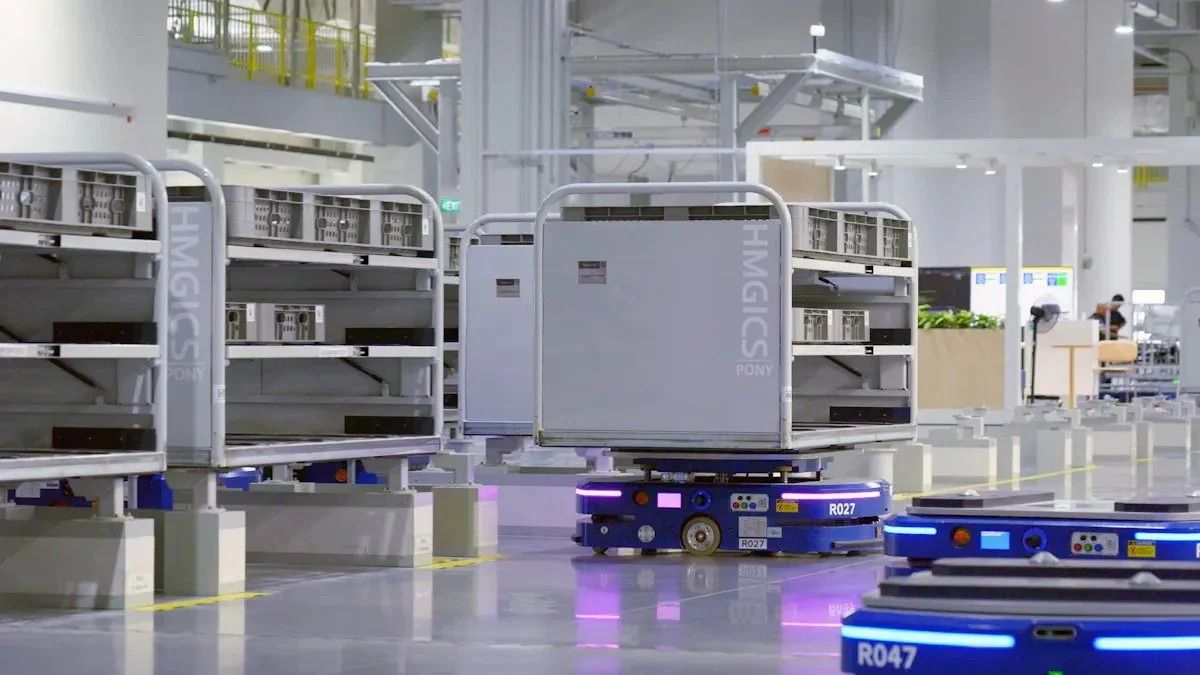
Choosing a process depends on three main things: volume, complexity, and precision. When you get these right, the delivery care robot housing stays affordable and works well.
Volume Considerations: Prototype to High Volume
CNC machining and 3D printing for low volumes
Low volume means fewer than 100 units. CNC machining and 3D printing are great for this. You do not pay for tooling, so you only pay for machine time. A delivery care robot housing prototype can be ready in just a few days.
Injection molding and die-casting for high volumes
When you need more than 10,000 units, injection molding and die-casting are the best choices. The cost of tooling gets spread out over many parts. For a delivery care robot housing, this makes the price per part drop quickly.
If a part costs $15 each to machine at 200 parts, injection molding with a $3,000 aluminum tool might cost $4 per part for the same amount. That means the tooling pays for itself in the first run. For plastic parts above 500 units, injection molding is almost always cheaper.
Complexity and Precision Trade-offs
Matching process capability to design requirements
The shape of the part helps you decide. A simple flat cover works well with sheet metal. A delivery care robot housing with ribs, bosses, and cable routing is better for die-casting, because those features are made in the mold.
| Part Complexity Scenario | Aanbevolen proces |
| Simple flat cover | Plaatwerk |
| Complex aluminum part, repeat volume | Spuitgieten + CNC-bewerking |
| Ribs, bosses, mounting holes | spuitgieten |
Sheet metal is good for guards, covers, and enclosures. But it cannot always give you the flatness, squareness, or bearing fits you need for joints, drive systems, or precision mounts.
Tighter tolerances make the cost go up fast. Going from rough to precision tolerances raises the cost by about 4 times. Ultra-precision can cost about 24 times more.
Cost and Lead Time Evaluation
Balancing tooling investment with per-part cost
Tooling is the biggest upfront cost. Aluminum molds cost $1k to $10k. Steel molds cost $10k to $100k or more. A custom delivery care robot housing at low volume avoids this cost. At high volume, the tool pays for itself.
Lead time is also important. Tooling takes 8 to 12 weeks in the U.S. and 12 to 20 weeks overseas. First article inspection adds 2 to 6 weeks. Production ramp-up adds 2 to 4 more weeks.
NOBLE, a top manufacturer in China, helps clients balance these trade-offs. Their team helps match the right process to housing needs for both prototypes and mass production.
Partnering with NOBLE for Care Robot Housing
Core Capabilities in Metal and Plastic Machining
CNC machining, injection molding, and sheet metal
NOBLE brings together advanced skills in CNC machining and injection molding in one place. This mix of skills is important for making your care robot housing. Working with one partner for both methods gives you several real benefits.
At the top of the list is easier vendor management. You work with one team, not many different shops. Admin work goes down. Scheduling is simpler. Messages stay clear from start to finish. Making things faster then follows. There are no shipping delays between different suppliers. No gaps in the schedule that slow work down. There are also fewer production hold-ups.
Quality control also gets better. Parts stay the same size across all pieces. The same people check how parts fit and work. Making the same good part over and over becomes the rule, not a rare thing. Engineering teamwork also improves. The same group looks at where to put features, how material acts, and how to reach every part with the machine. They think about what clamps are needed and how to handle size limits all as one plan.
Fewer hand-offs mean less risk overall. Damage during shipping drops. Gaps in messages shrink. Paperwork stays the same across the whole project.
Precision die-casting and 3D printing services
Beyond CNC and injection molding, NOBLE also offers precision die-casting for metal housings and 3D printing for quick models. Die-casting gives tight size control and strong shape. It works well for aluminum parts that need to handle heat well. 3D printing can make parts fast, same day to a few days, so you can test fit and shape before you pay for a steel mold. These choices give you options no matter where you are in making your product.
Kwaliteitscertificeringen: ISO 9001:2015 en ISO 13485:2016
Ensuring consistency and regulatory compliance
NOBLE has ISO 9001:2015 for its quality management system. This standard makes sure every step is written down and controlled. You get the same good result from one batch of parts to the next. For care robots that might be used in hospitals, ISO 13485:2016 adds another important level. This standard is made just for medical device making. It covers risk management, keeping track, and following rules. Having both certifications means NOBLE can handle parts that need to meet strict industry rules with confidence.
Full-Service Partnership from Design to Assembly
Design reviews, DFM feedback, and turnkey assembly
NOBLE does not just make parts. The team helps with design reviews early on. They give feedback on how to make the part easier to build before any mold work starts. That saves money up front and cuts down on wasted time. Then they handle models, production, and final assembly. Turnkey assembly means you get a finished product, not just a box of loose parts.
Single-source responsibility for your care robot housing
One partner takes full responsibility from start to end. If something goes wrong, you know exactly who to call. There is no blame game between a design firm and a separate factory. This single-source approach makes project management much simpler. It also protects your timeline and budget. For a housing where precise size and dependability matter, that peace of mind is worth a lot.
Choosing the right process for your care robot housing depends on volume, precision, and material needs. CNC machining, injection molding, sheet metal fabrication, precision die-casting, and 3D printing each work well in different cases. Surface finishes and material choices matter too. Advanced alloys like 17-4 PH and Ti-6Al-4V give you strength and durability that cheaper options can’t match.
The care robot market is growing fast. Grand View Research predicts a 17.6% compound annual growth rate from 2025 to 2030. That growth means more need for well-built housings.
Work with an experienced manufacturer like NOBLE. Their ISO 9001:2015 and ISO 13485:2016 certifications and full-service approach guide you from design to delivery. Contact NOBLE for a design review or quote, and explore related resources on the blog.
FAQ of Care Robot Housing
What tolerance can a care robot housing hold?
Plastic injection molded parts hit ±0.1 mm. Metal parts from CNC or die-casting reach ±0.05 mm. Those numbers make sure internal components fit right.
How do I pick between injection molding and CNC for a care robot housing?
Volume decides it. Below 500 to 1,000 units, CNC wins on cost. Above that, injection molding pays off. No mold cost for CNC. Fast cycles for molding.
Which materials work best for a care robot housing?
17-4 PH stainless steel offers 1,275 MPa tensile strength. Ti-6Al-4V titanium cuts weight in half. ABS, polycarbonate, and nylon cover most plastic needs.
Can I use 3D printing for production parts?
Not typically for volume. 3D printing works best for prototypes and custom features. Lead time runs same day to 3 days. Great for testing fit before tooling.
What surface treatments keep a care robot housing durable?
Hard anodizing pushes aluminum to 600-700 HV. Powder coating resists impacts. PVD coatings add extreme hardness. Each one protects against daily wear.
How long does tooling take for a new care robot housing?
Steel molds take 8 to 12 weeks in the U.S. and 12 to 20 weeks overseas. First article inspection adds 2 to 6 weeks more.
When should I pick metal over plastic for a care robot housing?
Pick metal for tight tolerances, heat management, or EMI shielding. Pick plastic for lighter weight, lower cost, and complex molded shapes.