Overmolding is a type of injection molding process. It bonds two materials together well. Each material does its own job. This process is widely used in many new industries, such as aerospace, smart robots, and medical part manufacturing. This guide gives a full overview of overmolding. It covers the process principle, applications, common materials, and specific operations. It answers all your questions.

1. What Is Overmolding?
Overmolding is a two-step injection molding process. First, a base part is made with one plastic. This base is called the substrate. Then the substrate is placed into another mold. A thin outer layer is molded onto its surface. This outer layer is usually a soft plastic or rubber material. The final result is a single part that is hard inside and soft outside. The two materials usually do different jobs in the combined part. Overmolding is widely used in many industries for many purposes.

2. How Does Overmolding Work?
Overmolding is done in two steps.
Step one: A base part is made with one plastic. This part is called the substrate. The substrate can be hard plastic or metal.
Step two: The substrate is placed into another mold. Then a second material is injected. This material is usually soft plastic or rubber. It wraps around the substrate surface and forms a thin outer layer.
Key point: The two materials must bond chemically or mechanically. Otherwise, the outer layer can come off easily.
Common combinations: hard plastic + soft plastic, metal + rubber.
Final result: One part has the advantages of both materials. For example, it is hard inside and soft outside. It is strong and also slip-resistant.
3. Overmolding Design
Using the following best practices can help ensure successful overmolding. This produces high-quality products with good function and appearance.
- Material compatibility. Choose materials that bond well and have similar melting points. This ensures strong and reliable bonding between layers.
- Design for bonding. Create proper surface features, undercuts, and interlocking structures. This helps mechanical bonding between the molded part and the overmold material.
- Proper wall thickness. Keep wall thickness consistent and proper. This ensures even material flow and prevents defects like sink marks or voids.
- Draft angle. A draft angle helps the part come out of the mold easily. It reduces the risk of part damage during ejection.
- Avoid sharp corners. Round corners help prevent stress concentration. They also help material flow during overmolding.
- Add venting features in the design. This lets air and gas escape during injection. It prevents voids and trapped bubbles.
- Overmold material placement. Keep the injection point of the overmold material away from critical features and edges. This avoids material entrapment or damage.
- Mold design. Design the mold with proper gating, runner, and cooling systems. This ensures even material flow and high production efficiency.
- Consider shrinkage. Consider the difference in material shrinkage between the molded part and the overmold material. This prevents warping or inconsistent dimensions.
4. Overmolding Materials
4.1 Substrate (Base Material)
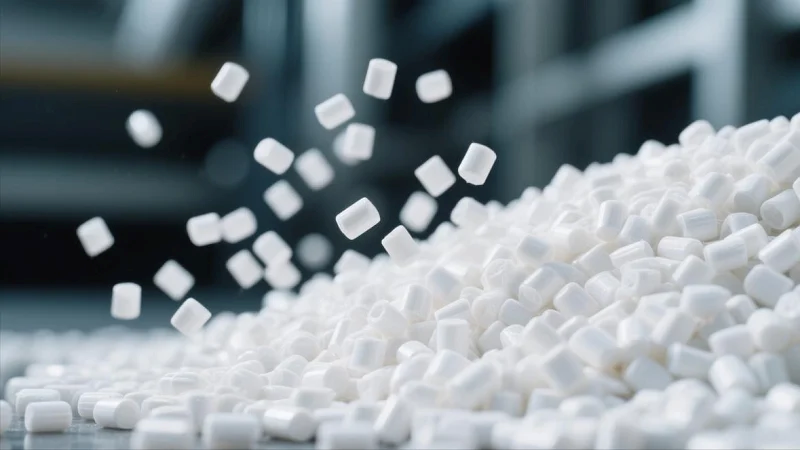
The substrate is usually a hard material with higher strength. It provides structural support.
Common substrates include:
- Hard plastics: such as ABS, PC, PA (nylon), PBT, PP. These materials have good rigidity and stable dimensions. They are the most common substrates in overmolding.
- Metals: such as stainless steel and aluminum alloy. Metal substrates are used where higher strength or conductivity is needed, such as handle frames or connectors.
- Elastomers: such as TPE and TPU. Used for substrates that need some flexibility.
4.2 Overmold Material (Outer Layer Material)
The overmold layer is usually softer. It provides grip, sealing, cushioning, or a comfortable feel. Common materials include:
- TPE (thermoplastic elastomer): The most common overmold material. Soft feel. Adjustable hardness. Bonds well with many hard plastics.
- TPU (thermoplastic polyurethane): Excellent wear resistance. Suitable for high-wear applications.
- Silicone (LSR): High temperature resistance. Good biocompatibility. Often used in medical and baby products.
- Soft PVC: Low cost. But poor environmental performance. Gradually being replaced by TPE.
- Rubber: such as EPDM and NBR. Used where weather or oil resistance is needed.
4.3 Key Principles of Material Pairing
The two materials must be able to bond. There are two bonding methods:
- Chemical bonding: The two materials are compatible at the molecular level. Bond strength is high. Examples: TPE over ABS, TPU over PC.
- Mechanical bonding: The outer material is physically locked by surface bumps and grooves, or undercuts on the substrate.
4.4 Common Pairing Examples
| · Substrate | · Overmold | · Application |
| · ABS | · TPE | · Power tool handles |
| · PC | · TPU | · Phone cases |
| · PA | · Silicone | · Medical device grips |
| · Metal | · Rubber | · Vibration damping mounts |
5. Specific Overmolding Operations
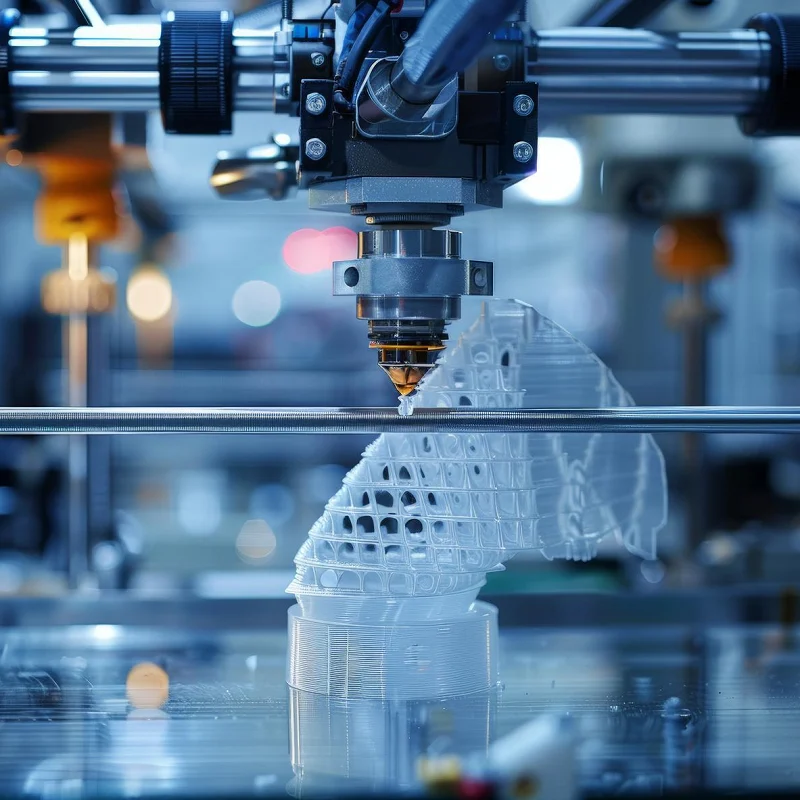
5.1 Manual Overmolding
Manual overmolding is the most basic method. The process is as follows:
- Mold the substrate: First, a hard substrate part is molded with one mold.
- Remove the substrate: The substrate is taken out of the mold and cooled.
- Manual placement: An operator manually places the substrate into the cavity of a second mold.
- Second injection: The mold closes and injects the overmold material. It wraps around the substrate surface.
- Remove the finished part: After cooling, the mold opens, and the final part is removed.
Features:
- Needs two molds and two injection machines (or one machine with mold changes)
- The substrate must cool before placement, so there is waiting time
- Depends on manual operation, so consistency varies by operator
- Suitable for small batches, many product types, or complex structures
Advantages:
Simple mold structure, low investment, high flexibility.
Disadvantages:
Long production cycle, high labor cost, substrate is easy to contaminate.
5.2 Two-Shot Injection Molding
Two-shot injection molding is a more automated method. It uses one two-shot injection machine and one rotating mold.
The process is as follows:
- First shot: The substrate material is injected at one station of the mold.
- Rotate the mold: The mold rotates 180 degrees. The substrate moves to the second station.
- Second shot: The overmold material is injected at the second station. It wraps directly onto the substrate.
- Cool and eject: The finished part cools and is ejected. Then the next cycle begins.
Features:
- Substrate and overmold are done in the same mold. No manual handling needed.
- Overmolding happens before the substrate fully cools. Bond strength is higher.
- Short production cycle. Suitable for high-volume production.
- Complex mold structure. High investment cost.
Advantages: High efficiency, good consistency, high bond strength, suitable for automated lines.
Disadvantages: High mold cost, hard to change models, not suitable for small batches.
5.3 Comparison of the Two Methods
| Comparison Item | Manual Overmolding | Two-Shot Injection Molding |
| Number of molds | 2 sets | 1 set (rotating mold) |
| Manual involvement | High | Low |
| Production cycle | Long | Short |
| Bond strength | Moderate | High |
| Suitable batch size | Small batch | Large batch |
| Mold investment | Low | High |
6. What Are the Advantages of Overmolding
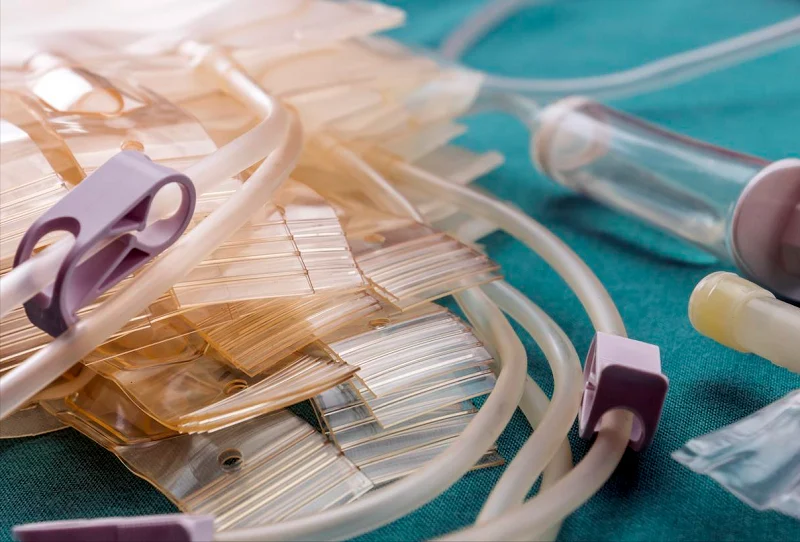
6.1 Better Grip Comfort and Slip Resistance
By overmolding a soft material (like TPE, TPU, or silicone) on the outer layer, the product surface feels softer and has more friction. Users can hold it without slipping easily. It also reduces fatigue during long use. This is why power tools, toothbrushes, and medical device handles commonly use this process.
6.2 Better Sealing and Waterproofing
The soft outer layer fits tightly to the substrate and forms an effective seal. It keeps moisture, dust, or chemicals out. This is useful for products that need waterproofing or dust protection, such as outdoor electronics and medical instrument housings.
6.3 Strong Bond, Hard to Come Off
The overmold layer forms a chemical or mechanical bond with the substrate during molding. Bond strength is much higher than soft materials that are glued or slipped on later. It does not easily peel, fall off, or separate over long use.
6.4 Fewer Parts, Simpler Assembly
Traditional methods need a separate soft cover made and then assembled. Overmolding combines two steps into one. This reduces part count and assembly steps. It lowers labor costs and inventory management difficulty.
6.5 Flexible Design, Better Appearance
Different colors and hardness levels can be overmolded onto the substrate. This creates two-color looks or local soft-grip effects. Design freedom is higher. The product looks and feels better.
6.6 Better Durability
The soft outer layer absorbs impact and vibration. It protects the hard inner structure. It acts as a cushion during drops or collisions. This extends product life.
7. What Are the Disadvantages of Overmolding
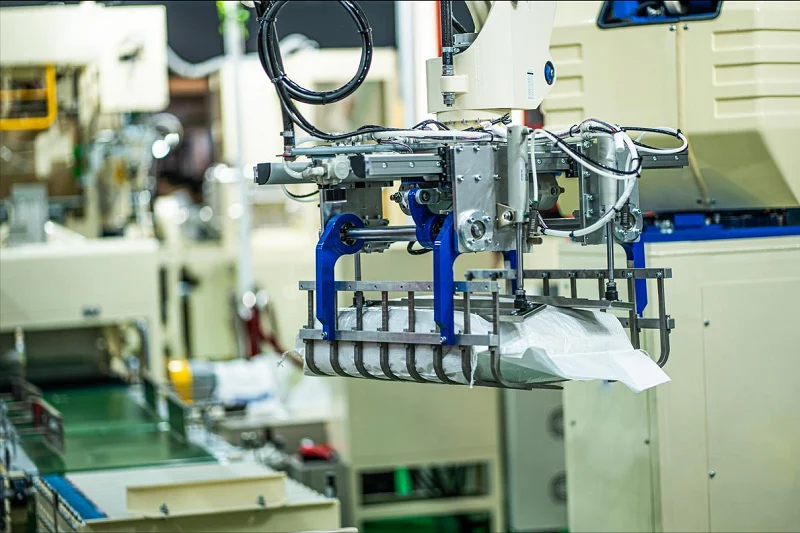
Overmolding needs two molds or one two-shot injection machine. Equipment investment is high. The substrate and overmold must be chemically or mechanically compatible. Material choices are limited. The two materials have different thermal expansion rates. They can warp or separate after cooling. The production cycle is long. Manual methods depend on labor. Consistency is poor. Defective parts are hard to rework. The substrate and overmold cannot be separated. Small-batch production cost is high. Changing models is difficult.
8. Overmolding vs. Insert Molding
8.1 Core Difference
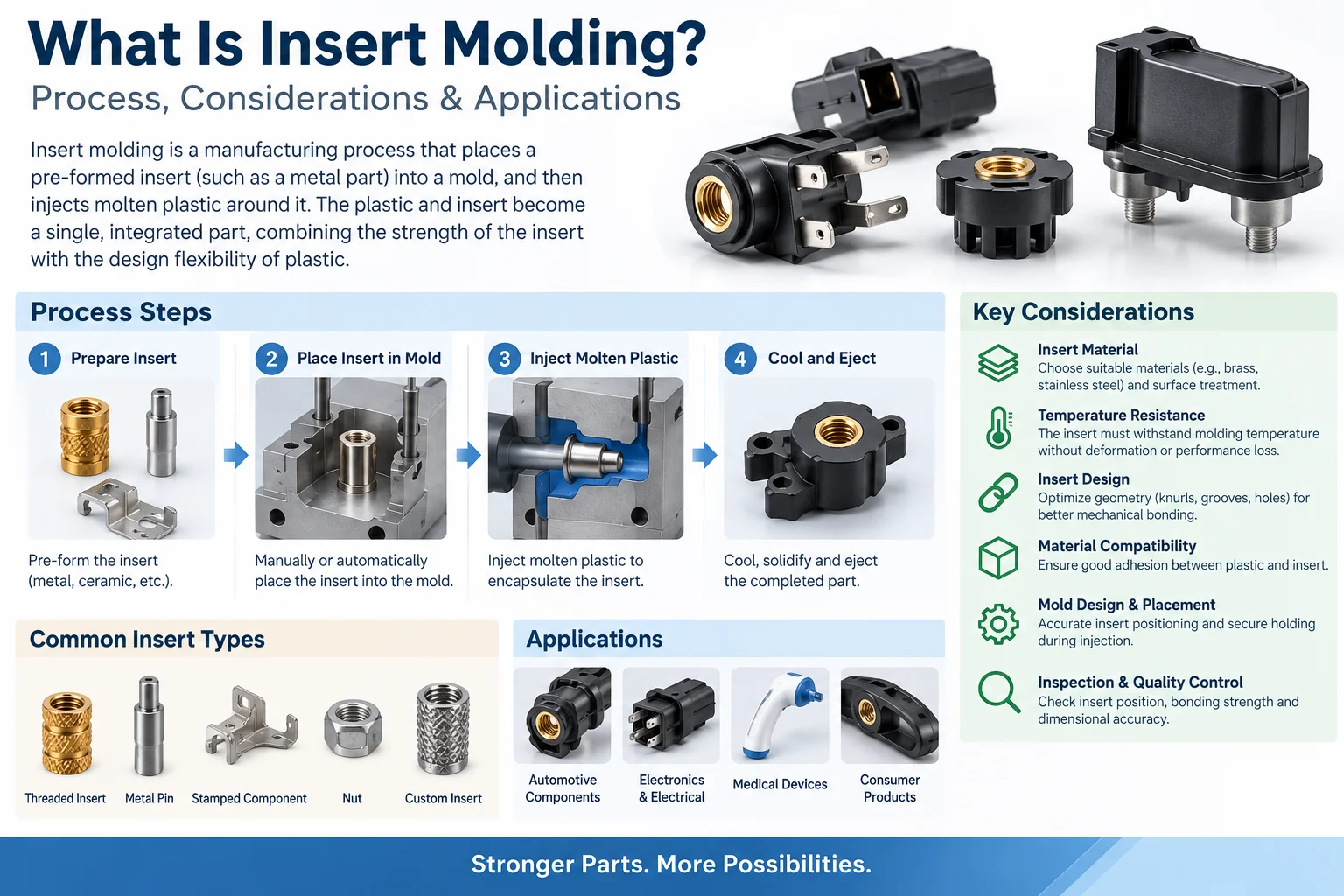
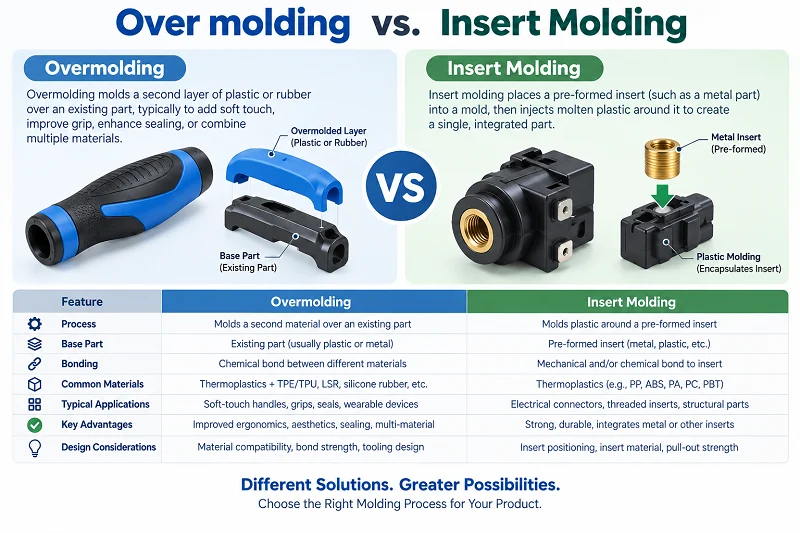
Insert molding is a one-step process. It places a pre-made insert (usually metal) into the mold. Then plastic is injected to wrap around the insert. The final result is a single part combining metal and plastic. The insert provides strength, threads, or conductivity.
Overmolding is a two-step process. First, a plastic substrate is molded. Then the substrate is placed into another mold. A second material is injected to wrap around its surface. The final result is a part that is hard inside and soft outside, with a two-layer structure. The overmold layer provides grip, sealing, or a better feel.
8.2 Process Comparison
| Comparison Item | Insert Molding | Over molding |
| Process steps | One step | Two steps |
| Substrate | Metal or non-plastic insert | Plastic substrate |
| Outer material | Plastic | Soft plastic or rubber |
8.3 How to Choose?
If you need metal strength or conductivity, choose insert molding. If you need a soft outer layer for better grip or sealing, choose overmolding.
The two can also be used together. First, do insert molding to get a substrate with metal inserts. Then do overmolding to get a final part with both strength and a comfortable feel.
9. Which Industries Use Overmolding?
9.1 Medical Devices
Surgical instrument handles, endoscope grips, dental tools, and more use overmolding to improve grip comfort and slip resistance. Silicone overmold layers also have biocompatibility. They can withstand high-temperature sterilization.
9.2 Power Tools
Drills, angle grinders, hammers, and other housings commonly use a hard plastic substrate with TPE soft overmolding. This provides slip resistance, shock absorption, and insulation. It improves operating safety.
9.3 Consumer Electronics
Phone cases, earphone housings, smart watch bands, and more use overmolding for two-color looks and soft touch. It also improves waterproof and dustproof performance.
9.4 Automotive Industry
Steering wheels, gear shifters, door handles, and seals use overmolding. This improves feel, reduces noise, and enhances sealing.
9.5 Daily Consumer Goods
Toothbrush handles, razors, cookware grips, sports bottles, and more use soft overmolding to improve comfort and slip resistance.
9.6 Industrial Equipment
Control panels, instrument grips, industrial handles, and more use overmolding to improve durability and operating safety.

10. Why Choose NOBLE as Your Overmolding Manufacturer
NOBLE provides full support for overmolding projects. We help with design review and material selection. We give DFM feedback to improve part design. We build precision molds for both substrate and overmolding. We offer manual and two-shot overmolding. We also provide in-line inspection to check bond quality. Our team handles small batches and mass production. We keep full process records for traceability. This meets ISO 13485 requirements for medical projects. From prototype to production, we support the whole process.
FAQs of Overmolding :
1. What is the difference between overmolding and insert molding?
Insert molding places a metal insert into the mold, then injects plastic around it. Overmolding first makes a plastic base, then molds a soft layer over it. Insert molding is one step. Overmolding is two steps.
2. What is overmolding?
Overmolding is a two-step injection molding process. It molds a soft outer layer onto a hard base part.
3. Is overmolding expensive?
Overmolding costs more than standard injection molding. It needs two molds or a two-shot machine. But it saves assembly costs in high volumes.
4. Does your part require overmolding or inserts?
Choose overmolding for soft grips, sealing, or better feel. Choose inserts for metal threads, strength, or electrical contacts.
5. What are the five types of molding?
Injection molding, blow molding, compression molding, rotational molding, and transfer molding.