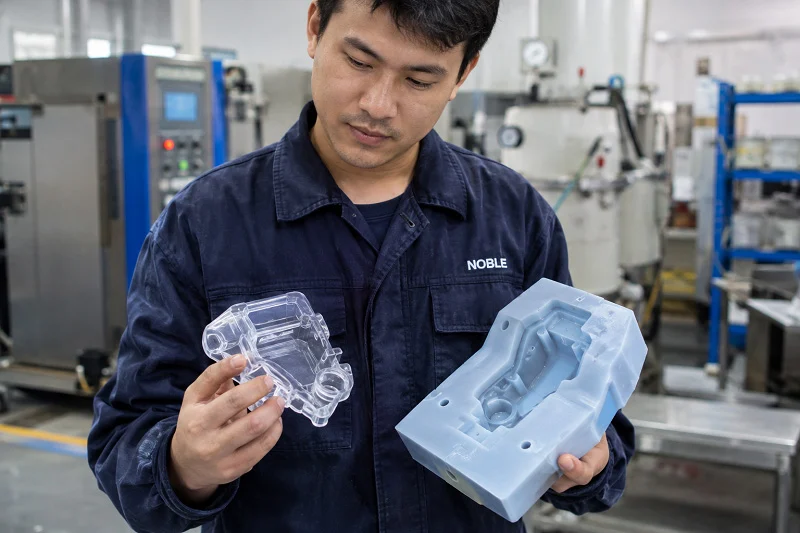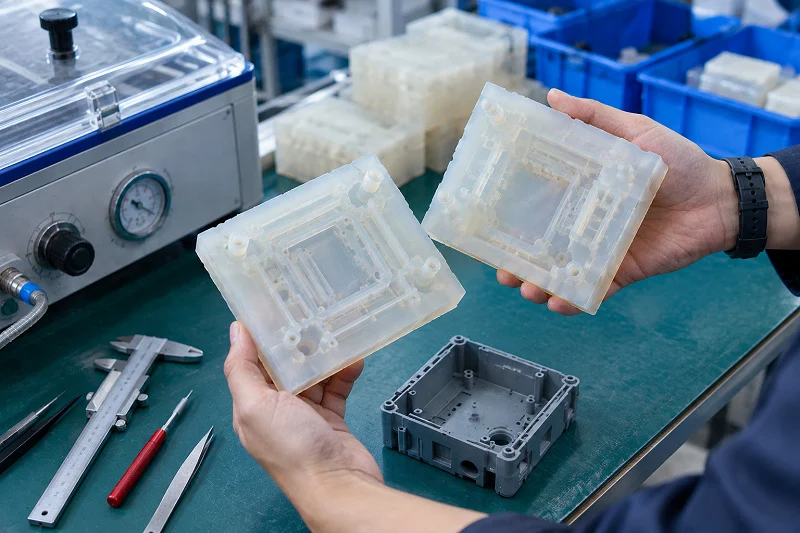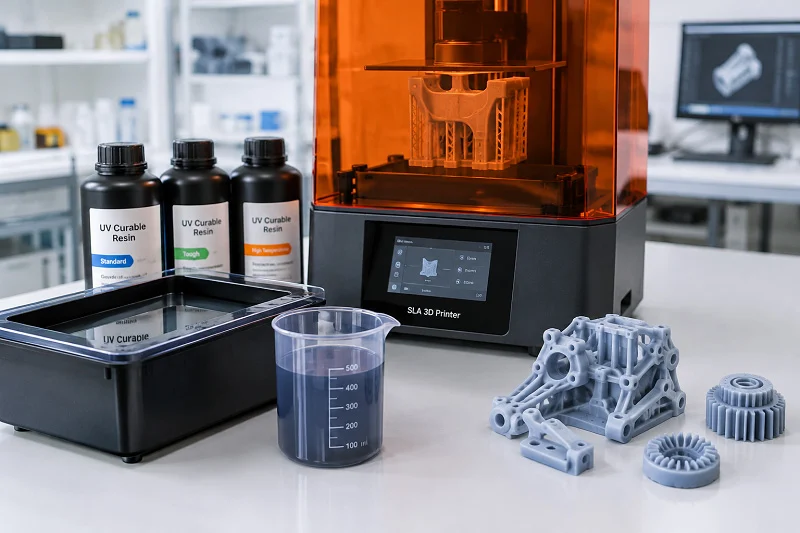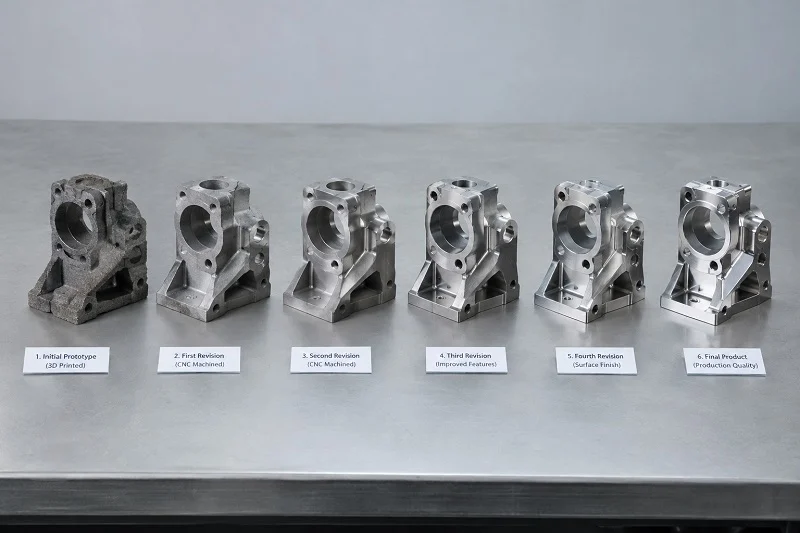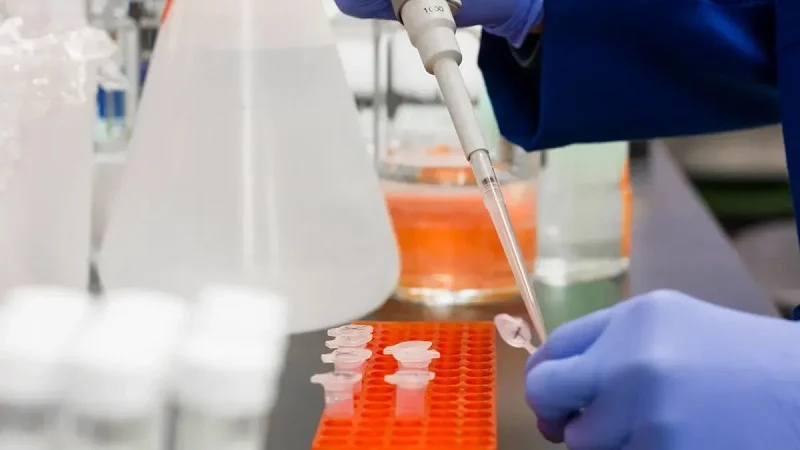
Every polymerase chain reaction depends on one key part: the PCR heating block. This block sits inside your thermal cycler block assembly and transfers heat to samples. What really decides reliability? The block’s manufacturing quality. A standard PCR block must deliver the same temperature across all wells. Poor design creates hot spots. Poor production introduces defects. The block’s thermal performance directly affects your reaction results. Each heating block goes through thermal cycling every day. The block’s material, machining, and surface finish—every detail matters. This block controls whether your protocol succeeds. We’ll explore how block design, materials, and manufacturing affect performance. Understanding these block factors helps you judge suppliers. The block you choose decides uniformity and quality. Think about the block’s thermal conductivity. The block’s flatness affects contact. The block’s well pattern affects consistency. A quality block gives reliable results. Working with experts like NOBLE makes sure your block meets specifications. Your block needs careful attention.
Materials for PCR Heating Blocks

The material you pick for your PCR heating block sets the ceiling for its thermal performance. Even the best material can fail if machining introduces defects that create hot spots or cold zones. So material choice matters, but so does how you process it. Let’s look at the options.
Aluminum Alloys: The Standard Choice
Aluminum alloys dominate the market for good reason. They offer a strong balance of cost, machinability, and heat transfer. Most standard PCR machines use aluminum because it delivers dependable results without breaking the budget.
Thermal Conductivity and Cost Efficiency
Aluminum’s thermal conductivity sits around 247 W/m·K. That’s plenty for most PCR applications. Heat spreads quickly across the block, and samples reach target temperatures fast. The material also machines easily, which keeps production costs down. For labs running routine protocols, aluminum gives you solid performance at a fraction of the cost of premium alternatives.
Anodizing for Surface Protection
Raw aluminum corrodes over time, especially with repeated thermal cycling and exposure to cleaning agents. Anodizing solves this problem. The manufacturer specifies that anodized aluminum (MIL-A-8625 Type II/III) achieves a minimum of 336 hours of salt spray resistance per ASTM B117. That metric is sufficient for 80% of general lab uses. This protection extends the block’s lifespan and keeps the surface easy to clean, which matters for contamination control.
The anodized aluminum module in this PCR thermal cycler is described as having ‘sufficient corrosion resistance’ while retaining fast heat conduction performance, confirming that this level of corrosion resistance is considered adequate for the demanding thermal cycling environment of PCR.
Silver and Gold-Plated Silver: High-Performance Options
When speed and uniformity become critical, silver steps in. Silver offers the highest thermal conductivity of any common metal at 429 W/m·K. That’s nearly double aluminum’s value. For fast PCR protocols, this difference translates into quicker ramp rates and better temperature consistency across all wells.
Superior Thermal Conductivity (429 W/m·K)
Silver’s thermal conductivity means heat moves through the block almost instantly. The block reaches setpoint faster, and every well sees the same temperature sooner. This directly improves uniformity, which is essential for reproducible results. If your lab runs high-throughput experiments where every cycle counts, silver’s speed advantage becomes obvious.
Trade-offs: Cost, Hardness, and Machinability
Silver comes with real downsides. It costs substantially more than aluminum. It’s also softer, so it wears faster and requires careful handling during machining. Silver oxidizes when exposed to air, which degrades its thermal performance over time. That’s why manufacturers apply a gold plating. Gold prevents oxidation and maintains the block’s surface quality. But gold adds another layer of cost. You’re paying a premium for speed and precision, and you need to decide if that investment makes sense for your workflow.
Material Selection Criteria
Choosing the right material isn’t just about picking the most expensive option. You need to match properties to your specific application. Here’s what to evaluate:
- Thermal conductivity (κ): High thermal conductivity (e.g., silver 429 W/m·K, aluminum 247 W/m·K) is critical for rapid heat distribution and uniform temperature across the block, directly affecting heating and cooling rates.
- Specific heat capacity (c_p): Lower specific heat reduces the energy required to change temperature, leading to faster ramp rates. For example, silver has c_p = 235 J/(kg·K) vs. aluminum’s 900 J/(kg·K).
- Density (ρ) and volumetric heat capacity (ρ·c_p): The product of density and specific heat determines the thermal mass. Silver and aluminum have similar volumetric heat capacities (~2.47 vs 2.43 MJ/(m³·K)), which explains their comparable heating/cooling performance despite different conductivities.
- Thermal diffusivity (α = κ/(ρ·c_p)): This parameter governs how quickly temperature changes propagate through the material. High thermal diffusivity (e.g., silver and aluminum) enables faster thermal response.
- Emissivity (ε): Lower emissivity reduces radiative heat loss at elevated temperatures. Polished silver (low ε) outperforms aluminum at T > 100°C, but for PCR (<100°C) the effect is negligible.
- Cost and corrosion resistance: Silver requires a gold coating to prevent oxidation, increasing cost. Gold is expensive but corrosion-resistant. Aluminum is cost-effective and adequate for most applications.
- Merit number G_β: The proposed figure of merit combines energetic (ρ·c_p) and diffusion (κ/(ρ·c_p)) indices, normalized to aluminum. For power-limited systems (β small), materials with lower volumetric heat capacity are favored; for diffusion-limited systems (β large), high thermal diffusivity is key. This enables systematic comparison.
Matching Properties to Application Needs
Think about your actual workflow. Do you run fast cycling protocols where ramp rate matters most? Silver might be worth the cost. Do you process routine samples with standard cycling? Aluminum delivers reliable results at a fraction of the price. Consider the block’s role in your overall system. The block’s thermal mass affects how quickly the system heats and cools. Lower thermal mass means faster transitions, but it also means less stability when the lid opens.
Evaluating Total Cost of Ownership
Don’t just look at the purchase price. Factor in lifespan, maintenance, and replacement costs. Aluminum blocks are cheaper upfront and last for years with proper anodizing. Silver blocks cost more initially, and the gold plating may need reapplication over time. For most labs, aluminum offers the best total cost of ownership. For specialized applications demanding maximum speed and uniformity, silver justifies its premium. The block you choose shapes your results, so weigh these factors carefully. A quality block from a trusted manufacturer like NOBLE ensures your materials perform as intended, whether you choose aluminum or silver.
Machining Processes for PCR Heating Blocks
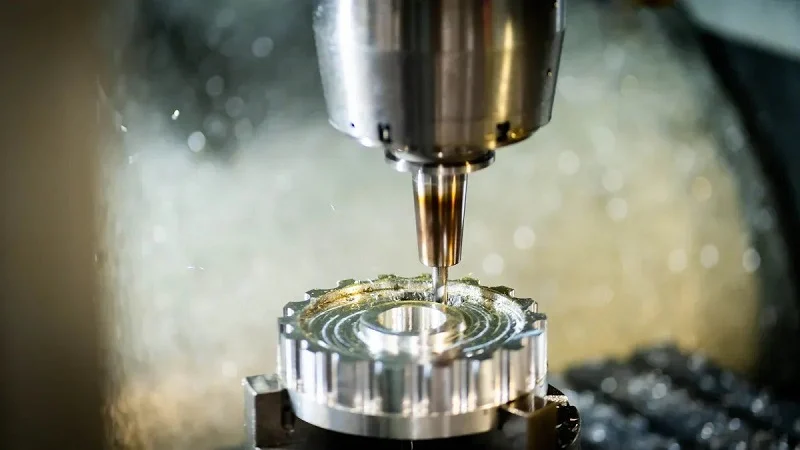
Once you pick the right material, the real work begins. The manufacturing process turns raw metal into a precision instrument. Even the best alloy can’t fix a poorly machined block. Production defects create hot spots and cold zones. And those ruin your PCR results. Every step of PCR thermal block machining demands attention.
CNC Milling for Complex Geometries
CNC milling is the backbone of PCR thermal block machining. It shapes the block from a solid piece of metal. The machine cuts the well pattern, the outer shape, and any mounting features. All in one setup.
Precision Well Pattern Machining
The well pattern is the heart of the block. A 96-well block needs 96 identical holes. They must line up perfectly with the tube array. The depth, diameter, and spacing all matter. In PCR thermal block machining, the CNC machine uses a coordinate system to position each well. It drills them one by one. The machine holds position within a few microns. That’s the only way to guarantee every tube fits right and contacts the block evenly.
Tooling Strategies for Accuracy
Tooling choices make or break PCR thermal block machining. For aluminum blocks, carbide tools work well. They stay sharp and cut clean. For silver blocks, diamond-coated end mills are better. Silver is soft and gummy. Diamond tools handle it without leaving burrs.
The right tooling strategy in PCR thermal block machining balances spindle speed and feed rate. Too fast, and the heat builds up. That changes the metal structure. Too slow, and the tool wears out. You want a smooth cut that leaves the metal intact. After machining, the next step is surface finishing.
Surface Finishing: Grinding and Polishing
After manufacturing, the block needs surface finishing. The raw machined surface has tiny ridges and valleys. These affect how heat transfers to the sample tubes.
Ensuring Flatness for Optimal Thermal Contact
Flatness is critical. The bottom of the block presses against the heating element. If there’s a gap, air acts as an insulator. Heat doesn’t transfer evenly. The result is temperature variation across the block.
Precision CNC grinding holds the bottom surface flat within a few microns. That eliminates air pockets. The block sits flush against the heater. Heat flows straight through.
Surface roughness matters too. Research shows that higher surface roughness creates nanoscale cavities. These cavities act as nucleation sites. They enhance the heat transfer rate. So a slightly textured surface can actually improve thermal performance. But you need control. Too rough, and the wells won’t seal properly. Too smooth, and you lose the nucleation benefit. Most PCR thermal block machining targets a roughness of a few microinches. The exact Ra value depends on the application.
The Role of EDM for Intricate Details
Some blocks need internal channels. For active cooling or sensor integration. Milling tools can’t reach inside those channels. That’s where electrical discharge machining (EDM) comes in. EDM uses electrical sparks to erode metal. It cuts complex shapes that mechanical methods can’t match. In PCR thermal block machining, EDM creates internal features with high accuracy. The surface finish from EDM is very clean. No burrs or tool marks.
Post-Machining Treatments
Machining introduces stress into the metal. Cutting forces, heat, and vibrations all leave their mark. If you don’t relieve that stress, the block warps over time. Thermal cycling makes it worse.
Stress Relieving for Dimensional Stability
Stress-relief annealing is the solution. The block goes into a furnace. It heats to a specific temperature. Then it cools slowly. This process realigns the metal’s internal structure. It prevents warping over thousands of PCR thermal cycles. In PCR thermal block machining, stress relief is a standard step. Without it, the block changes shape. Well positions shift. Temperature uniformity degrades.
Cleaning and Surface Preparation
After machining and stress relief, the block needs cleaning. Metal chips, cutting fluids, and dust contaminate the surface. These contaminants can affect thermal transfer. They can also introduce contamination into the PCR reaction.
Cleaning involves multiple steps. First, a solvent wash removes oils and coolants. Then, an ultrasonic bath dislodges particles from tiny crevices. Finally, a rinse with deionized water leaves the surface clean.
Some blocks get an additional surface treatment. Anodizing for aluminum. Gold plating for silver. These treatments protect the surface and improve longevity. In PCR thermal block machining, cleaning and surface preparation are the last steps before quality control. The block is now ready for inspection and testing.
The entire PCR thermal block machining process demands precision at every stage. From the first CNC cut to the final cleaning. Each step affects the block’s performance. For a PCR heating block, proper production means consistent results. A quality manufacturing partner like NOBLE controls every variable. They ensure the block meets your specifications. The result is a block that delivers consistent thermal performance. And that means reliable PCR results.
PCR Heating Block Design Factors
Good design for a PCR heating block starts with one main goal. The block must touch every sample tube firmly. Heat needs a clear path from the heater to the sample. Any gap slows heat transfer. The whole design focuses on this goal.
Optimizing Well Layout and Thermal Mass
The well layout decides how tubes sit in the block. Depth, diameter, and spacing all affect heat uniformity. A bad layout creates heat differences between wells.
Uniformity vs. Ramp Rate Trade-offs
Heat mass plays a big part in this design choice. A larger block mass improves uniformity. It keeps the system steady. But it needs more energy to heat up at the start. A smaller block heats up fast. That saves energy on startup. The downside? Heat can drift more easily.
The ratio between sample capacitance and block capacitance matters here. A smaller ratio means better uniformity. But you get that by making the block bigger. That increases startup energy. You must balance these factors. High-conductivity materials like aluminum help with uniformity. But the block mass itself is the main factor for thermal uniformity.
Accommodating Tubes and Plates
The block must fit standard tubes and plates. A 96-well block needs precise spacing. The wells must line up with the tube array. Depth matters too. Tubes sit at different depths in different blocks. A shallow well means the tube sits higher. That changes heat contact. A deep well holds the tube tight. But it can be hard to insert and remove tubes.
The design also must handle different tube materials. Polypropylene tubes expand when heated. The well must allow for that expansion. Otherwise, tubes get stuck. The block surface finish affects how easily tubes slide in and out.
Integrating Sensors and Heating Elements
The block needs accurate temperature control. That starts with sensor placement. The heater must transfer heat evenly. Both parts work together.
Placement for Accurate Feedback
Sensors sit inside the block. Their position matters. A sensor near the heater reads a different value than one near the sample wells. The block design places sensors in the middle of the heat path. They need to read sample conditions without being too close to the heater.
Multiple sensors can help. But they add cost. A single sensor placed correctly gives good results. The block material spreads heat evenly. That reduces the need for many sensors.
Thermal Interface Materials
A thin layer between the heater and the block improves heat transfer. Thermal interface materials fill tiny gaps. Air is a poor conductor. The paste or pad removes air pockets. The material must withstand thermal cycling. It should not degrade over time.
The block design must account for this layer. Clamping pressure affects how well the material works. Too much pressure squeezes it out. Too little leaves gaps.
Managing Thermal Expansion
Every metal expands when heated. The block goes from room temperature to 95°C and back. That repeated expansion causes problems.
Material Selection for Dimensional Stability
Different materials expand at different rates. Aluminum expands more than silver. The block design must account for this. Expansion changes well positions slightly. The change is small. But it adds up over thousands of cycles. The block can warp if the design doesn’t allow for movement.
Mounting Methods to Prevent Warping
The block attaches to the cycler frame. If the mount is too rigid, the block can’t expand freely. Stress builds up. The block bends or cracks. A good design uses flexible mounts. Springs or sliding pins let the block move. The block expands without warping. Mounting points also affect uniformity. Metal conducts heat to the frame. That cools the edges of the block. Designers place mounts where they minimize heat loss.
The entire design process must balance these factors. Uniformity, sensor placement, expansion, and mounting all affect a PCR block’s thermal performance. A well-designed block from a partner like NOBLE delivers reliable results cycle after cycle.
Precision Requirements for PCR Blocks
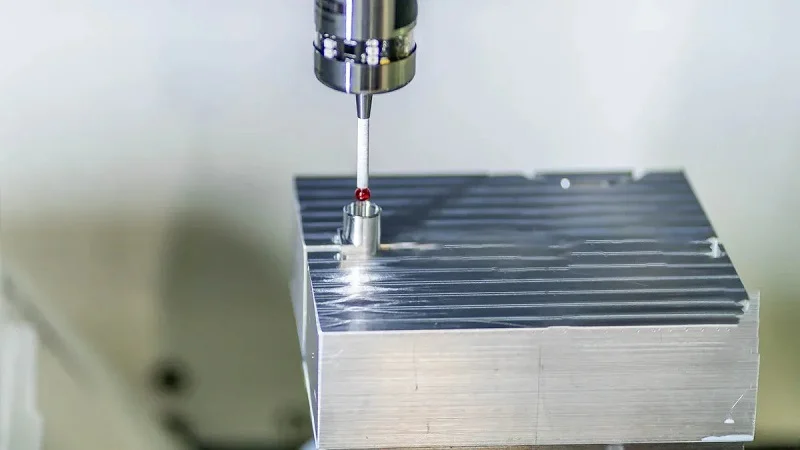
PCR results are only reliable when temperatures are accurate and uniform. If temperature differs across the block, some samples speed up while others lag behind. That creates inconsistent outcomes. The block must give the same heat to every well, every cycle. That precision depends on tight manufacturing tolerances and careful quality control.
Critical Features: Well Diameter, Depth, and Pitch
The well pattern is the first thing to check. Each well must have the right diameter so tubes fit snugly. If the hole is too wide, the tube wobbles and loses contact with the block wall. If it’s too narrow, the tube won’t go in at all. Depth matters just as much. A shallow well leaves the tube bottom floating above the block floor. That creates an air gap, and air is a poor heat conductor. Pitch — the center-to-center distance between wells — must match the tube array exactly. Even a small offset shifts the whole row, causing poor contact across the entire plate. For PCR thermal block machining, these dimensions are usually held to within a few thousandths of an inch.
Flatness and Parallelism for Uniform Contact
The bottom of the block rests against the heating element. If that surface isn’t flat, heat transfer suffers. A gap of even a few microns creates a hot spot or cold zone. Flatness tolerances for a PCR block are usually set between 0.001 and 0.002 inches across the whole surface. Parallelism between the top and bottom faces is equally important. When the block is clamped in the cycler, any taper causes uneven pressure. That pressure change alters how well the sample tubes contact the wells. The result is uneven heating across the block. Good PCR thermal block machining uses precision grinding to hit these tight flatness and parallelism specs.
Ra and Rz Values for Thermal Transfer
Surface roughness is measured in Ra (average roughness) and Rz (average maximum height). For a PCR block, a typical Ra value is around 16 to 32 microinches. That’s smooth enough to reduce air gaps but still has slight texture. Why keep some texture? Because research shows that very small surface features can improve heat transfer. They act as nucleation sites for better thermal contact. But too much roughness creates large gaps that block heat flow. The right balance depends on the material and the application. During PCR thermal block machining, the finishing pass is carefully controlled to hit the target Ra value.
Impact on Sample Well Sealing
The surface finish inside the wells affects how well the sample tubes seal. A rough well wall can cause the tube to stick. A smooth wall lets the tube slide in and out easily. But the seal also matters for preventing evaporation. If the tube doesn’t seat properly, the cap may not close fully. That leads to sample loss during thermal cycling. The wall finish also affects cleaning. Smooth surfaces are easier to clean and less likely to trap contaminants. For PCR blocks that see heavy use, a consistent surface finish inside the wells is critical for long-term reliability.
In-Process Inspection and Final Verification
Inspection happens at multiple stages during PCR thermal block machining. After each major operation, the part is checked. Well diameters are measured with air gauges or optical comparators. Flatness is checked with a surface plate and indicator. Every measurement is recorded. At final inspection, the block goes through a complete dimensional check. All critical features are verified against the drawing. Any block that fails is rejected or reworked. This systematic approach to quality control ensures that only blocks meeting the tight tolerances move to the next step.
Thermal Uniformity Testing and SPC
The final test is thermal uniformity. The block is installed in a test fixture and heated to a setpoint. Temperature sensors placed in multiple wells record the actual temperature at each location. The data shows how uniform the heat distribution really is. A good block keeps all wells within plus or minus 0.5 degrees Celsius of the setpoint. Statistical Process Control (SPC) tracks these results over time. If the process starts to drift, it’s caught early. This kind of testing verifies that the block performs as designed. It also confirms that the PCR thermal block machining process is stable and capable. For the end user, thermal uniformity testing gives confidence that every block will deliver consistent results, cycle after cycle.
Regular calibration and maintenance of the thermal cycler itself also matters. Over time, sensors can drift. The heating element can degrade. But starting with a well-made, thoroughly tested block reduces the risk of uneven heating from the beginning. Durability is built in through the material choice, the machining process, and the quality control protocols. A block that passes these rigorous tests will perform reliably for thousands of thermal cycles.
Future Trends in PCR Heating Block Manufacturing
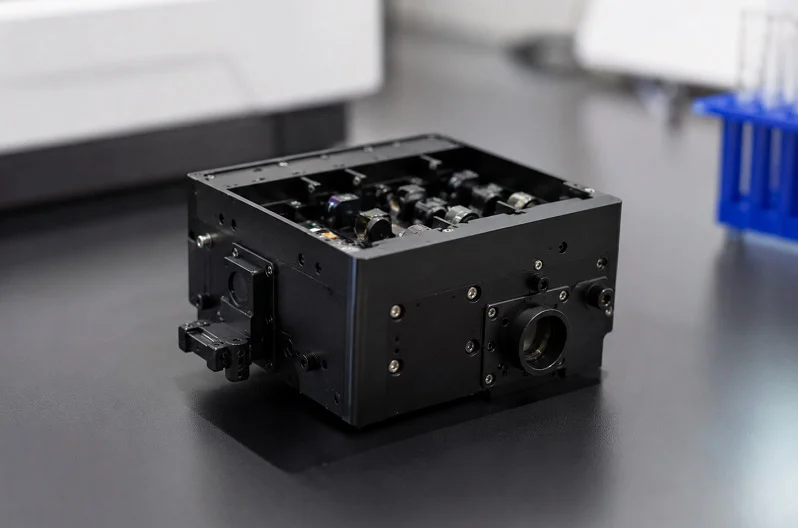
The PCR heating block keeps changing. New materials, smarter ways to make it, and smaller devices are pushing what is possible. Let’s see where the industry is heading next.
Advanced Materials and Composites
Aluminum and silver will not go away. But new options are challenging their use. Ceramics and mixed materials offer exciting possibilities for the next set of blocks.
Exploring Ceramics and Hybrid Materials
Aluminum nitride is a standout among ceramics. It moves heat almost as well as metal. The table below shows why it matters:
| Property | Value | Relevance to PCR Heating Blocks |
| Thermal Conductivity | 170–200 W/m·K | 7–8 times higher than alumina (~25 W/m·K), approaching pure aluminum (220 W/m·K), ensuring rapid heat transfer |
| In-plane Thermal Conductivity | 180 W/m·K | Superior lateral heat spreading, exceeding metal heat spreaders, ensuring uniform temperature across the block |
| Thermal Mass | 1/12 that of metal | Enables heating/cooling rates >20°C/s (vs. 3–4°C/s for aluminum), reducing 30 PCR cycles from ~1 hour to <15 minutes |
| Thermal Shock Resistance | Excellent (-40°C to 800°C) | Withstands rapid temperature cycling without cracking, critical for repeated PCR thermal cycling |
The numbers tell a clear story. A ceramic block heats twelve times faster than metal. That speed changes how PCR works. Labs running many samples finish in minutes instead of hours.
Key Material Specification for PCR Applications:
- Thermal Conductivity: 170–180 W/m·K – among the highest for ceramic materials
- Electrical Insulation: High dielectric strength – supports high-voltage operation
- Mechanical Strength: Excellent resistance to thermal shock, vibration, and mechanical stress
- Application: Controlled heating in diagnostic analyzers, therapeutic equipment, and PCR instruments
Ceramics also resist rust better than bare aluminum. They do not need a coating or plating. That makes production easier and cuts down on long-term care.
Potential of Additive Manufacturing
3D printing opens new doors for block design. Old machining cuts away material from a solid piece. Additive manufacturing builds the block layer by layer. This method allows internal cooling channels that milling cannot make. Designers can improve heat flow in ways that were not possible before.
The problem? Surface finish. Printed parts often need extra work to meet the tight tolerances PCR blocks need. But the technology gets better each year. Expect additive methods to play a bigger role in production soon.
Smart Manufacturing and Digital Twins
Production itself gets smarter. Manufacturers now use data to find problems before they happen.
Real-Time Process Monitoring
Sensors on CNC machines track every cut. Vibration, temperature, and tool wear data flow to a central system. The system spots problems right away. A tool starting to dull? The machine adjusts or stops. This real-time monitoring cuts down on defects and keeps quality steady.
Predictive Quality Assurance
Digital twins take this further. A virtual copy of the block and the machining process runs alongside the real one. Engineers test changes in the simulation first. They predict how a new tool or speed affects the final part. This method cuts waste and speeds up development. Production becomes more reliable from the first run.
Miniaturization and Microfluidics Integration
PCR devices get smaller. Point-of-care testing needs compact systems. That trend changes how blocks are made.
Challenges in Next-Gen Devices
Smaller blocks mean tighter tolerances. A tiny error in well position becomes a bigger problem when the whole block fits in your hand. Heat management gets harder too. Less material means less thermal mass. Keeping the same temperature across all wells becomes tougher.
Precision Manufacturing for Scaling Down
Manufacturers meet this challenge with better machines and stricter controls. Micro-machining methods hold tolerances that seemed impossible ten years ago. The same rules apply — flat surfaces, precise wells, clean finishes — but at a smaller scale. The future of PCR heating block production lies in this precision. Companies that master it will lead the next generation of diagnostics.
Partnering with NOBLE for PCR Heating Block Production

Comprehensive Capabilities from Design to Assembly
Engineering Support and DFM
NOBLE works with you even before the first piece of metal is cut. Our engineers look at your block design and recommend changes to make it easier and more reliable to build. This is called Design for Manufacturing (DFM). We find problems early. A small change to a corner radius or well depth can save time and improve quality. Our team knows how each design choice affects the final part. We help you choose the right material, tolerances, and surface finish. The result is a part that works well and costs less to make. Our experience with PCR heating block production means we know what works. We have seen hundreds of designs. We can tell you what will cause problems and what will go smoothly.
In-House Machining, Finishing, and Assembly
We keep all work in one place. CNC milling, surface grinding, EDM, cleaning, and assembly all happen in our building. That gives us full control over every step. We do not send any work to another company. When a part goes from machining to finishing, the same team handles it. This reduces errors and delays. We also put together the heating elements and sensors into the block. The block arrives ready to install in your thermal cycler. You get a complete part, not a half-finished one. This full control helps us catch issues before they become problems.
Certifications and Quality Management
ISO 9001:2015 for Quality Management
NOBLE has ISO 9001:2015 certification. This standard covers our whole quality management system. We follow written steps for every process. We track defects, measure performance, and make improvements over time. An outside auditor checks our system every year. This certification is not just a piece of paper. It means you can trust that every block we ship meets the same high standards. For a part like a PCR heating block, consistency is everything. You need the same performance from every unit. Our quality system gives that.
ISO 13485:2016 for Medical Devices
PCR machines are often medical devices. ISO 13485:2016 is the standard for making medical devices. It is stricter than ISO 9001. It requires risk management, traceability, and tight control of production steps. NOBLE also has this certification. If your block goes into a diagnostic system, you need a partner who follows these rules. We do. This certification shows our commitment to the highest standards. It gives you peace of mind when your part is part of a regulated product.
Why Choose NOBLE as Your Manufacturing Partner
Commitment to Precision and Reliability
Every block we make starts with a clear specification. We measure well diameters, check flatness, and test thermal uniformity. Our quality control team inspects every feature. We use statistical process control to find problems early. If a block does not pass, it does not ship. That commitment is why labs and OEMs choose us for their most demanding uses. We understand that your PCR results depend on our work. A small error in our part means bad data in your lab. We take that responsibility seriously.
Contact Us to Discuss Your Project
Ready to talk about your next block? Send us your design files or your needs. Our engineering team will review them and give you a quote. We can help you choose the right material and the right way to make it. Contact NOBLE today and see how we can support your project.
Every dependable PCR heating block begins with smart choices. The right material, exact machining, and good design all work together. No one solution fits every lab. Your needs decide the path. For speed, use silver. For regular work, aluminum works well. Cost, even heat, and ramp rates are all important.
How the block is made affects how it works. A good block gives steady heat results. A bad block ruins experiments. The block’s design impacts each cycle. Working with a maker who knows these details makes a difference. NOBLE handles the whole process, from first design to final production. Their skill makes sure your block meets all specs. Each block passes tough tests. A well-made block lasts for many cycles. This block is the heart of your machine. The right block changes everything.
PCR technology keeps getting better. Faster methods, smaller devices, and smarter making. Precision will become even more important. Pick a partner who keeps up. Your results rely on that.
FAQ of PCR Heating Block
How often should I replace the heating block?
Swap the block when you notice temperature differences bigger than 1°C between wells. Most blocks last for thousands of heating and cooling cycles. Check the flatness once a year.
What causes temperature non-uniformity across the block?
The main causes are poor surface flatness, worn anodizing, or damage from repeated heating and cooling. Even a tiny gap between the block and the heater changes how heat moves.
Can I use different tube types with the same block?
Yes, but the tube must touch the block wall. Thin-walled tubes transfer heat better. Make sure the tube fits snugly without forcing it in.
How does anodizing protect the block?
Anodizing puts a protective layer on the block surface. It stops rust from cleaning agents and thermal cycling. MIL-A-8625 Type II/III gives 336 hours of salt spray resistance.
What should I look for when inspecting a new block?
Check the well diameter, depth, and spacing. Measure the flatness of the bottom. Look for rough edges or tool marks. Good PCR thermal block manufacturing from partners like NOBLE keeps the size very precise.
Does the block material affect ramp rate?
Yes. Silver has 429 W/m·K thermal conductivity, almost double aluminum’s 247 W/m·K. The block material directly affects how fast the block heats and cools.
How do I clean the block properly?
Use a soft cloth with isopropyl alcohol. Stay away from rough cleaners that scratch the surface. Rinse with deionized water and dry it completely.
What causes a block to warp over time?
Repeated heating and cooling cycles create stress inside the block. Without proper stress-relief annealing, the block slowly changes shape. This affects how evenly the block heats.