Demand for precision housings in medical devices keeps rising, and the role of CNC medical housing solutions has become more critical than ever. Portable monitors, imaging systems, and surgical tools all need enclosures that protect sensitive electronics while meeting rigorous safety standards. Manufacturers routinely hold critical tolerances to ±0.0001 inches. How do they reach that accuracy while ensuring strict biocompatibility and long-term reliability?
The answer lies in advanced medical CNC machining, which forms the backbone of modern CNC medical housing production. This guide walks through the processes, materials, and design choices that define high-performance medical housings. You’ll learn what separates a dependable manufacturing partner from a risky one—especially when it comes to consistency, traceability, and regulatory compliance.
All materials used in CNC medical housing must meet USP Class VI standards or have FDA master files on file. ISO 10993 remains the essential benchmark for biocompatibility evaluation, ensuring that every housing is safe for patient contact and clinical environments.
These regulatory requirements shape every design and production decision. Understanding them helps you evaluate suppliers for your next device project with confidence. Smart choices here improve safety, streamline manufacturing efficiency, and drive better production outcomes across the board.
CNC Medical Housing: Key Processes and Applications
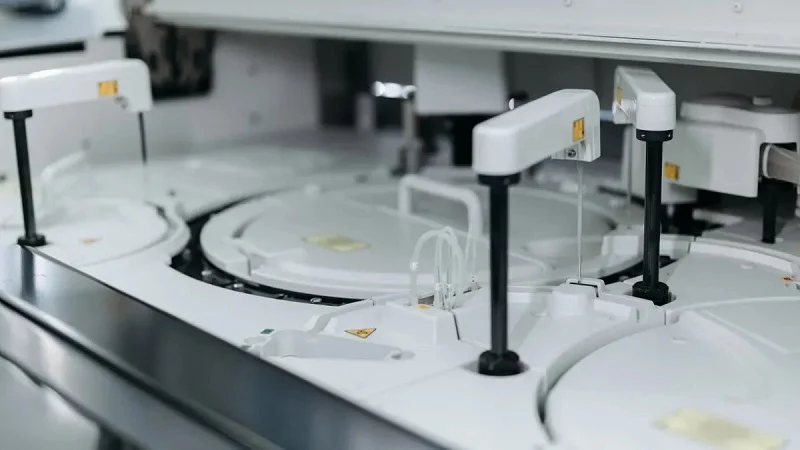
A well-designed CNC medical housing does more than just protect the electronics inside. It helps the device work reliably in tough hospital settings. The medical device industry uses these methods to create housings that meet strict safety rules while handling complex designs. Let’s explore how this works and where these housings appear in real medical products.
Why CNC Machining is Essential for Medical Devices
Precision and Repeatability in Production
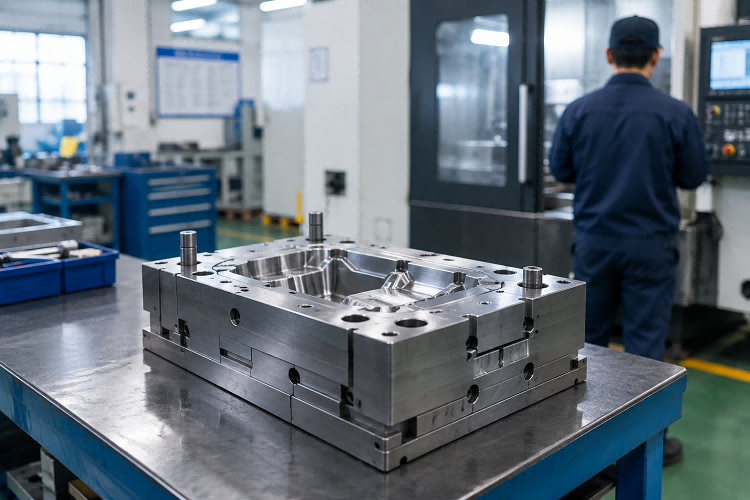
Medical device manufacturing needs consistency in every batch. A housing that’s off by a few thousandths of an inch can cause parts to misalign or break a seal. CNC machining solves this by keeping tight tolerances on every part. Once the CNC program is set, the machine repeats the same result again and again. That repeatability is vital for medical device production, where every unit must match the same specs.
Other methods like Metal Injection Molding work well for large volumes, but they don’t offer the same precision. CNC handles lower volumes with much tighter tolerances. It also lets you adjust the design when needed. For CNC medical housings, that mix of accuracy and flexibility is a big plus.
Customization for Complex Geometries
Medical housings CNC machining really excels at complex shapes. Other manufacturing methods struggle with intricate features, but CNC handles them easily. Need precise holes for sensor mounts? CNC delivers. Need slots for cable routing or pockets for electronic parts? No problem. The process handles all these details with high accuracy.
CNC Mill & Turn is a common method for instrument housings. It combines milling and turning in one setup, which reduces handling and boosts accuracy. Aluminum alloys like 6061 and 7075 are popular for non-implantable device housings. They’re lightweight, strong, and easy to machine. That makes them ideal for diagnostic equipment enclosures and other medical parts.
Applications Across the Medical Device Industry
Housings for Diagnostic and Monitoring Equipment
Diagnostic equipment needs enclosures that protect sensitive electronics while allowing easy access for maintenance. Medical CNC machining creates these housings with the accuracy needed for a proper fit. Monitor cases, control panel enclosures, and diagnostic imaging shells all depend on CNC equipment. The method makes durable enclosures that handle daily use in medical settings. Many of these housings also need EMI shielding, and the process creates the features for shielding inserts. The entire manufacturing process runs with precision.
Enclosures for Imaging Systems (MRI, CT Scanners)
Imaging systems present unique challenges. MRI machines require non-magnetic parts, and the process works with materials that meet that need. The method produces accurate frames, sensor enclosures, and shielding parts for imaging equipment. These parts must fit together perfectly to ensure accurate results. Medical device parts for imaging systems often need tight tolerances and complex shapes, both of which the process handles well.
Portable and Handheld Medical Devices
Portable medical devices keep growing in popularity. Handheld diagnostic tools, portable monitors, and wearable devices all need lightweight, durable housings. The CNC process allows for ergonomic designs that fit comfortably in the hand. Such products are common in medical use. Ventilator enclosures, respirator component covers, and rehabilitation motion brackets all benefit from the accuracy. Surgical tools also rely on machined housings for their handles and control interfaces. These surgical parts must withstand repeated sterilization while keeping their fit and function. Another key area is surgical instruments that need precise control and ergonomic handling, where machined parts deliver consistent quality. Production runs of these devices benefit from the repeatability of the machining process.
CNC Machining Processes for Medical Housings
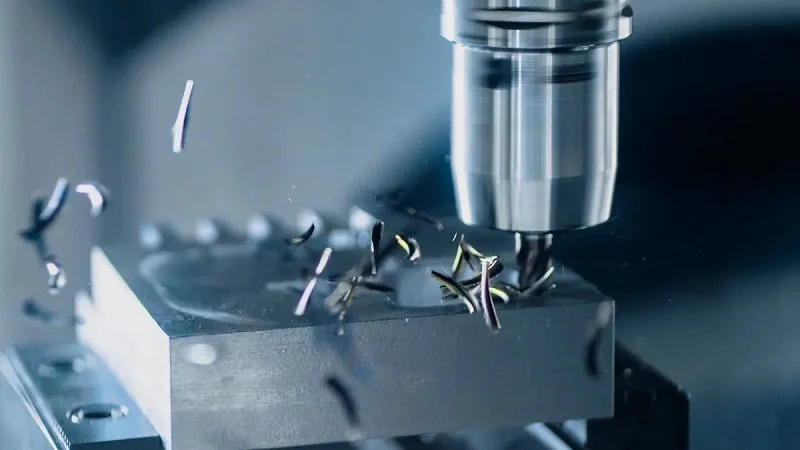
Picking the right machining process affects how your medical housing works. Each method has its own strengths. The key is matching the process to your part’s size, complexity, and volume. Let’s look at the main options.
CNC Milling for Complex Housing Features
Milling does most of the work for flat surfaces, cavities, and detailed features. Rotating cutting tools remove material from a block. That gives you full control over the final shape.
3-Axis vs. 5-Axis Milling
Standard 3-axis milling moves the tool along X, Y, and Z axes. It works well for simpler parts. For complex medical housings, 5-axis milling is often better. A 5-axis machine adds two rotational axes. That lets the tool reach the part from multiple angles without moving the workpiece.
The big advantage is accuracy. With 5-axis CNC machining, you machine multiple sides in one setup. That cuts down on handling. Fewer setups mean fewer chances for errors. For a CNC medical housing with features on different faces, that’s a game changer.
This matters when working with tough materials like titanium. Medical housings often use titanium for its strength and biocompatibility. But titanium generates a lot of heat during machining. Advanced 5-axis centers use flood coolant and adaptive toolpath control to manage that heat. They prevent tool deflection and keep the surface finish consistent. That gives you repeatable precision on thin walls and complex contours.
The numbers back this up:
| Aspect | Specification | Relevance to Medical Housings |
| Dimensional Tolerance | ±0.005 mm (±0.0002″) | Ensures precise fit and function of implant housings |
| Surface Finish (Ra) | 0.05 μm | Promotes biocompatibility and reduces wear debris |
| CMM Accuracy | ±0.001 mm (±0.00004″) | Validates final part dimensions against specifications |
| In-Process Touch Probe Accuracy | ±0.002 mm (±0.00008″) | Provides real-time monitoring to prevent drift during machining |
| Environmental Temperature Stability | ±0.5°C (±1°F) | Prevents thermal expansion that would compromise micron-level accuracy |
Those tight tolerances make medical CNC machining reliable for critical applications. Each part matches the last one.
Milling for Pockets, Bosses, and Mounting Points
Medical housings need internal features that hold components in place. Pockets are cavities milled into the housing for circuit boards, sensors, or batteries. A CNC vertical milling machine creates these pockets with clean, accurate walls.
Bosses are raised pads for screws or fittings. They give you a strong attachment point without adding material to the whole housing. Mounting points follow the same idea. You need threaded holes and precise locations for assembling covers and internal parts. CNC milling handles all of these in one program. The machine taps holes, cuts slots, and forms mounting plates in the same operation. That cuts down on secondary work and keeps everything aligned.
CNC Turning for Cylindrical Components
Some components have rotational symmetry. Those call for turning. CNC turning spins the workpiece while a cutting tool shapes it. The results are round, precise parts.
Swiss Machining for Small, Intricate Parts
Swiss-style turning uses a guide bushing to support the material right at the cutting point. That lets you machine very small, long parts without deflection. For medical devices, Swiss machining is a go-to method. It produces small housings, sleeves, and pins with excellent surface finish. The tight tolerances are hard to beat with other methods. If your design includes tiny cylindrical components, Swiss machining is worth a close look.
Turning for Connectors and Inserts
Connectors and threaded inserts are common in medical housings. These parts need precise threads and smooth surfaces. Turning produces them efficiently. The process cuts external threads, grooves, and chamfers in one setup. For a precision housing that needs to seal against moisture, that accuracy matters. Connectors must fit every time without leaking. Turning delivers that consistency.
Advanced Techniques: EDM and Laser Cutting
Sometimes milling and turning can’t reach every feature. That’s when advanced methods come in.
EDM for Sharp Internal Corners
Milling uses round tools, so internal corners always have a radius. But some designs need sharp corners for a tight seal or specific fit. Electrical discharge machining, or EDM, uses electrical sparks to erode material. A thin wire or shaped electrode cuts through. The result is a sharp internal corner with no tool radius. This matters for medical housings where every micron counts. EDM also handles hardened materials that are tough to mill. If your design has intricate features in a hard metal, EDM is the way to go.
Laser Cutting for Thin-Walled Features
Laser cutting uses a focused beam of light to vaporize material. The beam is incredibly thin. That lets you cut very fine details and thin walls. For medical housings, laser cutting works well for vents, indicator light holes, and thin-walled enclosures. The process leaves a clean edge. It doesn’t create the heat-affected zone that other methods do. That keeps the material properties intact. For parts that need to be lightweight and strong, laser cutting is a smart choice.
Materials for CNC Medical Housings
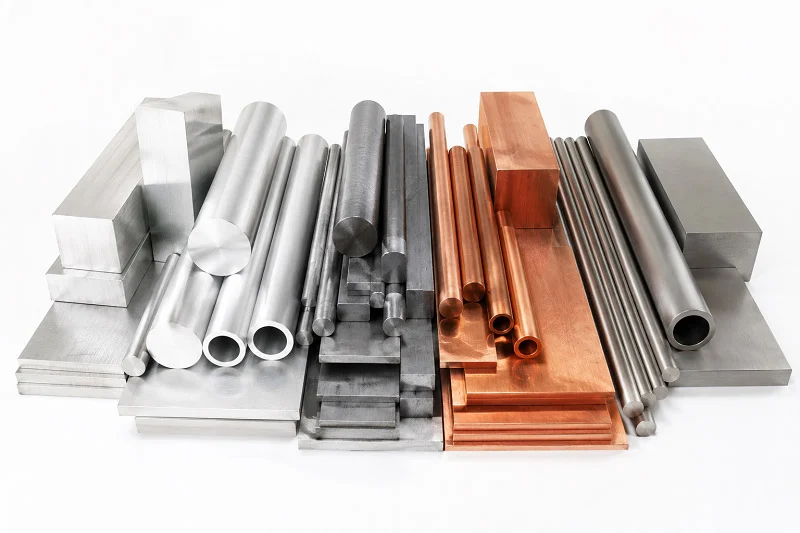
Choosing the right material for a CNC medical housing is just as important as the machining process. The material decides strength, weight, cost, and how the housing handles sterilization. It also affects biocompatibility, which directly impacts patient safety. Let’s break down the top options and what makes each one valuable.
Medical-Grade Metals
Metals are still the main choice for housings that need serious durability. They handle high stress, resist corrosion, and withstand repeated cleaning cycles.
Stainless Steel (316L, 17-4 PH) for Durability
Stainless steel 316L is a workhorse in the medical device industry. It resists corrosion well and holds up in clean environments. You’ll find it in surgical tools and non-permanent implants. For housings, 316L gives a strong, reliable shell that survives harsh cleaners.
Stainless steel 17-4 PH takes things further. It delivers high strength and hardness after heat treatment. That makes it ideal for surgical tools and housings that face heavy wear. If your device needs a housing that won’t bend or warp under load, 17-4 PH is a solid pick. Both grades machine cleanly with CNC machining, giving you tight tolerances and smooth surfaces.
Titanium (Grade 5, Grade 23) for Biocompatibility
Titanium stands out for biocompatibility. Grade 5, also called Ti-6Al-4V, handles load-bearing jobs like hip and knee implants. For housings, it offers extreme corrosion resistance and strength without the weight of steel.
Grade 23, or Ti-6Al-4V ELI, has higher purity. That makes it the top choice for critical implant parts. Pacemaker cases and dental parts often use commercially pure titanium grades 1 to 4. When no other material delivers the right mix of safety and performance, titanium is the answer. Medical CNC machining of titanium requires careful heat control, but the results are worth it.
Aluminum (6061, 7075) for Lightweight Designs
Aluminum brings high thermal conductivity. That makes it perfect for housings that need to release heat. Diagnostic equipment enclosures often use aluminum 6061 because it’s light, strong, and easy to machine. Aluminum 7075 offers even higher strength for demanding uses. Portable devices benefit from aluminum’s light weight, which improves ergonomics and user comfort. For non-implantable housings, aluminum is a cost-effective choice that doesn’t skip quality.
High-Performance Plastics
Plastics give designers more freedom with shapes and colors. They also weigh less than metals, which matters for handheld devices.
PEEK and PEI for High-Temperature Resistance
PEEK and PEI, also known as Ultem, handle high temperatures without warping or deforming. That makes them ideal for housings that go through autoclave sterilization. PEEK resists all common sterilization methods, including steam, EtO, and gamma rays. PEI offers similar benefits with excellent dimensional stability. These materials cost more, but they deliver reliability where it counts. For reusable surgical tools and sterilization trays, PEEK and PPSU are the top choices.
ABS and Polycarbonate for Cost-Effective Prototypes
ABS is an opaque polymer that accepts unlimited custom colors. It’s durable and affordable, making it great for enclosures and non-implantable housings. However, ABS does not handle autoclave sterilization. It works best with EtO or gamma methods. Polycarbonate offers better impact resistance and clarity. It handles EtO and gamma well but has limited autoclave use. Both materials shine during prototyping when you need quick, low-cost tests before committing to production.
Material Selection Criteria in the Medical Device Industry
Picking a material is not just about strength or cost. You need to weigh several factors together.
Biocompatibility and Sterilization Compatibility
ISO 10993 sets the standard for biocompatibility testing. Materials must pass tests for cytotoxicity, sensitization, and irritation. The material also needs to keep its integrity after sterilization. The table below shows how common plastics respond to different sterilization methods:
| Material | Steam (Autoclave) | EtO | Gamma Radiation | Typical Housing Applications |
| Polycarbonate | Limited | Yes | Yes | Diagnostic housings, fluid reservoirs |
| PEEK | Yes | Yes | Yes | Implants, surgical tools (also used in housings) |
| PPSU | Excellent | Yes | Yes | Reusable surgical instruments, sterilization trays |
| Polypropylene | Limited | Yes | Yes | Disposable components, containers |
| ABS | No | Yes | Yes | Enclosures, non-implantable housings |
For reusable housings that need autoclaving, PEEK or PPSU are the right call. For disposable housings sterilized by EtO or gamma, polycarbonate or polypropylene work well.
Mechanical Strength and Wear Resistance
The housing must protect sensitive electronics from impact and vibration. Metals like stainless steel and titanium offer the highest strength. Plastics like PEEK provide good toughness with less weight. Think about the device’s environment. Will it drop? Will it face constant handling? Those answers guide your choice.
Machinability and Lead Time Impact
Some materials cut faster than others. Aluminum machines quickly, which shortens lead times. Titanium takes longer and needs more care. Plastics like ABS and polycarbonate are easy to machine but may need secondary finishing. Balancing machinability with performance helps you meet production deadlines without losing quality. Regulatory compliance requires documentation of material properties and test results. Working with a supplier who understands these requirements keeps your project on track.
Surface Treatments for CNC Medical Housing
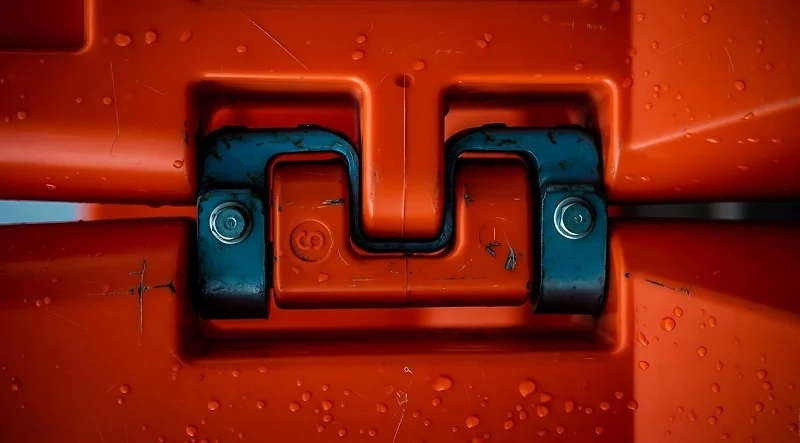
Surface treatments do more than just make a housing look nice. They affect how long the device lasts and how safe it is for patients. A rough surface can hold water and germs, which may cause rust and bacteria. A smooth, well-treated surface stops buildup and is easy to clean. In medical CNC machining, the right finish can make a housing last for years instead of failing early.
Enhancing Biocompatibility and Corrosion Resistance
Passivation and Electropolishing for Metals
Stainless steel housings need extra protection to stay free of rust. Passivation removes free iron and other dirt and makes the natural chromium oxide layer stronger. This process does not change the surface much, but it greatly improves rust resistance. Electropolishing goes further. It removes a very thin layer of metal, making the surface smoother and cleaner. This helps the passive chromium oxide layer form more evenly, which improves both rust resistance and ability to clean.
| Passivation | Electropolishing |
| Removes free iron and contaminants | Removes surface material at a microscopic level |
| Strengthens the chromium oxide layer | Creates a more uniform passive layer |
| Minimal change to surface finish | Produces a smoother, cleaner surface |
Both methods are important for surgical tools and reusable housings that go through many sterilization cycles. They keep the metal strong and lower the chance of small holes or cracks from rust over time.
Anodizing for Aluminum Housings
Anodizing is an electrochemical process that makes the natural oxide layer thicker on aluminum housings. This improves rust resistance and makes the surface harder and more durable. Anodizing also allows colored finishes, which helps with device branding and user identification. For portable diagnostic tools, anodized aluminum gives a lightweight, strong shell that resists wear. The process works well with the tight tolerances from CNC machining, so you don’t lose precision during finishing.
Improving Aesthetics and Functionality
Bead Blasting and Powder Coating
Bead blasting gives housings a smooth, matte look. It takes off heat tint and color changes from welded stainless steel enclosures without harming the metal’s natural finish. This makes it great for parts where looks matter. Powder coating puts on a tough, charged layer that hardens into a strong finish. It works well for rugged equipment housings that face harsh conditions. Remember that powder coating adds about 0.05–0.2mm to the size, so you need to adjust machining margins ahead of time.
For 304 or 316 stainless steel welded enclosures where looks matter, bead blasting removes heat tint without damaging the metal’s natural finish. Bead-blasted surfaces also give a great, high-contrast background for laser engraving. This helps industrial cameras and barcode scanners read QR codes and part numbers almost 100% of the time on the first try.
Laser Engraving for Traceability
Laser engraving makes permanent marks for part numbers, serial numbers, and QR codes. Unlike labels or ink, laser marks last through sterilization and strong cleaners. This traceability is key for meeting rules. When a device is recalled or checked, you can trace every housing back to its production batch. For medical devices, that level of accountability is a must.
Post-Processing for Cleanliness and Compliance
Ultrasonic Cleaning and Packaging
After machining and finishing, housings need a deep clean. Ultrasonic cleaning uses high-frequency sound waves to remove tiny pieces of dirt, oils, and leftover materials from every surface. This step is important because leftover contaminants can cause adverse reactions in patients. Using medical-grade, biocompatible coolants during machining also helps prevent contamination. After cleaning, good packaging keeps parts clean until they go to the assembly line.
Validation of Surface Finish (Ra Values)
Surface roughness, called Ra, directly affects how well a housing resists rust and bacteria. A smooth surface with Ra below 0.8 μm is easy to clean and lowers infection risk. A rough surface traps water and dirt, which shortens the housing’s life. For rule checks, you need written proof of surface finish. Surface finish certificates show the measured Ra values and confirm the part meets the specs. This paperwork supports cleaning checks under ISO 13485 and shows quality control during production.
| Aspect | Impact on Compliance | Impact on Longevity |
| Ra values | Lower Ra reduces bacterial adhesion, supporting biocompatibility per ISO 10993-1 | Smoother surfaces resist corrosion and wear, extending component life |
| Cleaning processes | Must be validated to consistently achieve specified finish (ISO 13485) | Repeated cleaning cycles cause measurable degradation over time |
| Protective coatings | Nonporous coatings meet cleanability guidance for medical housings | Chemically resistant coatings maintain integrity under disinfectant exposure |
The right surface treatment plan brings together biocompatibility, durability, and traceability. Working with a partner who knows these needs keeps your CNC medical housing project on track for rule approval and long-term reliability.
CNC Medical Housing: Design and Production Considerations
Great housings start with smart design. The choices you make before machining begins shape your costs, lead times, and final quality. Early design for manufacturability (DFM) reviews catch problems while changes are still cheap. That’s where successful medical device manufacturing projects take shape.
Designing for Manufacturability (DFM)
Wall Thickness and Draft Angles
Wall thickness drives stability. For metals, keep walls above 0.8 mm. For plastics, stay above 1.5 mm. Thinner walls vibrate during machining and deform after cutting. Consistent thickness also prevents warpage as the material cools. Draft angles matter too. A slight taper on deep walls helps the cutting tool reach the bottom without rubbing. It also makes ejection easier if you later move to molding. These small choices keep your CNC machining runs smooth and predictable.
Minimizing Internal Stress and Warpage
Deep pockets and narrow slots create stress concentrations. A good rule: limit pocket depth to about four times the slot width. Internal corners should use radii slightly larger than the cutting tool radius. Sharp corners force smaller tools, which cut slower and leave stress risers. Standardize hole sizes too. Using common diameters like 3.0 mm for M3 threads reduces tool changes and keeps costs down. Every feature that doesn’t improve performance, reliability, or safety deserves a second look. Simpler parts machine faster and fail less often.
Tolerancing and Fit for Assembly
GD&T for Critical Interfaces
Tight tolerances cost money. Applying ±0.001″ everywhere adds grinding operations and inspection time without improving function. Reserve that precision for features that truly need it—bearing seats, sealing surfaces, and alignment pins. Use ±0.010″ for non-critical housing surfaces. One medical device project saved $18,000 on a 50,000-unit run just by limiting tight tolerances to critical features. Label these as CTF (critical to function) on your drawings so machinists know where to focus.
Managing Thermal Expansion in Multi-Material Housings
Metals and plastics expand at different rates. A housing that fits perfectly at room temperature may bind or loosen at body temperature or during sterilization. Analyze tolerance stackups early. Prototypes often work because skilled hands adjust parts individually. Production units don’t get that luxury. If your design combines aluminum with PEEK, account for their different expansion rates in your clearance calculations. This prevents field failures and keeps your regulatory compliance documentation accurate.
Prototyping vs. Production Runs
Iterative Design with Rapid Prototyping
Complex medical devices typically need five or more prototype iterations. Each round should test something specific—form, fit, or manufacturability. Start with low-fidelity 3D-printed shells, then move to production-representative materials. A concept prototype costing $50–$300 can replace a tooling revision that runs $5,000–$25,000. That math makes iteration a smart investment, not a delay. For medical device production, documented testing at each stage supports your regulatory submissions.
Scaling to High-Volume with Consistent Quality
Production-intent builds confirm final geometry before you commit to volume. These runs cost $500–$5,000 but validate your process completely. Assembly design matters here. One company redesigned their housing with self-locating features and snap-fits. Assembly time dropped from 12 minutes to under 3 minutes per unit. First-pass yield jumped from 78% to 96%. That’s the payoff of prototyping to production scalability done right. Partner with a shop that understands both worlds, and your transition stays smooth.
How NOBLE Supports Your CNC Medical Housing Needs

Our Manufacturing Capabilities
CNC Milling, Turning, and Swiss Machining
NOBLE brings together every machining method your project needs under one roof. Our CNC milling shapes complex geometries, intricate features, and detailed surface contours for housing components that demand tight tolerances. We pair that with CNC turning for cylindrical and rotationally symmetric parts like connector bodies and shafts. These require precise diameters and smooth finishes, and our turning centers deliver both consistently.
For small, slender components, Swiss CNC machining shines. It supports high-precision production of thin-walled parts with fine features, making it ideal for surgical instruments and compact medical components. Our multi-axis CNC machining, including 5-axis centers, enables complex geometries with fewer setups. That means contoured surfaces and angled features come out right the first time.
In-House Surface Finishing and Assembly
We don’t stop at machining. Our post-processing and finishing options include anodizing, powder coating, and bead blasting to improve durability, appearance, and performance. Keeping these steps in-house means fewer handoffs, shorter lead times, and better control over final quality. We also handle assembly, so your CNC medical housing arrives ready for integration.
Certifications and Quality Assurance
ISO 9001:2015 and ISO 13485:2016 Compliance
Quality isn’t optional in the medical device industry. NOBLE maintains ISO 9001:2015 and ISO 13485:2016 certifications. The iso 13485 certification matters most for medical device components. It’s a quality management framework designed specifically for medical device manufacturing. For a machining supplier, maintaining this certification means the QMS has been independently audited against requirements including traceability, risk management, and regulatory compliance. Major OEMs require it as a baseline for supplier approval.
The difference between the two standards is significant. ISO 9001 covers general quality management. ISO 13485 adds mandatory risk management aligned with ISO 14971, design controls with device-specific files, traceability with Device History Records, and process validation for steps where output can’t be fully verified. It also requires documented cleanliness specifications and post-market surveillance with complaint handling.
Traceability and Documentation for Audits
Every part we machine carries full traceability. You get documentation that supports your regulatory submissions and audits. Precision machining achieves tolerances of ±.0002″ on critical features, verified with CMM inspection. That level of accuracy, backed by proper paperwork, keeps your compliance path clear and supports patient safety.
From Design to Delivery: A Full-Service Partner
Engineering Support for DFM Optimization
Our engineering team reviews your designs early. We offer design-to-production support, including CAD optimization and DFM analysis. Catching manufacturability issues before machining saves time and money. We help you refine wall thickness, draft angles, and tolerances so your parts machine efficiently without sacrificing performance.
Supply Chain Management and Just-in-Time Delivery
As a leading Chinese manufacturer, NOBLE combines excellent service with professional machining capabilities. We assist customers in efficient prototyping and mass production. Our supply chain management ensures materials arrive on schedule, and just-in-time delivery keeps your production lines running. From biocompatibility testing to final packaging, we handle the details so you can focus on bringing your device to market.
CNC machining delivers unmatched precision, material versatility, and repeatability for medical housings. Success depends on careful process and material selection. The Aluminum 6061-T6 imaging housing case proves this point—prototype validation meant little until production consistency improved through fixture support and dedicated inspection.
| Key Takeaway | Why It Matters |
| Material choice | Affects weight, corrosion resistance, and cost |
| Tolerance control | ±0.005 mm on critical features prevents assembly issues |
| Surface finishing | Passivation and anodizing protect against corrosion |
Partner with a supplier who understands regulatory compliance and offers end-to-end support. Early collaboration with experts like NOBLE mitigates risks and accelerates time-to-market for your medical devices. Apply this guide to your next project. Contact NOBLE today for a consultation or quote—your device deserves manufacturing quality you can trust.
FAQ about CNC Medical Housing
What makes a housing suitable for medical use?
It must pass biocompatibility tests like ISO 10993. The material needs to resist corrosion and sterilization cycles. Tight tolerances protect sensitive electronics. A reliable supplier documents every step for regulatory audits.
Which CNC processes work best for complex housings?
5-axis milling handles intricate features in one setup. Swiss turning creates small cylindrical parts. EDM cuts sharp internal corners. Laser cutting works for thin walls. Each method delivers the precision that medical housings demand.
How do I pick the right material?
Consider your sterilization method, strength needs, and budget. PEEK handles autoclaving well. Aluminum 6061 is light and affordable. Stainless steel 316L resists corrosion. Titanium offers the best biocompatibility for implantable medical housings.
What certifications should a CNC machining partner have?
ISO 13485 is the key standard for medical device manufacturing. ISO 9001 covers general quality. Both ensure traceability, process validation, and proper documentation for regulatory compliance.
How long does it take to go from prototype to production?
Prototypes ship in 1–2 weeks. Production runs take 4–8 weeks depending on complexity and volume. Early DFM reviews speed up the timeline. A partner with in-house finishing reduces lead times further.
Can you help with design changes during production?
Yes. CNC machining allows quick adjustments without new tooling. We review changes for manufacturability first. This flexibility helps when testing reveals issues or when regulatory requirements shift.