Introduction
Vacuum cups are a common feature of both everyday life and industrial settings. Whether you are lifting large parts or hanging a handbag on a wall, they are always present.
They usually have two parts: a suction cup body and a flexible sealing lip. Metal vacuum cups are commonly found in industrial settings, whereas people usually opt for plastic or silicone models in everyday life. In this chapter, we will focus on plastic vacuum cups.
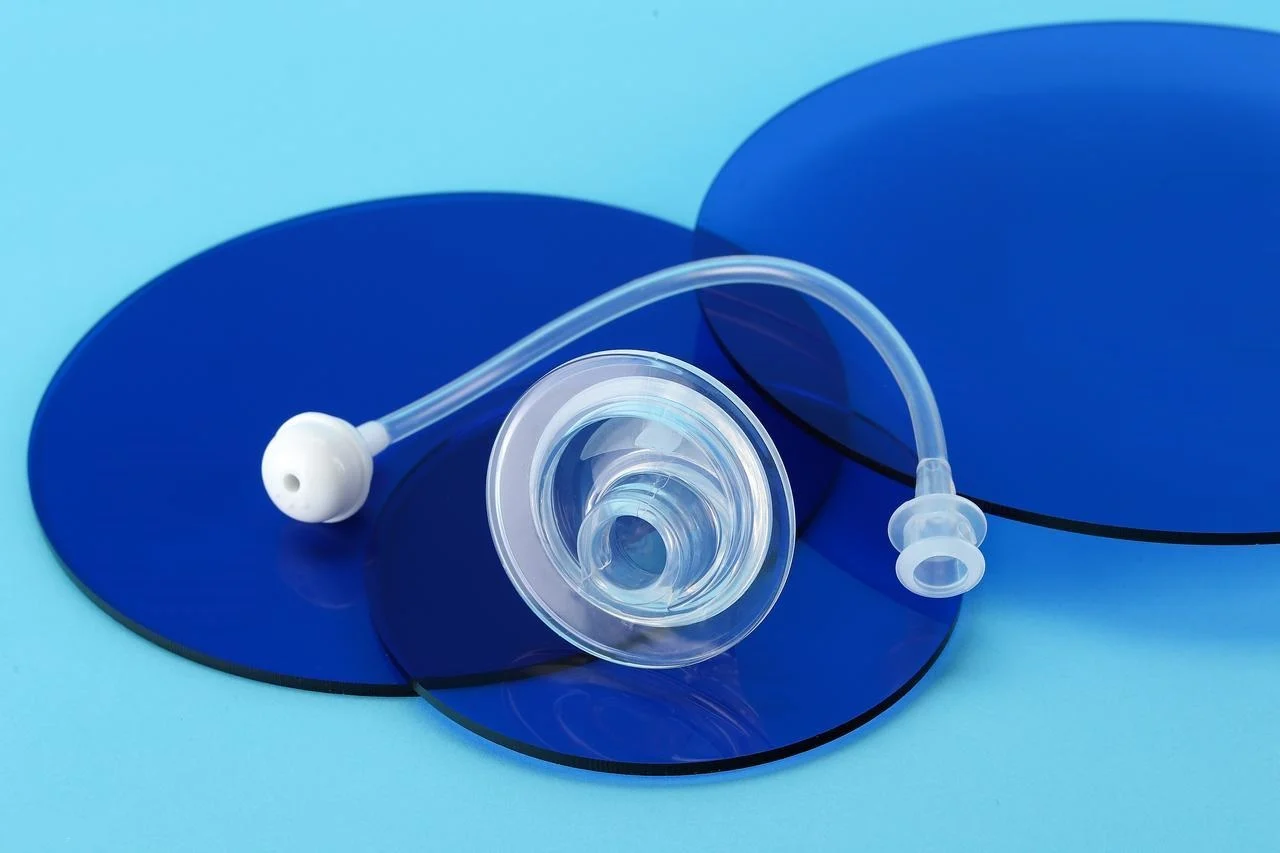
Plastic provides the rigid structure. The cup needs a stiff backbone to transfer force without collapsing. Silicone provides the flexible sealing lip. That lip conforms to uneven surfaces. It creates the vacuum seal.
Step-by-Step: Core Manufacturing Processes
Mass production of vacuum cups does not involve metal fabrication. No welding. No machining of raw blocks. The dominant technologies are molding processes. People pour material into cavities. The cavities shape the part.
1. Plastic Body Injection Molding (The Rigid Component)
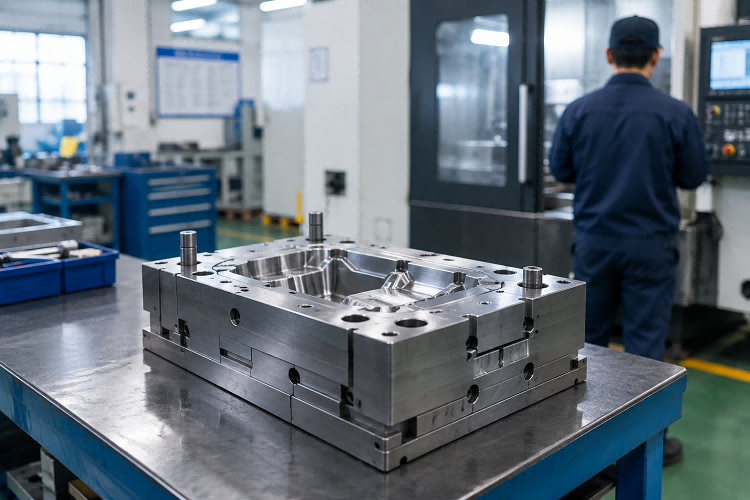
Clients use plastic injection molding for the rigid body. Common materials include ABS, PC, and nylon. An injection molding machine melts the plastic pellets. The molten material gets forced into a steel mold cavity. Cycle times range from 15 to 60 seconds, depending on part size and wall thickness.
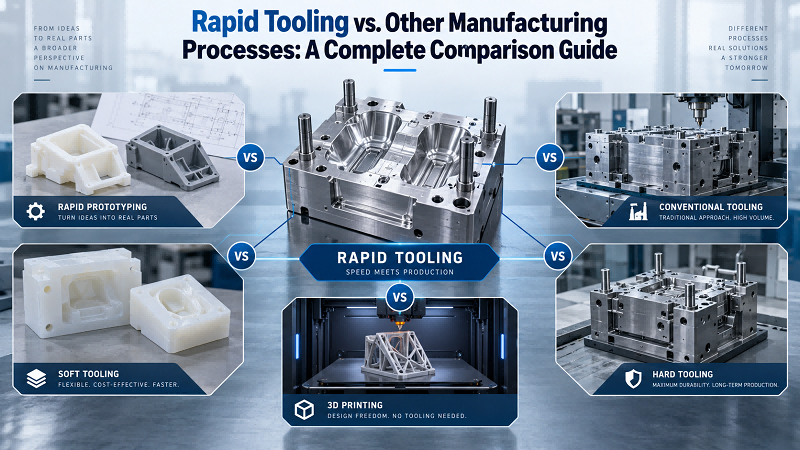
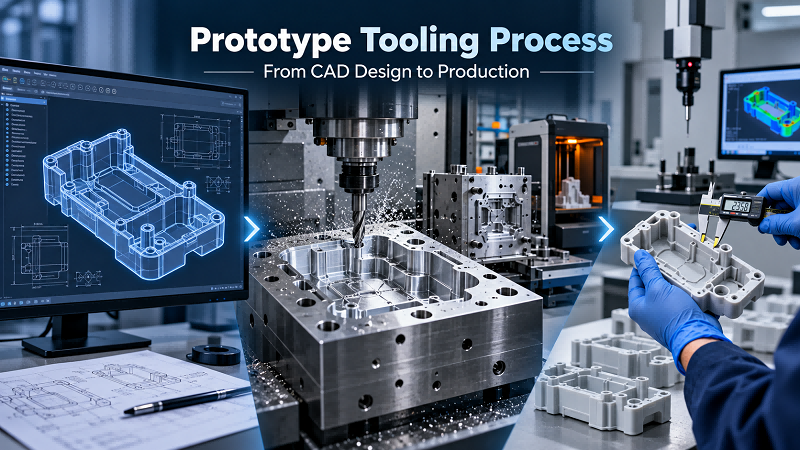
Rapid prototyping often comes into play here. A 3D-printed plastic body allows people to test fit and function without waiting for a hard tool. Once the design locks, the production mold gets cut.
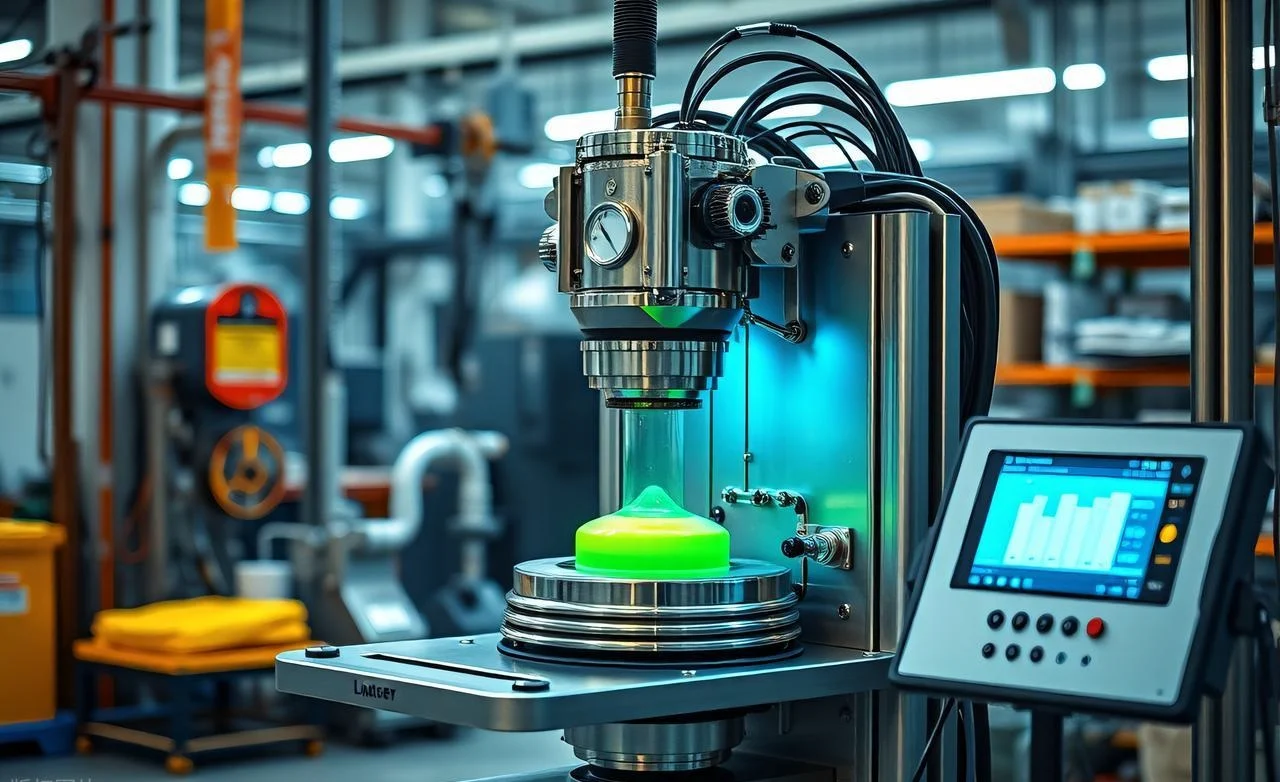
2. Silicone Lip Molding (The Flexible Sealing Element)
Two processes dominate here. People choose based on volume and precision requirements.
- Compression molding works for lower volumes. The tooling cost is lower. A pre-formed silicone blank goes into a heated cavity. The press closes. Heat and pressure shape the material. Cycle times are longer. But the upfront investment is smaller.
- Liquid Silicone Rubber (LSR)Injection handles high volumes. The precision is better. Two liquid components get mixed and injected directly into a heated mold. Curing happens inside the cavity. Cycle times are shorter. The tooling cost is higher. People use LSR for demanding applications where consistency matters.
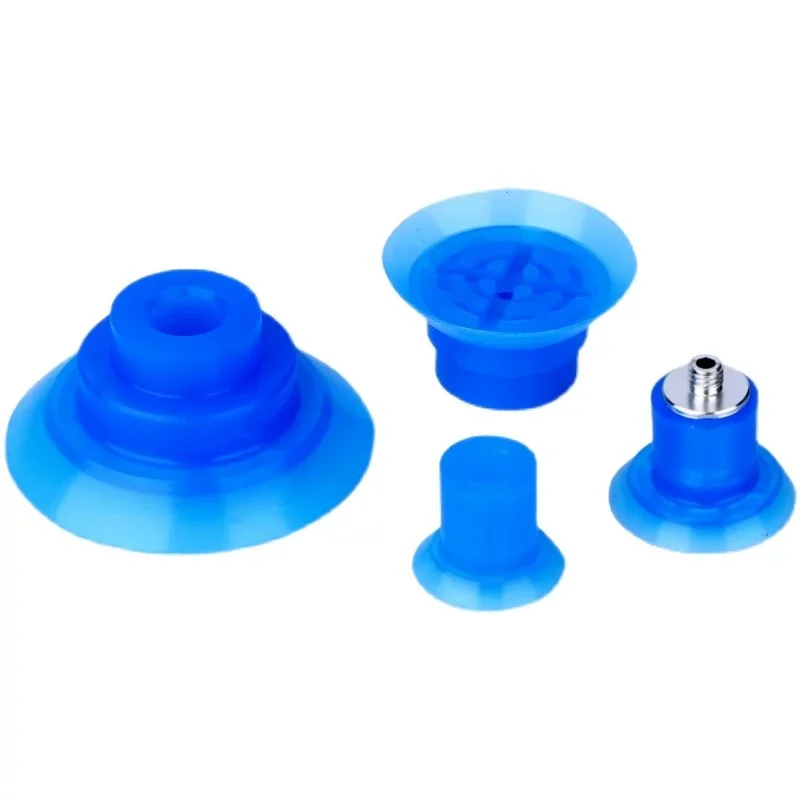
3. The Critical Bond: Joining Silicone to Plastic
This step makes or breaks the cup. The silicone lip must stay attached to the plastic body. Two methods exist.
- Overmolding is the preferred method for mass production. The plastic body gets placed into a second mold. Liquid silicone gets injected directly onto it. A chemical bond forms at the interface. No adhesive required. The joint is permanent.
- Post-Molding Adhesive Bonding serves as an alternative. People use it when materials are incompatible or when overmolding tooling is not available. A primer gets applied to the plastic surface. Adhesive gets applied to the silicone lip. Then the parts get pressed together. The bond is mechanical, not chemical. It works but is less reliable for high-cycle applications.
4. Finishing & Post-Processing
The molded cup is not finished yet. Several steps follow.
Deflashing removes excess silicone. Thin flash lines form at mold parting lines. People trim them manually or with automated cryogenic deflashing. Silicone is soft. The flash peels off cleanly if the mold is designed well.
Post-curing happens in ovens. The silicone sits at elevated temperatures for several hours. This step completes the cross-linking reaction. Stability improves. Mechanical properties stabilize. People skip this step at their own risk.
Leak testing and inspection catch defects. Each cup gets tested for vacuum hold. People use pressure decay or flow measurement. Visual inspection checks for voids, flash, and bond integrity. A cup that leaks fails the job. Testing is not optional.
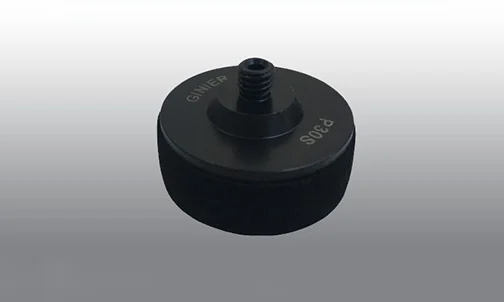
Top 7 Manufacturing Challenges in Vacuum Cup Manufacturing
1. Air Bubbles (Voids) in Silicone
Air gets trapped during mixing. The bubbles become voids in the finished part. Voids weaken the seal. They create leak paths.
Solution: Vacuum degassing equipment is mandatory. People mix the silicone components. Then the mixture goes into a vacuum chamber. The vacuum pulls out trapped air before pouring or injecting.
2. Uneven Curing (Sticky or Soft Parts)
The part comes out of the mold sticky. Or too soft. Or not fully cured in some spots. The cause is almost always incorrect mixing ratios.
Solution: Precise scales and thorough mixing protocols. People weigh each component. They mix for a set time. They scrape the sides of the container. A batch that is off by two percent fails. Rapid prototyping runs often use small hand-mixed batches. Those small batches can hide mixing errors that become obvious at the production scale. People need to validate the mixing process on production equipment before ramping up volume.
3. Part Deformation (Distortion)
The silicone lip collapses under load. Or the cup does not hold its shape during demolding. The material is too soft for the part geometry.
Solution: Match Shore A hardness to the part size and shape. A 30A silicone works for small, thick parts. A large, thin lip needs 50A or higher. Engineers test different durometers during prototyping to find the minimum hardness that holds shape. Too hard and the sealing suffers. Too soft, and the part deforms.
4. Sticking to the Mold (Demolding Issues)
The cured silicone refuses to let go. The part tears during removal. The mold gets damaged.
Cause: Insufficient release agent or complex undercuts in the mold design. Some silicone grades are stickier than others.
Solution: Proper mold design is the first line of defense. Avoid sharp undercuts. Use draft angles. Then, apply the release agent carefully. Too little and the part sticks. Too much and the surface finish suffers. People develop a standard application process for each mold.
5. Weak or Failed Plastic-to-Silicone Bond
The silicone lip separates from the plastic body. The cup fails in service. The bond was never strong enough.
Cause: Material incompatibility is the usual culprit. Silicone does not stick to most plastics without surface treatment.
Solution: Prioritize overmolding tooling when possible. Overmolding creates a chemical bond during the LSR injection process. No adhesive required. When overmolding is not feasible, people use specialized industrial adhesives with surface primers. The adhesive route requires careful process control.
6. Chemical Leaching & Contamination (Food/Medical)
Parts for food contact or medical use cannot leach chemicals. Standard silicone contains additives that are not safe.
Cause: Non-certified raw materials. The supplier cut corners.
Solution: Source FDA-compliant silicone. The relevant regulation is 21 CFR 177.2600. Medical applications may require ISO 10993 certification. People ask for certificates before buying material.
7. Foreign Object Contamination Risks
A piece of metal or hard plastic falls into a food line. The vacuum cup shattered or shed a fragment. The contamination causes a recall.
Cause: Standard silicone is not detectable by metal detectors. Broken pieces pass through quality checks unnoticed.
Solution: Use metal-detectable silicone compounds. These materials contain ferrous additives that trigger metal detectors on production lines. The additives are FDA-approved for incidental contact. People specify detectable grades for food processing and pharmaceutical applications. The extra material cost is small compared to a recall.
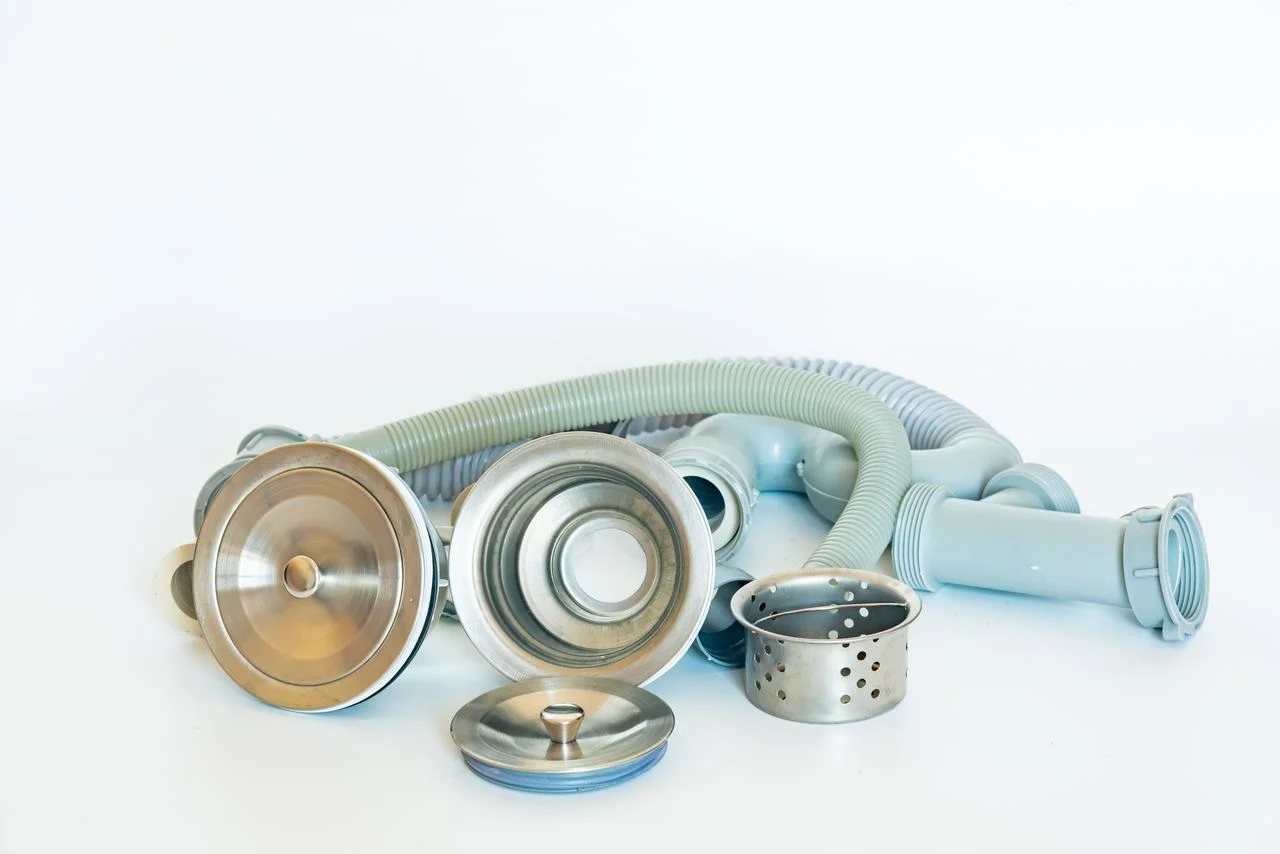
Critical Material Selection Criteria in Vacuum Cups Manufacturing
Hardness (Shore A)
Silicone hardness is measured on the Shore A scale. Lower numbers mean softer material. Higher numbers mean firmer, more durable compounds.
35A is for soft, delicate applications. Handling a freshly baked croissant. Picking a polished lens. The lip conforms easily. The grip is gentle. The downside is wear life. Soft silicone tears faster.
50A is for firm, durable applications. Lifting a metal sheet. Moving a rough plastic part. The lip resists abrasion. The holding force is higher. But 50A does not conform to irregular surfaces as well as 35A.
Food-Grade Compliance
Food contact is a regulated space. Random silicones are not allowed.
FDA 21 CFR 177.2600 is the US standard. It specifies allowable extractables and test methods. A certified compound passes these tests. No certificate means the material is not compliant, even if it looks the same.
EU 1935/2004 is the European framework. The actual test methods come from other standards, but this regulation sets the requirement. People selling into Europe need a declaration of compliance from the material supplier.
Both standards matter. A cup for a bakery needs one or the other, depending on where the equipment ships. People ask for documentation before ordering material.
Special Properties
Sometimes the standard compound does not work. People need extra features.
Metal-detectability is for food and pharmaceutical lines. Ferrous additives are mixed into the silicone. If a piece breaks off, a metal detector catches the fragment. The alternative is a recall.
High-temperature resistance handles hot environments. Baking ovens. Sterilization cycles. Standard silicone degrades above 200°C. Special formulations survive 250°C or more.
Anti-static prevents dust attraction. Electronics manufacturing needs this. A static charge pulls particles onto the product. The cup must dissipate that charge. People specify anti-static compounds when standard silicone causes contamination problems.
No single material does everything. People prioritize based on the application. Hardness first. Compliance second. Special properties third. Get the order wrong, and the cup fails, no matter how well it was manufactured.
Conclusion
Mass production of vacuum cups is not simple. Three things must work together. Silicone curing must be consistent. Plastic injection must hold tight tolerances. The bond between them must survive thousands of cycles. Miss anyone, and the cups fail on the line.
Final advice for people setting up production. Prioritize the plastic-silicone bonding method early in the design phase. Overmolding is the best choice for volume. Adhesive bonding works but requires more process control. Decide before cutting mold steel.
Source certified materials from the start. FDA compliance. EU declarations. Metal-detectable grades if needed. Do not swap materials late in the project. The curing profile changes. The bond strength changes. The whole process drifts.
Invest in vacuum degassing equipment. Air bubbles are not acceptable in a sealing surface. Hand-mixed batches without a vacuum will fail. Production scale demands proper degassing. No shortcuts. The cups either seal or they do not. People remember the ones that do not.

About NOBLE: Your Partner in Precision Plastic & Silicone Manufacturing
Who We Are
NOBLE is a specialized plastics manufacturing company. Clients come to us for high-precision injection molding and silicone processing.
Bridge the gap between complex product designs and reliable mass production. The hard part is dual-material components—plastic plus silicone. Vacuum cups are a perfect example. A rigid plastic body needs a flexible silicone lip. The two materials must bond permanently. We make that happen.
Our Core Processing Capabilities
Plastic Injection Molding
NOBLE engineers work with engineering-grade resins. ABS, Polycarbonate (PC), Nylon (PA), and other custom compounds. Clients send us their material specifications. We run the molds.
High-volume production happens on automated cells. Consistent quality is the goal. Cycle times are rapid. People need thousands of parts per day. Our machines deliver that volume without variation.
Liquid Silicone Rubber (LSR) Injection Molding
Precision molding of flexible silicone components is a core skill in vacuum cup manufacturing. Complex lip geometries for vacuum cups are routine. The LSR process handles high speed and high volume. Flash is minimal. Part-to-part consistency is tight.
Overmolding (Plastic-to-Silicone Bonding)
This is our specialty. We chemically bond silicone directly onto rigid plastic substrates in a single molding cycle. No secondary adhesive assembly. No weak glue lines.
Value-Added Services
In-house tooling is a major advantage. We design and fabricate precision molds tailored to each product geometry—no waiting for an outside tool shop.
Post-processing happens in our facility. Deflashing removes excess material. Post-curing stabilizes the silicone. Ultrasonic cleaning prepares surfaces. Leak testing catches defects before parts ship.
Material customization is available. We formulate FDA-compliant silicone. We also produce metal-detectable compounds for food and pharmaceutical lines.
Certifications & Compliance (Commitment to Quality)
ISO 9001:2015 (Quality Management Systems)
This certification demonstrates our commitment. Consistent quality. Continuous improvement. Customer satisfaction. The standard covers all our manufacturing processes.
ISO 13485:2016 (Medical Devices – Quality Management)
This is the critical certification for medical work. We manufacture components for medical, pharmaceutical, and healthcare applications. The standard validates our ability to meet strict regulatory requirements. Safety. Traceability. Risk management.
FAQ
What is the difference between compression molding and LSR injection for silicone in vacuum cup manufacturing?
Compression molding uses a pre-formed silicone blank. Tooling costs are lower. Cycle times are longer. Client chooses this for lower volumes or simpler geometries.
LSR injection uses liquid silicone rubber. Two components mix automatically. The liquid gets injected directly into a heated mold. Curing happens inside the cavity. Cycle times are shorter. Precision is better. Tooling costs are higher. People choose LSR for high volumes and complex parts.
Can I glue silicone to plastic instead of overmolding?
Yes. Adhesive bonding works. It is not the same as overmolding. Overmolding creates a chemical bond during the injection process. No adhesive layer exists. Adhesive bonding requires surface preparation. A primer goes on the plastic. Adhesive goes on the silicone. Then the parts press together.
The bond is mechanical, not chemical. It is less reliable for high-cycle applications. People use adhesive bonding when overmolding tooling is not available or when materials are incompatible. For the mass production of a vacuum cup, overmolding is the better choice.
Are silicone vacuum cups recyclable?
Most silicone vacuum cups are not recyclable through standard municipal programs. Silicone is a thermoset polymer. It does not melt and reform like thermoplastics.
Some specialized recycling facilities accept silicone. They grind the material into powder for use as filler or for downcycled applications. But these facilities are not common. Most used silicone cups go to the landfill or incineration. People who prioritize end-of-life disposal should consider this limitation when selecting materials for high-volume applications.