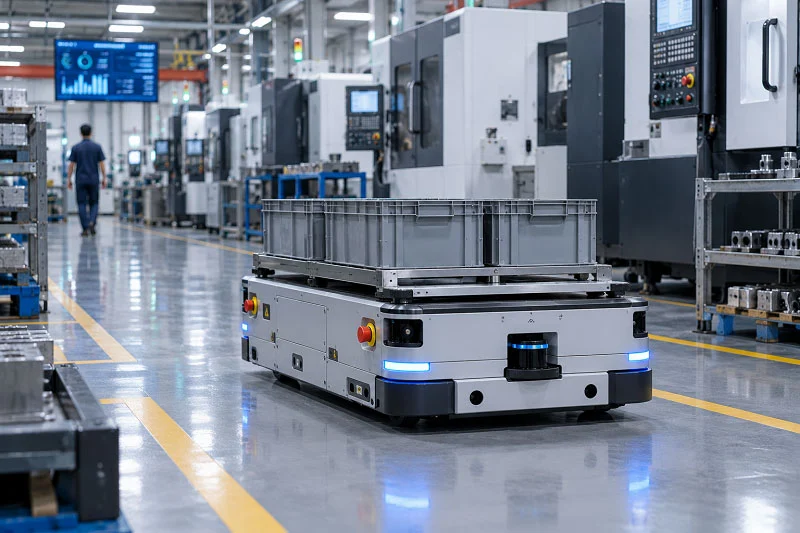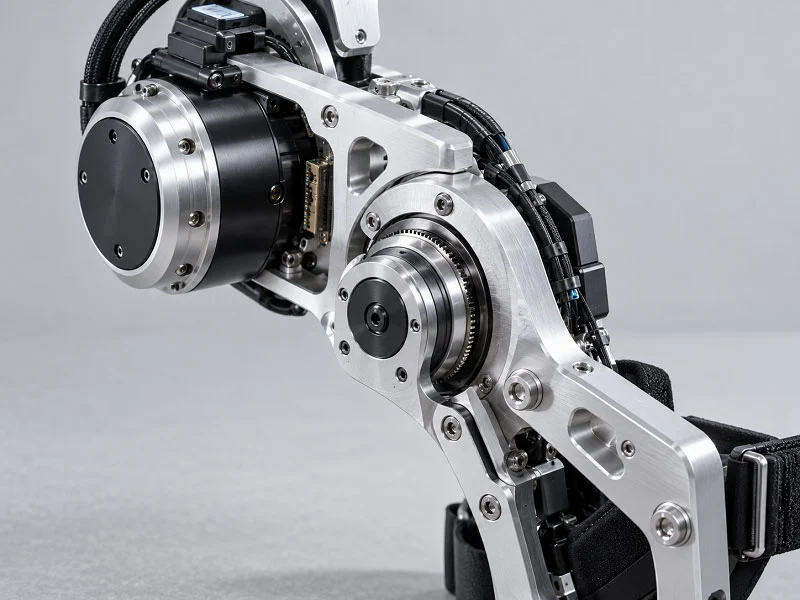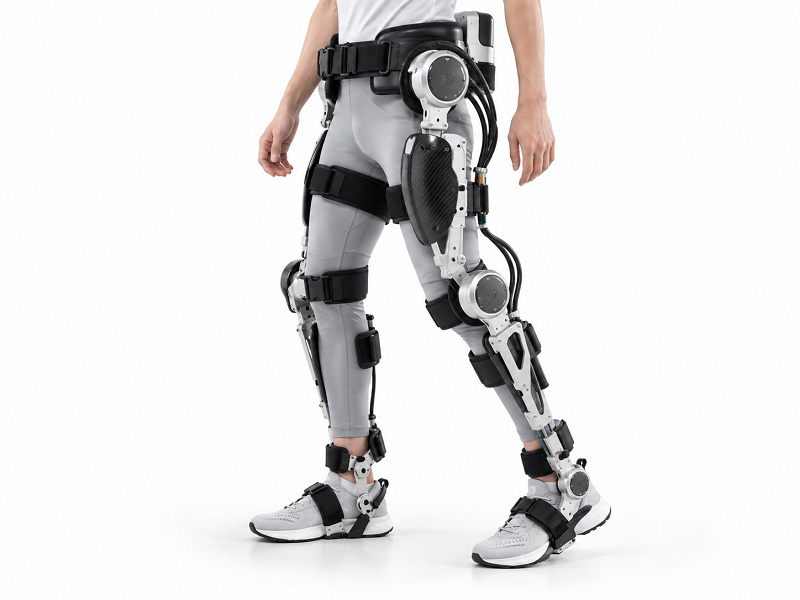
Hospital robot structural parts include frames, housings, brackets, joints, actuators, gearboxes, and end-effectors — many of these apply to nursing robot parts as well. Precision CNC machining, 3D printing, injection molding, and sheet metal fabrication handle the manufacturing. Common materials range from aluminum and carbon fiber to stainless steel, titanium, PEEK, and ABS. Micron-level tolerances matter most for critical components like joints and actuators. Getting the precision right keeps the robot balanced and accurate during delicate surgical procedures. The same goes for nursing robot parts — they need careful material selection along with tight manufacturing control. Quality depends on every step, from raw materials to final assembly. Every piece in the system must work together to deliver safe and reliable performance in demanding hospital environments.
Key Hospital Robot Structural Parts
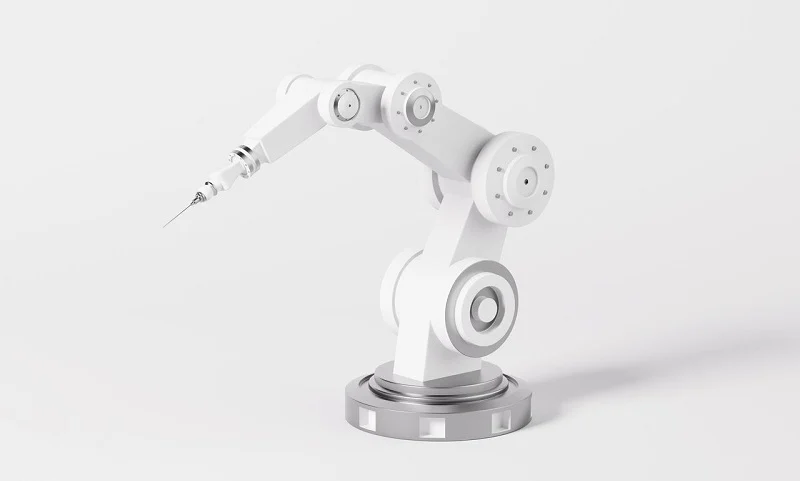
Every hospital robot structural parts system is made of a few main pieces. Frames, housings, brackets, joints, actuators, gearboxes, and end-effectors each have a special job. Knowing what each part does helps you understand why precision is so important.
Penggerak dan Sambungan
Actuators and joints work together to make movement happen. The actuator gives the force. The joint guides that force into controlled motion. In surgical robots, this pair controls how smooth the arm moves and how exactly it hits a target.
Torque Density and Backlash
Torque density measures how much turning force a motor can give compared to its size and weight. Higher torque density lets engineers use smaller actuators without losing power. That matters a lot when space inside a joint is tight.
Backlash is the tiny gap between gears that touch. Too much backlash makes the robot arm shake. Too little makes the gears stick. For surgery, backlash must be very small. If not, the tool tip moves off course.
Wear Resistance and Lubrication
Joints move thousands of times during one surgery. This repeated motion wears down surfaces. Hardened steel and coated aluminum resist wear better than soft metals. Lubrication cuts friction and moves heat away from contact spots.
Medical robots often use sealed bearings filled with medical-grade grease. These bearings keep dirt out and keep performance steady. A worn joint loses precision. That shows up as shaky moves or position mistakes.
Structural Arms and Base Chassis
Structural frames and chassis form the robot’s skeleton. They hold every other part in place. They also carry the weight of the arm, tools, and load.
Nisbah Kekuatan-ke-Berat
A robot arm must be strong enough to lift tools and hold them still. It also needs to be light enough for motors to move it fast. Aluminum alloys give a good balance. Titanium works well when more strength is needed.
Carbon fiber composites push the ratio even further. They weigh much less than steel but are just as stiff. That lighter weight means smaller motors and quicker response times.
Vibration Damping and Rigidity
Rigidity stops the arm from bending under load. Any bend causes position errors at the tip. Vibration damping stops shakes that could blur a surgeon’s view or mess up a fine cut.
Castings and machined blocks give great rigidity. Some designs add damping layers or fill hollow spaces with viscoelastic material. These choices cut vibration without adding much weight.
Housings and End-Effectors
Housings protect inside parts from dust, fluids, and hits. End-effectors are the tools at the arm’s end. They can be grippers, scalpels, or camera holders.
Biocompatibility and Fluid Protection
Any surface that touches a patient must meet biocompatibility rules. Materials like PEEK and medical-grade stainless steel pass these tests. They do not cause allergic reactions or release harmful stuff.
Fluid protection matters too. Blood, saline, and cleaning fluids can damage inside parts. Sealed housings with good gaskets keep liquids out. IP ratings tell you how well a housing stops water and dust.
Sensor Integration and Precision
Modern end-effectors carry force sensors, cameras, and position trackers. These sensors send data back to the control system. The robot changes its grip or position instantly.
Precision here means the difference between a good stitch and a torn blood vessel. Sensor mounts must be stiff. Any looseness between the sensor and tool gives wrong readings. That leads to bad choices by the control software.
Frames and housings carry high-precision gears and bearings. They spread motion loads across the structure. A weak frame bends under load. That bend throws off every calculation later.
Nursing robot parts face similar needs. These robots lift patients, bring supplies, and help with daily care. Their hospital robot structural parts must handle repeated loads without breaking. Hospital robot structural parts for nursing often focus on durability over extreme precision. Still, the same ideas apply.
Hospital robot structural parts must last for years in busy hospital areas. That means careful material choice and strong manufacturing steps. Every bracket, joint, and housing helps the whole system work reliably.
Manufacturing Hospital Robot Structural Parts

Making hospital robot structural parts takes more than one process. Each method fits a different part shape, material, and production volume. Picking the right one keeps costs down and quality high.
Pemesinan CNC untuk Komponen Ketepatan
CNC machining for precision components sits at the heart of hospital robot structural parts manufacturing. This subtractive process cuts metal or plastic blocks into exact shapes. It works well for joints, gearbox housings, and actuator mounts.
Pengilangan dan Pemutaran Berbilang Paksi
High-precision 5-axis CNC milling moves the cutting tool along five axes at once. The tool reaches angles that a 3-axis machine cannot touch. This matters for complex joint geometries and curved surfaces. Multi-tasking machines combine milling and turning in one setup. That cuts handling errors and saves time.
For hospital robot structural parts with deep pockets or thin walls, 5-axis machining reduces the number of setups. Fewer setups mean tighter control over every dimension.
Achieving Micron-Level Tolerances
Precision CNC machining for precision components delivers tolerances that standard processes cannot match. Here is what top shops achieve:
- Tolerances of ±0.0002 inches (±5 µm) or tighter on critical features, with surface finishes as fine as Ra 0.8 µm.
- Positioning accuracies down to 3 µm and volumetric accuracies under 13 µm; micro-milling can achieve tolerances of 2–3 µm.
- 5-axis multi-tasking achieves tolerance of ±0.0025 mm (±0.0001 in) for complex 3D contours, impellers, and medical joints.
These numbers matter for joints and actuators. A few microns of error can throw off the whole arm. That is why high-precision hospital robot structural parts machining demands rigid machines, sharp tooling, and stable temperature control.
Injection Molding and Sheet Metal
Not every part needs micron-level precision. Housings, covers, and brackets often work fine with other processes. Injection molding and sheet metal fabrication fill that gap.
High-Volume Production for Housings
Injection molding shoots melted plastic into a steel mold. The mold shapes the part in seconds. This process suits ABS and polycarbonate housings. Once the tooling is made, unit costs drop fast. Thousands of identical covers come out with the same shape and finish.
For nursing robot parts, molded housings protect electronics and sensors. They also give a clean surface that is easy to wipe down.
Cost-Effective Forming for Brackets
Sheet metal fabrication bends, punches, and cuts flat metal into brackets and guards. Aluminum and stainless steel sheets are common materials here. The tooling costs less than injection molding. That makes sheet metal a smart choice for low to medium volumes.
Modular aluminum extrusions work well for frames and guards. You cut them to length, bolt them together, and add panels. This approach speeds up assembly and keeps the structure light.
Percetakan 3D dan Pembuatan Aditif
Additive manufacturing builds parts layer by layer. It opens design options that subtractive methods cannot match.
Complex Geometries and Lightweighting
3D printing creates internal channels, lattice structures, and organic shapes. These features cut weight without losing strength. For hospital robot structural parts, lightweighting means smaller motors and faster motion. Titanium and PEEK both print well for medical use.
Rapid Prototyping and Custom End-Effectors
Engineers print prototypes in hours instead of weeks. They test fit and function before committing to expensive tooling. Custom end-effectors benefit too. A surgeon may need a one-off gripper for a rare procedure. Printing it on demand saves time and money.
From a practical perspective, manufacturing hospital robot structural parts often mixes processes. A CNC machined joint may pair with a molded housing and a printed end-effector. Companies like NOBLE in China offer all these services under one roof. Their team handles prototyping and mass production for medical robot manufacturing. That range helps clients move from design to assembly without juggling multiple vendors.
It is worth noting that manufacturing robot parts for hospitals requires strict process control. Every step — from raw stock to final inspection — affects the finished part. Good manufacturing robot parts suppliers track each operation and document results. That paper trail supports audits and keeps quality consistent.
Design Considerations for Hospital Robot Structural Parts

Good design begins with precision. Every hospital robot structural parts project needs tight tolerances for joints and actuators. A tiny error in one part can grow as it stacks up through the assembly. Tolerance stack-up analysis checks how each part’s variation adds to the total. If the sum goes past the limit, the arm misses its target. Engineers map every dimension and predict the worst-case buildup before cutting metal.
Toleransi Ketat untuk Sambungan dan Penggerak
Ensuring Repeatability in Surgical Robotics
Repeatability means the robot goes back to the same spot every time. A surgical robot might move to the same point thousands of times in one procedure. Any drift ruins the outcome. Tight machining tolerances on joint bores and actuator mounts keep that drift small. The control software assumes the hardware holds its shape. When it does, the tool tip lands where the surgeon expects.
Pengurusan Pengembangan Terma
Heat makes things change size. Motors, gears, and bearings all warm up during use. A metal part grows as its temperature rises. That growth shifts the joint center and throws off calibration. Designers pick materials with low thermal expansion for critical spots. They also add thermal compensation in software. Some systems warm up before surgery to reach a stable temperature.
Kebersihan dan Pensterilan
Penarafan IP dan Perlindungan Kemasukan Bendalir
Hospitals are wet places. Blood, saline, and cleaning sprays all threaten inside parts. IP ratings tell you how well a housing blocks dust and water. An IP67 rating means the part survives short immersion. IP68 goes further. Sealed bearings, gaskets, and smooth surfaces all help. No crevices should trap fluid.
Material Resistance to Chemical Sterilants
Sterilants like hydrogen peroxide and peracetic acid attack many plastics. Materials must resist these chemicals without cracking or clouding. PEEK and medical-grade stainless steel hold up well. ABS may degrade over time. The choice affects how long a part lasts. Nursing robot parts face the same chemical exposure. They need the same care in material selection.
Safety and Failure Mode Analysis
Integriti Struktur Di Bawah Beban
Every hospital robot structural parts design must survive its worst load. That could be a sudden stop, a dropped tool, or a patient leaning on the arm. Engineers run stress analysis to find weak points. They test prototypes under load until something bends or breaks. The goal is to find the failure point before a patient does.
Redundancy in Critical Joints
Some joints cannot fail. A surgical arm holding a scalpel over a patient is one example. Redundant brakes or secondary encoders add a backup layer. If the main system fails, the backup holds position. This adds cost and complexity. It also adds safety. The quality of the final product depends on these choices.
Commonly Used Materials for Hospital Robot Structural Parts
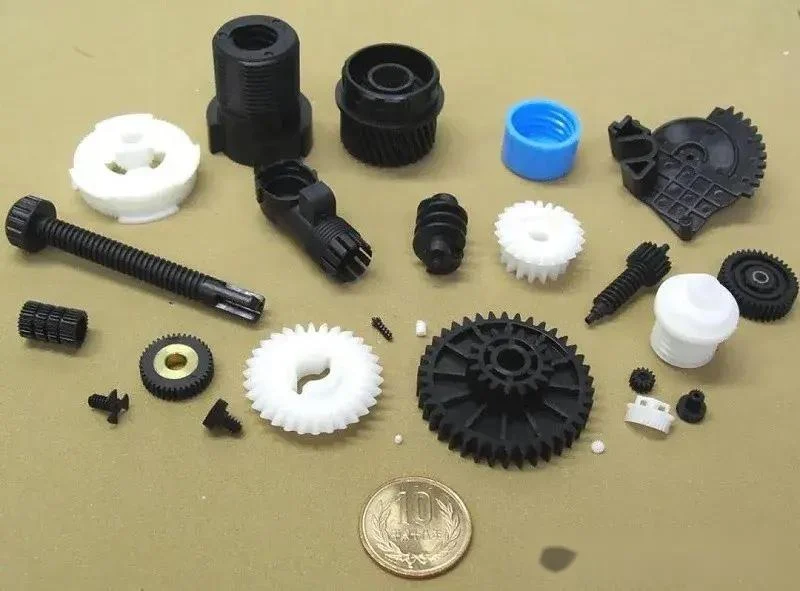
Choosing the right materials for hospital robot structural parts really matters. Your choice changes weight, strength, and how long the part will last. It also decides if the robot can handle repeated sterilization. Let’s look at the main options.
Logam Gred Perubatan
Metals give you strength and stiffness. They hold tight tolerances well. That makes them a top pick for load-bearing hospital robot structural parts.
Keluli Tahan Karat dan Titanium
Medical-grade stainless steel fights rust and handles harsh chemicals. It works great for frames, brackets, and instrument holders. Titanium is lighter and stronger. It also gets along well with human tissue. That makes it perfect for joints and end-effectors that touch patients. Both metals cost more than aluminum. But their durability often makes the price worth it.
Aloi Aluminium untuk Pengurangan Berat
Aluminum alloys cut weight without losing too much strength. A lighter arm moves faster and needs smaller motors. That saves energy and reduces wear. Aluminum also machines easily. So it’s a smart pick for structural arms and base chassis. The trade-off? Aluminum is softer than steel. It needs coatings or inserts at high-wear spots.
Polimer Berprestasi Tinggi
Polymers offer benefits metals can’t match. They resist chemicals, block electricity, and weigh very little. That matters for medical robot components near sensors or electronics.
PEEK and PEI for Structural Insulation
PEEK stands out for load-bearing parts. It handles heat and chemicals well. It also insulates. Here’s how different PEEK grades compare:
| PEEK Grade | Kekuatan Tegangan (MPa) | Kekuatan lenturan (MPa) |
| PEEK Tidak Diisi | 96-100 | 125-146 |
| 30% Glass-fibre PEEK | 170-179 | 271 |
| 30% Carbon-fibre PEEK | 236-265 | Tidak dinyatakan |
Carbon-fibre PEEK gives the highest strength. That makes it great for structural brackets. PEI is another option. It costs less than PEEK and still offers good stiffness and thermal resistance.
ABS and Polycarbonate for Housings
ABS and polycarbonate dominate housing production. They mold easily into complex shapes. They also take impact well. Polycarbonate beats ABS on clarity and toughness. ABS wins on cost. Both work for nursing robot parts that need wipe-down surfaces. Neither handles autoclave heat well. So they suit non-sterile zones or disposable covers.
Kriteria Pemilihan Bahan
Piawaian Biokeserasian
ISO 10993 sets the rules for biocompatibility. Any material touching a patient must pass its tests. These tests check for toxicity, irritation, and allergic response. PEEK, titanium, and medical-grade stainless steel all meet these standards. Always confirm your supplier provides certified stock.
Balancing Cost, Weight, and Durability
No single material wins everywhere. Engineers weigh cost against weight and durability. Titanium costs more but lasts longer. Aluminum saves weight at lower cost. PEEK resists chemicals but costs far more than ABS. The right pick depends on the part’s job. A housing might use ABS. A surgical joint might need titanium. Getting this balance right supports precision and quality across the whole system. Good manufacturing partners help you match material to function.
Selection Framework for Hospital Robot Structural Parts
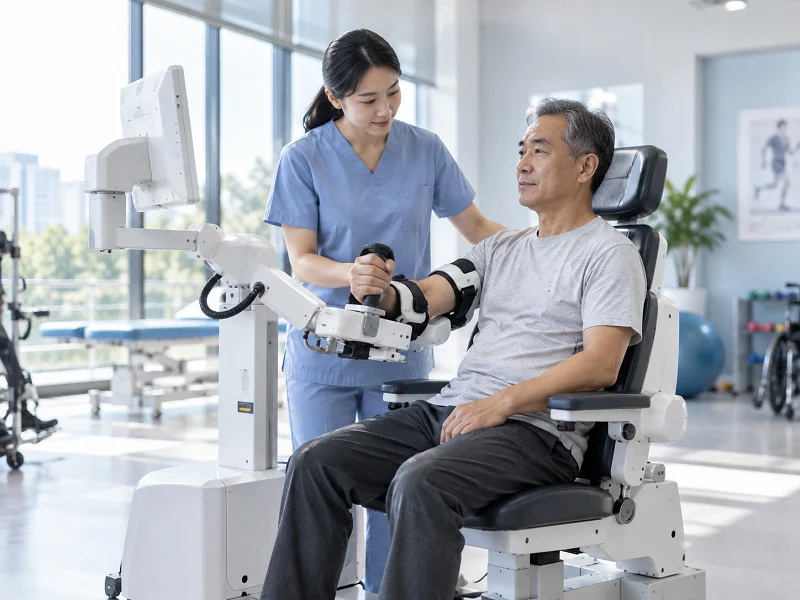
Choosing the right parts for a hospital robot structural parts project is like solving a puzzle. You must match function, budget, and timeline. A clear framework makes that puzzle solvable.
Panduan Keputusan Langkah Demi Langkah
Defining Load and Precision Requirements
Start by asking what the part must do. A joint holding a scalpel needs extreme precision. A housing covering wires needs less. Write down the load the part carries. Note the tolerance it must hold. These two numbers drive every choice that follows.
CNC machining is valuable for parts requiring high dimensional accuracy, custom components, or tight tolerances — such as surgical instruments, implantable devices, or precision diagnostic components. 3D printing enables intricate, customized prototypes or small-batch production — such as patient-specific anatomical models, surgical guides, prosthetics, or dental implants — offering design freedom, rapid turnaround, and efficient design iteration.
Memadankan Proses dengan Jumlah Pengeluaran
Volume decides the process. 3D printing suits runs under 50–100 units. CNC machining holds tolerances to ±0.001 inches with no tooling money upfront. Its per-part cost stays flat at about $55–$65 per part. Injection molding drops per-part cost to $0.50–$5.00 at high volumes. The break-even formula is mold cost divided by (CNC per-part cost minus molded per-part cost). Simple plastic housings typically break even under 1,000 units. High-precision parts cross over at similar or higher volumes.
| Kriteria Keputusan | CNC Machining | Percetakan 3D |
| Jumlah pengeluaran | Best for prototypes and low-volume parts | Best for runs under 50–100 units |
| Keupayaan toleransi | Holds ±0.001 in; five-axis milling achieves ±0.005–0.025 mm on bearing bores | Cannot match CNC repeatability for tight-tolerance metal parts |
| Kos peralatan | No upfront tooling investment required | No tooling cost, enabling complex geometries |
| Material/strength needs | Preferred when metal strength is required | Suitable for early prototypes and complex shapes |
| Tingkah laku kos | Roughly flat per-part cost (~$55–$65/part) | Cost-effective at low volumes; switch to CNC for tighter tolerances or metal strength |
Mengimbangi Kos, Kualiti dan Masa Utama
Tooling Investment vs. Unit Cost
Tooling changes the math. Injection molds cost more upfront. That investment pays off when volumes climb. For nursing robot parts made in large batches, molded housings cut unit cost fast. Low-volume projects skip tooling and use CNC or 3D printing. The trade-off is clear: pay now for tooling or pay more per part later.
Kebolehpercayaan Rantaian Bekalan
A great design means nothing without parts on time. Suppliers who control machining, molding, and assembly under one roof reduce risk. They catch problems early. They also keep quality steady across batches. For nursing robot parts, a reliable supply chain keeps hospital deployments on schedule. Ask about lead times, backup capacity, and how they handle material shortages before you commit.
Case Example: Manufacturing a Hospital Robot Arm Joint
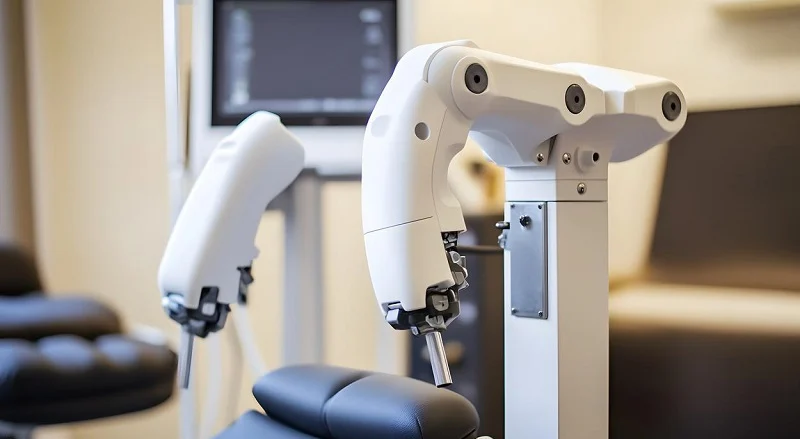
Imagine a surgical robot arm joint that holds a scalpel. It has to move very precisely. It also must stay firm when carrying weight. This example shows how that kind of joint is built.
Keperluan Reka Bentuk dan Pilihan Bahan
The joint needs to be strong but not heavy. It also must survive repeated sterilization. The design requires enough load capacity to hold the tool without bending. The tolerances on the bearing bore are extremely tight.
Selecting Titanium for Strength and Weight
Titanium works well for this job. It weighs less than steel and is stronger than aluminum. It also passes ISO 10993 biocompatibility rules. That is important for any hospital robot structural parts that touch patients. This material also resists chemical sterilants. So the joint keeps its shape after many cleaning cycles.
Process Selection and Precision Validation
The team chooses high-precision 5-axis CNC milling for the joint body. This process cuts complex angles in one setup. That lowers handling errors. It also holds the tight tolerances the design requires.
5-Axis CNC Machining and CMM Inspection
Precision CNC machining achieves tolerances of ±0.0025 mm on critical contours. That level of precision keeps the joint center stable. After machining, a coordinate measuring machine (CMM) checks every key dimension. The CMM confirms the bore position and surface finish. Any part that fails is reworked or scrapped. This step protects the whole assembly.
Perhimpunan dan Pengujian
Assembly puts the machined body together with bearings and actuators. Cleanroom conditions keep dust out. Each bearing is pressed into its bore with controlled force.
Integration of Bearings and Actuators
Sealed bearings go in first. Then the actuator mounts to the joint body. Technicians check backlash and how smoothly it rotates. A surgical robotic arm joint must have almost no play. The same is true for a nursing robot arm joint that lifts patients. Both need steady motion under load.
Testing comes after assembly. The joint runs through thousands of cycles. Sensors track position drift and temperature rise. A nursing robot arm joint may face different loads than a surgical one. Even so, the test proves the design works. Good precision manufacturing at every step makes this possible. That is how quality gets built in, not inspected in later.
Future Trends in Hospital Robot Structural Parts
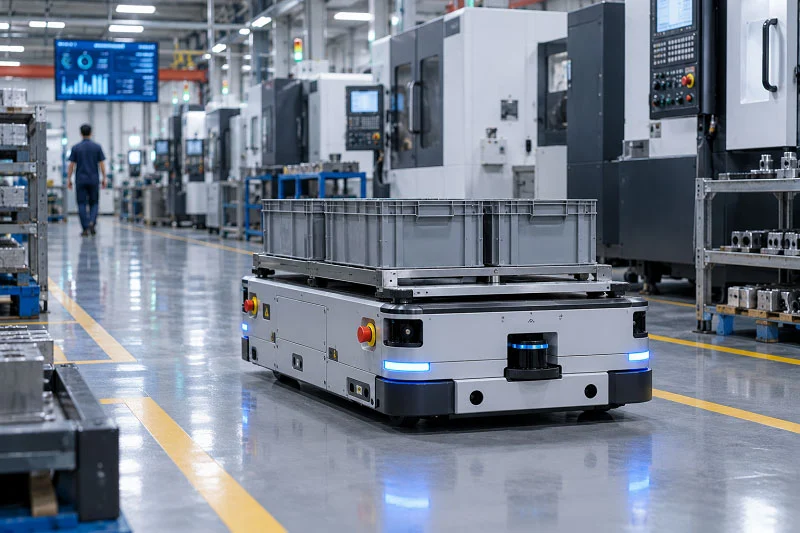
The field keeps improving. New coatings, smarter production methods, and smaller designs are changing what robots can do. Let’s look at what is coming next.
Emerging Materials and Coatings
Antimicrobial Surfaces and Self-Lubricating Composites
Hospitals need surfaces that fight germs. New antimicrobial coatings stop bacteria from growing on robot arms and covers. These coatings release tiny particles that kill germs on contact. Some use silver or copper mixed into the top layer. The coating lasts through hundreds of cleaning cycles.
Self-lubricating composites are another big step. These materials have solid lubricants built right into the base. PTFE or graphite particles sit inside the plastic or metal. As the surface wears down, fresh lubricant comes to the top. That cuts friction without needing grease or oil. For sealed joints, this means less maintenance and longer life.
In practice, these improvements help both surgical robots and nursing robot parts. A lift arm for patient handling benefits from self-lubricating bearings. They keep moving smoothly even after years of use.
Automation and On-Demand Manufacturing
Digital Twins and Cloud Manufacturing
Digital twins are virtual copies of real robot parts. Engineers run simulations on the twin before cutting any metal. They test motion, heat buildup, and stress points. Problems get fixed in software instead of hardware. That saves time and money.
Cloud manufacturing connects factories around the world. A design file gets uploaded to the cloud. Machines in different places read the file and start production right away. This on-demand model cuts inventory and speeds up delivery. For hospital robot structural parts, that means faster turnaround on custom parts.
It is worth noting that automation also improves quality. Robotic cells load and unload CNC machines without human help. They run overnight with the lights off. Parts come off the line with the same precision each time.
Pengecilan dan Reka Bentuk Modular
Micro-Robotics for Targeted Surgery
Robots are getting smaller. Micro-robots can travel inside blood vessels to deliver medicine. They remove clots or take tissue samples. These tiny machines need hospital robot structural parts at a very small scale. Making parts that small requires special techniques. Laser cutting and micro-milling create features measured in microns.
Modular design helps too. Standard joints and actuators snap together to build different robots. A surgical arm shares parts with a nursing robot arm. That cuts design time and inventory costs. The same joint module works in both systems. Only the end-effector changes based on the task.
Nursing robot parts benefit from this modular approach. A patient lift robot uses the same base joint as a supply delivery robot. Engineers swap out the tool attachment to change the robot’s job. This flexibility makes hospital robots more affordable and easier to maintain.
Miniaturization pushes tolerances even further. Smaller parts need tighter limits. Production methods must improve to keep up. The future of hospital robot structural parts is smaller, smarter, and more adaptable.
Choosing NOBLE for Hospital Robot Structural Parts

Finding the right manufacturing partner affects every part of your hospital robot structural parts project. NOBLE is a full-service supplier that focuses on metal and plastic processing. The company takes care of everything from raw material to finished assembly.
Keupayaan Pengilangan Komprehensif
Kepakaran dalam Pemprosesan Logam dan Plastik
NOBLE brings together the main processes that hospital robot structural parts need. Metal work includes sheet metal stamping and forming, CNC machining, metal casting, and heat sink manufacturing. Plastic capabilities cover injection molding, CNC machining, blow molding, and tooling-supported production for repeat builds.
| Kategori Bahan | Typical Processing Capabilities |
| Logam | Sheet metal stamping and forming; CNC machining; Metal casting; Heat sink manufacturing |
| Plastik | Plastic injection molding; CNC machining; Blow molding; Tooling-supported production |
This range means you don’t have to work with many vendors. One team takes care of precision machining and molded housings alike.
Dari Reka Bentuk hingga Perhimpunan
NOBLE does more than basic production. The team helps with design, prototyping, manufacturing, and final assembly. That full chain matters for nursing robot parts that need to fit the same way across batches. Engineers find tolerance issues early. They fix designs before tooling gets cut. Assembly takes place under controlled conditions. Every step stays written down.
Kualiti dan Pematuhan Diperakui
Pensijilan ISO 9001:2015 dan ISO 13485:2016
NOBLE holds ISO 9001:2015 and ISO 13485:2016 certifications. The second standard applies to any organization involved in the medical device lifecycle, including component manufacturers and suppliers. It requires a written quality management system that stresses risk management, traceability, process validation, and supplier control.
For component makers, ISO 13485:2016 demands written procedures for process validation, traceability of materials and lots, change control, and nonconformance management. The standard clearly requires control of outsourced processes that affect product conformity. A certificate alone is not enough. What matters is actually carrying out validated processes, traceability, and change control. The FDA QMSR, effective February 2, 2026, includes ISO 13485:2016 but does not require certificates. Finished device manufacturers stay responsible for supplier quality. That makes ISO 13485:2016 compliance a real need for manufacturing robot parts bound for regulated markets.
Sokongan Kejuruteraan Kolaboratif
Mengoptimumkan Reka Bentuk untuk Kebolehkilangan
Good partners make your design better before production starts. NOBLE engineers look over drawings for manufacturability. They suggest material swaps that cut weight or cost. They point out features that are hard to machine or mold. This back-and-forth saves money and stops delays. For manufacturing robot parts at scale, early input keeps tolerances realistic and production smooth. The result is hospital robot structural parts quality you can trust, batch after batch.
How a part works, how it is made, how exact it must be, and what it is made of all link together. Change one thing, and the others change too. A titanium joint cut to micron tolerances acts nothing like a molded plastic bracket. That is why hospital robot structural parts need a big-picture view. Fixing just one part on its own seldom works. The whole assembly must stay strong under load, heat, and repeated sterilization.
Working with a certified maker like NOBLE keeps you in line with medical standards. Their ISO 9001:2015 and ISO 13485:2016 certifications support steady performance. So use the selection framework on your own project. Set your loads, match your process to volume, and choose materials with care. You will get the precision and reliability your robot needs.
FAQ of Hospital Robot Structural Parts
What are hospital robot structural parts made of?
Most hospital robot structural parts are made from aluminum, stainless steel, titanium, carbon fiber, PEEK, or ABS. The job decides which one to pick. A surgical joint often needs titanium. A housing cover may work fine with molded ABS. Each material brings its own mix of strength, weight, and chemical resistance.
Why do joints and actuators need such tight tolerances?
A tiny error at the joint grows as it moves down the arm. That drift throws off the tool tip. Surgical robots need repeatability in the micron range. High-precision CNC machining holds those limits. Without it, the robot misses the same spot twice.
Proses pembuatan yang manakah paling sesuai dengan bahagian saya?
It depends on volume and precision. CNC machining suits prototypes and tight-tolerance metal parts. Injection molding wins at high volumes for housings. 3D printing handles complex shapes and one-off end-effectors. Many hospital robot structural parts projects mix all three.
Can plastic parts hold up in a hospital setting?
Yes, if you choose the right polymer. PEEK and PEI resist chemicals and heat well. ABS and polycarbonate work for housings in non-sterile zones. They mold easily and wipe down fast. Just check how each material handles your sterilant before you commit.
What does an IP rating actually tell me?
An IP rating shows how well a housing blocks dust and water. IP67 means the part survives short immersion. IP68 goes further. For hospital robot structural parts, a high rating keeps blood and cleaning fluids away from gears, bearings, and electronics inside.
How do I pick a manufacturing partner?
Look for a supplier who handles metal and plastic under one roof. Check for ISO 9001:2015 and ISO 13485:2016 certifications. Ask about traceability, process validation, and lead times. A partner who joins your design reviews early will catch problems before tooling gets cut.
What is tolerance stack-up analysis?
Every part has a small variation. Stack-up analysis adds those variations together. If the total passes the limit, the arm misses its target. Engineers map each dimension and predict the worst case. This step keeps hospital robot structural parts working as one system.
Are nursing robot parts different from surgical ones?
They share many of the same ideas. Nursing robot parts often focus on durability over extreme precision. A patient lift arm faces repeated loads, not micron-level cuts. Still, both need strong frames, sealed joints, and materials that survive chemical cleaning.