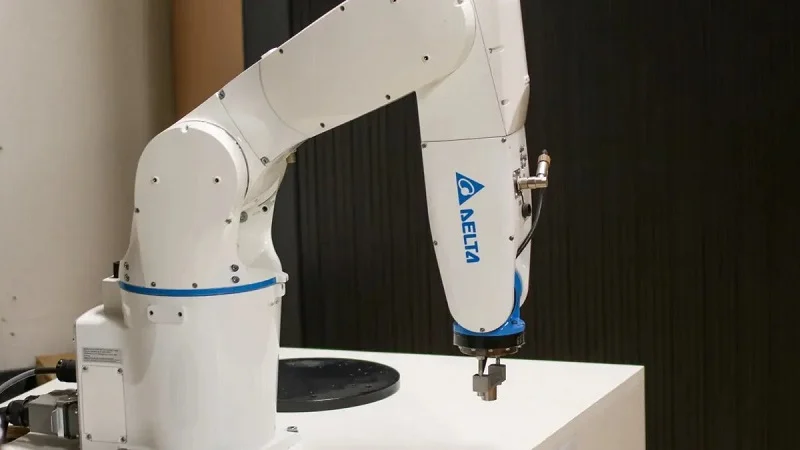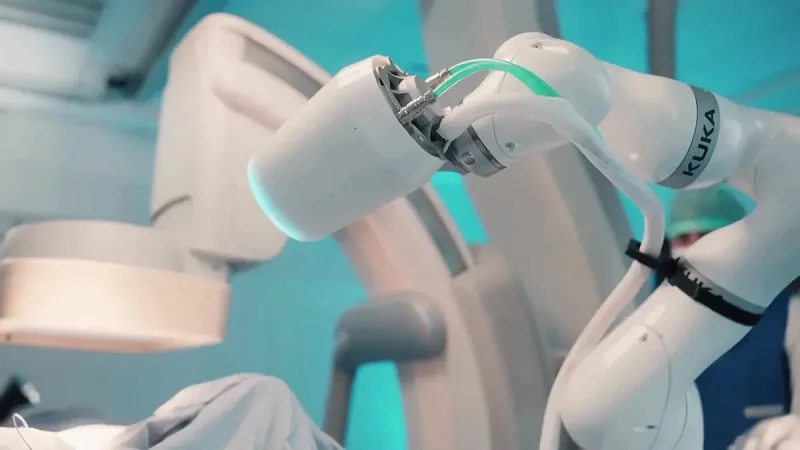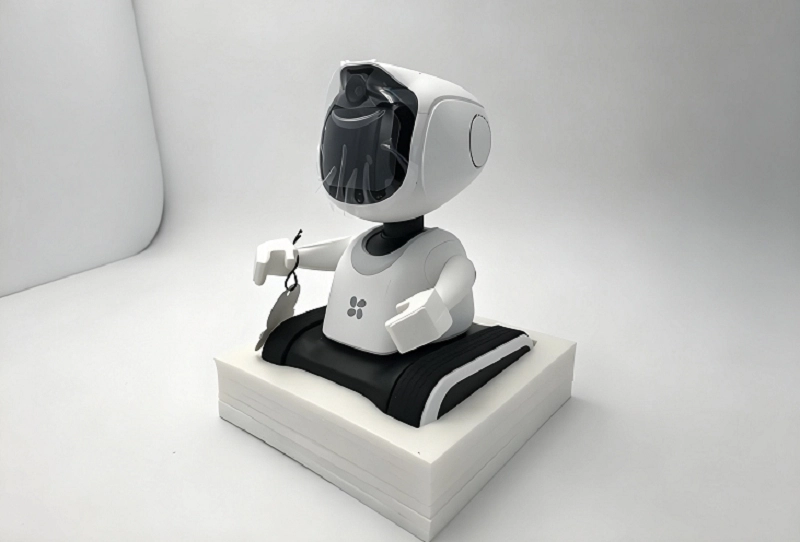
Service robot components are made using CNC machining, injection molding, sheet metal work, 3D printing, casting, and forging. Engineers use aluminum, steel, engineering plastics, and composites. Picking the right mix of service robot components balances strength, weight, cost, precision, and volume. This balance matters in robotics. Performance depends on the quality of service robot components. For example, service robot components like joints need careful design. Manufacturing processes affect the final product.
Common Manufacturing Processes for Service Robot Components
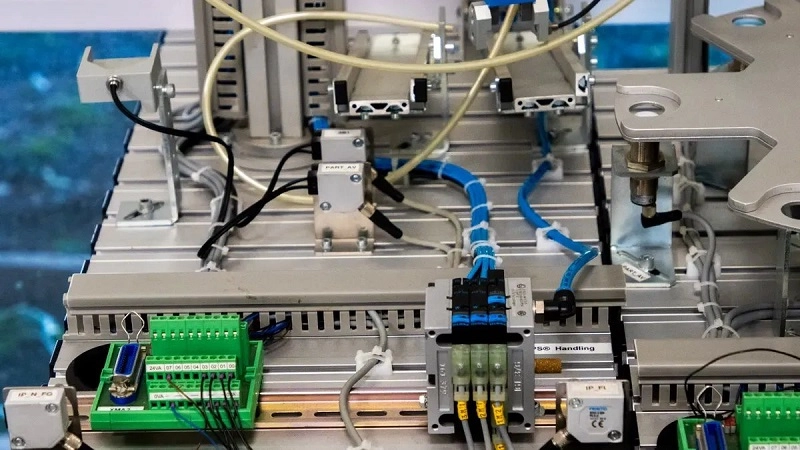
Four main processes build most AMR robot parts: CNC machining, injection molding, sheet metal fabrication, and off-the-shelf components. Each one fits a different job. CNC machining handles tight-tolerance metal and plastic parts. Injection molding takes over when you need thousands of identical housings. Sheet metal fabrication builds frames and chassis. Off-the-shelf parts fill in the gaps for standard bearings, fasteners, and motors. 3D printing works as a digital process for prototyping and low-volume production. It skips tooling entirely, so you can hold a part in your hands fast.
CNC Machining for Service Robot Components
Precision Metal and Plastic Parts
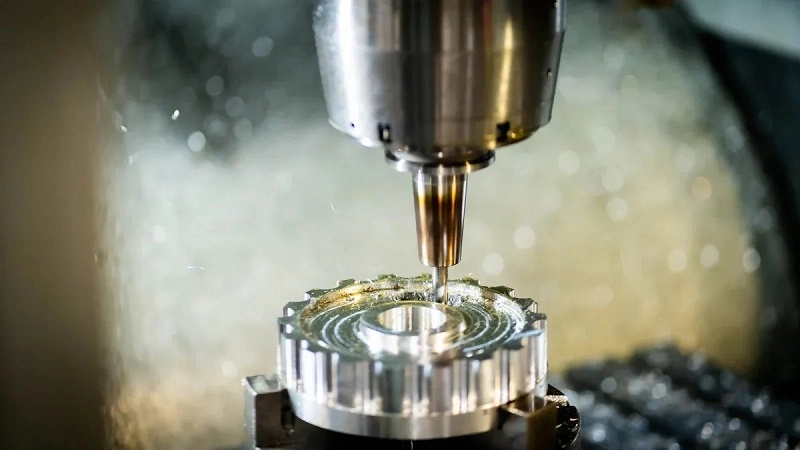
CNC machining removes material with controlled cutting tools. The process holds tight tolerances on metals and engineering plastics alike. Aluminum 6061 and 7075 are common choices for actuator housings, where tolerances sit around ±0.02 mm. Joint systems often use titanium or stainless steel at ±0.01 mm. That level of accuracy keeps motion smooth and repeatable. Precision machining also handles small batches without tooling investment. You can tweak a design between runs and see the change in the next part.
Joints, Brackets, and Sensor Mounts
Several service robot components lean on CNC machining by default. End effectors and grippers top the list. Tool changers may need 0.015 mm repeatability. Parallel grippers often hold 0.02 mm, while miniature grippers run at ±0.2 mm. Sensor mounts for vision, force-torque, and encoders need tight flatness and coaxiality. Motor enclosures need precise bore fits for the motor body and output shaft bearing. Custom jigs, fixtures, and assembly trays also fit here. They are usually one-off or low-volume aluminum parts. Short lead times and consistent accuracy matter for repeatable part location.
Injection Molding for Service Robot Components
High-Volume Plastic Housings
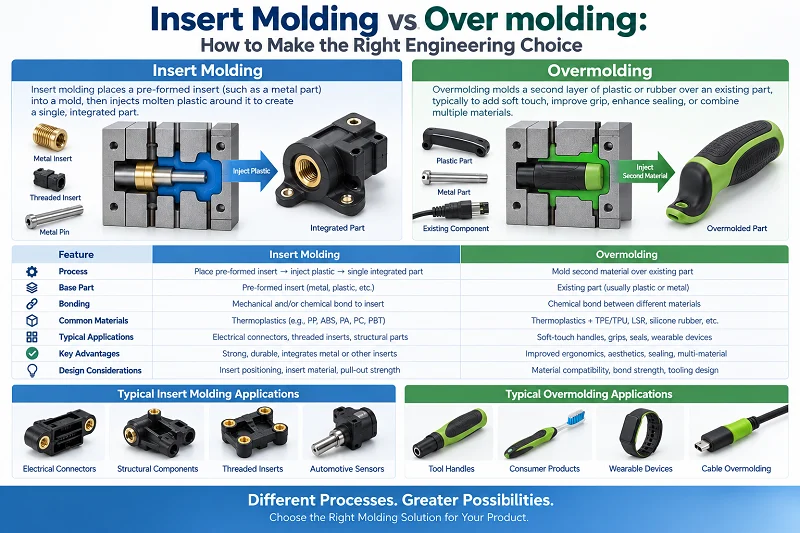
Injection molding shines in high-volume production of plastic housings. ABS and PC/ABS shells for robot heads, sensor covers, and display enclosures come out of steel molds. Once tooling is ready, cycle times are fast and part cost drops. A commercial-grade part might hold ±0.25 mm. Precision-grade work tightens that to ±0.05 mm. Wall thickness drives cost more than most people expect. For ABS, 1.2 mm is a practical minimum. Cooling time scales with the square of wall thickness. A 2 mm wall that cools in 10 seconds becomes roughly 40 seconds at 4 mm. Conformal cooling can cut peak cavity temperature by about 50% and reduce warpage by up to 85% compared with straight-drill channels.
Tooling Costs and Design Limits
Tooling cost for injection molding runs from $1,000 to $100,000 or more. Sliders, lifters, and unscrewing mechanisms add $2,000 to $15,000. A mirror-finish S136 steel mold costs 30–50% more than general tooling. Upgrading from P20 to H13 steel for glass-filled resins adds 15–25% to steel cost. Design limits matter too. Ribs should stay at 50–60% of wall thickness to avoid sink marks. A 1° draft angle is standard, and 2° works better on deep cores. Cooling channels typically run 8–10 mm in diameter, placed 15–20 mm from the cavity surface. Vent depth sits between 0.02 and 0.05 mm. Undervented molds burn parts and raise scrap. Total cost of ownership follows a simple idea: tooling plus part cost times volume, plus downtime, scrap, and engineering change risk.
Sheet Metal, 3D Printing, Casting, and Forging
Sheet Metal Frames and Chassis
Sheet metal fabrication builds the structural backbone for many robotic systems. Bending, punching, and welding turn flat steel or aluminum into frames, brackets, and chassis. The process is fast and cheap at moderate volumes. It also pairs well with CNC machining for mounting plates and reinforcement.
3D Printing, Casting, and Forging Roles
3D printing leads on speed. A printed part can start within 24 hours, with no tooling required. Post-processing may add time, but the design freedom is hard to beat. CNC machining typically runs 1–2 days for functional parts. Injection molding takes weeks for T1 samples because of tooling fabrication. Casting and forging serve different needs. Casting shapes complex geometry in one pour. Forging aligns grain flow for high-strength parts like gearbox internals. Together, these manufacturing processes cover prototyping through mass production. A full-service partner like NOBLE, a leading manufacturing company in China, can run CNC machining, molding, and sheet metal under one roof. That setup helps clients move from prototype to mass production without juggling vendors.
Materials for Service Robot Components
Choosing a material means balancing strength, weight, and cost to make it. Every gram adds load to the motor and drains the battery faster. Each option has a price based on raw material and how hard it is to make. Composites are a new option that joins metals and plastics.
Metals for Service Robot Components
Aleaciones de aluminio para cuadros ligeros
Aluminum 6061 is the go-to for frames, brackets, and sensor mounts. Its density is about 2.7 g/cm³. The yield strength of 6061-T6 is around 275 MPa. Bulk modulus is near 70 GPa. This mix gives good stiffness without much weight. For the same shape, an aluminum part weighs about 65% less than steel. Its thermal conductivity helps when mounts also work as heat sinks. 7075 aluminum reaches over 500 MPa for brackets and joint mounts that carry heavier loads. Density stays near 2.7 g/cm³, so you still save a lot of weight.
Steel and Stainless Steel for Strength
Steel handles heavy loads in small spaces. Its density is about 7.8 g/cm³. Elastic modulus is about 200 GPa. That makes it three times stiffer than aluminum in the same shape. Steel is the pick for gearbox internals, high-load pins, and other parts. 4140 alloy steel works well for shafts and gears. 304 and 17-4 PH stainless resist rust and stay strong. The downside is weight. A robot arm does well with steel in short, high-stress links. Longer structural parts work better in aluminum.
Engineering Plastics for Service Robot Components
ABS and PC/ABS Housings
ABS and PC/ABS are common for robot housings and covers. ABS has good impact strength. PC/ABS blends add heat resistance, toughness, and better cold impact than plain ABS. Flame-retardant grades meet UL 94 V-0 for electrical enclosures. Density runs about 1.1 to 1.4 g/cm³. That makes them 80-85% lighter than steel and 40-70% lighter than aluminum for the same part. Designers can use thicker walls. Stiffness is the limit. Unfilled PEEK has a modulus of about 3.6-4.0 GPa. ABS is lower. Housings need ribs and supports. UV light and chemicals can break them down unless they are coated.
Nylon and POM Wear Parts
Nylon and POM handle roles where parts touch and move. Gears, bushings, and cam followers need low friction and good wear resistance. POM keeps its shape well. Nylon is tougher but swells when it absorbs water. PA66-GF30 cuts the weight gap with aluminum while adding stiffness. These polymers replace metal in sliding uses and run more quietly. Temperature and creep are the limits. Above 80-100°C, most unfilled polymers get soft. The grade you pick must match the duty cycle.
Matching Materials to Service Robot Components
Strength-to-Weight and Cost Trade-Offs
Every material comes with trade-offs. Here is a comparison of properties:
| Propiedad | Acero | Aluminio 6061 | Plásticos de Ingeniería |
| Densidad (g / cm³) | ~ 7.8 | ~ 2.7 | 0.93-1.4 |
| Módulo elástico (GPa) | ~ 200 | ~ 68 | 3.6-4.0 |
| Resistencia a la tracción (MPa) | Hasta ~689 | 240–310 (6061-T6) | 90–100 (unfilled PEEK) |
| Weight saving vs. steel | - | ~ 65% | 80-85% |
| Weight saving vs. aluminum | - | - | 40-70% |
Steel gives the most stiffness but weighs the most. Aluminum lands in the middle. Polymers are the lightest but the least stiff. Steel stock costs less but takes longer to machine than aluminum. How well it works depends on matching the material to the job.
Duty-Cycle and Environmental Factors
A material that works in a lab may fail out in the field. Temperature changes affect how it performs. A 10°C rise can cut lubricant life in bearings in half. Motors rated at 40°C ambient must be derated above that. Frame parts must expand in a predictable way. Humidity makes nylon swell and steel rust. PCB substrates in sensors need water absorption below 0.2%. Chemical exposure needs a plan. Farm machines face pesticides. Marine units face saltwater. Coatings, seals, and alloys must match the robotics environment. Duty cycle matters too. A machine running 24/7 needs creep-resistant grades. A robot used now and then can use lighter options. Matching materials to duty saves money without hurting reliability. For service robot components, these choices define how long they last.
Design Considerations for Service Robot Components
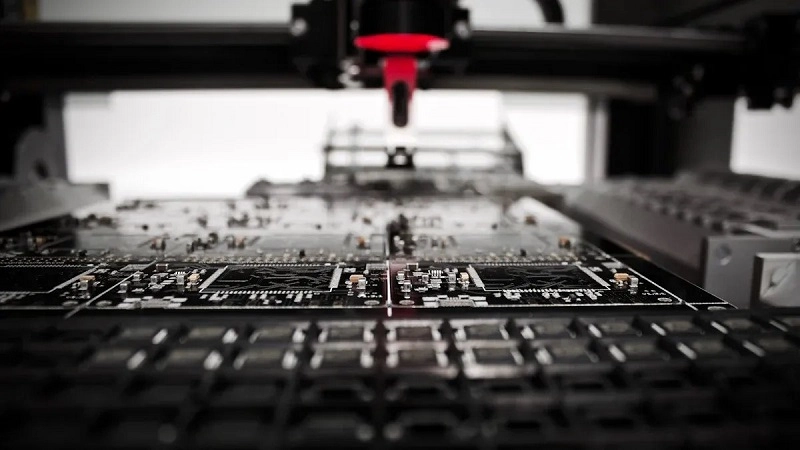
Good design for manufacturability (DFM) guides each choice. It saves money, speeds up work, and reduces mistakes. The main idea is easy: match the part shape to the best making method. This rule applies to robot making from the start.
Geometry Optimization in Service Robot Components
Wall Thickness, Radii, and Draft
Thick sections cause more harm than good. In injection molding, a thick wall adds cooling time and cost per part. Sharp inside corners in a machined pocket need a smaller cutter and more passes. This boosts machining time. Simple DFM changes — like larger radii, fewer tight tolerances, standard stock sizes, and simpler deep pockets — can lower CNC machining costs by 20% to 50%. Draft angles make part removal easier in molding. Standard bend radii improve bend accuracy in sheet metal.
Reducir el tiempo de mecanizado
Use tolerance limits based on how parts fit, not just habit. Tighter limits increase machining time, special tools, and waste. Material choice also matters. The cheapest grade that works cuts material cost, tool wear, and time. Fewer setups and standard tools reduce setup costs. Simpler shapes cut waste and fixes, keeping schedules on track.
Structural Design of Service Robot Components
Ribs, Gussets, and Load Paths
Ribs make parts stiffer by moving material away from the center. This raises the second moment of inertia. A 3 mm shell with no ribs weighing 1.25 kg gets 2.3 times more bending stiffness with three ribs and the same weight. Adding cross-bracing increases it to 2.9 times at 1.35 kg. Ribs only help if they follow the load path. Ribs that go across supports cut bending a lot. Ribs along supports give almost no benefit. Keep rib thickness at 50–60% of wall thickness and rib height up to 3 times wall thickness.
Stiffness and Vibration Damping
A robot part’s first natural frequency goes up with stiffness. More stiffness means less shaking during speed changes. This boosts accuracy and part life. Low stiffness leads to noise and wobble. Cross ribs improve twisting strength. Lattice patterns spread stress well. Fillet radii of R2–R4 mm at rib bases stop stress from building up.
Assembly-Friendly Service Robot Components
Self-Locating Features and Fasteners
Self-locating features and one-way insertion save work time. Standard fasteners make stock checking easier. Poka-yoke parts stop wrong assembly. These choices increase good parts and reduce fixes in robot systems.
Snap-Fits and Modular Assembly
Snap-fits remove the need for fasteners in large batches. Lead-in angles of 25–35° let parts snap in smoothly with little force. Return angles of 60–90° make fixed joints; 20–45° work for parts you take off. Holding force should be 1.5 to 3 times insertion force. Stress at maximum bend should stay at or below 60–70% of the material’s break point. A safety factor of 1.5 to 2.5 prevents breaking. Modular setups let you put parts together and reduce the number of pieces. This cuts cost per part and makes checking easier.
Selecting Processes for Manufacturing Robot Parts
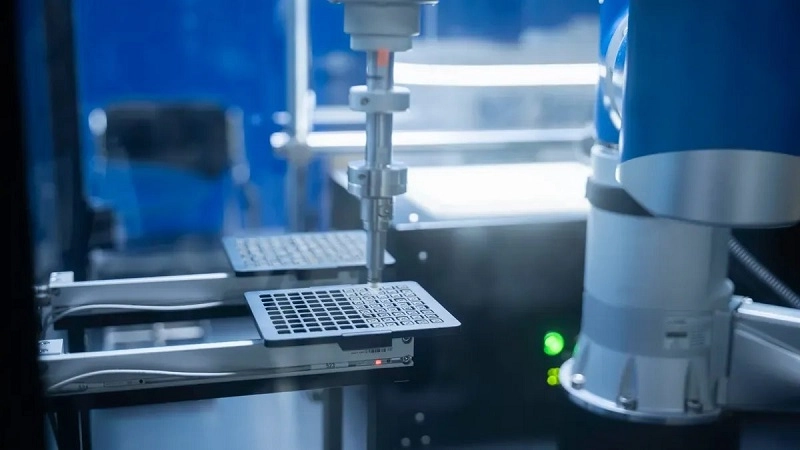
Picking the right process for making robot parts depends on three things: what the part does, how precise it needs to be, and how many you need. A system-level guide helps with this choice. Precision makes CNC machining the best for actuator housings and joint bodies. Function decides if a part should be custom or off-the-shelf. Volume tells you when methods like injection molding make sense. Tools like AHP and TOPSIS help engineers weigh these trade-offs in a clear way.
Part Function and Precision Needs
Tolerances for Motion and Sensing
Motion and sensing parts need tight tolerances. General tolerances are about ±0.05 mm. Critical features often need ±0.01–0.02 mm. Position tolerance runs ±0.01–0.03 mm. These limits keep robot accuracy steady. Precision interfaces like bearing seats and rail mounts are held within ±0.01–0.05 mm. Going beyond those limits causes vibrations or missed positions. Making tolerances tighter than needed often raises cost without improving performance.
Surface Finish and Wear
Surface roughness for motion parts is usually between Ra 0.8–3.2 μm. Controlled finishes are needed wherever parts slide or rotate. Rough finishes increase friction and wear. That shortens the life of service robot components. Precision machining gives the needed finish on metal and plastic. For robot systems that run a lot, surface quality directly affects performance and maintenance time.
Volume, Cost, and Lead Time
Prototipado vs. Producción en masa
Prototyping focuses on speed and learning. 3D printing turns around in hours to days with no tooling. Tolerances are looser, and hand-finishing is common. Production focuses on perfect repetition. Injection molding uses certified materials and tight tolerances. Turnaround takes weeks or months because tooling must be made. For a few parts, 3D printing is cheap. For thousands of parts, injection molding’s high tooling cost is offset by low per-part costs as volume grows.
Inversión en herramientas y costo unitario
Tooling for injection molding can cost from $1,000 to $100,000 or more. That cost only makes sense at high-volume production. At low volumes, the per-part cost stays high. CNC machining avoids tooling entirely, so it fits bridge production and custom work. The total cost includes tooling plus part cost times volume, plus downtime, scrap, and engineering change risk.
Supply Chain and Sourcing Factors
Fabricación nacional vs. fabricación en el extranjero
Domestic manufacturing shortens lead times and makes communication easier. Overseas options often lower unit cost but add shipping time and coordination risk. For AMR robot parts, the choice depends on urgency and volume. A full-service partner that runs CNC machining, molding, and sheet metal under one roof cuts down on vendor juggling.
Balancing Speed, Cost, and Quality
Speed, cost, and quality pull against each other. Faster delivery usually costs more. Lower cost may mean longer lead times or looser quality control. The right balance depends on the program stage. Prototypes need speed. Production runs need consistent quality at a competitive cost. Matching the process to the part’s function, volume, and precision needs keeps all three in check.
Custom vs. Off-the-Shelf Service Robot Components
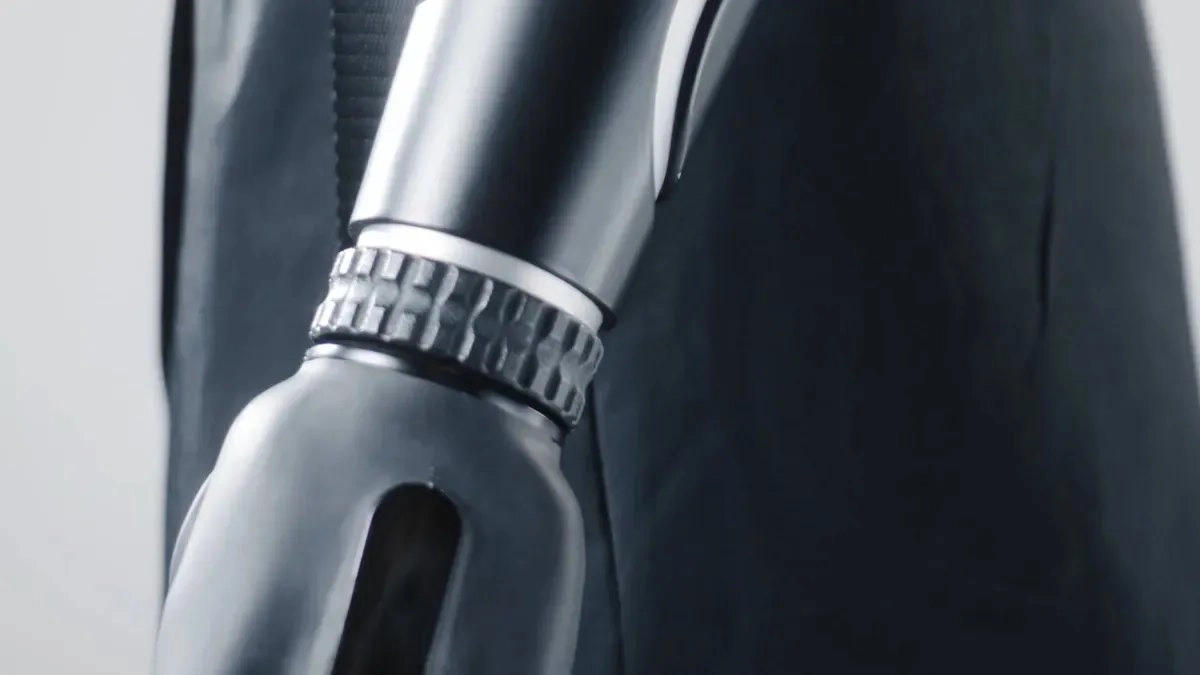
Every robot project comes to a choice. Do you make a part from scratch, or buy something standard? The answer affects your budget, timeline, and how well the robot works. Custom parts give exact fit and function. Standard parts give speed and less risk. Most successful robot projects use both.
When Custom Service Robot Components Make Sense
Proprietary Geometry and Performance
Some jobs need a part that no one else makes. End-of-arm tools made for specific payloads are a top example. Custom gearheads and couplings for special motion patterns come next. Mounts, brackets, and sensors built for the robot’s environment finish the list. These parts often need high precision to stay safe and repeatable. Standard options simply cannot match that fit.
Complex shapes sometimes force a custom approach. One aerospace team needed a part too big to print directly. They combined 3D printing with a sand casting mold. The team redesigned the gating system using a spiral helix sprue and round risers. These features kept molten metal flow below the critical 0.5 m/s limit. Traditional casting patterns cannot make such tooling.
“The only way to make a part this big and this complex is to use advanced manufacturing.” — Dr. Ryan O’Hara, Director of Aerospace Engineering at nTop
Long-Term Volume and Cost Benefits
Custom tooling costs money upfront. That investment pays off when volume grows. A custom injection mold might cost $50,000, but the cost per part drops sharply at large scale. Custom parts also avoid the compromises that come with adapting standard parts. You skip extra brackets, shims, and rework. Over a multiyear production run, those savings add up. The key is to match custom investment to realistic volume numbers.
When Off-the-Shelf Service Robot Components Win
Standard Bearings, Fasteners, and Motors
Not every part needs a custom design. Bearings, fasteners, and motors come in thousands of standard sizes. They are proven, tested, and come from many suppliers. A standard motor might cost much less than a custom one. It also ships in days, not weeks. For AMR robot parts, standard drivetrain parts reduce engineering time and make spare parts easier to manage.
Faster Time-to-Market and Lower Risk
Speed matters in robotics. Off-the-shelf parts let you build and test faster. You skip design reviews, tooling lead times, and first-article checks. Standard parts also have known reliability data. That lowers technical risk. A startup can ship a working prototype in months instead of years. The trade-off is less control over exact specs.
A Hybrid Sourcing Framework
Custom Critical Parts, Standard Commodities
Smart teams split their bill of materials. Critical parts get custom treatment. Commodities stay standard. Here is how that framework looks in practice:
| Sourcing Tactic | Custom / Critical Parts | Standard Commodities |
| Modelo de inventario | Keep backup stock for high-value, long-lead items | Use Just-in-Time ordering |
| Supplier redundancy | Keep at least two approved suppliers per critical part | Single supplier okay for low-risk items |
| Sourcing location | Source nearby or in the same region to cut lead time | Source globally for lower unit costs |
| Contracting | Set escape clauses and lead-time promises | Lock in price with multiyear contracts |
A 2024 study by Goel & Bhramhabhatt found that using two suppliers improves supply-chain strength and flexibility.
Evaluación de la capacidad de los proveedores
Not every supplier handles both custom and standard work well. Look for a partner with in-house machining, molding, and sheet metal ability. That setup reduces vendor hopping and speeds up production. Ask about quality certifications and traceability. A supplier who knows both custom parts and standard commodities brings more value than one who only does one.
Quality Control for Service Robot Components
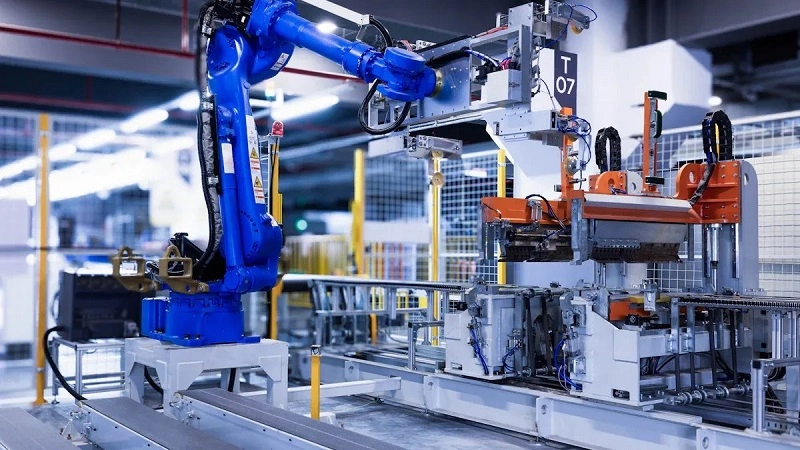
Quality control keeps every part within spec. One bad component can stop a robot in the middle of a job. That wastes time and money. So how do you make sure every part is right?
Inspection Methods for Service Robot Components
CMM, Optical, and Functional Testing
Several tools measure parts. Coordinate Measuring Machines (CMM) probe surfaces with a tiny tip. They reach tolerances as tight as ±0.0005 inches. That level of accuracy matters for bearing seats and joint bores. The ATOS Triple Scan blue light system goes further. It captures structured light down to 5–6 microns. This helps with complex freeform shapes. Machine vision-based metrology inspects many dimensions at once. AI algorithms decide pass or fail. This cuts inspection time. Robotic arms with vision position parts for thorough checks. SCARA cobots add flexibility to the workflow.
Geometric Dimensioning and Tolerancing (GD&T) defines which dimensions matter most. Critical-to-Quality (CTQ) features get priority. Calibration follows National Institute of Standards and Technology (NIST) standards. That gives traceability you can trust. Go/no-go gauges give instant pass or fail in high-volume production. Precision hand tools handle general checks. Optical comparators check 2D profiles of small parts. Each method has its place in manufacturing.
First Article and In-Process Checks
First article inspection checks the first part off the line. It confirms the machine and tooling work right. In-process checks keep things on track after that. Probing on the machine catches drift early. Sampling and SPC detect trends before parts go out. A clear inspection plan states what to check, how, and what triggers a fix.
Standards and Traceability
Material Certs and Batch Tracking
Traceability starts with material certs. Every batch of aluminum, steel, or plastic comes with a certificate. It shows the alloy, heat treat, and mechanical properties. Batch tracking links each part back to its raw material. If something fails, you know the source. AS9102 Form 3 reporting supports this for regulated work. For service robot components, material certs reduce risk.
Documenting Tolerances and Finishes
Every drawing should list tolerances and finishes. That includes GD&T callouts for critical features. Surface finish specs for sliding parts. Dimensional tolerances for press fits. This document guides inspection and helps with future production runs. It also helps when you change suppliers. A clear spec prevents confusion.
Errores comunes de calidad
Dimensional Drift in High-Volume Runs
Dimensional drift is the slow shift in part size over a long production run. Tool wear causes it. So do thermal changes, fixture wear, and material variation. Drift may not show up in prototypes. It becomes a problem after thousands of parts. Tool wear drift is predictable only when the process stays stable. Changes in material batches or coolant shift wear behavior. Thermal effects need warm-up routines and controlled sampling. Fixture wear requires regular checks. Material variation needs lot tracking. Measurement systems can fail silently too. Chips, temperature, stylus wear, or bad calibration hide real drift.
The fix follows five steps:
- Maintain stable datums and workholding so the part sits the same way every time.
- Apply tool wear rules that prevent “cut until failure” behavior.
- Perform in-process checks on key features sensitive to drift.
- Use sampling and SPC to detect trends early.
- Follow a clear inspection plan with defined check methods and adjustment triggers.
Inconsistent Finishing and Coating
Surface finish varies from lot to lot. Work hardening and built-up edge degrade finish quality. Coating thickness may vary too. Anodizing or powder coating can have thin spots. Cleaning steps before coating matter. Inconsistent prep leads to adhesion failures. For high-quality robot parts, a controlled finishing process matters as much as machining. The right finish affects wear rate and part life. It also affects performance in robotic systems.
Quality control for manufacturing robot parts comes down to process discipline. Every check and every cert adds up. That is how you build reliable amr robot parts. The goal is consistent quality across every unit. Good quality also keeps cost in check. Fewer defects mean less rework and scrap. For any robot system, quality is not optional. It is the foundation of reliable performance.
NOBLE’s Manufacturing for Service Robot Components
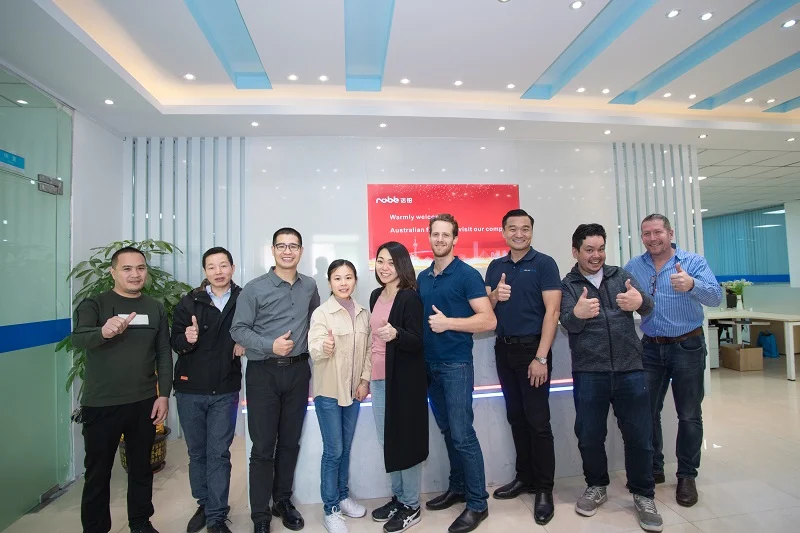
NOBLE is a manufacturer that handles everything. The company works on metal and plastic processing. This covers the whole process of building service robot components. You work with one partner instead of five.
Metal and Plastic Processing Under One Roof
CNC Machining, Molding, and Sheet Metal
Most shops choose just one type of work. NOBLE does many kinds. CNC machining, injection molding, and sheet metal all happen in their own building. This mix is important for making robot parts. A joint housing might need machining. Its cover might need molding. The frame might need bending. One vendor takes care of all three. You avoid blame games when tolerances shift between suppliers.
Prototipado a través de la producción
The same shop floor handles both ends of a project. A prototype bracket comes off a mill in days. Later, that same design moves to molding or casting for large amounts. This path makes the jump from one unit to thousands smooth. It also keeps the manufacturing processes the same. What you tested is what you get.
Certifications Behind Service Robot Components
ISO 9001:2015 Gestión de Calidad
ISO 9001:2015 sets the basic rules. It covers written steps, fixing problems, and keeping records. For robotics buyers, that means steady results. Every batch follows the same steps. Quality does not depend on who is working that shift.
ISO 13485:2016 for Regulated Work
ISO 13485:2016 goes even further. It is made for medical devices and other strictly controlled products. Robots that help in care settings often fall under this rule. The standard requires tighter control over design records, tracking, and risk. NOBLE holds both certifications. That opens doors for custom components in sensitive fields.
Full-Service Support for Service Robot Components
Design, Engineering, and DFM
Support begins before any metal is cut. NOBLE’s engineers look over drawings and point out problems. Design for manufacturability feedback can lower cost and lead time. A thick wall becomes a ribbed one. A tight tolerance loosens where it does not matter. These small changes add up across a bill of materials.
Assembly, Testing, and Delivery
The work does not end at a finished part. NOBLE puts together sub-systems, runs functional checks, and packs for shipment. That full-service model helps teams building AMR robot parts and other robotic systems. You get one point of contact from quote to dock.
It is worth noting that manufacturing for robotics rewards this kind of integration. Custom work and standard commodities can share one supply chain. The result is high-quality robot parts without the usual vendor juggling. For any robot program, that is a real advantage.
CNC machining, injection molding, sheet metal work, 3D printing, casting, and forging make most service robot parts. Aluminum, steel, engineering plastics, and composites cover the rest. Match each process to what the part does, how many you need, the cost, and the lead time. That plan keeps robotics projects within budget.
Design for manufacturability and quality control are key steps, not extras. They decide if robot parts last in the field. Skipping them adds cost and risk.
For making robot parts, one partner changes everything. NOBLE does design, production, assembly, and testing all in one place. That support boosts robot performance from prototype to full production.
FAQ of Service Robot Components
What process makes the tightest-tolerance service robot components?
CNC machining holds the tightest tolerances. Joint systems can reach ±0.01 mm in stainless steel or titanium. Actuator housings sit around ±0.02 mm in aluminum. Injection molding tightens to ±0.05 mm at best for precision-grade work. For motion and sensing parts, machining usually wins.
Which material works best for a lightweight robot arm?
Aluminum 6061-T6 is the common pick. It weighs about 65% less than steel for the same shape. Yield strength lands near 275 MPa. For heavier loads, 7075 aluminum pushes past 500 MPa. Steel stays the choice for short, high-stress links like gearbox internals.
When does injection molding beat CNC machining for service robot components?
Volume decides this. Tooling runs from $1,000 to $100,000 or more. That cost only pays off across thousands of identical parts. CNC machining skips tooling entirely, so it fits prototypes, bridge production, and custom work. Below a few hundred units, machining usually costs less per part.
How do engineers cut machining time on custom parts?
Loosen tolerances that do not affect fit. Use the cheapest grade that works. Fewer setups and standard tools cut cost too. Simple DFM changes — larger radii, standard stock sizes, simpler pockets — can lower CNC machining costs by 20% to 50%.
What causes dimensional drift in high-volume runs?
Tool wear drives most drift. Thermal changes, fixture wear, and material variation add to it. The fix follows five steps: stable datums, tool wear rules, in-process checks on key features, sampling with SPC, and a clear inspection plan with adjustment triggers.
Why use off-the-shelf parts instead of custom ones?
Standard bearings, fasteners, and motors ship in days and carry known reliability data. They cut engineering time and lower technical risk. Custom parts give exact fit and function, but they add tooling cost and lead time. Most successful builds use both.
What certifications should a service robot components supplier hold?
ISO 9001:2015 covers written steps, problem fixing, and record keeping. ISO 13485:2016 goes further for regulated fields like medical devices. NOBLE holds both. That combination supports steady results across every batch and opens doors for sensitive applications.
How does DFM lower the cost of service robot components?
DFM matches part shape to the best making method. Ribs replace thick walls. Tolerances loosen where they do not matter. Snap-fits remove fasteners in large batches. These small changes add up across a bill of materials and cut both cost and lead time.