Introduction
Look around. Plastic is everywhere. And billions of tons of it are sitting in landfills or floating in the ocean. But here is the thing. Some of that waste is getting pulled back. It gets a second life.
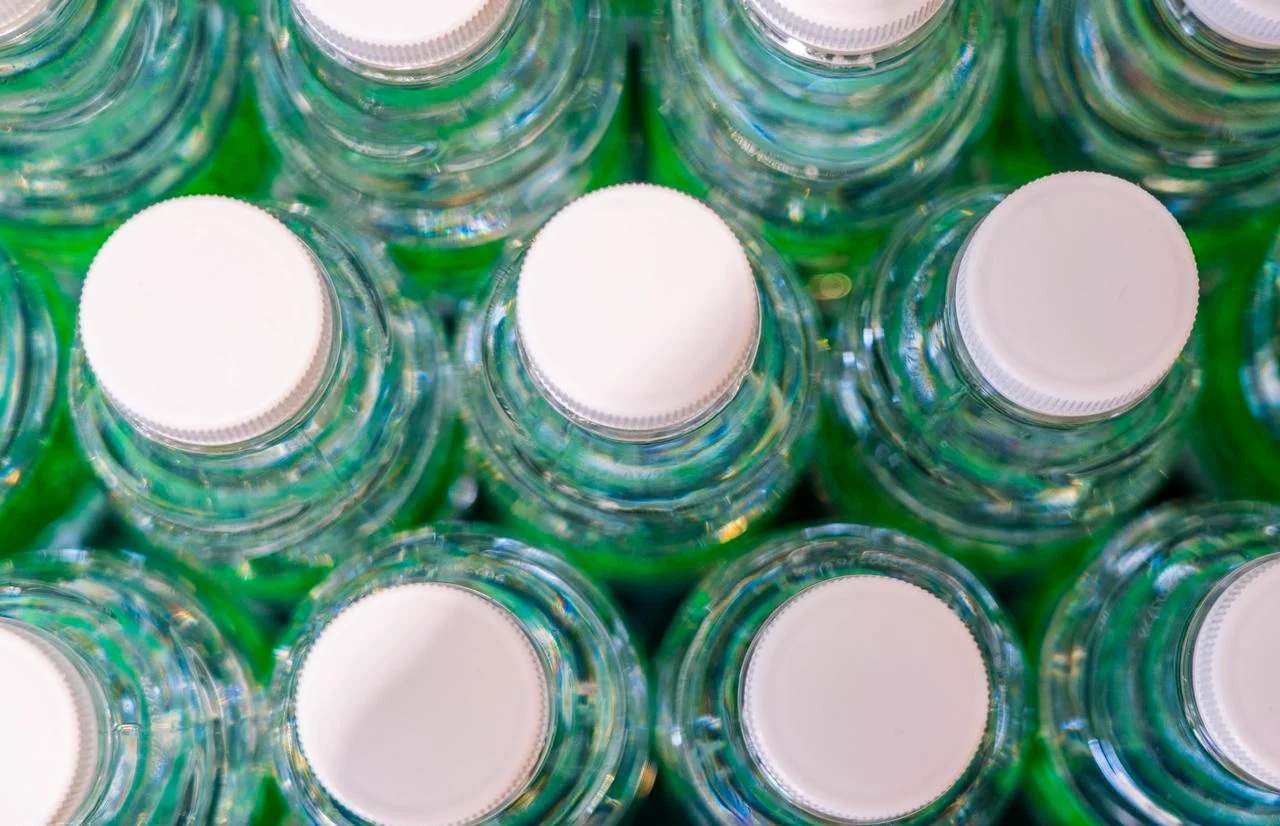
That second life comes from something called recycled plastic. You take old plastic bottles, containers, and industrial scrap and process them into new material. Simple idea. Hard to execute cleanly.
Why does this matter right now? Two reasons. First, the pollution is choking the planet. Second, companies are feeling pressure to lower their carbon footprint. The circular economy isn’t a buzzword anymore. It’s a business requirement.
We’ll define recycled plastic clearly. We’ll go through the real pros and cons—not the marketing version. We’ll compare it to virgin material. And we’ll look at which industries are actually using it on the factory floor. No fluff. Just what works.
What Is Recycled Plastic?
Let’s get the definition straight.
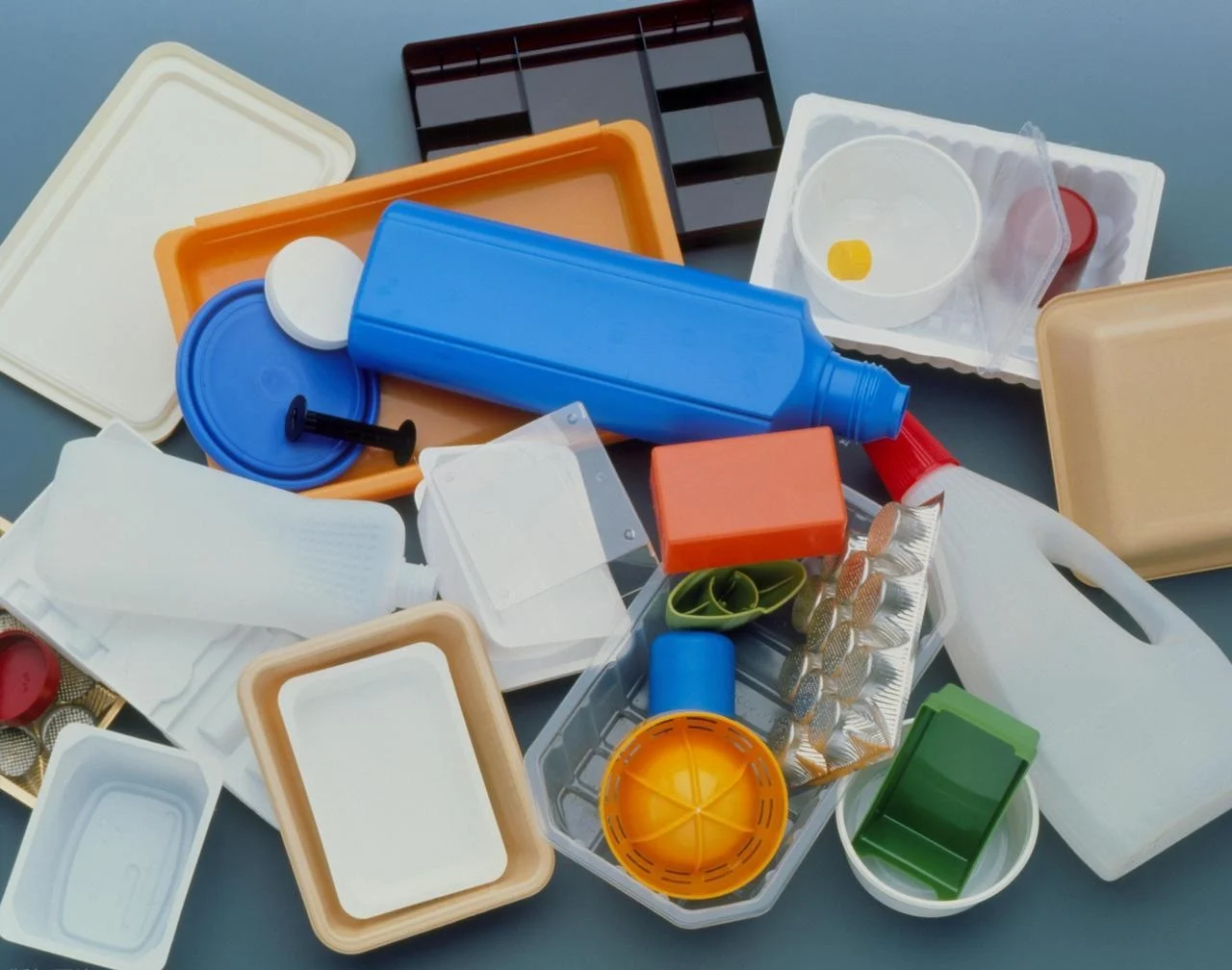
Recycled plastic is old plastic turned into a new material. Not downcycled into something useless. Actually remade. Think a water bottle becoming another water bottle. Or a detergent jug becoming a car part. That’s our goal.
Here is how it happens on the factory floor. Five steps in total.
- Someone gathers the waste—bottles, containers, and industrial scrap.
- Separate the types. PET goes here. HDPE goes there. Mix them up, and the whole batch is junk.
- Wash off labels, glue, dirt, and leftover product. This step is messy but non-negotiable.
- Shredding or melting. You chop the plastic into flakes or melt it down completely. Depends on the process.
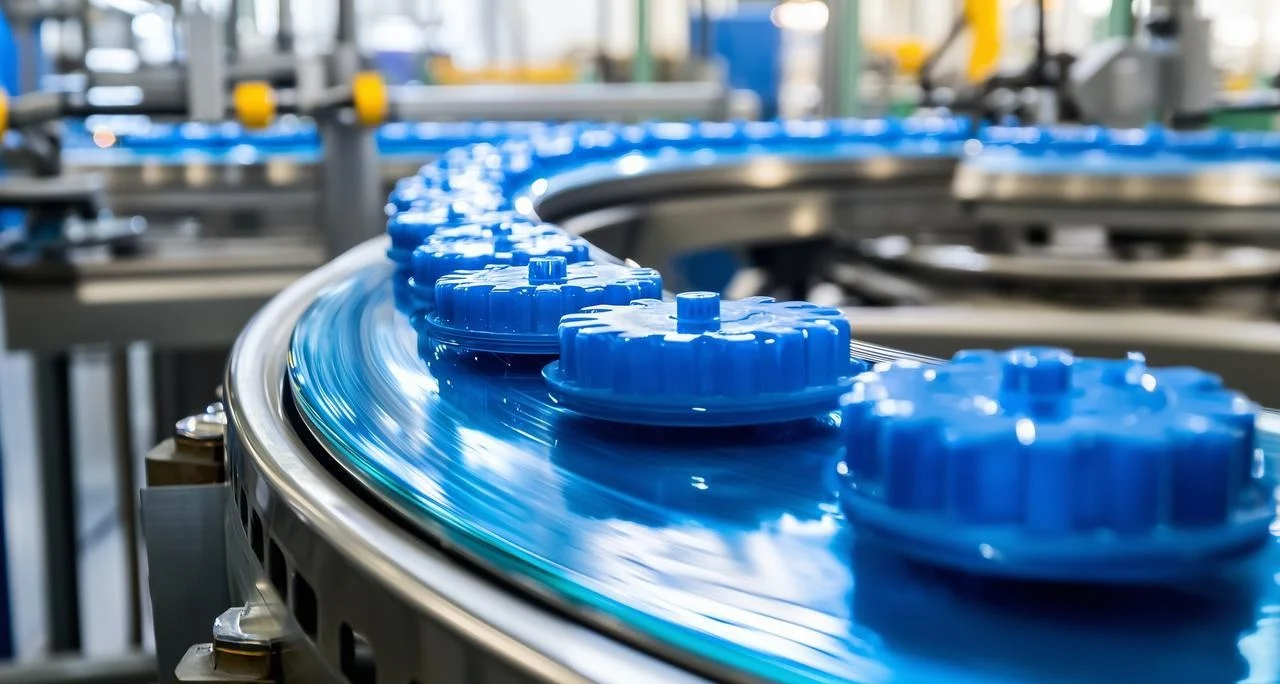
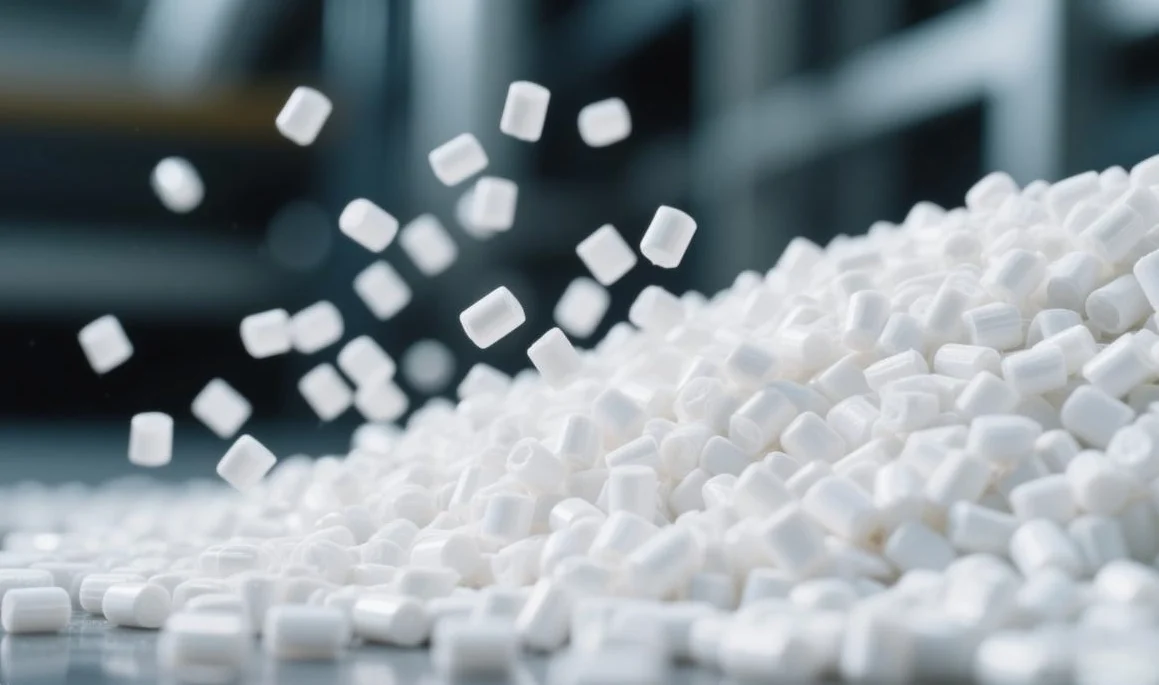
- You turn the melted or flaked material into small pellets. Those pellets feed into a new injection molding machine or extruder. That’s the finished recycled resin.
The Advantages of Recycled Plastic
Think about where plastic normally ends up. Ground. Water. Nowhere good. Recycled plastic pulls material out of that stream. Less trash piling up. Fewer bottles are floating in the Pacific. It’s not a fix for everything, but it’s a real reduction.
It Cuts Landfill and Ocean Pollution
Think about where plastic normally ends up. Ground. Water. Nowhere good. Recycled plastic pulls material out of that stream. Less trash piling up. Fewer bottles are floating in the Pacific. It’s not a fix for everything, but it’s a real reduction.
It Lowers Energy Use and Carbon Emissions
Making plastic from old plastic takes less heat, less pressure, and less work. rPET uses about 66 percent less energy than making virgin PET from crude oil. That is a massive difference on a factory scale. Lower energy means lower emissions. Simple math.
It Conserves Fossil Fuels
Virgin plastic is refined oil. We are literally burning a non-renewable resource to make a disposable cup. Recycled plastic uses material that already exists. You leave more crude in the ground. That matters for supply chains and for long-term cost stability.
It Creates Jobs and Economic Value
Recycling is not a charity operation. It’s an industry. Collection, sorting, cleaning, processing—each step needs people and equipment. Local recycling facilities employ workers. They generate tax revenue. They turn waste into a sellable product.
It Enables a Circular Economy
This is the big picture idea. Take a bottle. Make a bottle. Take that bottle again. Make another one. The material stays in use instead of becoming pollution. That is the circular economy in practice. Recycled plastic is the engine that makes it run. Without the material, the concept is just talk.
The Disadvantages of Recycled Plastic
Downcycling and Quality Degradation
Here is the problem nobody likes to talk about. Recycling plastic isn’t perfect. Every time you melt and reform a polymer, its molecular chains get shorter. Shorter chains mean weaker material. Less flexible. Less durable. So that water bottle doesn’t become another water bottle forever. It becomes a fleece jacket. Then carpet fiber. Then something even lower grade. That is downcycling. You aren’t making the same quality part repeatedly. You are making progressively worse parts until the material is useless.
Contamination Risks
One wrong bottle ruins a whole batch. Someone throws a PVC cap into a bin of PET? Contamination. Leftover food grease in a container? Contamination. A label that doesn’t wash off properly? Same problem. Contaminated recycled plastic has weak spots, discoloration, or even toxic residues. For medical or food-contact applications, that is a hard stop. You cannot use it.
Limited Recyclability
Not all plastics are equal here. Thermosets are a dead end. You heat them once to shape them. Try to remelt them, and they just burn. Multilayer packaging—think chip bags or juice cartons—is another nightmare. Layers of different plastics are fused. No practical way to separate them. So they go to a landfill or incineration. The fancy recyclable label on the front is often misleading.
Cost and Oil Price Volatility
Recycled plastic is not always cheaper. When oil prices drop, virgin plastic becomes very cheap. Recyclers cannot compete on cost. Their collection and cleaning processes have fixed expenses. They need a certain price floor to stay in business. Oil prices bounce around unpredictably. That volatility makes it hard for factories to commit to recycled material for long-term production contracts.
Energy and Chemical Use in Processing
Cleaning and reprocessing take real resources. Hot water. Detergents. Sometimes, aggressive chemicals to strip adhesives or coatings. Then you run shredders and extruders. All of that equipment consumes electricity and water. The carbon footprint of recycled plastic is generally lower than that of virgin material, but it is not zero. Some aggressive chemical recycling processes are energy hogs.
Microplastic Shedding (Optional)
This one is newer research. Some mechanical recycling operations generate microplastic particles during shredding and grinding. Those tiny particles can escape into wastewater or air. The industry is still figuring out how to control it. Not a dealbreaker for most applications, but worth knowing if you are in a highly regulated environmental space.
Recycled Plastic vs. Conventional (Virgin) Plastic
People have two choices for a new part. Recycled plastic from waste. Or virgin plastic from fossil fuels. They are not the same. The choice depends on what matters more: pure performance or environmental impact.
Here is how they compare side by side.
| Feature | Recycled Plastic | Virgin Plastic |
| Raw material | Waste plastic. Bottles, jugs, industrial scrap. | Fossil fuels. Crude oil, natural gas. |
| Energy use | Lower. Less refining and cracking are needed. | Higher. Making plastic from scratch takes more. |
| Carbon footprint | Lower. The energy-intensive polymerization step is skipped. | Higher. The whole production chain emits CO2. |
| Material strength | Slightly weaker. Shorter polymer chains. Batch inconsistency. | Consistent and strong. Virgin resin is predictable every time. |
| Food-grade safety | Limited. Contamination risks. Fewer certified supply chains. | Fully approved. FDA and EU standards are straightforward. |
| Cost | Volatile. Tied to oil prices and collection economics. | Generally stable. Large-scale production smooths out swings. |
When to Choose Each
Many people pick recycled plastic when the part does not need maximum strength. Think interior trim, non-food packaging, industrial trays, or garden products. We also choose it when the customer demands a lower carbon footprint or when circular economy credits are needed for reporting.
People pick virgin plastic when safety is critical. Medical devices, food-contact surfaces, and children’s products. We also choose it when the part must survive high stress or when dimensional consistency is non-negotiable. No one should gamble on a bad batch of regrind for a structural component.
The Honest Bottom Line
Virgin plastic is technically superior. It is stronger, cleaner, and more predictable. That is just a fact.
Recycled plastic is environmentally superior. It uses less energy, generates fewer emissions, and keeps waste out of the ground.
We are making a trade-off. There is no magic material that wins on both sides. Know the application. Pick accordingly.
Which Industries Use Recycled Plastic?
Recycled plastic is not a niche material anymore. Many industries use it every day. Each sector has different requirements for strength, appearance, and safety. Here is where people actually put this material to work.
Packaging Industry
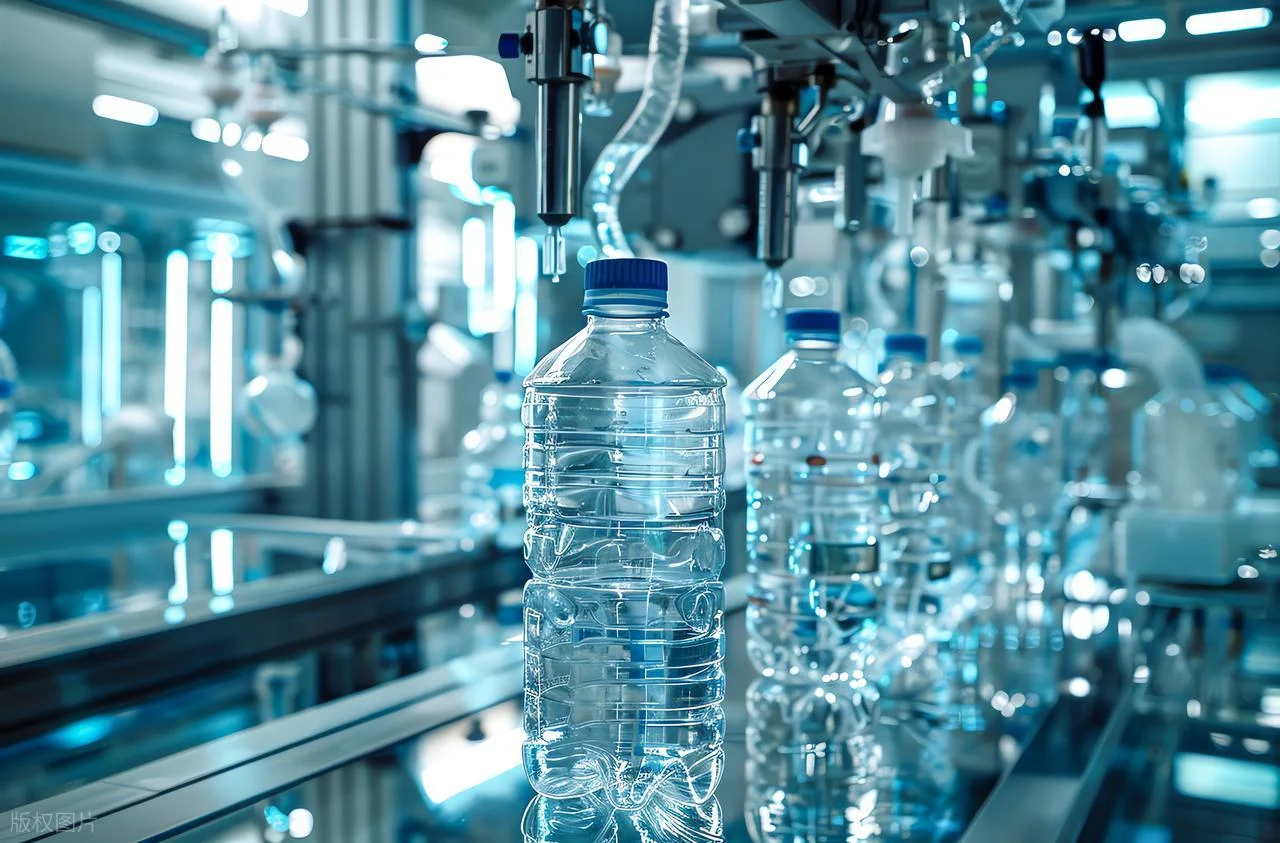
This is the largest user by volume. Think about what people see on store shelves. Bottles made from rPET. Detergent containers from rHDPE. Shipping bags and stretch film from rLDPE. The packaging industry drives most of the recycling demand. Without it, the whole system would collapse.
Construction & Building Materials
Nobody sees these parts, but they are everywhere. Plastic lumber for decks and park benches. Drainage pipes. Roofing tiles. Insulation boards. Builders like recycled plastic because it resists rot and insects. It lasts longer than wood in wet conditions. We are seeing more structural applications every year.
Textile & Apparel
People wear recycled plastic more often than they realize. Polyester fleece jackets are a classic example. Carpets, backpacks, shoe uppers, and athletic jerseys also use rPET. The fabric feels the same as virgin polyester. The difference is in the raw material source.
Automotive Industry
Car makers have aggressive sustainability targets. They put recycled plastic into interior trim panels, floor carpets, door handles, and battery casings. Under the hood, some components use recycled materials as well. People driving a new car are sitting on recycled plastic without knowing it.
Consumer Goods
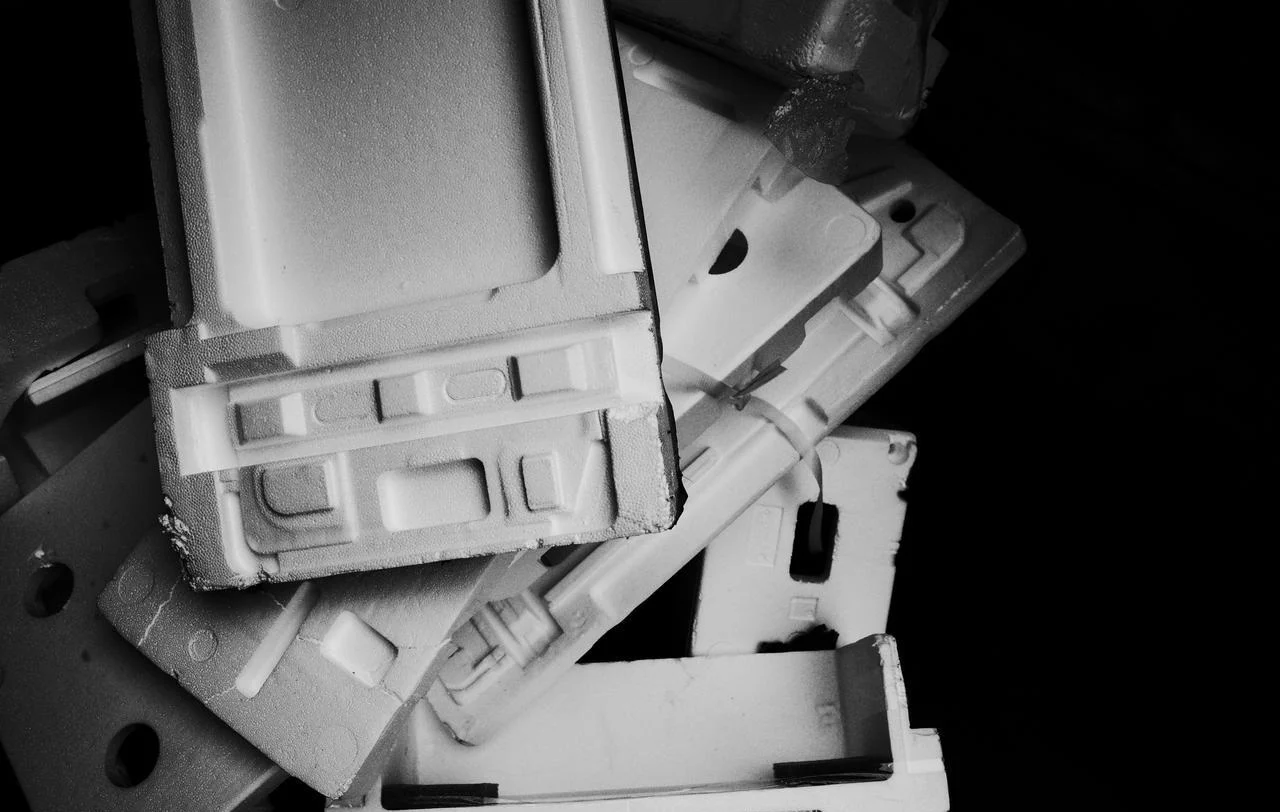
This category is broad. Trash cans. Storage bins. Toys. Clothes hangers. Lawn furniture. Many everyday household items use recycled content. The quality is good enough for these applications. People save money, and the factory reduces its virgin material usage.
Agriculture
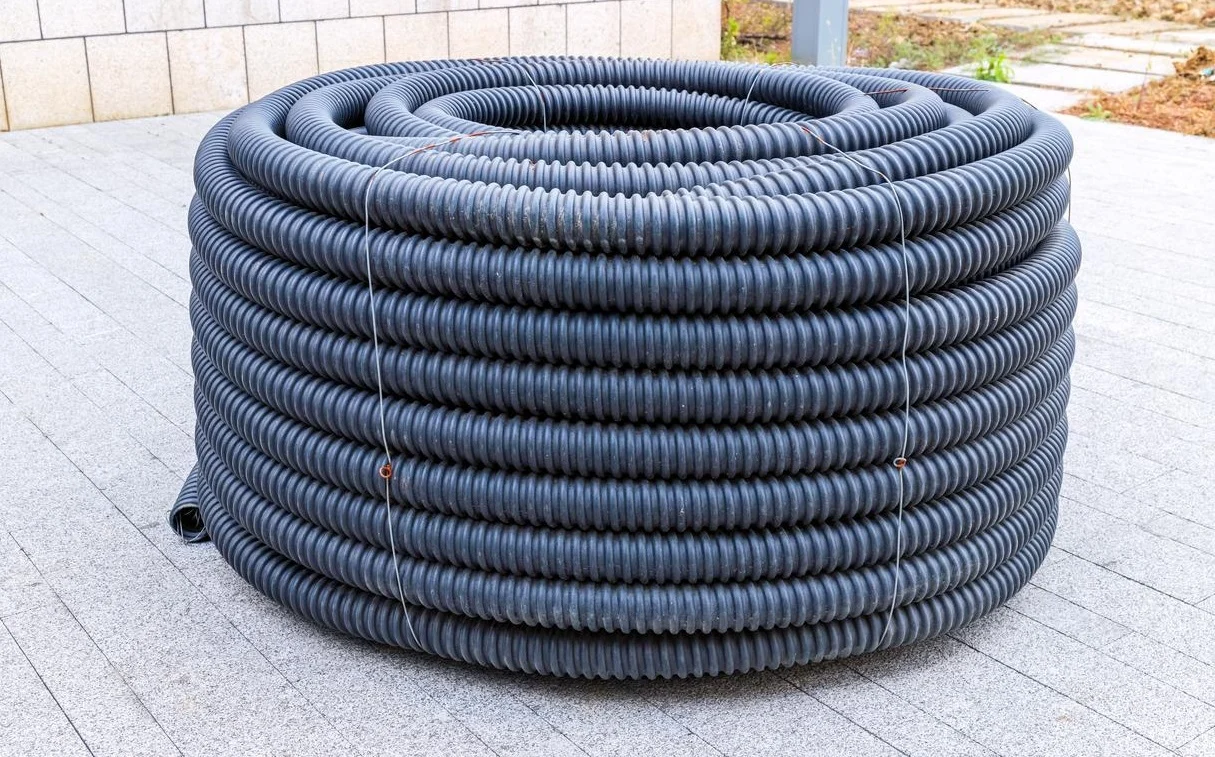
Farming uses a lot of plastic. Irrigation pipes, plant pots, mulch films, and silage wrap. Recycled plastic works well here because agricultural parts do not need food-grade certification. Durability matters more than appearance. Many farmers are switching to recycled options for cost and environmental reasons.
Electronics
Computer casings. Television housings. Printer enclosures. Cable insulation. The electronics industry uses rABS and rPC for non-structural external parts. People do not see the difference. The recycled material performs the same. The carbon footprint is lower.
Furniture & Outdoor Equipment
Park benches, playground structures, shipping pallets. These are thick, heavy-duty applications. Recycled plastic handles weather and impact well. Municipalities and logistics companies are big buyers. They want durability and low maintenance. Recycled plastic delivers both.
3D Printing
This is a smaller but growing niche. People buy recycled PLA and rPETG filaments for desktop printers. The print quality is nearly identical to virgin filament. Hobbyists and small workshops like the lower environmental impact. For prototyping and non-critical parts, it works fine.
Quick Reference: Plastic Type to Industries
| Plastic Type | Common Industries |
| rPET (polyester) | Packaging, textiles, automotive, 3D printing |
| rHDPE (high-density) | Packaging, construction, consumer goods, and agriculture |
| rPP (polypropylene) | Automotive, consumer goods, electronics, furniture |
| rLDPE (low-density) | Packaging, agriculture, and construction |
| rPVC (vinyl) | Construction, electronics, automotive |
| rABS (ABS) | Electronics, automotive, consumer goods |
Many people are surprised by how widespread recycled plastic has become. It is not a futuristic concept. It is running on factory floors right now, in almost every sector.
Mechanical vs. Chemical Recycling – What’s the Difference?
Not all recycling is the same. People hear the word and assume one process. There are actually two main approaches. They work differently. They produce different results. One is common but has limits. The other is promising but not ready for wide use.
Mechanical Recycling
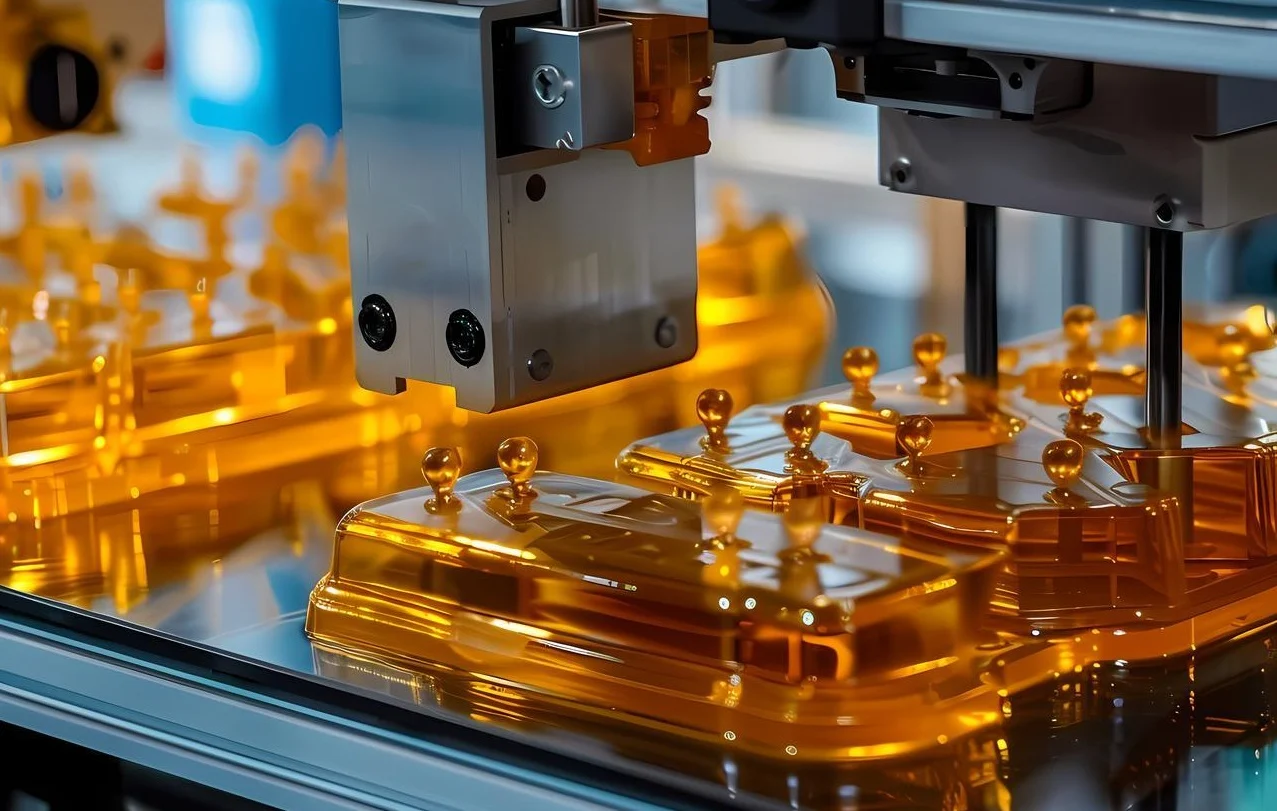
This is the dominant method. Most of what people call recycling is mechanical. The plastic gets shredded, washed, melted, and reformed into pellets. Simple equipment. Established process. Low cost compared to the alternative.
But there is a catch. Every time plastic goes through mechanical recycling, the polymer chains shorten. Heat and shear stress break the molecular bonds. The material gets weaker. This is why people talk about downcycling. A water bottle becomes a fleece jacket. The jacket becomes carpet fiber. The carpet fiber eventually becomes waste that no one can recycle again.
Mechanical recycling works best for clean, single-stream plastic. PET bottles. HDPE jugs. Industrial scrap from a factory floor. Dirty or mixed materials cause problems. Contamination ruins batches. Labels, adhesives, and leftover food grease are constant headaches.
Chemical Recycling
This is the newer approach. Instead of just melting plastic, chemical recycling breaks it down at the molecular level. Pyrolysis uses high heat in an oxygen-free chamber. Solvolysis uses chemical solvents to dissolve specific polymers. Depolymerization reverts the plastic into its original monomers.
The output is different. Mechanical recycling gives you flakes or pellets. Chemical recycling gives you something closer to crude oil or pure monomers. People can then use those building blocks to make virgin-quality plastic. Same strength. Same purity. Same food-grade approval. No downcycling.
The problem is cost. Chemical recycling equipment is expensive to build and operate. The energy input is high. The output volume is still low compared to mechanical methods. Many facilities have struggled to scale profitably. People in the industry say the technology is promising but not yet ready for mass adoption.
The Practical Takeaway
People use mechanical recycling today because it works and it is cheap. The industry runs on it. But we accept the downcycling trade-off.
Chemical recycling is the long-term hope. It could close the loop completely. No quality loss. No downcycling. But we are not there yet. The economics do not work at scale. Facilities are still proving themselves.
For a factory manager choosing material today, the decision is clear. Mechanically recycled plastic is available and affordable. Chemically recycled plastic is a future option, not a current supply chain solution.
Is Recycled Plastic Truly Sustainable?
At this point, you might be hoping for a simple answer. Is recycled plastic good or bad? The truth is more complicated. It is better than virgin plastic in many ways. But it is not a perfect solution. Pretending otherwise does not help anyone.
Better Than Virgin, But Not Perfect
We have to hold two ideas at once. Recycled plastic uses less energy. It emits less carbon. It keeps waste out of landfills and oceans. On all these measures, it beats virgin material hands down.
But the process has problems. Recycling still consumes resources. Water. Electricity. Chemicals. Trucks to collect and transport. The carbon footprint is lower, not zero. People who claim recycled plastic has no environmental impact are misleading themselves.
The Downcycling Problem
This is the hard limit that many discussions ignore. Mechanical recycling degrades the material. Polymer chains get shorter with each pass. The plastic becomes weaker, less flexible, and less useful.
Eventually, after two or three cycles, the material cannot be recycled again. It ends up in a landfill or an incinerator. So the loop is not truly circular. It is a spiral. Each cycle drops the material down a level until it becomes waste.
People need to accept this. Recycled plastic delays disposal. It does not eliminate disposal.
Microplastic Concerns
Newer research has raised a different issue. The mechanical recycling process itself generates microplastic particles. Shredders and grinders create tiny fragments. Some escape into wastewater. Some become airborne in the facility.
We do not fully understand the scale of this problem yet. Early data suggest it is real but manageable. Proper filtration and water treatment can capture most of these particles. Not every recycling facility has invested in that equipment. People concerned about microplastics should look for facilities that do.
Watch for Greenwashing
Many companies make vague claims. “Contains recycled content.” That phrase does not mean much without a number.
Some products use five percent recycled material and call themselves green. Others use ninety-five percent. The difference is enormous. People should check the actual percentage. Look for third-party certification. Look for specific claims like “made from one hundred percent post-consumer recycled PET.”
Also, watch for creative accounting. Post-industrial scrap from a factory floor is better than virgin material. But it is not the same as diverting ocean-bound bottles. Both count as recycled. They are not equal in environmental impact.
The Waste Hierarchy
This is the framework that actually makes sense. Reduce first. Use less plastic in the first place. Better design. Less packaging. No single-use items where avoidable.
Reuse comes second. Refillable bottles. Returnable crates. Durable containers that survive many cycles. Reuse beats recycling every time.
Recycling is third. It is better than landfill or incineration. But it is not better than reduction or reuse. People often forget this order. They celebrate recycling while ignoring the massive upstream consumption.
The Honest Assessment
Recycled plastic is a useful tool. We should use it. We should invest in better recycling technology. We should design products that are easier to recycle.
But we should not pretend it solves the plastic crisis. The only real solution is to use less plastic. Recycling is a bridge. It is not the destination. People who care about sustainability need to keep that distinction clear.

About NOBLE – Precision CNC Machining for Recycled Plastic Components
Our Capabilities
We run a full machine shop. CNC milling for complex geometries. CNC turning for round parts. Drilling, grinding, and secondary operations. Prototyping runs for design validation. Low-volume production for clinical trials or niche markets. High-volume runs for established products.
Tolerances are tight. We hold ±0.01mm or better on critical features. That is not a marketing claim. It is a measurable standard.
Custom components are our core business. People send us drawings. We deliver parts. No catalog. No off-the-shelf. Every piece made to specification.
Industries We Serve:
- Medical device manufacturers use our parts. Surgical tools, instrument housings, and implant trial components.
- Automotive suppliers come to us for interior trim, structural brackets, and under-hood components made from recycled plastics.
- Electronics and consumer goods companies need precision casings, internal gears, and mounting brackets.
- Industrial equipment builders require wear parts, guides, and custom fittings.
- Packaging machinery makers need rollers, chutes, and timing screws.
Each industry has different requirements. We adapt the process. The machines stay the same.
Our Certifications
ISO 9001:2015. Quality management systems. This is the baseline. We meet it. We document it.
ISO 13485:2016. This is the medical device standard. Many machine shops do not have it. We do. It demonstrates our capability to machine components for healthcare applications. Clean processes. Full traceability. Rigorous documentation.
Why this matters to you:
Consistent quality is not optional. We build it into every step. Traceability means every part can be tracked back to a material batch and a production run. Process control is documented, audited, and followed without exception.
Medical and automotive industries demand this level of rigor. High-reliability applications cannot accept variation. Regulated projects need full documentation for submissions and audits.
We handle all of that. Clients send us challenging recycled plastic jobs. We deliver parts that pass inspection. No surprises. No excuses. Just machined components that work.
FAQ
Can recycled plastic be recycled again?
Yes, but with a catch. Each cycle shortens the polymer chains. The material gets weaker. Most recycled plastic goes through two or three cycles before it becomes unusable. After that point, no one can recycle it further. It ends up in a landfill or an incinerator. So the loop is real, but it is not infinite.
Is recycled plastic food-safe?
Yes for some materials, no for others. Clients who need food-safe recycled plastic should expect to provide certification requirements upfront.
Why is recycled plastic sometimes more expensive?
Two main reasons. First, oil prices. When crude oil drops, virgin plastic becomes very cheap. Recycling facilities have fixed costs for collection, sorting, and cleaning. They cannot drop their prices as fast. Second, collection costs vary. A recycling plant in one region might pay high labor and transport costs. Another plant in a different area might operate more cheaply. The result is price volatility. People assume recycled should always be cheaper. That assumption is wrong.
Does recycled plastic shed microplastics?
Research is ongoing. Early studies suggest mechanical recycling processes may generate additional microplastic particles during shredding and grinding. Some of these particles escape into wastewater or air. The final product might also shed more than virgin material due to shorter polymer chains and surface damage. However, the data is not definitive yet. People concerned about microplastics should watch for updated research. Current evidence suggests recycling is still environmentally preferable to landfilling or incineration, but the microplastic question is a legitimate concern that deserves more study.