Introduction
Walk through any factory today. You see plastic everywhere. It’s in car dashboards, medical devices, and phone cases. The material is fundamental now.
But here’s what people miss. A plastic part isn’t just a shape you pull from a mold. It’s the result of three distinct decisions. You pick the base material first. Then you figure out how to make it stronger or tougher. Finally, you decide what surface treatment it needs to survive in the real world. Skip one, and the part fails.
This guide walks through all three. You’ll learn how to select the right plastic. You’ll see the methods used to boost its strength. And you’ll understand the finishing steps that determine whether a part lasts or cracks.
Understanding Plastic Raw Materials
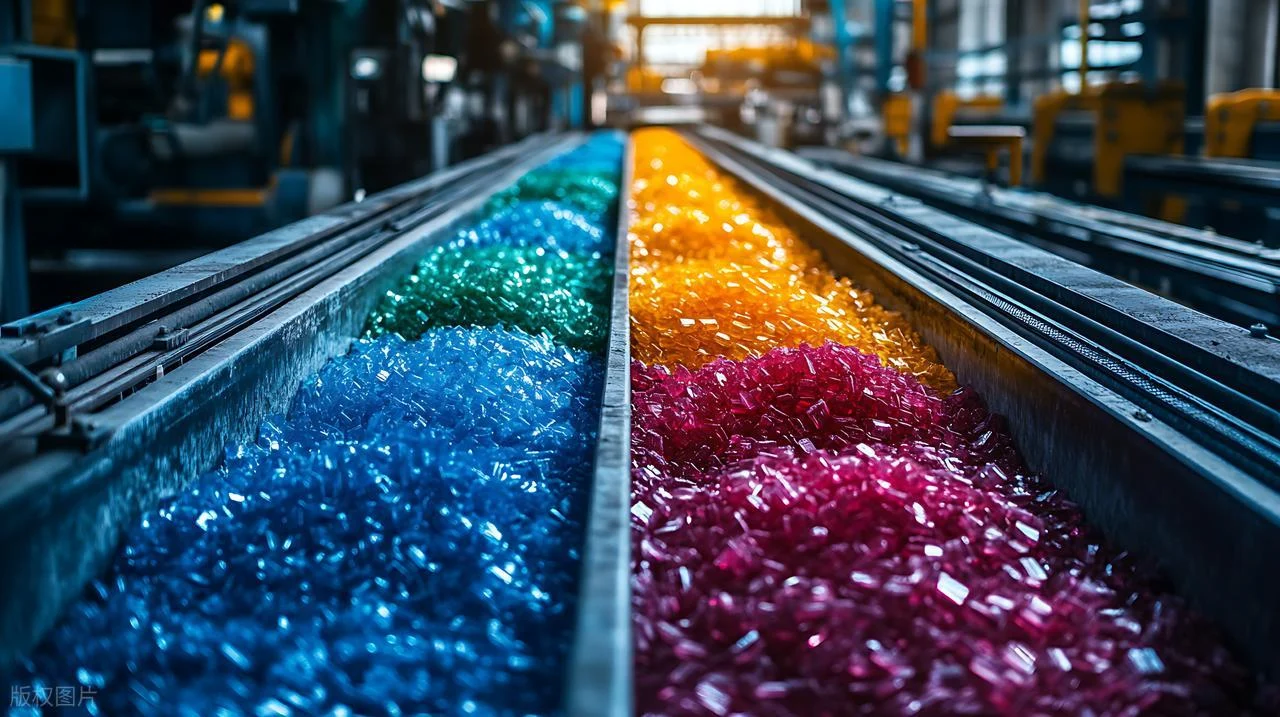
Let’s start with what you actually buy. Plastic doesn’t arrive as finished parts. It shows up in bags or boxes as small, solid pieces.
What Are Plastic Raw Materials?
You are buying polymers. Think of them as long chains of repeating chemical units. The individual links are called monomers. Link enough of them together, and you get a plastic.
The physical form matters for how you process it. You’ll see three types.
- Granules are small, irregular chunks. Common for injection molding.
- Beads are uniform, tiny spheres. They flow and pack consistently.
- Powders are fine dust. Used for rotomolding or certain additives.
The Two Main Classifications of Plastics
Here is the first major fork in the road. Plastics are split into two families based on how they react to heat.
- Thermoplastics soften when heated and harden when cooled. You can do this over and over. Melt them, mold them, grind them up, melt them again. This makes them recyclable. Common examples: ABS, polypropylene, nylon.
- Thermosets undergo a permanent chemical change during curing. Once they harden, you cannot melt them again. Heat them too much, and they char or burn. This gives them excellent heat resistance and stability. Common examples: epoxy, phenolic, melamine.
Here is how they compare side by side.
| Property | Thermoplastics | Thermosets |
| Response to Heat | Soften reversibly | Decompose irreversibly |
| Recyclability | Can be remelted and reused | Cannot be remelted |
| Molecular Structure | Linear or branched chains | Crosslinked network |
| Chemical Resistance | Varies by material | Generally excellent |
| Typical Applications | Consumer goods, packaging | Electrical components, adhesives |
| Processing | Injection molding, extrusion | Compression molding, casting |
The choice between them dictates everything downstream. Pick a thermoplastic if you need high volume and recyclability. Pick a thermoset if the part faces heat or requires permanent rigidity.
Common Types of Plastic Resins and Their Properties
Let’s get specific. You can’t just pick “plastic.” The type you choose determines everything about how the part performs and how it’s made. Here are the common ones you’ll encounter.
Polyethylene (PE)
This is the workhorse. It comes in two main grades.
- HDPE is high-density. It’s stiff, strong, and chemical-resistant. Think milk jugs, detergent bottles, fuel tanks.
- LDPE is low-density. It’s flexible, soft, and tough. Think squeeze bottles, plastic bags, and shrink wrap.
Polypropylene (PP)
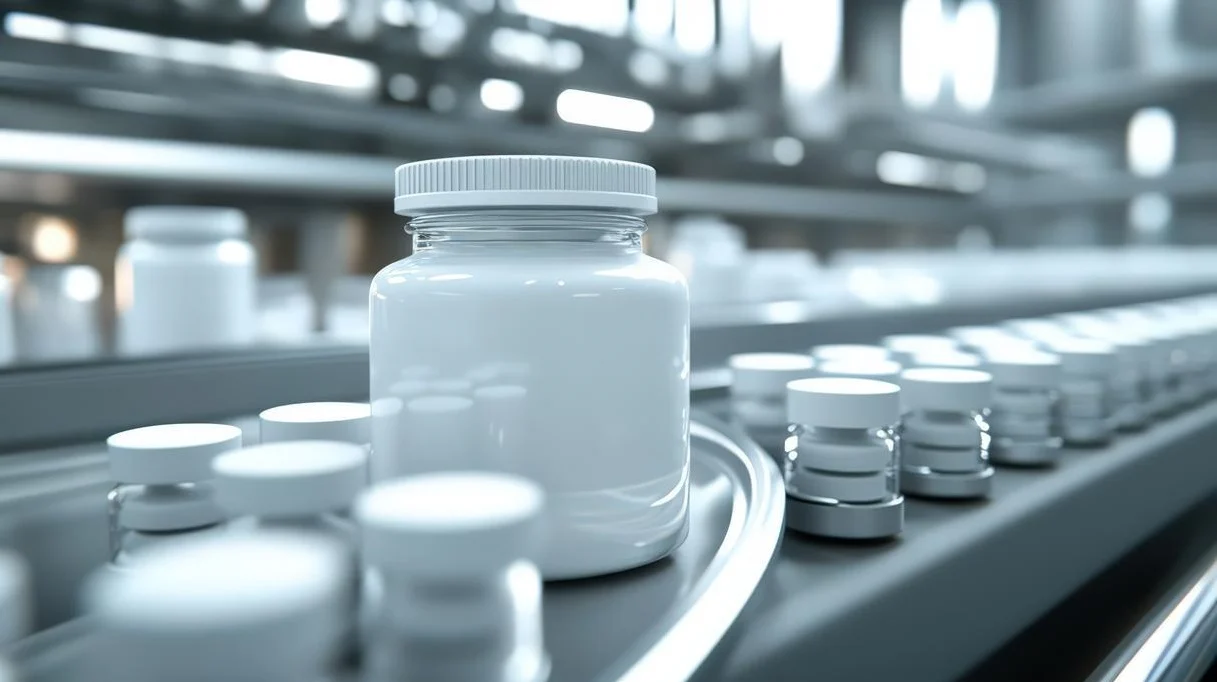
This one is everywhere in automotive and medical. It handles repeated bending without breaking—called fatigue resistance. Life hinges on pill bottles. Use this. It also shrugs off most chemicals. Common uses: car interior parts, medical syringes, food containers.
Polyvinyl Chloride (PVC)
PVC is versatile because you can formulate it in two ways.
- Rigid PVC is strong and weather-resistant. Used for pipes, window frames, and siding.
- Flexible PVChas plasticizers added. Used for tubing, wire insulation, and synthetic leather.
Polyethylene Terephthalate (PET)
You know this one from water bottles. It’s valued for two things. It’s crystal clear. And it provides an excellent barrier against moisture and oxygen, which is why food and drink packaging relies on it. Also used in polyester fibers.
Polystyrene (PS)
Two very different forms.
- Rigid PS is hard, clear, and brittle. Think disposable cutlery, CD cases, and clear containers.
- Foamed PSis expanded into Styrofoam. Insulation, packaging, coffee cups.
Engineering Plastics: PC and ABS
These go beyond commodity plastics. They offer better mechanical and thermal performance.
- Polycarbonate (PC)is incredibly tough and transparent. Used for bulletproof glass, safety goggles, and electronic components.
- ABS is rigid, impact-resistant, and easy to mold. Used for automotive trim, appliance housings, and LEGO bricks.
Here’s a summary table to compare them directly.
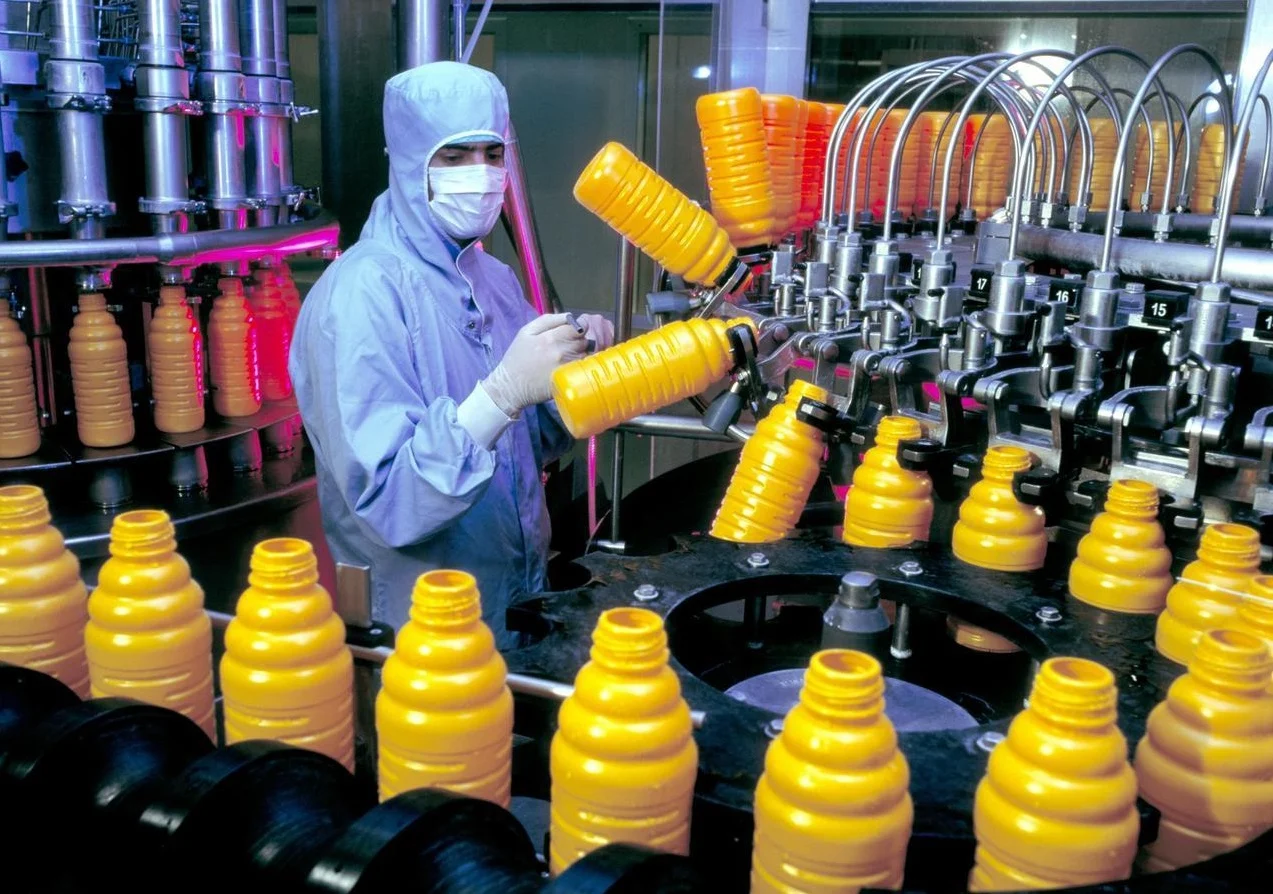
| Material | Key Properties | Common Applications |
| HDPE | Stiff, strong, chemical-resistant | Milk jugs, fuel tanks, cutting boards |
| LDPE | Flexible, soft, tough | Bags, squeeze bottles, tubing |
| PP | Fatigue-resistant, chemical-resistant | Live hinges, medical syringes, auto parts |
| Rigid PVC | Strong, weather-resistant | Pipes, window frames, siding |
| Flexible PVC | Soft, pliable | Wire insulation, medical tubing |
| PET | Clear, good barrier properties | Bottles, food packaging, polyester fibers |
| Polystyrene (Rigid) | Hard, clear, brittle | Cutlery, CD cases, containers |
| Polystyrene (Foam) | Lightweight, insulating | Packaging, coffee cups, insulation |
| Polycarbonate | Tough, transparent | Safety glasses, electronics, and glazing |
| ABS | Rigid, impact-resistant | Auto trim, appliance housings, toys |
The Shift Toward Sustainable Raw Materials
Things are changing. You have new options beyond virgin fossil-based plastics.
- Bio-based plastics come from renewable sources. PLA is made from corn or sugarcane and is compostable in industrial facilities. Others are “drop-in” solutions—chemically identical to conventional plastics but from biological sources. They process the same way on existing equipment.
- Recycled plastics are gaining ground. Post-consumer recycled material comes from items people used and discarded. Post-industrial recycled material comes from factory scrap—sprues, runners, rejected parts. Both reduce waste and carbon footprint.
The future is moving toward multiple sources. Virgin materials for critical applications where purity and performance are non-negotiable. Recycled materials for everything else. Bio-based options where end-of-life disposal is part of the design. Your choice increasingly involves sustainability alongside performance and cost.
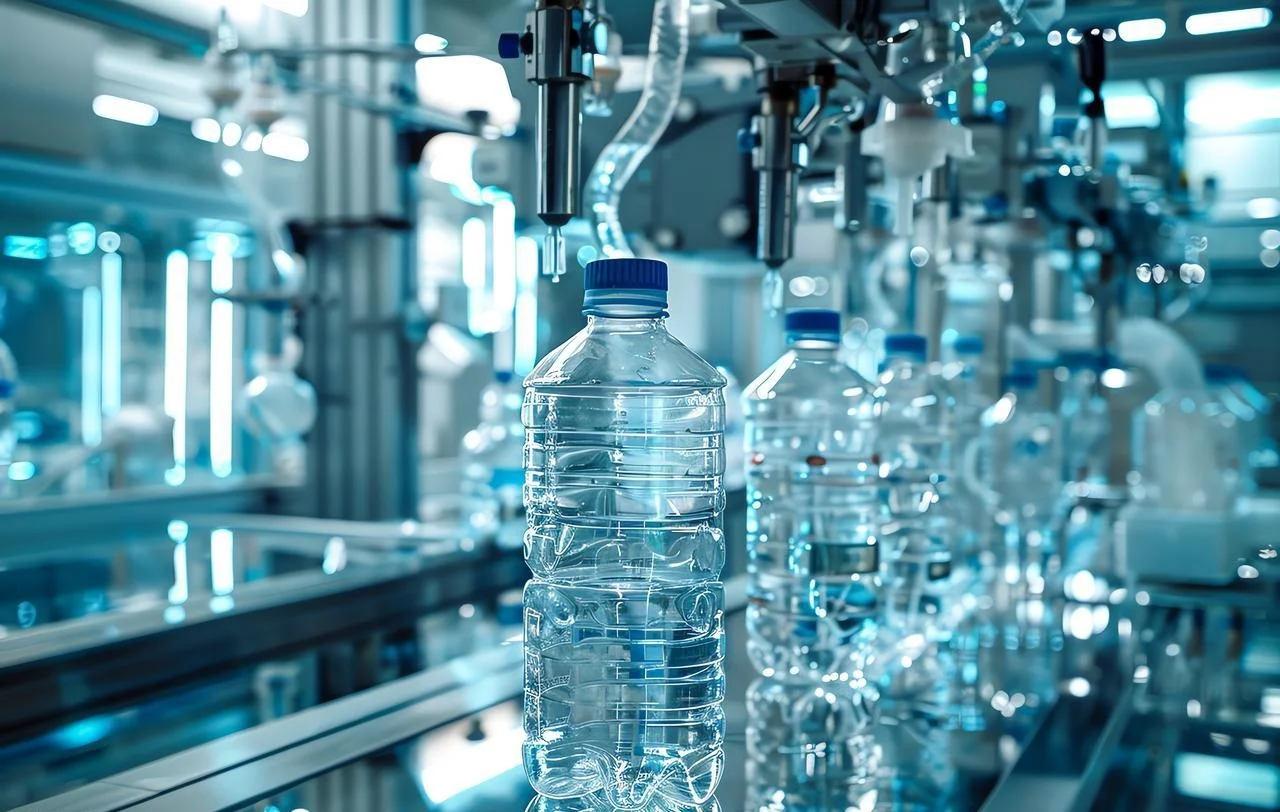
How to Enhance Plastic Properties During Production
Let’s get into how you actually change the material. This isn’t about picking a different plastic off the shelf. It’s about taking a base polymer and fundamentally altering its behavior.
Material Modification Strategies
Fiber Reinforcement for Strength and Heat Resistance
You add fibers to make plastic stronger and stiffer. The fibers carry the load. The plastic holds them in place.
- Glass fibers are the standard choice. They are cheap and effective. Add 30% glass to nylon, and you double its strength and boost its heat resistance dramatically. You see this in automotive fans, power tool housings, and underhood components.
- Carbon fibers are for high-end work. They are stiffer, lighter, and stronger than glass. They also conduct electricity. Used in aerospace, sporting goods, and any application where every gram matters.
- Natural fibers, like flax or hemp, are gaining ground. They are renewable, lightweight, and provide good stiffness. Used in interior auto panels and consumer goods where sustainability is a selling point.
One critical thing to know. Fiber-reinforced plastics are anisotropic. That means they are stronger in the direction the fibers align. Across the flow direction, they are weaker. You must design for this.
Filler Addition for Stiffness and Stability
Fillers are different from fibers. They are usually small particles, not long strands. They don’t create the same directional strength.
- Mineral fillers, like talc, mica, and calcium carbonate, are common. They are cheap and abundant.
- The benefits are straightforward. You increase stiffness. You improve dimensional stability—the part shrinks less and more uniformly. You reduce warpage.
- Unlike fibers, mineral-filled plastics are mostly isotropic. Their properties are similar in all directions. This simplifies design.
Polymer Blending for Toughness
Sometimes you mix two polymers. Each contributes its best trait.
Take PLA, which is biodegradable but brittle. Blend it with PBAT, a flexible bioplastic. The result is a tougher, more flexible material that still composts.
There’s a catch. Many polymers don’t like to mix. They separate like oil and water. This is where compatibilizers come in. ADR is one example. It acts like a chemical bridge, bonding the different polymers together so they form a stable blend.
Another advanced technique creates stereocomplex crystallites. This involves blending two forms of the same polymer with different molecular arrangements. They lock together, creating a material with much higher heat resistance than either alone.
For flexibility, you add plasticizers. These small molecules wedge between polymer chains, allowing them to slide past each other. This turns rigid PVC into flexible tubing.
Specialized Additives for Corrosion Resistance
Plastics don’t rust. But metal components near them do. Special additives solve this.
- Migrating Corrosion Inhibitors (MCIs)are added to the plastic. They slowly migrate to the surface and protect adjacent metal parts from rust. Used in automotive connectors and electronic enclosures.
- Acid scavengers, like hydrotalcite, protect the plastic itself. In polyolefins, catalyst residues can create acids during processing. These additives neutralize them, preventing degradation of the plastic and corrosion of processing equipment.
Advanced Molecular Editing
This is the frontier. Instead of just adding things to plastic, researchers are changing the polymer molecules themselves.
Chemical “polymer editing” techniques can transform waste plastics into entirely new materials. One example: taking tough, rigid plastics and chemically converting them into soft, stretchable materials with completely different properties.
This isn’t commercial at scale yet. But it points to a future where plastic isn’t just recycled—it’s upgraded into higher-value materials than what it started with.
Design and Processing Techniques
Let’s shift focus. Material changes are one thing. But how you shape the part and how you run the machine matter just as much. Sometimes more.
Smart Part Design for Inherent Strength
Good design builds strength from the start. You don’t need thicker walls. You need smarter geometry.
- Ribs and gussets are your first tools. A rib is a thin wall added to support a larger surface. It adds stiffness without adding massive thickness. Gussets are triangular supports at corners. They brace against bending forces. The principle is simple: use shape, not bulk.
- Fillets and radii curves at inside corners. Sharp corners concentrate stress. Under load, that’s where cracks start. A radius spreads that stress over a larger area. The part lasts longer. Always radius your corners.
- Wall thickness needs control. Thick sections cool slowly and shrink more. This creates sink marks on the surface. They look bad and can indicate internal voids. Keep walls as uniform as possible. If you must transition, do it gradually.
Here’s a visual comparison. Imagine two brackets. One has sharp inside corners, thick uneven walls, and no ribs. Under load, it cracks at the corner and sinks show on the surface. The other has generous radii, consistent wall thickness, and strategic ribs. It carries the same load without failing and looks clean coming out of the mold. Same material. Better design.
Advanced Structural Reinforcement
Sometimes basic ribs aren’t enough. You need extreme performance.
- High-tensile steel wire integration embeds metal strands directly into the plastic during molding. The steel carries tensile loads. The plastic provides shape and corrosion resistance. Used in automotive timing belts and high-pressure hoses.
- 3D carbon nanotube “nanocage” technology is next-level. Carbon nanotubes form a three-dimensional network throughout the plastic. This creates a material with incredible strength and conductivity. Research shows these composites can achieve flame resistance near 1000°C while maintaining structural integrity. Not common yet. But coming.
Surface Pretreatments for Enhanced Properties
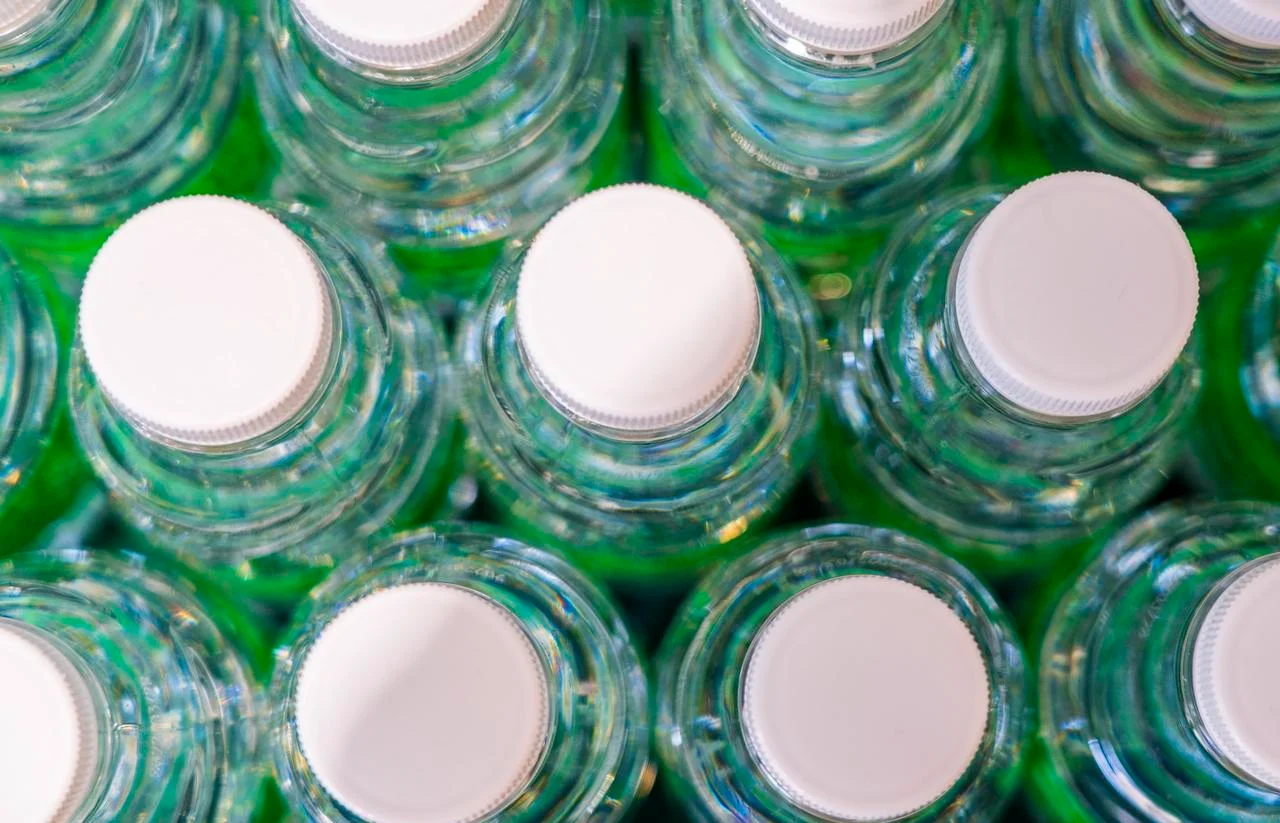
The surface matters. Many plastics are chemically inert. Paint won’t stick. Glue won’t bond. You have to change that.
- Plasma treatment uses ionized gas. It cleans the surface at a molecular level. More importantly, it adds functional chemical groups that create bonding sites. The result is a surface ready for adhesives or coatings. Common in medical devices and electronics.
- Corona treatment uses high-voltage electricity. It creates a discharge that oxidizes the plastic surface. This increases surface energy. Inks, paints, and adhesives wet out better and stick permanently. Used extensively on plastic films and packaging.
- Flame treatment passes the part through a controlled flame. The heat burns off contaminants. The oxidation modifies the surface chemistry. It’s fast. It covers large areas. Used for automotive parts and containers before printing or painting.
All three methods do the same thing: they turn an inert plastic surface into one that accepts coatings. Without this step, your paint peels and your glue fails. With it, the bond lasts.
Post-Processing Techniques for Plastic Parts
What Is Post-Processing and Why Is It Important?
Post-processing is everything you do after the plastic is formed. The molding step creates the blank canvas. Post-processing turns it into a finished product.
The goals vary by part. Sometimes it’s about looks—making the surface smooth and glossy. Sometimes it’s about function—adding a coating that resists chemicals. Sometimes it’s about assembly—creating a surface that glue sticks to. All of it matters. Skip post-processing, and you have a rough, unfinished piece that fails in the field.
Surface Finishing and Aesthetics
This is where you make the part look like something a customer wants to touch and use.
Coating and Painting
Paint does more than add color. It protects the plastic underneath.
- Spray painting is the standard. Automated guns apply a fine mist of paint. Used for automotive trim, electronics housings, and consumer goods. Consistent and fast.
- Dip coating submerges the part in liquid coating. It covers everything evenly, including complex shapes. Used for tool handles, grips, and parts needing complete coverage.
- UV protection coatings block sunlight. Without them, many plastics yellow and crack outdoors. A clear UV coating extends part life dramatically.
- Scratch-resistant coatings add hardness. Polycarbonate lenses and phone screens use these. The coating takes the abuse, not the soft plastic underneath.
Vapor Polishing
Solvent vapor can do what sanding cannot.
You expose the part to vapor from a solvent like acetone or methylene chloride. The vapor condenses on the surface and slightly dissolves the outer layer. Surface tension pulls it smooth as it rehardens.
Works best on ABS, polycarbonate, and acrylic. The result is a high-gloss, mirror-like finish. Transparent parts become clearer. Surface scratches disappear. No mechanical contact means no dust or contamination.
Plating
You can make plastic look and act like metal.
- Electroplating uses electricity to deposit metal ions onto the surface. But plastic doesn’t conduct. So you first apply a conductive layer, then electroplate. Chrome-plated plastic is everywhere—auto grilles, faucets, appliance trim.
- Electroless plating uses chemical reactions instead of electricity. It deposits metal evenly, even on complex shapes and inside holes. Nickel plating this way provides wear resistance and a base for further coatings.
- The result is a plastic part with metallic surface properties. Lightweight like plastic, shiny like metal. Used for decorative trim and functional components needing conductivity or wear resistance.
Printing and Labeling
Information has to go on the part. Controls, logos, instructions.
- Pad printing transfers ink using a soft silicone pad. It prints on irregular, curved, or textured surfaces. The pad conforms to the shape. Used for keyboard keys, medical devices, and toys.
- Screen printing pushes ink through a mesh stencil. Works on flat or slightly curved surfaces. Gives thick, opaque, durable prints. Used for control panels, nameplates, and containers.
- Heat-transfer labeling applies a pre-printed design using heat and pressure. The label bonds permanently to the plastic. great detail and full color. Used for cosmetic packaging, consumer electronics, and sporting goods.
Each method serves a purpose. Pick based on part geometry, production volume, and how permanent the marking needs to be.
Surface Preparation and Texture Modification
Media Blasting (Bead Blasting)
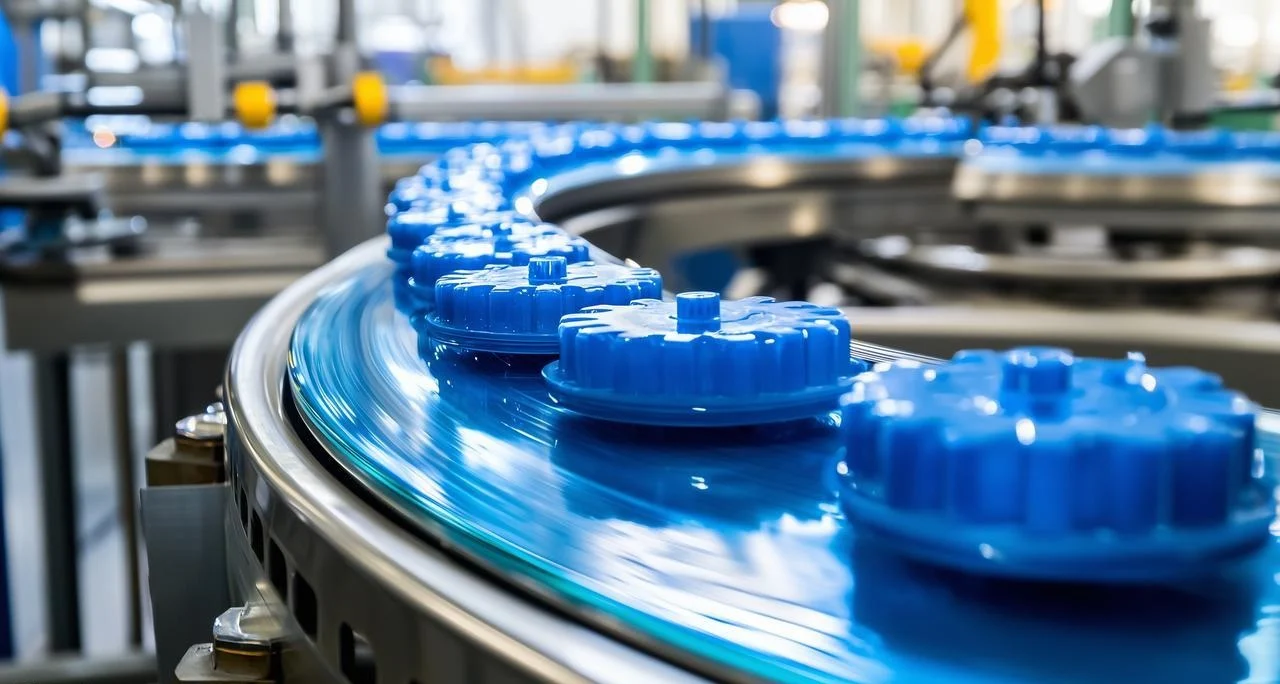
You blast the part with small particles under pressure. The media type changes the result.
- Sandi is aggressive. Strips heavy material, cleans off old coatings. Use on tough parts.
- Glass beads are gentle. Clean without removing base material. Leave a smooth, satin finish.
- Walnut shells are soft. Won’t damage surfaces. Good for cleaning molds or delicate parts.
The applications are straightforward. Clean off residue. Create a uniform matte finish. Or roughen the surface so paint and glue have something to grip.
Tumbling
You put a batch of small parts in a barrel or vibrating bowl. Media and parts rub together.
- Vibratory tumbling uses a vibrating tub. Parts and media move in a constant flow. Good for deburring, edge rounding, and surface smoothing.
- Rotary tumbling uses a rotating barrel. Slower but more aggressive. Works for larger batches.
The result is consistent across all parts. Burrs gone. Sharp edges rounded. Surface is uniformly finished. Perfect for high volumes of small components.
Assembly and Joining Methods
Plastic Welding Techniques
You can weld plastic like metal. Heat and pressure fuse parts.
- Ultrasonic welding uses high-frequency vibration. The parts rub together at the joint line. Friction generates heat. The plastic melts and bonds. Cycle time is seconds. No adhesives, no fasteners.
- Vibration welding uses linear motion. One part vibrates against the other under pressure. Friction melts the interface. Used for larger parts like automotive intake manifolds.
- Hot plate welding presses parts against a heated plate. Surfaces melt. Plate retracts. Parts press together and cool. Simple, reliable, works on many plastics.
Here’s how they compare.
| Method | Best For | Cycle Time | Equipment Cost | Joint Design |
| Ultrasonic | Small parts, precision joints | 1-3 seconds | Moderate | Energy director needed |
| Vibration | Large parts, irregular shapes | 5-15 seconds | High | Flat mating surfaces |
| Hot Plate | Simple geometries, any size | 10-30 seconds | Moderate | Flat contact area |
Adhesive Bonding
Sometimes welding won’t work. Different plastics. Plastic to metal. Complex shapes. That’s when you use glue.
- Epoxies are strong and gap-filling. Two parts mix and cure. Structural bonds that last.
- Cyanoacrylates are instant glues. Cure in seconds with moisture. Good for small assemblies and quick fixes.
- Structural acrylics are tough and flexible. Bond oily surfaces without perfect cleaning. Used in automotive and industrial assembly.
The key is surface prep. Clean the parts. Sometimes roughen them. Often use a primer. Adhesives need a surface that wants to bond.
Mechanical Fastening
Sometimes you just need a screw or a clip.
- Snap-fits are designed into the part. Flexible arms lock into place. Assembly is fast. No tools, no extra parts.
- Screws and bolts need bosses in the plastic. Design them with enough material around the hole. Otherwise, the plastic cracks.
- Rivets are permanent. Quick to install. Used where disassembly isn’t needed.
- Inserts go into the plastic after molding. They provide metal threads that survive repeated assembly. Heat staking or ultrasonic insertion are common methods.
Each method has its place. Weld for permanent bonds with no extra material. Glue for dissimilar materials or complex geometries. Fasten when you need to take it apart later. Choose based on your production volume and service requirements.
Functional Property Enhancement
Annealing
Plastics hold internal stress after molding. Molecules frozen in place, stretched and strained. Over time, that stress releases. Parts warp. Cracks appear.
Annealing fixes this. You heat the part slowly to just below its melting point. Hold it there. Then cool it slowly. The molecules relax and rearrange into a more stable state.
The benefits are real. Stress disappears. Dimensions stabilize. The part won’t change shape weeks later on a shelf or in a hot car. Warping stops. Cracking at stress points becomes far less likely.
Critical for precision parts. Gears. Housings with tight tolerances. Any component that sees temperature changes in service.
Heat Treatment for Advanced Properties
Sometimes you need more than stress relief. You need to fundamentally change the material.
Research shows you can form carbon nanotube cages within the plastic structure. Controlled heating creates a three-dimensional network at the molecular level. This isn’t just adding fibers. It’s growing reinforcement from within.
The results are dramatic. Glass transition temperature can increase by hundreds of degrees. Some treated plastics withstand near 1000°C without burning. Used in aerospace, defense, and extreme environments where standard plastics would melt or decompose.
Not common yet. But it’s coming. And it changes what plastic can do.
Surface Treatment for Adhesion
Paint peels. Glue fails. Labels fall off. The problem isn’t the coating. It’s the surface.
Plastics are chemically inert. They have low surface energy. Liquids bead up instead of wetting out. Nothing sticks.
Plasma treatment solves this. Ionized gas bombards the surface. It cleans at the molecular level. More importantly, it grafts new chemical groups onto the plastic. These groups create bonding sites.
Surface energy increases dramatically. Water spreads instead of beading. Paint chemically bonds instead of sitting on top. Adhesive strength multiplies.
Critical before painting, printing, or bonding. Without it, your coating is temporary. With it, the bond lasts.
Support Removal and Refinement
3D Printed Part Post-Processing
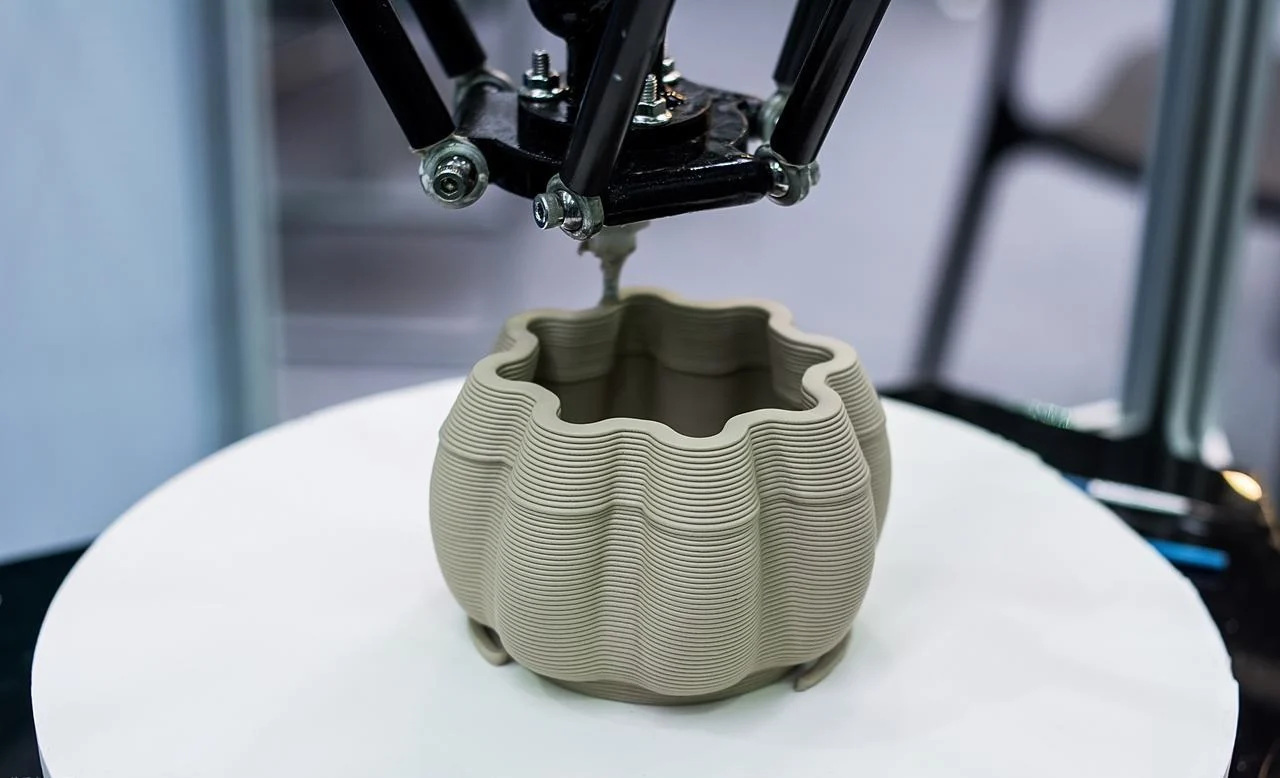
Additive printing leaves evidence. Supports hold up overhangs during printing. Afterward, they must go.
- Breaking away is simplest. Snap supports off by hand or with tools. Works for most materials. Leaves small marks where supports touched.
- Dissolvable supports use a second material. Print in a water-soluble filament. Drop the part in water or a mild solution. Supports disappear. No marks, no manual work.
- Sanding and smoothing follow support removal. Layer lines need attention. Sand progressively finer grits. Use vapor smoothing for ABS or polycarbonate. The goal is a surface that doesn’t look printed.
Secondary Machining
Molding can’t do everything. Some features need cutting after the part exists.
- Drilling precise holes corrects draft angle issues. Molding creates tapered holes. Drilling makes them straight and accurate.
- Tapping threads adds screw threads. Molding fine threads is hard. Drill and tap afterward for precision.
- Undercuts and complex features sometimes can’t be molded at all. Machine them after. Use CNC or manual mills to add what the mold couldn’t create.
Secondary machining adds flexibility. You mold a simpler part. Then you add complexity only where needed. Saves tooling cost. Allows late-stage design changes.
Conclusion
Integrating All Three Pillars
Think of plastic part development as a three-stage process. You can’t skip any stage and still get a quality result.
Material selection sets the baseline. It defines what’s possible. Choose polypropylene, and you get chemical resistance and flexibility. Choose polycarbonate, and you get toughness and clarity. The material decides your starting point. Everything after builds on this foundation.
Enhancement modifies properties. Add glass fibers, and the part stiffens. Blend in rubber, and it toughens. Design ribs and it carries higher loads. This stage pushes the material beyond its native capabilities. It turns a general-purpose plastic into an engineered component.
Post-processing delivers the finished product. Paint adds color and UV protection. Welding creates assemblies. Surface treatment ensures bonds last. This stage transforms a molded shape into a functional part ready for the customer.
Each pillar depends on the others. Perfect material choice means nothing if post-processing fails. A brilliant enhancement is wasted if the base material is wrong. You need all three.
Future Trends in Plastics Technology
Things are moving fast. Here’s what’s coming.
Sustainable materials are growing. Bio-based plastics from renewable sources. Recycled content in more applications. Materials designed for circularity rather than single use. The shift is real and accelerating.
Advanced nano-enhancements are emerging. Carbon nanotubes are creating super-strong composites. Nano-fillers add properties without weight. Molecular editing transforms waste into high-value materials. Performance levels that seemed impossible a decade ago are now reachable.
Automation in post-processing is expanding. Robotic painting and finishing. Automated inspection. In-line surface treatment. Post-processing has been manual for too long. That’s changing. The factory of the future handles finishing as seamlessly as molding.
Why Choose NOBLE for Your Plastic Manufacturing Needs
Company Overview
NOBLE builds plastic parts. That’s the simple version. The fuller picture is this: we take your design and turn it into a finished component that meets specs, passes inspection, and performs in the field. Quality is a slogan here. It’s built into every step.
Certified Quality Management
Certifications matter because they prove consistency. Anyone can claim quality. Documentation shows you actually deliver.
- ISO 9001:2015is the baseline for any serious manufacturer. It means we have systems in place. We track processes. We correct problems. We improve over time. You get reliable parts, not surprises.
- ISO 13485:2016is specific to medical devices. It’s tougher. It demands traceability. Every batch, every material, every step documented. If you’re making medical components, this isn’t optional. It’s required.
What these mean for you is simple. Traceability in case something goes wrong. Consistency part to part. Compliance with the regulations your industry requires.
Our Expertise
We know materials. Not just names and datasheets. Real behavior in molds, under load, over time. We apply enhancement techniques that push base polymers beyond their off-the-shelf limits. Our post-processing capabilities cover finishing, welding, coating, and assembly. And engineering support runs from your first sketch through production ramp-up.
Why Partnership with NOBLE Delivers Results
You get parts that work. Defects cost time and money. Our focus on quality cuts both. Medical-grade capabilities let you manufacture components that meet strict standards without switching vendors later. And customer satisfaction isn’t abstract. It means we answer calls, solve problems, and deliver when promised.
FAQs
What is the strongest type of plastic?
Strongest depends on what you mean. For impact strength, polycarbonate is hard to beat. It bends before it breaks. For tensile strength, look at reinforced materials. Nylon or polypropylene with 30-40% glass fibers rivals some metals. Carbon fiber reinforcement pushes it even higher. The base resin matters less than what you add to it.
Can all plastics be recycled?
No. Thermoplastics can be melted and reformed. Recyclable. Thermosets undergo a permanent chemical change during curing. Heat them again, and they burn, not melt. Not recyclable in the traditional sense. Look for recycling symbols. Numbers 1-7 tell you the resin type. But numbers don’t guarantee your local facility actually accepts it.
What is the difference between thermoplastics and thermosets?
Thermoplastics soften with heat and harden when cool. You can do this repeatedly. Think chocolate. Melt it, shape it, and it hardens. Melt it again. Common examples: ABS, polypropylene, nylon.
Thermosets are a one-time deal. Heat triggers a chemical reaction that cross-links the polymer chains. Once set, you can’t remelt them. Heat them too much, and they char. Think egg. Cook it, and it solidifies. Can’t uncook it. Common examples: epoxy, phenolic, melamine.
How do you make plastic more heat-resistant?
Three ways. First, choose a heat-resistant base material. Engineering plastics like PEEK, PEI, or high-temperature nylons handle more than commodity plastics. Second, add reinforcement. Glass fibers, carbon fibers, or nanotubes raise the heat deflection temperature significantly. Third, use annealing. Controlled heating and slow cooling relieve internal stress and improve dimensional stability at elevated temperatures. Often, you combine all three.
Is post-processing necessary for all plastic parts?
No. Many parts work fine as-molded. Internal components, hidden brackets, and disposable items often need nothing beyond degating. But if the part is visible, handles, or assembles with others, or faces harsh environments, post-processing becomes essential. Aesthetics, assembly, and performance requirements determine necessity. Not every part needs paint. Every part needs inspection.
What is the most common plastic post-processing method?
Trimming and deburring. Every molded part has some excess material. Sprue remnants. Gate vestiges. Flash at parting lines. Removing these is nearly universal. After that, decoration methods like printing, painting, or plating are common for visible parts. But the simple act of making the part clean and burr-free happens on almost everything.
Can plastic be painted?
Yes, but not directly. Most plastics have low surface energy. Paint beads up and peels off. You must prepare the surface first. Plasma treatment, corona treatment, flame treatment, or chemical primers increase surface energy and create bonding sites. After that, use paints formulated for plastics. Flexible acrylics, polyurethanes, or two-part epoxy paints. Without surface preparation, paint fails. With it, paint becomes permanent.