A thermal block manages heat transfer. It cools electronics or insulates buildings. The right material and process decide performance, cost, and lifespan. Poor material choices cause failures. A server CPU without proper thermal management overheats. That costs data centers thousands daily. The right thermal block prevents this.
Every thermal application demands specific material properties. Aluminum conducts heat well. Ceramics isolate electrically. Concrete stores thermal mass. Each material needs a matching manufacturing method. Extrusion works for metals. Sintering suits ceramics. Block forming fits concrete. Thermal block manufacturing connects material science to real-world needs. NOBLE, a leading partner in China, guides this process. Their engineers match material to application. They consider thermal conductivity, thermal insulation, and thermal expansion together. Material selection drives every design decision. The right material saves money. Understanding material behavior prevents costly redesigns. Every material option carries trade-offs. Good thermal performance requires balance.
Role of Thermal Blocks
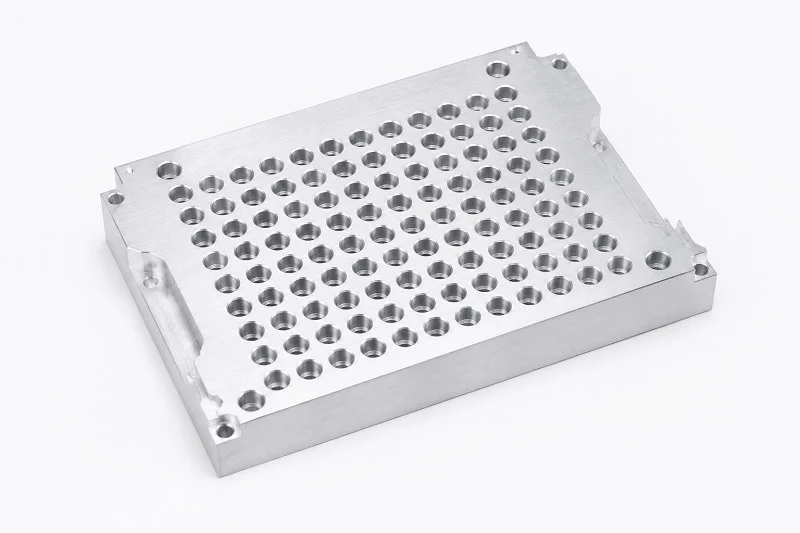
A thermal block moves heat or stops it. The block takes heat away from hot parts. It stores heat for later use. Or it keeps heat from moving. The main idea is thermal resistance. Low resistance means heat moves fast. High resistance means good insulation. Every thermal block design balances these needs. The right material makes this balance work. Design starts with knowing the heat path.
Heat Transfer and Thermal Resistance
Heat moves in three ways. Conduction passes heat through solids. Metal blocks use conduction for cooling. This works well for high-power electronics. Convection moves heat through air or water. Some blocks have fins for airflow. This adds cooling efficiency. Insulation traps air pockets. This slows heat down. The material choice decides the method.
Each material has a different thermal conductivity for heat transfer efficiency. Copper has very high conductivity. It pulls heat fast. Aluminum costs less but still works well. These metals are common in thermal management design. Ceramics conduct heat but block electricity. This matters for high-power systems. High-power electronics need electrical isolation. Ceramics provide that. These materials form the base of any thermal management system. High-power thermal management needs careful material selection. Electronic devices create a lot of heat.
Electronic vs. Building Applications
Electronic thermal management and building insulation serve different goals. High-power electronics need fast cooling. A CPU can overheat in seconds. The thermal management system must remove heat quickly. Copper and aluminum work best here. They have high conductivity. Building applications need steady insulation. A house heats up slowly. Concrete stores thermal mass. Aircrete traps air for insulation. The performance requirements split these two fields.
High-power electronics demand speed. The design must move heat away fast. Building insulation needs steady performance. The design must hold temperature over hours. The cost also differs. High-power applications use expensive materials. Building applications use cheaper options. The thermal management design affects the final cost. Good design saves money.
High-power electronics need careful thermal management design. The wrong material causes failure. Building blocks need a good management system. The savings prove it. Good insulation saves homes money each year. The table shows the numbers.
| Metric | Value |
| Heating Savings | 40–60% reduction in heating costs |
| Cooling Savings | 25–40% reduction in cooling costs |
| Total Energy Reduction | 30–50% overall energy consumption decrease |
| Annual Energy Savings (USD) | $800–$2,500 for typical homes |
These numbers show the value of good material selection. The right materials and process save money over time. The same logic applies to high-power systems. Good thermal management reduces failure rates. It improves performance.
The thermal management applications for blocks cover many fields. High-power systems need cooling blocks. Buildings need insulation blocks. Each application uses a different material. Some use polymers with fillers. These polymers add flexibility. Others use concrete or ceramics. The process choice follows the material. The process affects cost. Simple processes cost less. Complex processes cost more.
Every thermal block design starts with the application. The materials, process, and cost all depend on the use case. These factors guide selection. NOBLE, a leading manufacturing partner in China, helps with this selection. Their engineers match materials to application. They consider thermal conductivity, cooling needs, and cost together. This sets the stage for the next step.
Materials in Thermal Block Manufacturing
Material selection drives every thermal block manufacturing decision. The right material determines performance, cost, and lifespan. Each option brings unique strengths. Let’s explore the main categories.
Metals and Ceramics
Aluminum and Copper Alloys
Aluminum alloys dominate thermal management. They offer excellent thermal conductivity at reasonable cost. Aluminum Alloy 6061 delivers 154 W/m·K. The T6 temper variant reaches 152 W/m·K. These numbers matter for cooling applications. Copper conducts even better. It pulls heat faster than aluminum. But copper costs more. It also weighs more. Design teams weigh these trade-offs daily.
| Material | Thermal Conductivity (W/m·K) |
| Aluminum Alloy 6061 | 154 |
| Aluminum Alloy 6061-T6 | 152 |
Aluminum suits most electronic cooling needs. It machines well. It extrudes easily. It accepts surface treatments. Copper appears when performance demands it. High-power systems often use copper blocks. The material selection process starts with heat load. Then comes budget. Then comes weight limits.
Advanced Ceramics (AlN, SiC, Al2O3)
Ceramics solve a different problem. They conduct heat but block electricity. This matters for high-power electronics. Aluminum nitride (AlN) stands out. Its thermal conductivity reaches 100-115 W/m·K at room temperature. That’s impressive for a ceramic. Silicon carbide (SiC) also performs well. Alumina (Al2O3) offers lower conductivity but costs less.
Ceramic manufacturing requires special steps. Powder preparation comes first. Then forming. Then drying. Then debinding. Then calcination. Finally sintering. Each step affects the final performance. Sintering bonds particles together. The process demands precise temperature control. The result is a dense, strong block.
Ceramics resist high temperatures. They resist corrosion. They provide electrical isolation. These properties make them valuable. High-power systems need isolation. Ceramics deliver it without sacrificing thermal transfer.
Concrete, Aircrete, and Graphite
Thermal Mass and Insulation Properties
Building applications use different materials entirely. Concrete stores thermal mass. It absorbs heat during the day. It releases heat at night. This natural cycle stabilizes indoor temperatures. Dense concrete works well for this purpose.
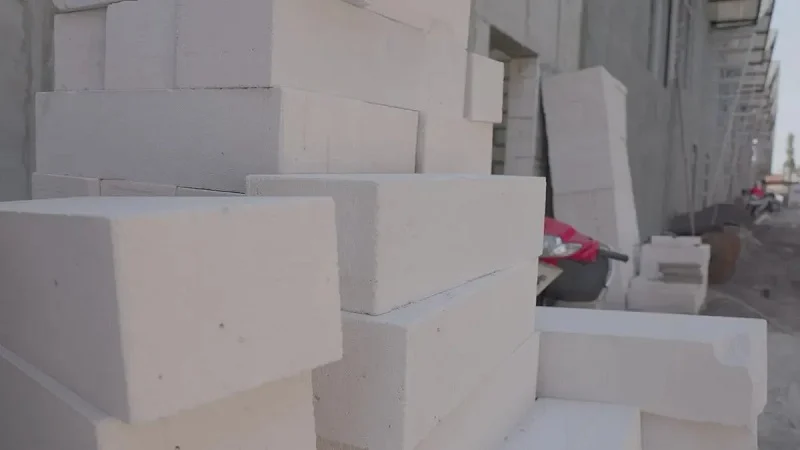
Aircrete offers something different. It traps air pockets within its structure. These pockets slow heat transfer dramatically. Aircrete insulates about 10 times better than dense concrete. That’s a massive difference. Builders choose aircrete for walls and floors. It keeps homes warm in winter. It keeps them cool in summer. The efficiency gains translate to real savings.
The material selection for buildings depends on climate. Hot climates need thermal mass. Cold climates need insulation. Some designs combine both. The manufacturing process for concrete blocks involves forming. Wet mix goes into molds. The blocks cure over time. Aircrete adds a foaming agent. This creates the air pockets.
Graphite for High-Temperature Use
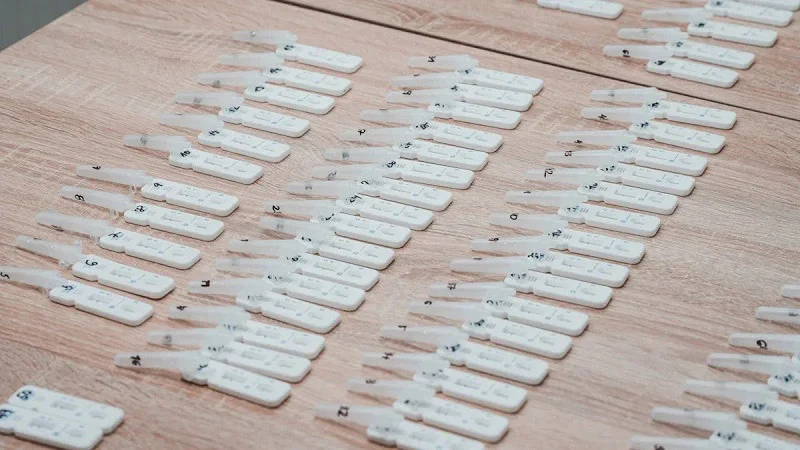
Graphite handles extreme conditions. It survives temperatures that destroy metals. It conducts heat well. It also lubricates naturally. Graphite production involves mixing and forming. The material compresses into blocks. These blocks serve industrial furnaces. They line high-temperature chambers. They transfer heat evenly.
Graphite’s thermal performance stays stable at high temperatures. Metals lose strength when hot. Graphite holds up. This makes it valuable for specialized applications. The manufacturing process must control density. Uniform density means uniform performance.
Polymers and Composites
Filled Thermoplastics and Metal Matrix Composites
Polymers offer design freedom. They mold into complex shapes. They resist corrosion. They weigh less than metals. But standard polymers insulate. Their thermal conductivity ranges from 0.1 to 0.5 W/m·K. That’s far below metals.
Filled thermoplastics change the picture. Manufacturers add conductive fillers. Graphite, aluminum, or ceramic particles boost conductivity. Values can exceed 1.5 W/m·K. Specific examples show the range:
- Polypropylene (PP) with ~20 wt% graphite: <1 W/m·K
- Polyamide (PA) with ~20 wt% graphite: ~1.16 W/m·K
- Polycarbonate (PC) with ~20 wt% graphite: ~1.48 W/m·K
These filled polymers work for many applications. They replace metal in some designs. They cut weight. They cut cost. They simplify manufacturing. The trade-off is lower thermal performance. But for moderate heat loads, they work fine.
Metal matrix composites combine the best of both worlds. Aluminum silicon carbide (AlSiC) is a prime example. It offers a coefficient of thermal expansion below 10 ppm/°C. This ensures dimensional stability across temperature changes. The material stays stable. Components mounted on it stay aligned. This matters for precision electronics.
The manufacturing process for composites varies. Some use casting. Others use powder metallurgy. Each method affects the final properties. Material selection for composites requires careful analysis. The filler type matters. The filler percentage matters. The bonding method matters.
NOBLE, a leading manufacturing partner in China, guides these choices. Their engineers match materials to applications. They consider thermal transfer needs. They consider cost constraints. They consider manufacturing capabilities. This holistic approach prevents costly mistakes.
The thermal interface materials market reflects this complexity. These materials fill gaps between components. They improve thermal transfer across joints. They come in many forms. Pads, pastes, and phase-change materials. Each serves a specific purpose. The right choice depends on pressure, temperature, and surface finish.
Design teams must think about the entire thermal path. The block matters. The interface matters. The mounting method matters. Every link in the chain affects performance. Good design optimizes the whole system.
The cost of materials varies widely. Aluminum costs less than copper. Ceramics cost more than polymers. Graphite sits in the middle. The manufacturing process adds another layer. Extrusion costs less than sintering. CNC machining costs more than casting. These factors combine to determine final part cost.
Performance testing validates material choices. Thermal conductivity measurements confirm specifications. Density checks verify consistency. Porosity tests catch defects. These quality checks protect the final application.
The applications for thermal blocks keep growing. Electric vehicles need battery cooling. Data centers need server cooling. Buildings need better insulation. Each application demands specific material properties. The material selection process must adapt.
Manufacturing capabilities also evolve. New processes enable new designs. Additive manufacturing creates complex geometries. Better sintering produces denser ceramics. Improved molding handles new polymers. These advances expand the design space.
The efficiency of a thermal block depends on many factors. Material conductivity matters. So does geometry. So does surface finish. So does the interface between components. Design teams must consider all these factors together.
Thermal block manufacturing connects material science to real products. The process transforms raw materials into functional components. Each step requires care. Each step affects the final result. Good manufacturing produces consistent quality. Consistent quality produces reliable performance.
Key Manufacturing Processes for Thermal Blocks
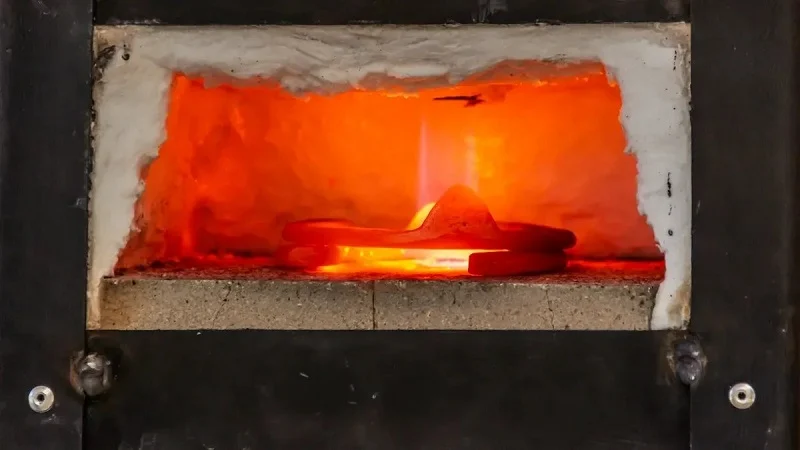
The way we make thermal blocks turns raw materials into useful parts. Each method has its own strengths and limits. The right choice depends on the material, the shape, and how many parts we need. Knowing these methods helps design teams pick wisely.
Metal Machining Methods
Extrusion
Aluminum extrusion is a common way to make thermal blocks. Heated aluminum is pushed through a shaped die. This creates a long piece with the same shape all the way through. Heat sink fins are made this way every day. But extrusion has limits. Fins cannot be thinner than about 1.0–1.5 mm. The metal cannot flow that thin. Thinner walls might tear or not fill. Design teams must follow this rule. They can change fin spacing or height instead.
Die Casting
Die casting is another option. Molten metal is shot into a steel mold under high pressure. This method works well for complex shapes. It makes parts with thin walls and small details. Die casting is good for making many parts. The tooling costs more at first. But the cost per part drops a lot when making many. Aluminum and zinc alloys work best here. This method gives consistent size across thousands of parts.
CNC Machining
CNC machining gives the highest precision. A cutting tool removes material from a solid block. This method can make very tight tolerances and smooth surfaces. For copper thermal blocks, CNC machining can reach Ra 0.8 μm on soft pure copper. That smooth finish needs sharp tools and special finishing passes. Chip removal is also important. Standard milling gives Ra 3.2 μm, which is fine for structural parts but not for thermal contact surfaces. The smoother finish helps heat move better between parts. CNC machining costs more per part. But for prototypes and small runs, it often makes sense.
Specialty Processes
Concrete
Concrete thermal blocks are made by a forming process. Wet mix is poured into molds. The blocks harden over time. Aircrete adds a foaming agent to create air pockets. These pockets trap air and slow heat transfer. The process must control density carefully. Uniform density means each block insulates the same way.
Ceramic
Ceramic manufacturing takes more steps. First, powder is prepared. The powder must have consistent particle size. Then forming shapes the powder. Drying removes moisture. Debinding burns off organic binders. Calcination prepares the material for densification. Finally, sintering bonds particles together at high temperatures. Each step affects the final performance. Sintering needs precise temperature control. The result is a dense, strong ceramic block with good thermal properties.
Graphite
Graphite blocks use a different method. Isostatic pressing applies uniform pressure from all directions. A liquid medium transmits this pressure. This process compacts fine-grain graphite powder much better than one-direction pressing. Internal voids shrink. Density becomes consistent throughout the block. Isostatic graphite usually reaches 1.75 to 1.90 g/cm³. This high density directly improves thermal conductivity. Fewer pores mean better contact between particles. Heat flows through a more direct path. The density deviation stays under 0.02 g/cm³, far better than traditional molded products. Porosity can be controlled between 8% and 15%. This precision makes isostatic graphite good for high-performance uses.
Advanced Techniques
DMLS
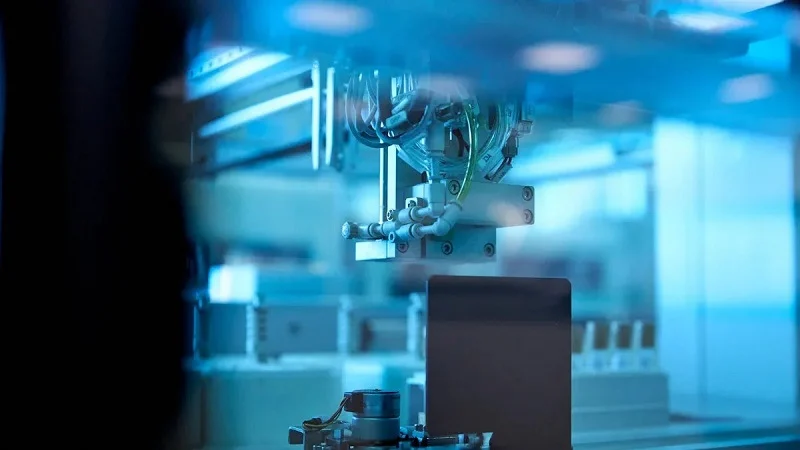
Additive manufacturing opens new design possibilities. Direct Metal Laser Sintering (DMLS) builds parts layer by layer. A laser melts metal powder in precise patterns. This process creates internal channels that traditional methods cannot make. Conformal cooling channels follow the shape of the part. They improve cooling efficiency a lot. DMLS works well for complex shapes and low-volume production. The cost per part is higher. But the design freedom often makes it worth it.
Binder Jetting
Binder jetting offers another additive route. This process deposits a liquid binder onto powder layers. The binder holds the powder together. A sintering step follows to densify the part. Binder jetting handles ceramics and metals. It makes parts faster than DMLS. The surface finish is rougher, though. Post-processing may be needed for thermal contact surfaces.
Multi-Axis Machining
Multi-axis CNC machining pushes subtractive manufacturing further. Five-axis machines cut complex shapes in a single setup. This reduces errors and shortens lead times. The process suits copper and aluminum blocks with intricate features. It also handles composite materials. The combination of additive and subtractive methods often gives the best results. Additive creates the near-net shape. CNC finishes the critical surfaces.
Material selection guides the process choice. Aluminum works with extrusion, die casting, and CNC. Ceramics need sintering. Graphite needs isostatic pressing. Each process affects the final cost. Simple processes cost less. Complex processes cost more. The production volume matters too. High volumes justify expensive tooling. Low volumes favor flexible methods.
NOBLE, a leading manufacturing partner in China, guides these decisions. Their engineers match materials to manufacturing processes. They consider thermal performance, cost, and production volume together. This holistic approach prevents costly redesigns. The right process saves money and improves reliability. Thermal block manufacturing connects material science to real-world applications. The process choice determines whether a design succeeds or fails.
Quality Control and Testing
Quality control separates dependable thermal blocks from those that may fail. Every block leaving a factory must be checked. The testing process looks at three things: material properties, physical dimensions, and real-world performance. Each step catches different problems. Together, they make sure the final product works as intended.
Material Property Verification
Material checks start with thermal conductivity. The ASTM E1225 standard gives a trusted way to measure this property. The test compares heat flow through a known reference material against the sample. The result tells engineers if the material meets specifications. A block with lower conductivity than expected will not perform well in the application.
Density checks reveal consistency issues. Manufacturers weigh samples and measure their volume. The calculation gives density in grams per cubic centimeter. For graphite blocks, density directly affects thermal performance. Higher density means fewer internal voids. Those voids trap air and slow heat transfer. Porosity testing goes further. It measures the percentage of space inside the material. Porous materials insulate better but conduct heat worse. The right balance depends on the application. NOBLE, a leading manufacturing partner in China, runs these tests on every production batch. Their quality team records results for each lot.
Dimensional and Surface Inspection
Physical dimensions matter for thermal blocks. A block that fits poorly transfers heat poorly. Coordinate Measuring Machines (CMM) check key dimensions with high precision. The machine probes multiple points on the surface. It compares measurements against the CAD model. Tolerances for thermal blocks often fall within a few hundredths of a millimeter.
Surface finish affects thermal contact. Rough surfaces trap air pockets at the interface. Those pockets add thermal resistance. Optical profilometry measures surface texture without touching the part. It uses light to map the surface profile. The result gives an Ra value, which measures average roughness. For copper thermal blocks, CNC machining can achieve Ra 0.8 μm. Standard milling gives Ra 3.2 μm. The smoother finish improves heat transfer across the joint. Design teams specify roughness based on the application needs.
Functional and Reliability Testing
Functional testing proves the block works under real conditions. Thermal cycling exposes the block to repeated temperature changes. The block heats up, then cools down. This cycle repeats hundreds or thousands of times. The test reveals weak joints, material fatigue, and expansion mismatches. Components with different coefficients of thermal expansion stress the connection points.
Thermal shock testing is more aggressive. The block moves quickly between extreme temperatures. This sudden change creates intense internal stress. Cracks appear quickly if the material cannot handle the strain. Ceramics face particular risk here. Their brittleness makes them vulnerable to rapid temperature swings.
Life tests simulate years of operation in weeks. The block runs continuously under load. Engineers monitor performance degradation over time. A block that keeps its thermal performance throughout the test earns reliability confidence. These tests cost money and time. But they prevent expensive field failures. A failed thermal block in a data center server causes downtime. That downtime costs far more than the testing.
The quality process connects every stage of thermal block manufacturing. Material verification confirms the right inputs. Dimensional inspection ensures correct geometry. Functional testing validates real-world performance. Together, these checks deliver consistent quality. Consistent quality means reliable thermal management across all applications. Design teams should ask manufacturers about their testing procedures. The answer reveals their commitment to quality.
Partnering with NOBLE for Thermal Block Manufacturing
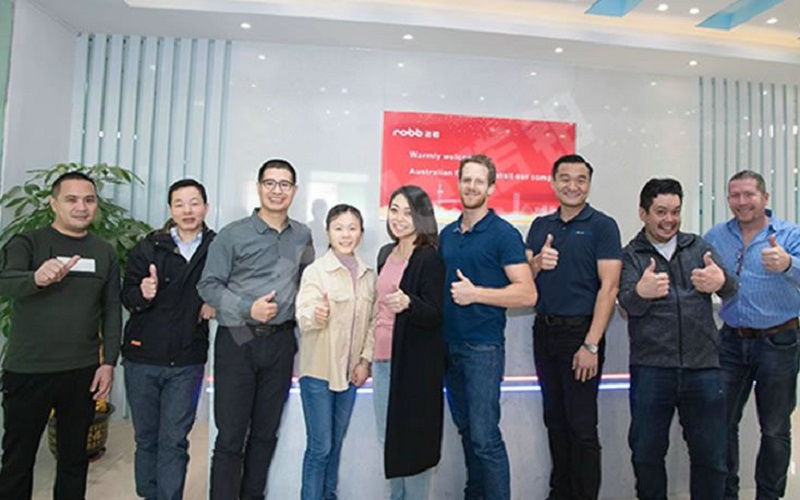
Choosing the right partner makes a big difference in thermal block manufacturing. NOBLE, a leading manufacturing partner in China, brings together every piece of the puzzle. Their team handles everything from the first sketch to the final shipped part. This full-service approach saves you time, money, and stress.
Design Assistance, Prototyping, and Production
NOBLE starts with design help. Their engineers meet with your team. They ask about your cooling needs, space limits, and budget. This early talk shapes everything that follows. The goal is simple: get thermal block manufacturing right the first time.
The team follows a clear path:
- They gather needs and weigh tradeoffs to balance cooling, manufacturability, and cost early in the design cycle.
- CFD modeling checks thermal performance before any metal gets cut.
- Early testing finds issues before manufacturing begins.
This approach stops costly redesigns. It prevents rework before it starts. The savings show up directly in your prototyping budget.
Working with manufacturing partners early usually cuts production costs by 15-30%. That reduction comes from three places:
- Design tweaks that simplify the part shape
- Material advice that matches the right alloy or ceramic to your application
- Process planning that picks the most efficient manufacturing method
Avoiding redesign cycles through early teamwork also speeds up development. Faster development means faster time to market. That speed matters in competitive industries.
Once the design locks in, NOBLE moves to prototyping. They make samples quickly. You test them in your real application. Their production floor handles metals, plastics, and ceramics. This versatility means one partner covers all your thermal block manufacturing needs.
ISO 9001:2015 and ISO 13485:2016 Certifications
Quality systems separate reliable suppliers from risky ones. NOBLE holds two important certifications. ISO 9001:2015 covers general quality management. ISO 13485:2016 applies to medical device manufacturing. Both certifications demand documented processes, regular audits, and continuous improvement.
These certifications matter for thermal management systems. They prove the factory follows consistent procedures. Every batch of thermal blocks meets the same standards. The quality checks we discussed earlier — material verification, dimensional inspection, functional testing — all happen under these certified systems.
For medical applications, ISO 13485:2016 adds extra rigor. Traceability rules track every material batch. Documentation standards ensure complete records. This level of quality gives you confidence in the final product. The reliability of your thermal management solutions depends on consistent manufacturing. NOBLE’s certifications deliver that consistency.
Engineering Support for Material and Process Selection
Material selection can make or break your thermal block manufacturing project. NOBLE’s engineers guide you through the options. They consider thermal conductivity, coefficient of thermal expansion, and cost together. They ask about your operating environment. They ask about your production volume. These answers point to the right material.
The same logic applies to process selection. Extrusion suits simple shapes and high volumes. CNC machining handles tight tolerances. Additive manufacturing enables complex internal channels. NOBLE matches the process to your part geometry and budget.
Cost optimization runs through every recommendation. The cheapest material might fail in your application. The most expensive might exceed your needs. NOBLE finds the sweet spot. Their engineering support covers thermal management systems for electronics, buildings, and industrial equipment. Each application demands different materials and different processes.
The performance of your final product depends on these early decisions. Good material selection improves thermal performance. Good process selection controls manufacturing cost. Good quality systems ensure reliability. NOBLE brings all three together under one roof.
Their team also helps with application guidance. They share insights from past projects. They warn about common pitfalls. They suggest design tweaks that improve manufacturability. This practical knowledge comes from years of thermal block manufacturing experience.
The partnership extends beyond production. NOBLE assists with assembly, testing, and packaging. They coordinate logistics for international shipping. They provide documentation for regulatory compliance. This full-service approach means one point of contact from start to finish.
Thermal management solutions require careful planning. Thermal management systems demand precision. Thermal block manufacturing connects material science to real-world performance. NOBLE bridges that gap with engineering expertise and certified quality. Their team helps you navigate the trade-offs between performance, cost, and reliability. The result is a thermal block that works exactly as intended, delivered on time and within budget.
Every thermal block project balances trade-offs. Metals deliver high thermal performance. Ceramics provide electrical isolation. Concrete and aircrete offer insulation. Graphite handles high temperatures. The optimal thermal solution carefully matches material properties, manufacturing capabilities, and application requirements. Material performance affects system performance. Good thermal performance needs quality material selection. Quality manufacturing ensures consistent performance. Long-term reliability depends on materials quality control. NOBLE brings thermal expertise. Their engineers match materials to thermal applications. They consider material thermal conductivity, thermal management, and material performance. Quality systems improve material performance. Thermal performance relies on material selection. Good material performance and material selection ensure block success. Contact NOBLE for a quality thermal consultation. Material performance drives material selection decisions. Materials quality requires material testing. Each application needs a different approach.
FAQ of Thermal Block Manufacturing
How Do I Choose Between Aluminum and Copper?
Start with your heat load. Aluminum handles most cooling jobs at lower cost. Copper pulls heat faster but weighs more and costs more. For high-power systems, copper wins. For everyday electronics, aluminum saves money. Your thermal block manufacturing partner can model both options before you commit.
What Is the Difference Between Thermal Mass and Insulation?
Thermal mass stores heat. Insulation blocks heat flow. Concrete provides thermal mass, absorbing warmth during the day and releasing it at night. Aircrete insulates, trapping air pockets that slow heat movement. Some buildings need both. The right material depends on your climate and how you use the space.
Can Ceramics Replace Metals in Thermal Blocks?
Yes, for specific applications. Ceramics conduct heat while blocking electricity. This matters for high-power electronics needing electrical isolation. Aluminum nitride reaches 100-115 W/m·K, close to some metals. But ceramics cost more and resist thermal shock poorly. Use them when isolation matters more than budget.
How Does Additive Manufacturing Compare to CNC Machining?
Additive manufacturing creates internal channels you cannot machine. Conformal cooling channels follow part geometry, improving efficiency. CNC machining delivers tighter tolerances and smoother surfaces. For copper blocks, CNC reaches Ra 0.8 μm. Many projects combine both: additive for the shape, CNC for critical surfaces. Your production volume guides the choice.
Which Quality Tests Matter Most for Thermal Blocks?
Thermal conductivity testing under ASTM E1225 confirms material performance. Density checks catch internal voids. Dimensional inspection ensures proper fit. Thermal cycling reveals expansion mismatches. Each test catches different failures. A reliable thermal block manufacturing partner runs all of them on every batch. Ask about their testing procedures before you commit.
How Can I Reduce Thermal Block Manufacturing Costs?
Design for the process. Simple shapes cost less to extrude. Tight tolerances add machining time. High volumes justify expensive tooling. Working with manufacturing partners early cuts production costs by 15-30%. Material selection matters too. Aluminum costs less than copper. Filled polymers cost less than ceramics. Match the material to your actual needs.
When Should I Use Graphite Thermal Blocks?
Graphite handles extreme temperatures that destroy metals. It conducts heat well and stays stable when hot. Isostatic pressing creates dense blocks with consistent performance. Use graphite for industrial furnaces and high-temperature chambers. The density reaches 1.75-1.90 g/cm³, directly improving thermal conductivity. For standard electronics cooling, aluminum or copper works better.
How Do I Work with a Manufacturing Partner?
Share your application requirements early. Tell them your heat load, space limits, and budget. Ask about material options and process recommendations. NOBLE, a leading manufacturing partner in China, offers design assistance, prototyping, and production under one roof. Their engineers match materials to applications. Their ISO 9001:2015 certification ensures consistent quality. Start with a consultation before you finalize your design.