Introduction
The engineer finished the part design drawings, and they looked great on the screen. But here’s the problem: how do you actually make this thing?
There are two broad paths. One is additive. That is rapid prototyping—building parts layer by layer directly from digital files. The other is formative. That is conventional molding, shaping material using hard tools. They seem similar on the surface. They are not. The differences run deep.
Here’s the thing. No one method is universally better. That’s a trap. The real question is which method fits your specific project. Volume matters. Timeline matters. Design complexity matters. Your commercial goals matter most of all.
What is Rapid Prototyping?
Let’s define rapid prototyping first. It’s a set of additive processes. Engineers start with a CAD file. The machine builds the part by adding material layer by layer. No molds. No tooling. Just the digital design and the machine.
You have several common technologies under this umbrella:
- FDM(Fused Deposition Modeling). Think plastic filament extruded through a nozzle. Simple, cheap, good for basic models.
- SLA(Stereolithography). Uses a laser to cure liquid resin. Much smoother surface. Better detail.
- SLS(Selective Laser Sintering). A laser fuses nylon powder. No support structures needed. Strong, functional parts.
- DMLS/SLM(Direct Metal Laser Sintering). Same concept, but with metal powder. Titanium, aluminum, stainless steel. For metal parts.
The key characteristics are what separate this from traditional manufacturing. You don’t wait weeks for a mold. You go straight from digital file to physical part. If the design changes, you just hit print again. This is ideal for iterative work—try it, break it, fix it, try again.
So where does this fit? Rapid prototyping is best for design validation, checking form and fit, functional testing, and low-volume production when you only need a handful of parts. It’s not for making a thousand units. It’s for getting the design right before you commit to hard tooling.

What are Conventional Molds?
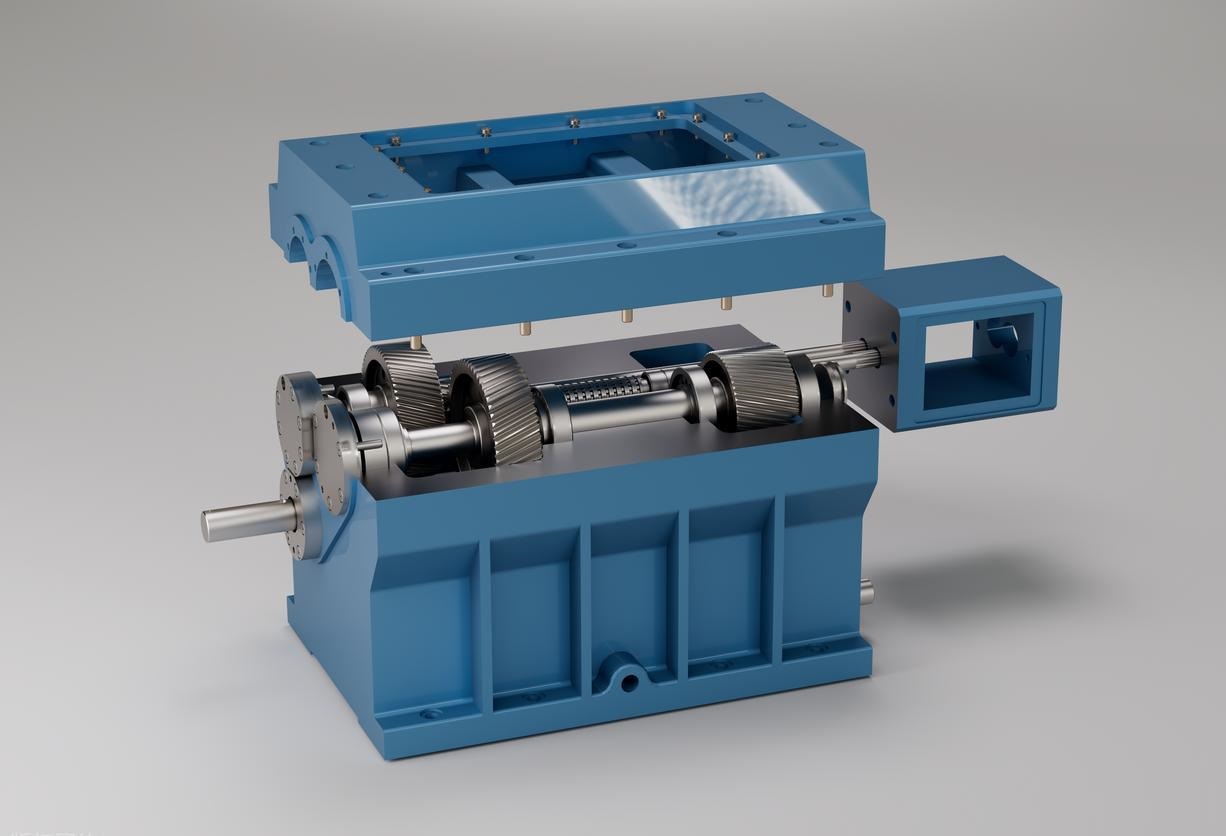
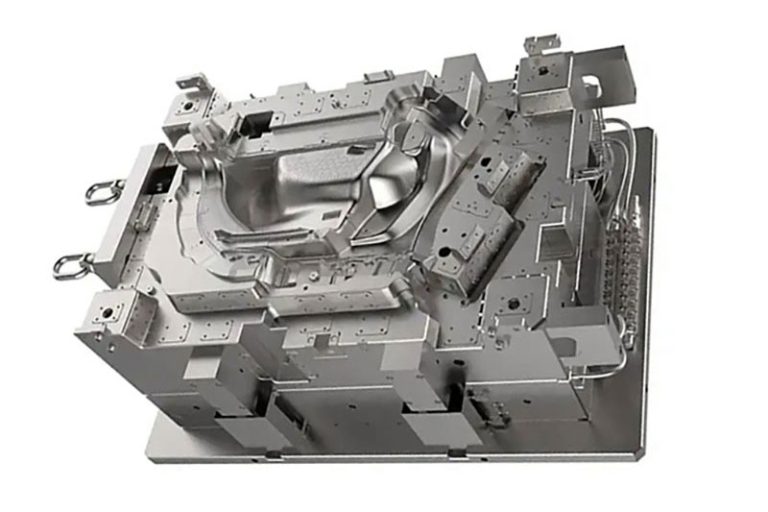
Now look at the other side. Conventional molds are hard tooling. You machine the mold from steel or aluminum. It’s a physical, permanent cavity. Once it’s made, it’s fixed.
Common processes under this category:
- Injection molding for plastics. The workhorse of mass production. Melted plastic is shot into a steel cavity, cooled, ejected.
- Die casting for metals. Molten metal injected into a die. Fast, precise, good for aluminum and zinc.
- Compression molding for composites. Pre-heated material pressed into a heated mold. Common for thermosets and fiber-reinforced parts.
- Metal injection molding (MIM). Combines powder metallurgy with plastic injection molding. For complex small metal parts.
The economics here flip completely. Upfront cost is high. You pay for the mold. Steel costs money. Machining takes time. But once the mold is made, the per-unit cost drops to almost nothing. You run thousands or millions of parts for pennies each.
There’s a trade-off, though. Molds force discipline. You must design with rules—draft angles so the part releases, uniform wall thickness to avoid sink marks, proper gate locations. You can’t just make any shape. The mold dictates the design.
So when do you use this? Conventional molds are best for high-volume production. They are the choice when you need tight tolerances, production-grade materials, and a predictable, repeatable process. If you’re making a hundred thousand units, this is your path. The upfront pain pays off in the long run.
Head-to-Head Comparison
Let’s put these two approaches side by side. The differences aren’t subtle. They shape every decision you make.
Cost Structure
Rapid prototyping asks for little upfront. You pay for machine time and material. But each part costs roughly the same. There’s no economy of scale.
Conventional molds hit you hard at the start. The tool itself is expensive. Machining steel takes time and skill. But once it’s done, each additional part costs pennies.
The break-even point usually sits somewhere between 500 and 1,000 units. Below that, rapid prototyping wins on total cost. Above that, the mold pays for itself fast.
Lead Time
With rapid prototyping, you go from file to part in hours or days. No waiting on toolmakers. No queue for mold machining.
Conventional molds take weeks or months. The mold must be designed, programmed, machined, and tested. You can’t rush it without risking quality.
Design Freedom
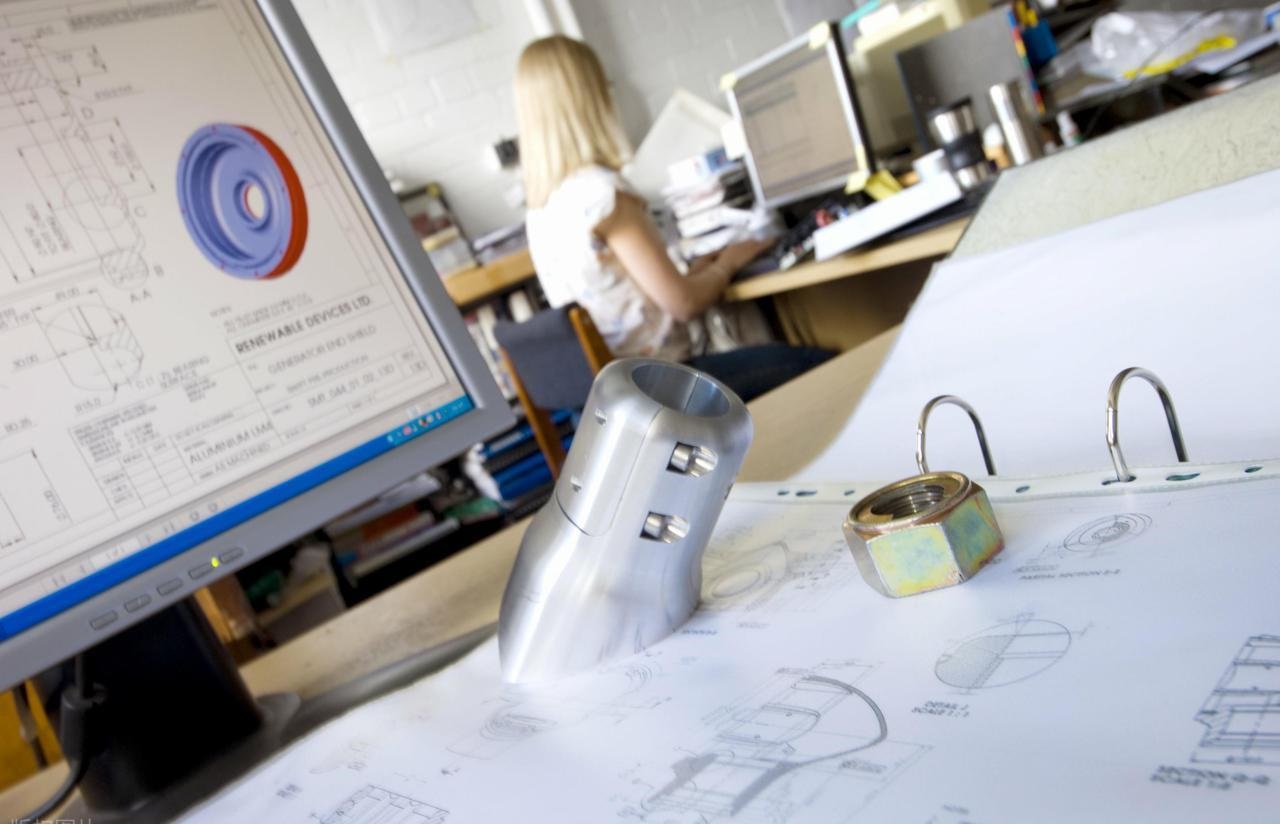
This is where rapid prototyping has no equal. No design constraints. You can build internal lattices. You can print channels that twist and turn. Undercuts don’t matter. The machine builds what you draw.
Conventional molds impose strict rules. Draft angles are required. Wall thickness must be uniform. Undercuts need expensive side actions or lifters. The mold itself dictates what shapes are possible.
Material Properties
Rapid prototyping materials have come a long way. But they still have a weakness. Parts are anisotropic—they are stronger along the layer lines than across them. The layer adhesion is always a potential failure point.
Conventional molds use true production materials. They are isotropic. Strength is the same in every direction. Material certifications are standard. You know exactly what you’re getting.
Surface Finish & Tolerances
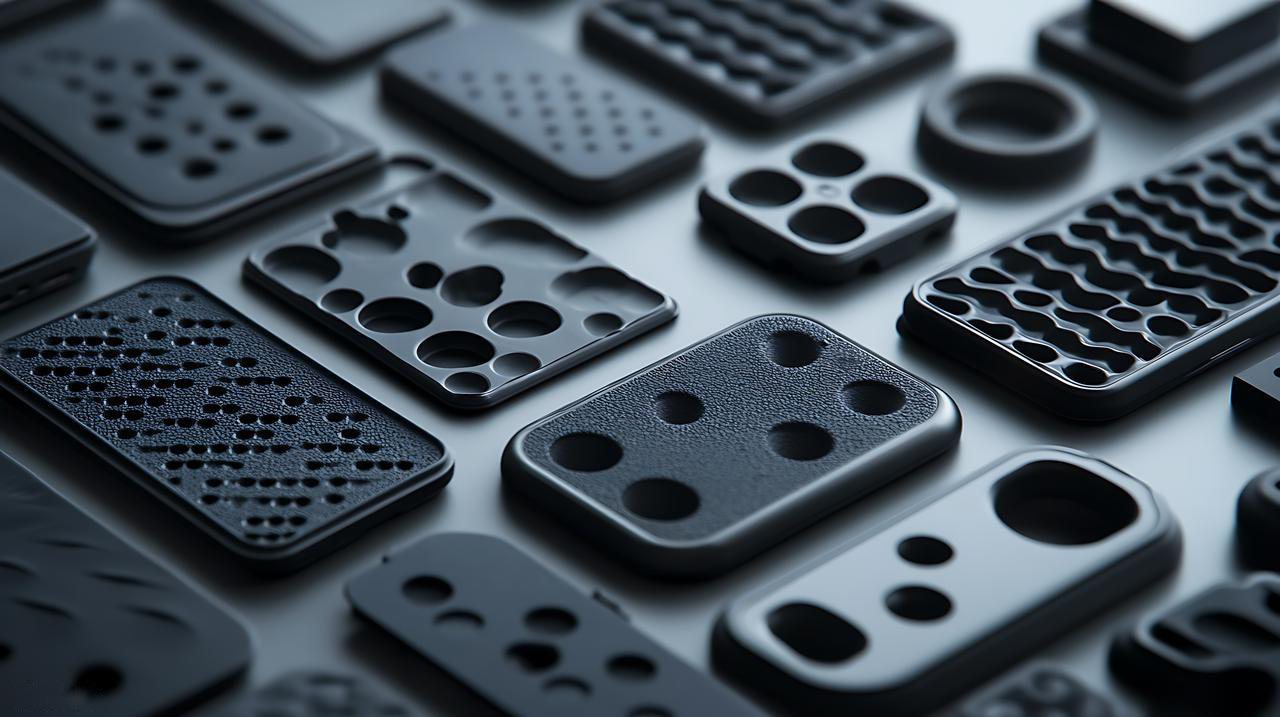
Rapid prototyping gives you good surfaces. Some technologies, like SLA, are quite smooth. But most require post-processing—sanding, polishing, coating—to reach production quality. Tolerances are decent but vary by machine and material.
Conventional molds deliver mold-grade surfaces right out of the tool. Textures are consistent. Tolerances are tight and repeatable across thousands of cycles.
Volume Capability
Rapid prototyping is for low volume. One to a hundred units is typical. With print farms running multiple machines, you can push to a thousand. But that’s pushing.
Conventional molds start at a thousand and go up to millions. Once the tool is made, volume is not a constraint. The machine just keeps cycling.
So here’s the practical takeaway. Rapid prototyping is for the front end—design exploration, early testing, low-quantity needs. Conventional molds are for the back end—production scale, repeatability, certified materials. The choice is not about which is better. It’s about where you are in the development cycle.
The Middle Ground: Rapid Tooling & Bridge Tooling
The two extremes are clear. Rapid prototyping gives you parts fast but costs per unit stay high. Conventional molds give you low per-unit cost but demand big money and time upfront. There is a middle ground. It’s worth looking at.
This is where rapid tooling and bridge tooling come in. The idea is simple. You build a tool faster and cheaper than a full production steel mold. It won’t run forever. But it runs long enough to get you through the critical phase.
Here are the common approaches:
Aluminum molds. Aluminum machines faster than steel. It’s softer, so tool life is shorter. But you can get 1,000 to 10,000 parts out of it. For many products, that’s enough to launch, validate the market, and generate revenue while the steel mold is being built.
3D-printed molds. You print the mold core and cavity directly. Not for high pressure injection molding. But for urethane casting—vacuum casting—it works well. You get short runs of parts with good detail.
Soft tooling. Silicone molds are the classic example. You cast a master, make a silicone negative, and pour polyurethane resins. Each mold yields 10 to 50 parts. Low cost. Fast turnaround.
So when do you use this middle ground?
Market validation is one. You need real parts to show distributors or test with customers. Not a thousand. Maybe fifty. Bridge tooling gets you there without waiting for steel.
Pilot production is another. You want to run the assembly line, train workers, work out the process. Hard tooling isn’t ready. Bridge tooling fills the gap.
Pre-launch inventory is critical. You need stock for the launch. The steel mold is being machined. You can’t wait. Bridge tooling lets you build inventory now, switch to the production tool later.
The practical term for this is rapid prototyping for manufacturing. You are using fast tooling methods to produce parts that are essentially production-grade, just in lower volumes. It’s a transition strategy. And it often makes the difference between hitting a launch window and missing it.
Industry-Specific Application Examples
The theory is useful. But you see the real decisions play out in specific industries. Here is how different sectors actually choose between these methods.
Medical & Healthcare
| Application | Method | Rationale |
| Surgical guides | Rapid Prototyping | Patient-specific geometry. One-off use. No tooling makes sense. |
| Custom hearing aids | Rapid Prototyping | Mass customization. Each unit is unique. Digital workflow. |
| Syringes, vials | Conventional Molds | Ultra-high volume. Tight tolerances. Sterility requirements. |
| Orthopedic implants | Both | Lattice structures for bone ingrowth require additive. High-volume components still use molding. |
The medical sector is split. Patient-specific devices go additive. High-volume disposables stay with conventional molds.
Automotive
| Application | Method | Rationale |
| Concept car interiors | Rapid Prototyping | One or two units. Aesthetics only. No durability needed. |
| Prototype engine brackets | Rapid Prototyping | Functional testing before committing to tooling. |
| Door handles, trim | Conventional Molds | Class A surfaces required. UV durability matters. |
| Under-hood components | Conventional Molds | High volume. Thermal requirements. Chemical resistance. |
Automotive uses rapid prototyping early in the cycle. But production parts almost always go to conventional molds. Volume is too high to justify anything else.
Aerospace & Defense
| Application | Method | Rationale |
| Legacy aircraft parts | Rapid Prototyping | Original tooling is obsolete. Demand is low. Additive fills the gap. |
| Investment casting patterns | Rapid Prototyping | Complex cooling channels in turbine blades. Printed patterns enable geometry. |
| Interior components | Conventional Molds | Strict flammability certification. Materials must be qualified. |
Aerospace is conservative. Certification drives the choice. But for legacy support and complex geometries, rapid prototyping has carved out a strong role.
Consumer Electronics
| Application | Method | Rationale |
| Prototype cases | Rapid Prototyping | Ergonomic testing. Look and feel validation. |
| Launch production | Rapid Tooling | Speed to market. Bridge tooling gets inventory ready while hard tooling finishes. |
| Structural brackets | Conventional Molds | Strength requirements. EMI shielding needs. |
| Waterproof enclosures | Conventional Molds | Sub-100 micron tolerances. Seals must work consistently. |
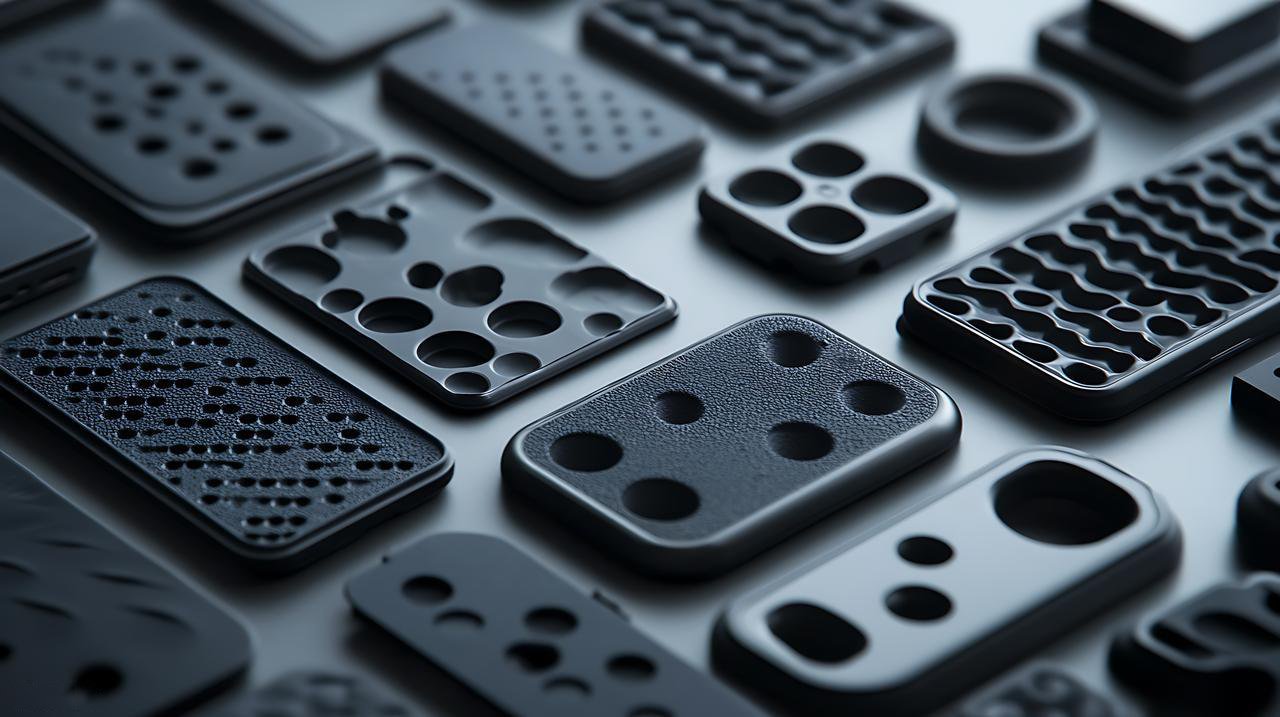
Consumer electronics lives on speed. Bridge tooling is common here. You cannot wait months for steel if you are launching a phone case.
Heavy Machinery & Industrial
| Application | Method | Rationale |
| Assembly jigs, fixtures | Rapid Prototyping | On-demand. Rapid turnaround. Low stress. |
| Hydraulic manifolds | Both | Complex internal channels go additive. Standard designs stay machined or molded. |
| Large equipment panels | Conventional Molds | Size drives cost. Volume justifies the tool. |
Industrial equipment uses both methods. Jigs and fixtures are a perfect fit for rapid prototyping. Production parts follow conventional paths unless geometry demands otherwise.
The pattern is consistent. Rapid prototyping and rapid tooling dominate the early stage—prototypes, patient-specific parts, low-demand legacy support. Conventional molds take over when volume, certification, or surface finish becomes the primary driver. The middle ground, bridge tooling, is often the smart play for product launches when speed matters as much as quality.
Decision Framework: How to Choose
Three Critical Questions
Start here. These three questions will push you toward the right path.
What is your required volume?
This is the biggest lever.
Under 100 units? Go rapid prototyping. You cannot justify tooling at this quantity. The math doesn’t work.
Between 100 and 5,000 units? You are in the gray zone. This is where rapid tooling and bridge tooling live. Aluminum molds. Silicone molds. 3D-printed tools. The numbers determine the specific approach.
Over 5,000 units? Conventional molds start making sense. The upfront cost gets spread thin enough. Per-unit savings become real.
Is the geometry moldable?
Some shapes just cannot be made with a conventional mold.
Think about internal channels that twist. Severe undercuts that would require complex side actions. Organic lattices for bone ingrowth. These geometries might force you into additive manufacturing even at higher volumes. The tool would be too complicated or impossible to build. Rapid prototyping becomes the production method, not just the prototype method.
What are your material requirements?
Materials matter. This is where conventional molds hold a strong advantage.
Need a certified flame rating? Biocompatibility documentation? Specific mechanical properties with full traceability? Conventional molds use materials that are qualified, tested, and certified. The process is validated.
Rapid prototyping materials are improving. But they still lag behind in certification and consistency for critical applications.
Common Mistakes to Avoid
Here is where people trip up. Learn from these.
Tooling up too early. You commit to a steel mold before the design is validated. Then you find a flaw. Now you are stuck with an expensive tool that needs modification or replacement. Validate first. Then tool.
Using rapid prototyping for high volume. You get comfortable with the speed. You keep ordering parts from the 3D printer. But you never do the per-unit cost analysis. At a thousand units, you have spent more than a mold would have cost. Know the break-even point.
Designing for 3D printing without considering scale. You optimize for additive manufacturing. Complex internal structures. No draft angles. Then volume grows. You need to move to molding. The part is not moldable. You have to redesign from scratch. Always ask: what happens if this goes to volume?
Underestimating lead time for conventional molds. Steel molds take weeks or months. People forget this. They plan a launch date without accounting for toolmaking. Then they scramble. Bridge tooling exists to solve this, but only if you plan for it.
The decision framework is simple in structure but hard in execution. Ask the volume question. Ask the geometry question. Ask the material question. Then pick your path and watch for the common traps. That is how you avoid wasting money and time.

About NOBLE — Your Trusted Partner in Precision Manufacturing
Let me be direct about who NOBLE are and what we do. You have a design. You need it made. The path from prototype to production is rarely straight. We are here to navigate that path with you.
Who We Are
NOBLE is a CNC machining and precision manufacturing company. But that description misses the point. Unlike a 3D printing bureau that only does prototypes, or a high-volume molding house that only runs production, we sit in the middle. We handle both ends and everything in between. Engineers come to us. Product designers rely on us. Medical device innovators trust us. We support you from the first concept part to full production—and through the critical bridge of rapid tooling that most shops ignore.
Our Core Capabilities
| Capability | Details |
| CNC Machining | 3-axis, 4-axis, and 5-axis milling; CNC turning; Swiss-style machining |
| Materials Processed | Engineering plastics (ABS, PEEK, Ultem, Nylon), aluminum, stainless steel, titanium, brass, exotic alloys |
| Rapid Tooling | Aluminum and soft steel molds for bridge production—1,000 to 10,000 units |
| Prototyping | High-precision machined prototypes for functional testing and design validation |
| Production Volumes | Low to medium volumes—50 to 50,000+ units—with consistent repeatability |
Quality Certifications
Quality is not a checkbox for us. It is the foundation.
ISO 9001:2015 — This is the baseline. Consistent processes. Continuous improvement. Customer satisfaction across all industries.
ISO 13485:2016 — This is the medical standard. Tighter. More demanding. It means we follow validated processes. We maintain full traceability. We manage risk. For medical device companies, this certification shortens your supplier qualification timeline. It gives you confidence that your regulatory requirements are being met.
Why Partner With NOBLE?
Technical Expertise Across Processes
We don’t just run machines. We help you decide which process makes sense. Our engineering team reviews your design. We identify manufacturability risks. We recommend the most cost-effective path based on your volume, timeline, and material needs. You get a partner, not a vendor.
Seamless Transition from Prototype to Production
Some shops are great at prototypes. They struggle when you scale. Others handle production but won’t touch small runs. We do both. The same engineering team that delivers your first five prototypes is calibrated to scale to your first 50,000 production units. No handoffs. No surprises.
Medical-Grade Quality Standards
Our ISO 13485:2016 certification is not a badge on the wall. It means our processes are validated. Our materials are traceable. Our quality records are documented. Our change control is rigorous. For medical device companies, this matters. It means you spend less time qualifying a supplier and more time moving toward regulatory submission.
Rapid Turnaround Without Compromise
We combine advanced CNC equipment with efficient workflows. The result is lead times that sit between additive prototyping and traditional production. Need machined prototypes in days? We do that. Need aluminum tooling in weeks? We do that too. Speed does not come at the expense of precision.
Commitment to Continuous Improvement
We keep investing. New machines. Employee training. Process automation. Our capabilities evolve as your product requirements get more demanding.
Industries We Serve
| Industry | Typical Parts |
| Medical & Orthopedic | Surgical instruments, implant trials, custom tooling, Class I/II device components |
| Automotive | Functional prototypes, jigs and fixtures, low-volume production parts |
| Consumer Electronics | Enclosures, heat sinks, precision brackets |
| Industrial Equipment | Hydraulic components, machine parts, assembly tooling |
Send us your CAD files. Tell us about your project. Our engineering team will review and provide manufacturing recommendations tailored to your goals. We are ready when you are.
FAQ
Can I use 3D printed parts for final production?
Yes, in specific cases. Low-volume runs, patient-specific implants, complex geometries that can’t be molded. But for high volume or certified materials, conventional molding is still the standard.
Is rapid tooling as good as conventional tooling?
For its purpose, yes. Aluminum molds give you good parts for 1,000–10,000 cycles. They won’t last as long as steel, but they cost less and machine faster. It’s not worse—it’s different. Match the tool to the volume.
What is the lead time for an aluminum mold vs a steel mold?
Aluminum molds typically run 2–4 weeks. Steel molds take 8–16 weeks. The difference is machining time and heat treatment. Plan accordingly.
Which is more environmentally friendly?
No simple answer. Additive manufacturing uses more energy per part but generates less waste. Molding produces very little waste per part at high volume but has the embedded energy of the tool. The greenest choice is the one that matches volume to method—overproducing or over-tooling is wasteful either way.