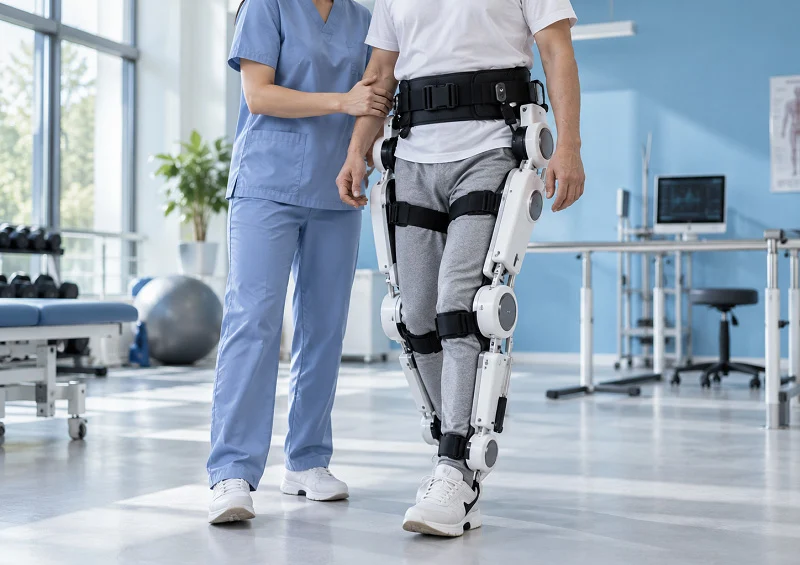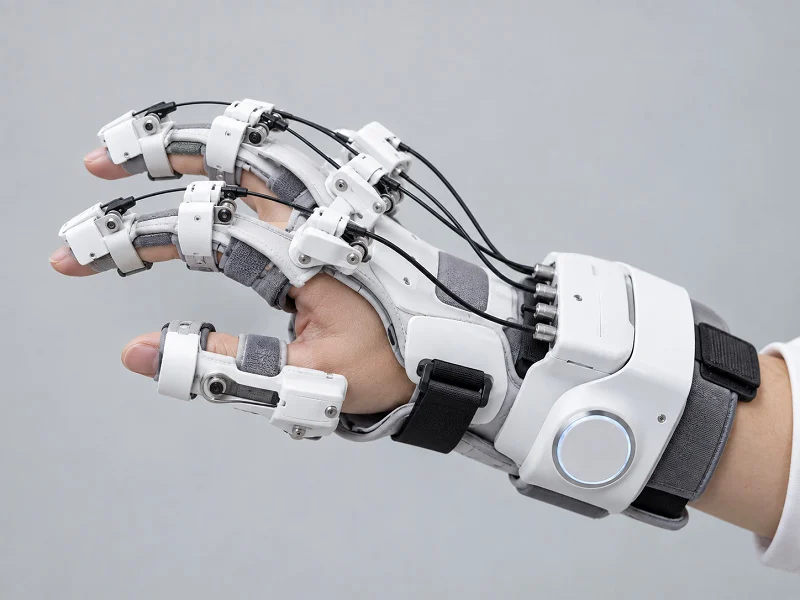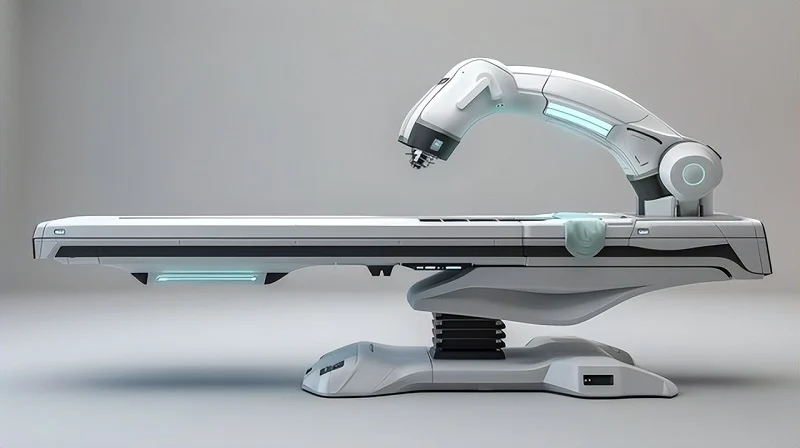
Nursing robot parts come from precision cnc machining, 3D printing, injection molding, and sheet metal fabrication. Makers also buy off-the-shelf robot parts for simple jobs. That mix cuts cost and lead time. Materials like medical-grade stainless steel, titanium, PEEK, and aluminum alloys show up again and again. Hygiene, biocompatibility, precision, and strength-to-weight needs drive every choice. This guide speaks to engineers, designers, and buyers.
The market shows why this work matters. Global sales hit USD 1,198.0 million in 2026 and should reach USD 3,726.5 million by 2033, a 17.6% CAGR.
| metrik | Nilai |
| Ukuran Pasar (2026) | USD 1,198.0 juta |
| Proyeksi Ukuran Pasar (2033) | USD 3,726.5 juta |
| Tingkat Pertumbuhan Tahunan (CAGR) (2026–2033) | 17.6% |
Good manufacturing robot parts start with smart process picks. The same holds for medical robot parts.
Key Nursing Robot Parts and Their Needs
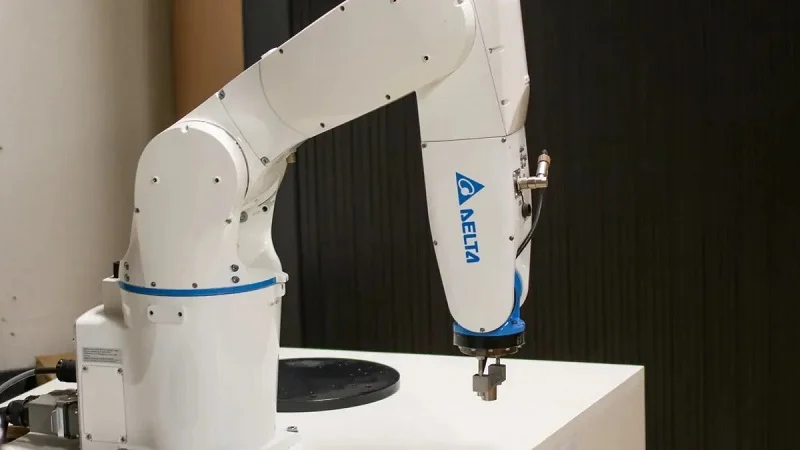
A nursing robot is made of smaller systems that work as a team. The base, body, motor, drive, input device, controller, end effectors, and sensors form the main parts. Software connects everything together. Transmission elements like gearboxes often go with actuators and joints. Each group has its own needs.
Actuators, Joints, and Gearboxes
Torque, Precision, and Wear Resistance
Actuators power every movement in nursing robot parts. They need enough torque to lift a patient’s arm or move a heavy tray. Precision matters too. A joint that drifts even a little can miss a medication slot. Wear resistance keeps these parts working through thousands of cycles. Gearboxes increase torque and lower speed. They deal with constant friction. Hardened steels and tight machining tolerances help here.
Lubrication and Sealing Challenges
Lubricants lower friction in joints and gearboxes. But medical settings really dislike grease leaks. A drop of oil near a patient is a real problem. Seals must stop fluid from getting in without adding drag. Some designs use dry-film lubricants or sealed-for-life bearings. Others depend on food-grade greases. The goal is smooth motion and zero contamination.
Structural Arms, Base, and Chassis
Strength-to-Weight and Rigidity
Arms and bases carry the robot’s weight and payload. A heavy chassis wastes motor power. A flimsy one bends and loses accuracy. Aluminum alloys offer a good balance. They stay stiff under load and stay light enough to move. Rigidity also protects the sensors. A bending arm messes up navigation readings.
Safety and Load-Bearing Capacity
These parts must hold up under unexpected forces. A patient might lean on the robot. A collision could happen in a hallway. The chassis needs a safety factor. Metal frames with 4 × 15 cm wheels and a 12V brushless DC motor handle mobility well. The motor driver runs at 12V, 15A, and 500W. That power moves the base without strain.
Housings, Sensors, and End-Effectors
Biokompatibilitas dan Ketahanan Kimia
Housings touch patients and cleaning agents. They must stand up to repeated wipe-downs with harsh disinfectants. Materials like PEEK and medical-grade polymers handle this. Sensors need biocompatible surfaces too. The MAX30205 temperature sensor, AD8232 pressure sensor, and MAX30100 heart rate sensor all touch patients. Their housings must pass ISO 10993 and USP Class VI.
Protection from Fluids and Contamination
Fluids are everywhere in healthcare. A spilled drink or a splash from a sink can destroy electronics. Sealed enclosures with IP-rated gaskets keep moisture out. End-effectors like grippers need smooth surfaces. Cracks and crevices trap bacteria. Smooth, rounded designs clean easier. The control system runs on a Raspberry Pi 4 at 1.8 GHz with 4 GB RAM. It needs a dry, protected home inside the housing.
Manufacturing Nursing Robot Parts: Primary Processes
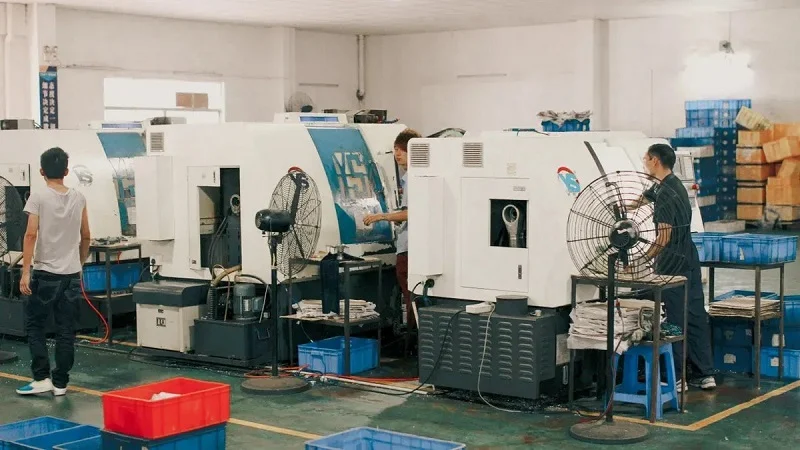
Four main processes build the hardware behind nursing robot parts. CNC machining, injection molding, sheet metal fabrication, and off-the-shelf components each play a role. The right pick depends on volume, geometry, and how tight the specs need to be.
Pemesinan CNC untuk Komponen Presisi
CNC machining for precision components is the workhorse of medical robot manufacturing. A spinning tool cuts away material from a solid block. The result is a strong, accurate part with no mold required. Costs stay linear, so there’s no big upfront tooling bill. Lead times run from days to weeks. This makes it great for functional prototypes and low-to-mid volumes. Watch out for deep pockets cut with tiny tools — those can raise cost fast.
Pemesinan 5-Sumbu untuk Geometri Kompleks
High-precision 5-axis CNC milling lets the tool reach angles a 3-axis machine can’t. That matters for joints with curved channels or angled mounting faces. Precision cnc machining can hold tolerances of ±0.0002 in. (±5 µm) or tighter on critical features. Surface finishes reach Ra 0.8 µm, or lower with post-processing. These numbers keep joint movement repeatable and sensor mounting exact.
Tight Tolerances for Joints and Actuators
Medical robotics demands tolerances as tight as ±0.002 mm to ±0.005 mm (0.00008″–0.0002″). For surgical robotics, hitting these tolerances prevents mechanical play and ensures exact positioning. High-precision 5-axis CNC milling and Swiss lathe turning are the critical techniques for complex micro-features. Here’s how the specs break down:
| Tolerance Category | Spesifikasi | Aplikasi |
| Toleransi dimensi | ±0.005 mm hingga ±0.025 mm | Bearing bores, gear centers, docking interfaces |
| Toleransi Geometris | True position, concentricity, perpendicularity, runout | Multi-axis assemblies |
| Kekasaran permukaan | Ra 0.4–0.8 μm (general); Ra ≤ 0.2 μm (sliding/sealing) | Mating and sealing surfaces |
| Kontrol gerinda | Stringent deburring mandatory | Prevents sterilization compromise |
| Verifikasi | In-process CMM, FAI, SPC | Traceability to heat lot and machining logs |
Injection Molding, Sheet Metal, and Off-the-Shelf Options
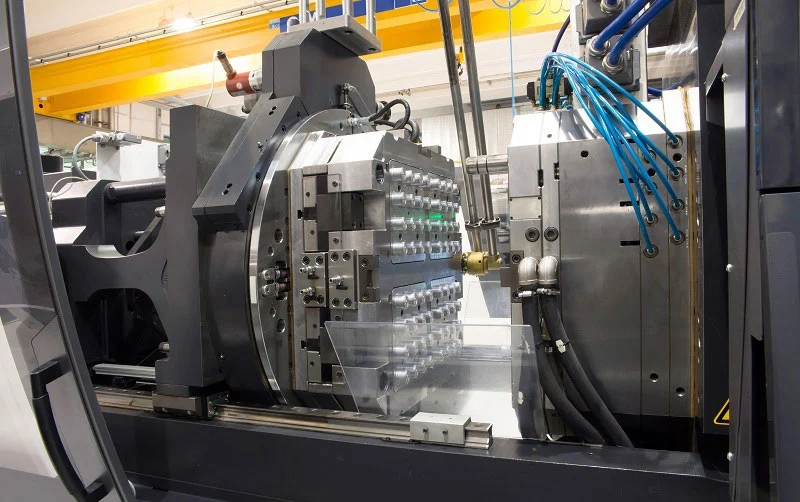
Injection Molding for Shells, Covers, and Gloves
Injection molding is widely used for humanoid robot outer body parts. It cuts weight, protects internal hardware, and provides clean aesthetics. Tooling costs run $1,500 to $100,000+, and lead times stretch 4–16 weeks. But per-part cost drops to $0.50–$5.00 at volumes above 10,000. That’s the trade-off: pay for tooling once, then pennies per part.
Sheet Metal Fabrication and Off-the-Shelf Components
Sheet metal fabrication typically involves laser cutting, bending, and welding. It builds structural frames and chassis that hold everything together. Off-the-shelf parts fill in for non-critical functions — fasteners, bearings, brackets. Buying these cuts cost and lead time. You save your precision manufacturing budget for the parts that truly need it.
Here’s how the three main processes compare on cost and speed:
| Kriterium | Mesin CNC | Cetakan Injeksi | 3D Printing |
| Waktu tunggu yang umum | 3–10 days (no tooling) | 4–16 weeks (tooling first) | 1–5 hari |
| Biaya Perkakas Awal | None | $1,500–$100,000+ | None |
| Per-Part Cost (low volume, <100) | $20–$200+ | Very high (tooling-dominated) | $ $ 5 150- |
| Per-Part Cost (high volume, >10,000) | Stays flat (~$55–$65) | $ $ 0.50 5.00- | High, does not scale |
| Break-Even vs. Injection Molding | Cost-effective under 500–1,000 units | Cost-effective above 500–1,000 units | Cost-effective only under 50–100 units |
Metal casting and forging also exist for high-strength structural pieces, though they need more post-machining. For most high-quality robot parts, the four processes above cover the job.
3D Printing and DMLS for Prototypes and Custom Parts
Additive methods shine when you need custom robot parts fast. There’s minimal tooling and the fastest start of any process. Unit costs stay high, though, and lead time is dominated by post-processing. Best fit: early prototypes and complex geometries.
FDM and SLS for Functional Prototypes
FDM lays down melted plastic layer by layer. SLS fuses powder with a laser. Both give you a physical part in days. You can test fit, feel, and function before committing to metal. For robot components that need quick iteration, this saves weeks.
DMLS for Metal Medical Robot Parts
DMLS melts metal powder into dense, strong shapes. It handles geometries that subtractive methods can’t. Titanium and stainless steel both work here. This is how you get cnc machined medical robot parts quality from a printer — when the geometry demands it.
Materials for Nursing Robot Parts
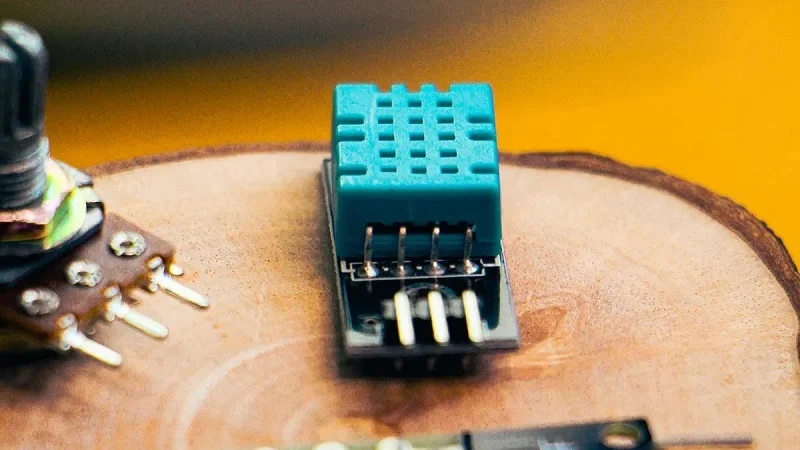
Choosing the right material is a big part of the work. The other part is making sure it works in a hospital. Material selection for nursing robot parts considers four main points: biocompatibility, strength-to-weight ratio, corrosion resistance, and cost. If one is wrong, the whole design has problems.
Biocompatibility and Hygiene Standards
Sesuai dengan standar ISO 10993 dan USP Kelas VI.
Two main rules control this area. ISO 10993 is a guide based on risk. It sorts devices into surface, implant, and external contact groups. It also splits exposure into short, long, and permanent. Different parts with numbers cover specific tasks — ISO 10993-1 for overall safety, ISO 10993-17 for substances that can leak out, and ISO 10993-18 for chemical makeup. USP Class VI comes from the U.S. Pharmacopeia. It covers plastics, polymers, and rubber-like materials. Class VI is the toughest level. It needs a test for poison effects on the whole body, a skin test, and a test where the material is placed in the body.
The rules for lab tests on cell harm are in the standard ISO 10993-5. To cover many medical devices and uses, the standard is kept open on purpose in many ways. This lets test plans change to fit the real hospital use, like extra strong extraction for important uses or different materials, and the type of medical device.
That openness creates real problems. Suppliers often send certificates saying the test passed. But the final product fails its own test. The building process rarely explains why.
| Dimensi | USP Kelas VI | Seri ISO 10993 |
| positioning | Material / pharmacopoeia standard | Medical device standard |
| Objek yang berlaku | Plastics, pharmaceutical packaging | Finished medical device |
| Struktur inti | Fixed battery of tests (Class I–VI) | Risk-based endpoint evaluation |
| Penerimaan peraturan | FDA does not consider it sufficient alone | Accepted by FDA, EU MDR, China GB/T 16886 |
Here is the problem. USP Class VI stamps the material, not the device. It also misses tests for gene harm, cancer, and reproduction harm. A device made from Class VI materials still needs its own check.
Resistance to Repeated Sterilization
Hospitals clean equipment a lot and with force. Steam machines, hydrogen peroxide gas, and strong chemicals all harm surfaces. Materials must handle this without cracking, fogging, or leaking chemicals. Metals usually do well. Many plastics do not. That is why medical robot parts often use a metal frame with a plastic shell that can handle cleaning.
Logam: Baja tahan karat dan titanium
17-4 PH Stainless Steel for Strength and Corrosion Resistance
17-4 PH is a type of stainless steel that gets hard with heat treatment. It offers high strength after heat treatment. That is strong enough for brackets, shafts, and parts that hold weight. It resists rust well, but titanium does better in harsh places. It cuts well and welds easily. You can also print it with DMLS.
Ti-6Al-4V for High-Strength, Lightweight Joints
Ti-6Al-4V (Grade 5) is the main titanium alloy used. It provides a good balance of strength and low weight. It also fights off saltwater and many harsh chemicals. Joints and arms get the most benefit. Lighter weight means smaller motors and less stress on the frame.
Both metals can be shaped with CNC machining or DMLS. That choice matters when the shape gets hard.
Polymers and Composites: PEEK, ABS, and Beyond
PEEK for Chemical and Wear Resistance
PEEK is the best plastic here. It fights chemicals, handles heat, and wears down slowly. It also survives many cleanings. Parts like bearings, bushings, and insulators use it. The bad part is the cost. PEEK costs much more than normal plastics.
Cost, Machinability, and Availability Trade-Offs
ABS is cheap and easy to shape. It works for covers and not-so-important housings. It does not handle steam cleaning well. Polycarbonate gives better strength against hits. Medical-grade silicones do well for seals and grips. Each choice swaps cost for performance. Cutting PEEK needs sharp tools and slow speeds. Metal casting and forging work for strong structural parts, but they need extra cutting after. For most robot parts, CNC or molding is the best pick. Making robot parts in large numbers means matching each material to its use. That same reasoning is used for every medical robot part. Choose well, and the robot stays safe, clean, and dependable for years.
Choosing Processes and Materials for Nursing Robot Parts

Picking the right process and material feels like solving a puzzle. You have many pieces, and they all must fit together. A step-by-step plan saves both time and money.
A Decision Framework for Engineers
Langkah 1: Tentukan Persyaratan Fungsional
Start with what the part must do. Write down the design goals, how it will be used, and where it will work. Note the performance numbers like mechanical properties, highest temperatures, and how long it should last. A joint that lifts a patient needs different specs than a cover panel.
Langkah 2: Evaluasi Sifat Material
Match the key properties to your performance goals. Use standards, benchmarks, and technical papers to guide you. Look at each option for biocompatibility, ability to handle cleaning, ease of making, and how easy it is to get. A weighted decision matrix helps you compare options fairly.
Step 3: Match with Manufacturing Process
Find processes that work for your quantity, material, and shape needs. Judge them on their ability, time needed, tooling cost, and extra steps after building. The material you choose strongly limits which processes work, so do this step after you know your material.
Menyeimbangkan Biaya, Kualitas, dan Waktu Pengerjaan
When to Choose CNC vs. 3D Printing
CNC machining is best for prototypes and low‑volume medical parts. It gives fast production with tolerances of ±0.001 inches and needs no tooling money up front. 3D printing works best for fewer than 50–100 units. It makes complex shapes that subtractive methods cannot produce.
The Impact of Volume on Unit Cost
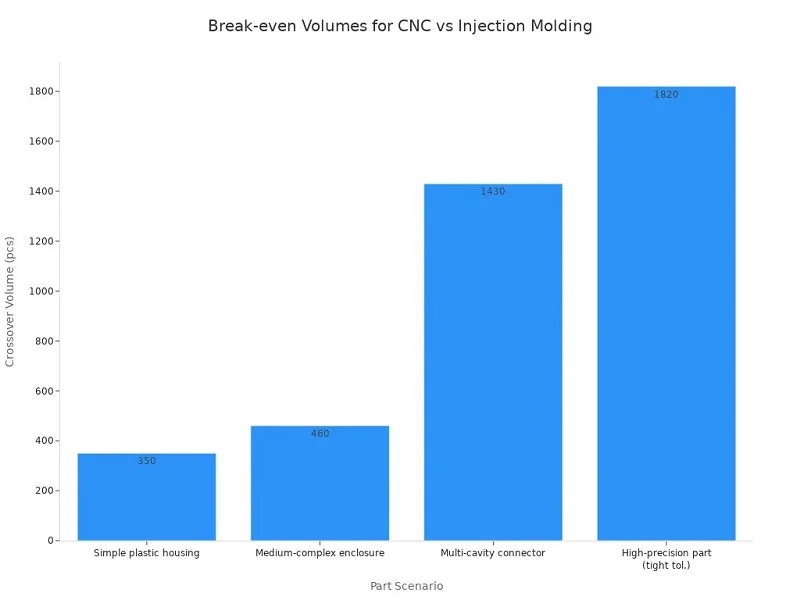
Volume changes everything. Injection molding costs drop to $0.50–$5.00 per part at high volumes. CNC machining stays flat at about $55–$65 per part. The crossover formula is: mold cost divided by (CNC per‑part cost minus molded per‑part cost). Simple plastic housings typically break even under 1,000 units. High‑precision parts cross over at a similar or higher volume.
Working with a Contract Manufacturer
Key Questions to Ask Your Supplier
Ask about ISO 13485 certification. This standard is needed for medical‑grade quality assurance. Ask about traceability and lot tracking. Full raw material certificates and Mill Test Certificates matter too. CMM inspection, cleanroom packaging, and surface finish standards like passivation ASTM A967 also count.
The Value of DFM Feedback
Good suppliers catch problems before they become expensive. They suggest design changes that cut cost or improve quality. This back‑and‑forth makes precision manufacturing smoother. Companies like NOBLE, a leading maker in China, offer this kind of engineering help. Their know‑how helps clients move from prototype to mass production efficiently.
Nursing Robot Parts Case Example: A Nursing Robot Arm Joint

A real project shows how these choices work. This case follows a nursing robot arm joint from design to production. The joint connects the upper arm to the forearm. It handles lifting and rotation during patient care.
Design Requirements and Material Choice
Selecting Grade 5 Titanium for Strength
The joint needed a material that could handle heavy loads without adding weight. Grade 5 titanium was the clear pick. Its strength was more than enough. The material also fights off corrosion from cleaning chemicals. Biocompatibility mattered too. Titanium passes ISO 10993 and USP Class VI tests. A lightweight design meant smaller motors. That cut system cost and power draw.
Designing for 5-Axis CNC Machining
The joint shape had curved load paths and angled mounting faces. A 3-axis machine would need many setups. Each setup adds error. The design team shaped every surface so a 5-axis machine could reach it in one or two setups. That improved accuracy and cut time. Features like internal coolant channels were added during design. This approach is common in precision cnc machining for medical robot parts. The machining held tight tolerances throughout.
Production and Quality Checks
From Raw Bar Stock to Finished Joint
Production started with certified Grade 5 titanium bar stock. Each piece had a mill test certificate showing chemical makeup. The bar went into a CNC lathe for rough turning. Then it moved to a 5-axis machine for complex features. After machining, the part went through stress relief and aging. Final steps included deburring and surface finishing. The manufacturing process was completed for the first batch in a lead time consistent with CNC machining. The team had experience with robot parts for medical applications.
Inspecting Tolerance and Surface Finish
Quality checks started right after machining. A coordinate measuring machine checked every critical dimension. It used touch probing to compare the part against the CAD model. CMM inspection verified geometric tolerances to sub-micron levels. Surface roughness came next. A profilometer measured Ra and Rz values on the bearing surfaces. Contact profilometry found any high spots that could cause wear. These two methods together made sure the joint would move smoothly. The quality checks for critical robot parts use CMM inspection and profilometry to catch problems early.
Best Practices from the Project
Keterlibatan Pemasok Awal
The design team brought the manufacturer in during the concept phase. That is unusual. Most teams wait until the design is final. Getting feedback early saved time. The manufacturer suggested a different coolant channel layout that was easier to machine. They pointed out a thin wall section that might distort during heat treatment. Those changes cost nothing on paper. Fixing them after production starts is expensive.
Validating the Process for Medical Compliance
The manufacturer held ISO 13485 certification. Every step had written procedures. Raw material trace went from the mill certificate to the finished part. In-process inspection data was logged and stored. The final inspection report included CMM results and surface finish readings. All of this supported the robot components’ regulatory submission. The customer did not need to repeat tests.
This case shows how manufacturing robot parts takes careful planning. The right material, process, and supplier made the difference.
Future Trends in Nursing Robot Parts
Bahan dan Pelapis Canggih
Antimicrobial Surfaces and Self-Healing Polymers
Hospitals battle germs all the time. So scientists now mix antimicrobial agents into coatings and polymer blends. Silver ions and copper compounds are popular choices. These surfaces slow bacterial growth between cleanings. Self-healing polymers work in a different way. Small scratches seal themselves when heat or light touches them. That stops cracks from holding bacteria.
These materials still must pass ISO 10993 and USP Class VI. A coating that kills germs but bothers skin is no good. More suppliers will likely offer certified antimicrobial finishes for nursing robot parts in a few years.
Lightweight Composites for Efficiency
Carbon fiber composites keep appearing in arm and chassis designs. They beat aluminum on stiffness per pound. A lighter arm needs smaller motors. That saves power and makes batteries last longer. The downside is cost and repair. A cracked composite panel is tougher to fix than a metal one.
Otomasi dan Digitalisasi
Digital Twins in Production
A digital twin is a software copy of a real part or process. Engineers test the machining run before the first cut. They find tool crashes and thin walls on screen. This lowers scrap and shortens setup time. For medical robot parts, the twin also keeps inspection data. That record helps with traceability audits.
Kontrol Kualitas Berbasis AI
Machine vision systems now catch defects that human eyes miss. They check surface finish, burr size, and hole position in seconds. AI models learn from past inspection data. Over time, they spot problems sooner. This works well with CMM checks on critical features.
On-Demand and Distributed Manufacturing
Point-of-Care 3D Printing
Some hospitals already print simple fixtures and guides on site. The same idea could reach robot parts. A broken bracket gets printed overnight instead of shipped overseas. Metal printing at the point of care stays rare. Plastic and composite parts suit this model better today.
Ketahanan Rantai Pasokan
Distributed production spreads out risk. A single factory outage no longer halts everything. Regional suppliers and local cnc machining shops keep lines moving. This matters for manufacturing robot parts, where downtime delays patient care.
A resilient supply chain is now a design requirement, not an afterthought.
The same logic applies to any manufacturing plan for robot parts. Build in backups early.
Your Partner for Nursing Robot Parts: NOBLE

NOBLE is a manufacturing partner that focuses on metal and plastic work for nursing robot parts. The company does precision custom sheet metal fabrication, laser cutting, cnc machining, welding, CNC press brake and panel bending, fast prototyping, and scalable custom manufacturing for small to high-volume runs. That range covers most hardware a nursing robot needs.
Kemampuan Manufaktur yang Komprehensif
Keahlian dalam Pengolahan Logam dan Plastik
Metal and plastic both get the same amount of attention here. The shop runs precision sheet metal work, laser cutting, welding, and panel bending alongside machining and finishing. This matters for robot parts that mix a rigid metal frame with polymer covers. One supplier means one set of tolerances, one inspection chain, and fewer handoffs.
Dari Desain hingga Perakitan
NOBLE helps clients from prototype through full market requirements. Services go past cutting and machining into finishing, testing, assembly, and packaging. Prototypes come out of dedicated Process Development Centers. That full arc helps teams move from a concept sketch to a shippable unit without juggling five vendors.
Kualitas dan Keandalan Tersertifikasi
Sertifikasi ISO 9001 dan ISO 13485
The quality system matches ISO 9001 for general manufacturing and ISO 13485 for medical device parts. The second standard brings stricter process validation and full traceability. That level of iso 13485 compliance is what implantable and surgical parts demand. It also supports iso 13485 medical standards for the wider device program.
Commitment to Medical Device Standards
Daily work backs up those certificates. Statistical Process Control watches process parameters in real time and predicts batch risk before defects appear. Workers hold certifications and train regularly on medical manufacturing norms. A traceability system logs raw material batches, equipment, process parameters, operators, and inspection data across the full life cycle. Online tools like visual inspection systems and laser dimension detectors screen parts in real time. Offline, three-coordinate measuring machines and roughness testers verify micron-level accuracy, surface finish, and mechanical properties. Internal audits keep the system current with domestic and international rules.
A Collaborative Approach to Your Project
Dukungan Teknik dan Analisis DFM
Design determines 80% of cost and heavily influences yield, so early input pays off. NOBLE reviews whether a concept can be manufactured and stay compliant, then revises it around the newest efficient technology. The team aligns design specs with functional needs and optimizes fabrication, finishing, testing, assembly, and packaging. Automation and validated processes carry that work to market faster.
Manajemen Proyek Ujung-ke-Ujung
One team owns the project from first drawing to final box. That continuity protects medical-grade quality assurance and keeps high-quality robot parts on schedule. For anyone manufacturing robot parts at scale, this kind of partner removes guesswork and keeps the focus on patient care.
Making nursing robot parts takes a careful mix of process, material, and quality control. Each method has its own job. CNC machining handles tight tolerances. 3D printing speeds up prototypes. Injection molding cuts costs at high volumes. Sheet metal fabrication builds strong frames. Materials like 17-4 PH stainless steel, Ti-6Al-4V, PEEK, and medical-grade polymers earn their place through biocompatibility, strength, and corrosion resistance. Use the decision framework. Treat your manufacturing partner as a teammate, not just a vendor. That mindset brings safe, effective robot parts to market faster.
FAQ of Nursing Robot Parts
What are nursing robot parts usually made of?
Most nursing robot parts use metals like 17-4 PH stainless steel and Ti-6Al-4V titanium, plus polymers such as PEEK and medical-grade ABS. The pick depends on the job. Joints want titanium for its strength-to-weight ratio. Housings often use plastics that handle repeated cleaning.
Why does biocompatibility matter so much here?
These robots touch patients, so their surfaces must not trigger reactions. ISO 10993 and USP Class VI set the rules. A material can pass USP Class VI and still fail as a finished device. That’s why the whole part gets tested, not just the raw stock.
Which process gives the tightest tolerances?
CNC machining wins for precision. Five-axis milling holds tolerances of ±0.005 mm to ±0.025 mm on bearing bores and gear centers. Surface finishes reach Ra 0.4–0.8 μm, or tighter on sealing faces. No other process matches that repeatability for metal nursing robot parts.
When should I choose 3D printing over CNC?
Pick 3D printing for early prototypes and runs under 50–100 units. It handles complex shapes with no tooling cost. Switch to CNC when you need metal strength or tighter tolerances. For high volumes, injection molding beats both once you pass the break-even point.
How do I know if injection molding is worth the tooling cost?
Do the math first. Tooling runs $1,500 to $100,000+, but per-part cost drops to $0.50–$5.00 above 10,000 units. Simple plastic housings break even under 1,000 units. High-precision parts cross over at a similar or higher volume. Below that, CNC stays cheaper.
Can off-the-shelf components save money on nursing robot parts?
Yes, for non-critical functions. Fasteners, bearings, and brackets don’t need custom work. Buying them cuts cost and lead time. Save your precision manufacturing budget for joints, actuators, and anything that touches a patient. That split keeps quality high where it counts.
What certifications should a supplier have?
Look for ISO 9001 for general manufacturing and ISO 13485 for medical device work. The second one brings stricter process validation and full traceability. Ask about Mill Test Certificates, CMM inspection reports, and lot tracking too. Those records support your regulatory submission.
How long does it take to make a custom joint?
A titanium arm joint can go from certified bar stock to finished part in a few weeks for a first batch. That covers rough turning, five-axis machining, stress relief, deburring, and inspection. Add more time if the design needs heat treatment or special surface finishing.