You’re seeing the shift. The auto industry is under massive pressure—lighter weight for range, higher complexity for integration, and all of it needs to be strong and affordable. Low-pressure casting steps in and shakes up the old ways. Many car makers now choose this process to meet the growing need for electric and fuel-saving vehicles.
| Production Aspect | Traditional Casting | Low-Pressure Casting |
| Defect Rate | 5%-10%+ | Lower, thanks to better control |
| Material Waste | Higher | Reduced, more cost-effective |
You see fewer defects and less wasted metal. That means better parts and lower costs for you.
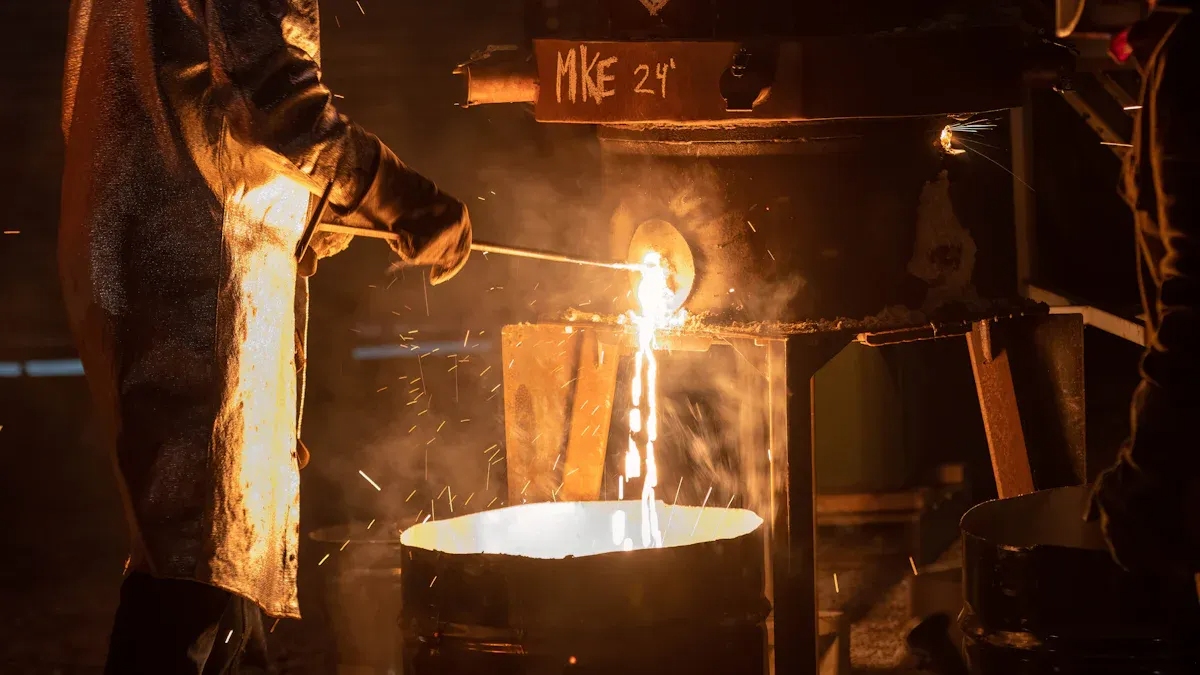
Low-Pressure Casting Process
How low-pressure casting works
You may ask how low-pressure casting shapes car parts. First, molten metal sits in a closed chamber under the mold. Instead of just using gravity, gas pressure pushes the metal up. The metal moves upward and fills the mold slowly. This gives workers more control over the filling.
Gas pressure and mold filling
Gas pressure, between 0.7 and 1.5 bar, is used on the molten metal. The metal rises gently and fills the mold from the bottom. It’s just enough force to lift the molten aluminum against gravity and push it precisely into the mold’s cavities, but it’s gentle. Parts come out with fewer problems and stronger builds.
Tip: A smooth fill means less thermal shock on the mold and a more uniform solidification pattern. This reduces internal stresses and warping.
Equipment and materials
You need special tools for low-pressure casting. These include a sealed furnace, a steel mold, and a gas pressure system. Most car parts use non-ferrous metals like aluminum alloys. These metals melt at lower temperatures and are strong but light.
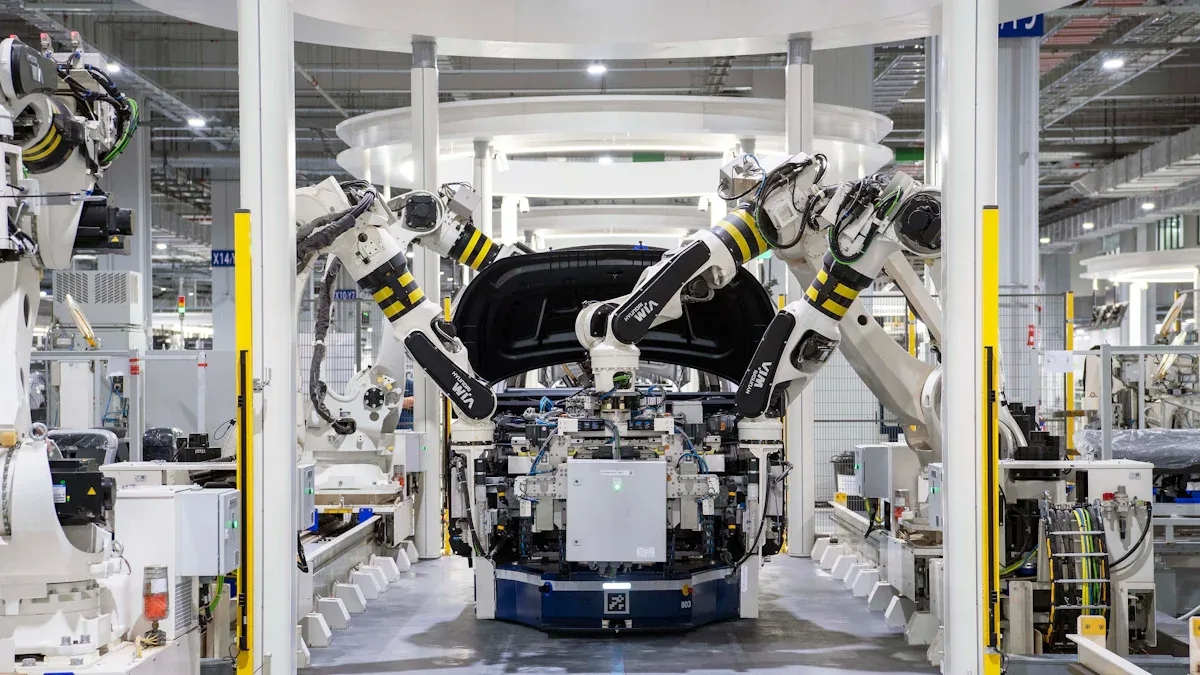
Comparison with traditional casting
Now, let’s see how low-pressure casting is different from the old way. Traditional casting uses gravity to move metal into the mold. This can lead to splashing and trapped air, which can result in more mistakes and rough parts. There is more wasted metal and less control over the shape.
Low-pressure casting is better. Pressure fills the mold and lowers turbulence and gas holes. This gives you:
- Better strength from reduced internal flaws.
- Smoother surfaces from a tranquil fill.
- Fewer internal holes from less gas entrapment and better feeding.
- More exact shapes & details because the metal is fluid longer, able to fill thin sections and complex features.
This process is pretty gentle, so there’s way less oxidation of the active elements compared to other methods. This allows for a wider selection of metals, like magnesium-aluminum alloys, which are really popular in the automotive industry because they’re lightweight but strong. The quality stays the same for each batch.
Note: High-pressure die casting is better for thin parts. So, you can make more types of car parts.
In short, low-pressure casting gives you more control and better parts. You waste less and meet car standards. Production is easier and smoother.
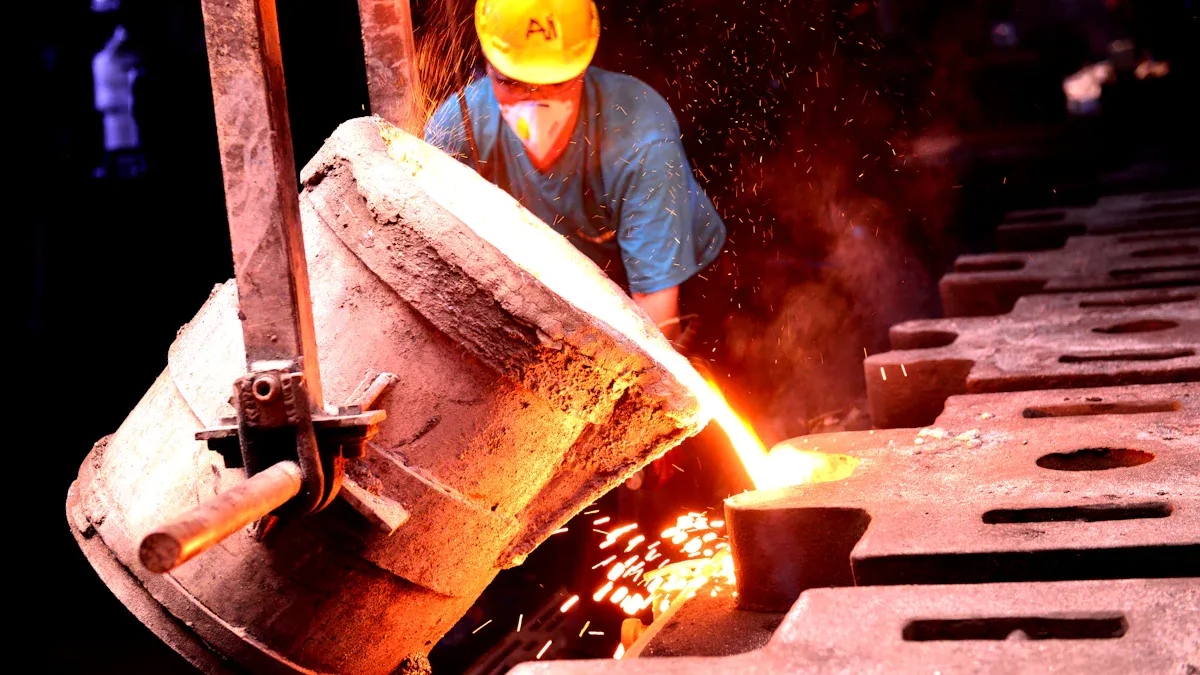
Benefits for Automotive Manufacturing
Quality and precision
Here’s how I see it. You can’t just think about each part of your car on its own. A suspension knuckle connects to a control arm, a wheel bearing, and a brake caliper. The smooth fill does more than just improve the surface. It makes sure the material density is the same all over the part. This means you can predict how they’ll perform mechanically. This means less secondary machining is needed. You won’t need shims, forcing bolts, or assembly line adjustments, which is great.
Dimensional accuracy
We all want every replacement car part to fit perfectly. Low-pressure casting helps you reach tight tolerances. The process lets you control the flow of metal, so you get parts with very little variation. Take a look at how much you can improve:
| Feature | Specification |
| Dimensional Accuracy | Tolerance CT6-7 (±0.1-0.3 mm) |
| Surface Roughness | Ra 1.6-3.2 |
You can often assemble these parts right away, without extra machining. You can often put these parts together straight away, with no extra machining needed. It’ll save you time and keep your production line moving.
Surface finish
A smooth surface is great for both looks and function. Low-pressure casting gives you parts with fewer rough spots and less need for polishing. The slow, steady filling of the mould means you avoid splashes and rough edges. It gives you a nice, clean finish, which is great for painting, sealing, or putting things together.
You’ll be amazed at how much stronger and more durable you feel. So, let me tell you what you can expect:
| Property | Improvement |
| Tensile Strength | 20%-30% higher than gravity casting |
| Fatigue Life | 50% longer, great for wheels and moving parts |
| Porosity | Less than 0.5%, so heat treatment works better |
Cost and efficiency
I totally get it, we all want to save money and get things done quickly. Don’t worry, low-pressure casting can help you do both!
Fewer processing steps
Because the parts come out with good surfaces and accurate shapes, you skip many finishing steps. You don’t need as much grinding or machining. This allows you to transfer components from the casting stage to the assembly stage more quickly.
Material savings
You waste less metal with this process. The metal glides onto the mold wall smoothly, replicating its finish accurately. This gives you a near-net-shape part with a functional surface. You might still need a light abrasive blast or a coating, but you’re not starting from a rough, porous base that needs heavy grinding or extensive machining to salvage. That’s the time and money saved.
We’ve cut down on how much material we use, which has brought costs down.
- You’ll find that tooling expenses are lower compared to high-pressure die casting.
- Fewer defects mean less waste.
- Can make complex shapes more cheaply than other ways of doing it.
- Saves energy and reduces consumption, so you end up spending less on operating costs.
Sustainability
You care about the environment, and so do your customers. Low-pressure casting is the key to achieving your green goals.
- The high yield rate – getting a usable part from most of the metal you melt – is a clear winner.
- You don’t need huge hydraulic systems that use constant power. The furnace and the controlled gas pressure system are more energy-efficient.
- Any scrap that’s produced, whether it’s from cutting biscuits or the odd defective part, gets fed straight back into the furnace for the next batch.
- One of the great things about car components made via low-pressure casting is that they can be lightweight yet strong.
- You’ll get a cleaner, cheaper production line with less waste and lower energy bills.
When you choose low-pressure casting, you make your production cleaner and more efficient. You’re helping to build a future where cars are better for people and the planet.
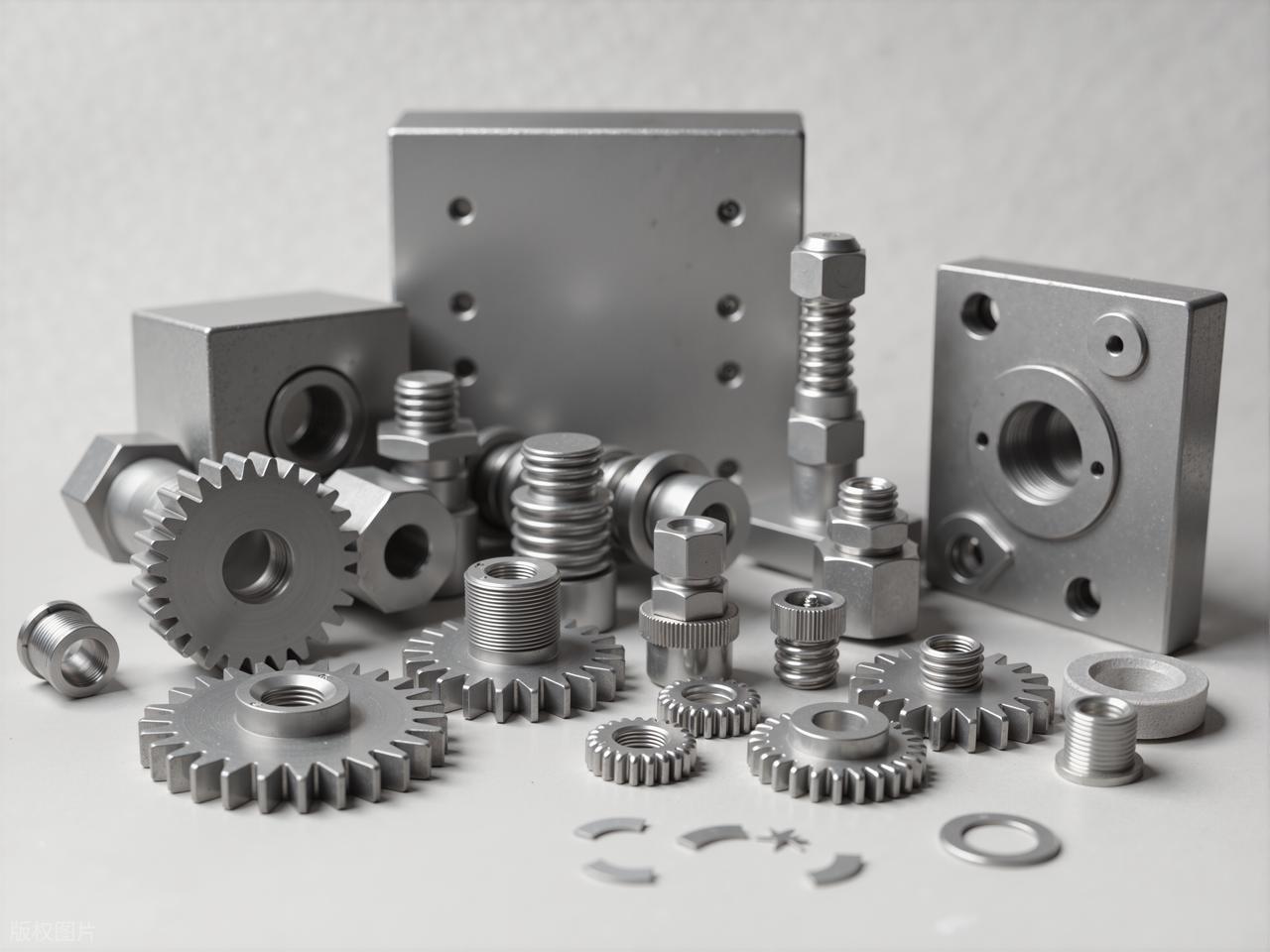
Automotive Applications of Low-Pressure Casting
You may wonder where low-pressure casting is used in cars. You can cast lots of the parts you find in and around the engine and wheels using low pressure. Let’s see some important car parts made with this method.
Engine blocks and cylinder heads
Low-pressure casting is common for engine blocks and cylinder heads. Low-pressure casting delivers the specific material properties these parts need to survive.
- Aluminum alloy cylinder heads
- Engine blocks
- Cylinder heads
- Cylinder blocks
- Wheel hubs
These are the wins you can expect to see after using low-pressure casting.
- Cooler Running: The microstructure of the material allows heat to move away from the combustion chamber more efficiently.
- Weight Savings: If you can be sure that the material will hold its shape, you can design with thinner walls and better structures, which makes the weight lower.
- Improved Oil Pressure: If you get the oil passages right without core shift, you’ll have less restriction and more consistent lubrication.
- Longer Engine Life: All of the above – less thermal stress, no porosity cracks, reliable lubrication – means the engine can go through more cycles before it fails.
Wheels and suspension arms
Wheels and suspension arms face a lot of stress on the road. These parts need to be tough but not heavy. Low-pressure casting helps with both. Here’s how this process makes these parts better:
| Benefit | Impact on Production and Quality |
| Improved metallurgical quality | Less porosity and more strength |
| Cost reduction | Fewer steps, so costs go down |
| Enhanced dimensional tolerances | Tighter tolerances for safer, better-fitting parts |
| Excellent surface finishes | Smoother look and better performance |
There is also less turbulence when filling the mold, so the metal stays pure and strong. This method works with special aluminum alloys, so you can adjust performance for each part.
Tip: A lot of car manufacturers use this process for wheels. You get lighter wheels that last longer and look good.
Gearbox housings and structural parts
Gearbox housings and other structural parts must be exact and reliable. Low-pressure casting gives you many advantages here:
| Advantage | Description |
| Precision and Dimensional Accuracy | You get the same quality every time, even in big batches. |
| Reduced Porosity | Fewer air pockets mean stronger, longer-lasting parts. |
| Improved Surface Finish | Parts come out smooth, so you spend less time on extra work. |
| Cost-Effective for High-Volume | Great for making lots of complex parts without breaking the bank. |
There are more benefits, too. The process is clean and easy to automate. By testing it, you can get back up to 95% of the metal, which saves money and is better for the environment. Low-pressure casting is great for aluminium and magnesium materials, and it allows us to make large, lightweight, high-strength thin-walled components. Note: Some factories use this method for gearbox housings. They see fewer defects and faster production times.
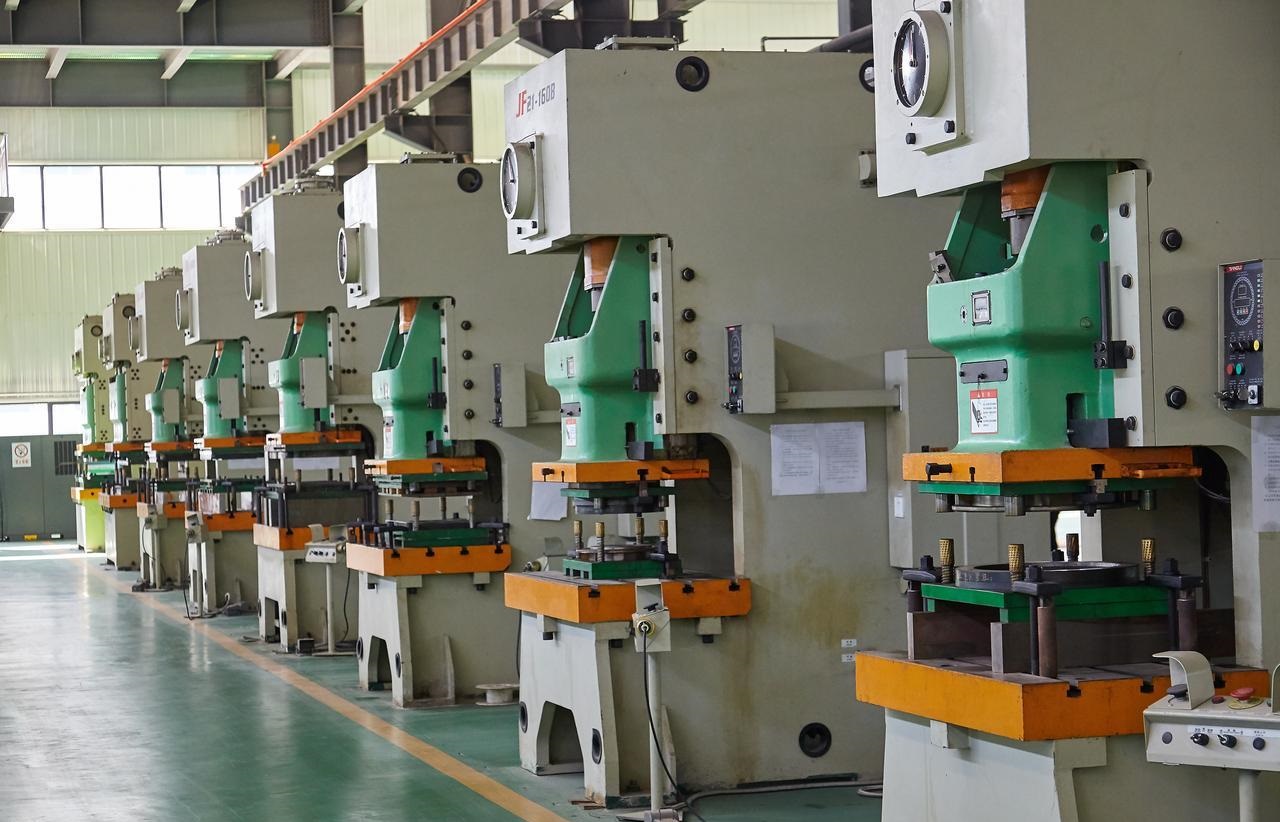
Challenges and Limitations of Low-Pressure Casting
Technical constraints
Low-pressure casting does not fix every problem. There are some tough challenges. You need a sealed furnace that must integrate a pressurized gas system and mold lifting mechanism, which comes at a high cost. Then there are design limitations. As metal rises through the sprue to fill the mold, the liquid level in the furnace drops. This exposes more molten aluminum to furnace air, triggering oxidation reactions and forming slag. This necessitates installing ceramic foam filters in the sprue system to capture oxides and inclusions. However, these filters can disrupt laminar flow, immediately inducing turbulence, or even cause casting interruptions due to clogging.
Here’s a quick look at some of the technical constraints:
| Constraint Type | Description |
| Equipment Requirements | Specialized machines and a sealed, pressurized melting furnace are necessary for low pressure casting. |
| Metallurgical Considerations | Changes in molten metal levels can lead to oxide formation, affecting the quality of the cast. |
| Design Limitations | Difficulty in incorporating filters in the feeder system increases the risk of defects in the casting. |
And don’t forget to think about the shape of your parts. If you’re after those sharp corners or tricky inside shapes, you might want to tweak your design a bit. Molds can only do so much. Sometimes, we all need to make our part a bit less complicated.
- Low-pressure casting can be a bit limited when it comes to making really complex shapes because of the molds.
- Very detailed designs can be tricky to cast, especially when they have sharp corners or complicated insides.
- You know, it’s really interesting how makers often have to make their designs simpler so casting works well.
Aluminum alloys can shrink when they cool down. This can make tiny holes inside the part, but don’t worry, we’ve got you covered! But don’t worry, there are ways to stop this from happening. All you need to do is control the melt temperature, pouring speed, and cooling time. And the way you design the gating system is important too. If you do it right, the metal flows evenly and you get fewer defects!
Cost and scalability
You might be wondering if low-pressure casting is cheap. The machines cost more at first than the old methods. You need to buy sealed furnaces and pressure systems. Training your workers also costs money. Once you’ve set up, you can make loads of parts quickly and keep them high quality. This is a great method if you’re making a lot of car parts. It works well for big or high-performance cars. It’s a real game-changer when you’re working on a big project with lots of parts.
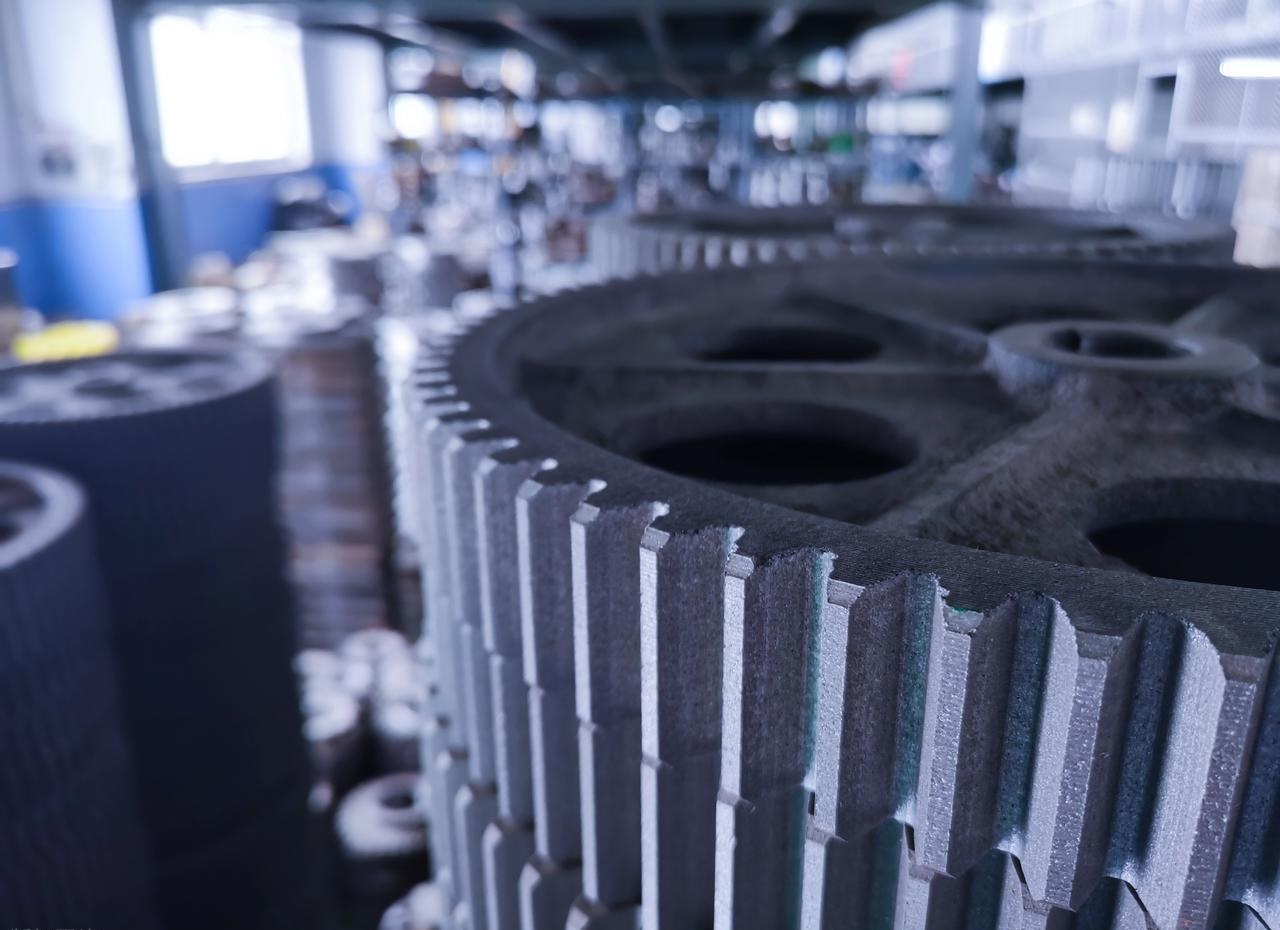
Quality control
You’ve got to put in the work to get the same good results every time. You need to have solid quality checks in place to make sure every part is up to scratch. First, you check your raw materials. They’ve got to have the right mix and strength. You’ll need to use some tools to make sure each part matches your design. Don’t worry, non-destructive testing is here to help! It’s a great way to check for problems both inside and outside the part. Just a thought: have you ever thought about automating steps? It’s a great way to avoid mistakes and keep things running smoothly. And don’t forget to keep making your process better by using feedback and making changes.
| Quality Control Measure | Description |
| Inspection of Materials | Ensures raw materials meet specific criteria for chemical composition, strength, and durability. |
| Dimensional Accuracy | Utilizes measurement tools to verify that components conform to design requirements. |
| Surface Quality and Structural Integrity | Employs non-destructive testing to identify internal flaws and surface defects. |
| Process Automation | Automates critical factors to reduce human error and enhance consistency in production. |
| Continuous Improvement | Analyzes feedback to refine processes and elevate product standards. |
Low-pressure casting has many good points, but you need to plan for these problems. If you know the limits, you can make better choices for your factory.
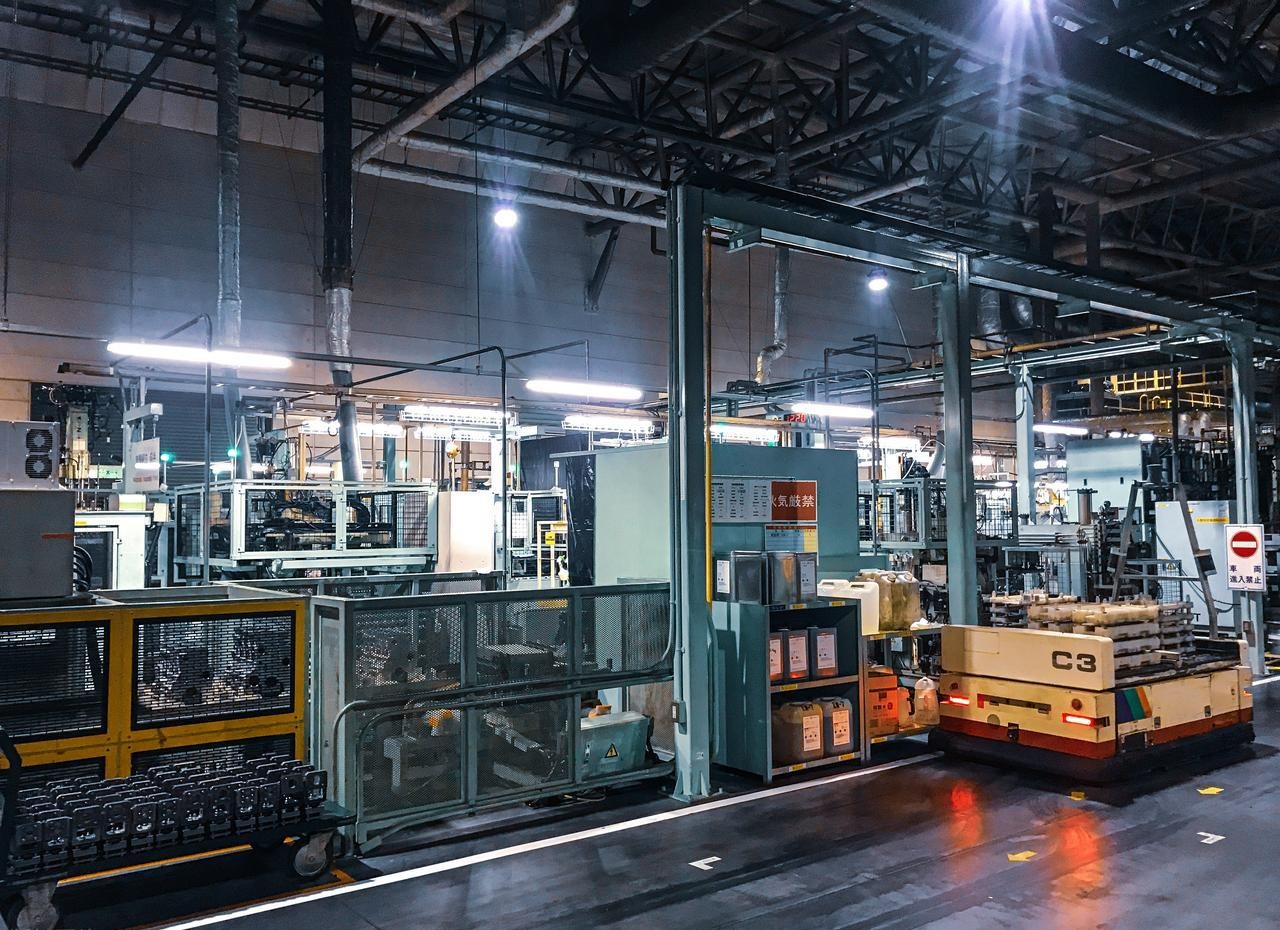
Future Trends in Low-pressure Casting
Process innovations
You will see big changes in how car parts get made. The great news is that new digital tools are making the process smarter and faster. Digital twins are amazing! They let you test and improve your casting process on a computer before you even pour metal. AI-powered systems are great at spotting problems early on. They’ll help you fix them before they turn into waste, which is really helpful!
Here are some of the latest process innovations:
- Digital monitoring keeps everything running smoothly.
- Automated pouring systems make sure you get the right amount of metal into each mould.
- You can do real-time quality control checks on parts as they’re being made, so you can spot mistakes right away.
- New machines can help stop common problems like shrinkage and porosity, so your parts will come out strong.
- The process works a treat for both small test runs and big batches, saving you time and money.
Just so you know, these changes mean you can make better parts more quickly and with less waste.
Automation and digital integration
You might be wondering how robots and computers help with casting. Automation is now a huge part of the process. Robots are great at handling hot metal and heavy moulds, which keeps our workers safe. The machines always do the same job, so you get parts that match your design.
So, let’s take a look at what automation and digital integration can do for your factory:
- You’ll find it’s so precise, you’ll get the same great results every time.
- Fewer mistakes mean fewer bad parts.
- The great thing is that this means our workers are safer because machines can do the more dangerous jobs.
- Hey, just a heads-up that we’re speeding things up in the production process. This means we’ll be able to make more parts in less time.
- You’ll be happy to know that you save money by using less material and energy.
- Here’s a handy table to show some of the main benefits:
Here’s a handy table to show some of the key benefits:
| Benefit | Description |
| Improved Material Density | Parts are stronger and last longer. |
| Superior Mechanical Performance | Your car parts work better under stress. |
| Enhanced Product Reliability | You can trust the parts to perform every time. |
| Efficiency Gains | Faster production and lower costs for your business. |
Impact on future vehicles
You will see even more changes as new cars hit the road. Low-pressure casting is great for making lighter, stronger, and more complex parts. New alloys are heat and rust-resistant, so they’ll last longer. Robots and smart machines will take over more of the work, making your factory run more smoothly.
Here are some ways this process will shape future vehicles:
- Using advanced materials will let you design parts that can handle more heat and stress.
- Automated systems can move moulds around, pour metal, and check quality, so you end up with fewer errors.
- Simulation software will help you design better moulds and speed up new car launches.
- Real-time data and sensors will help you spot problems before they hold you up.
- 3D printing is great for making custom moulds and testing new ideas quickly.
Callout: Just to flag, with these trends, you can expect cars to become safer, lighter, and more efficient. Your factory will waste less and deliver better parts, helping you stay ahead in the fast-changing auto world.
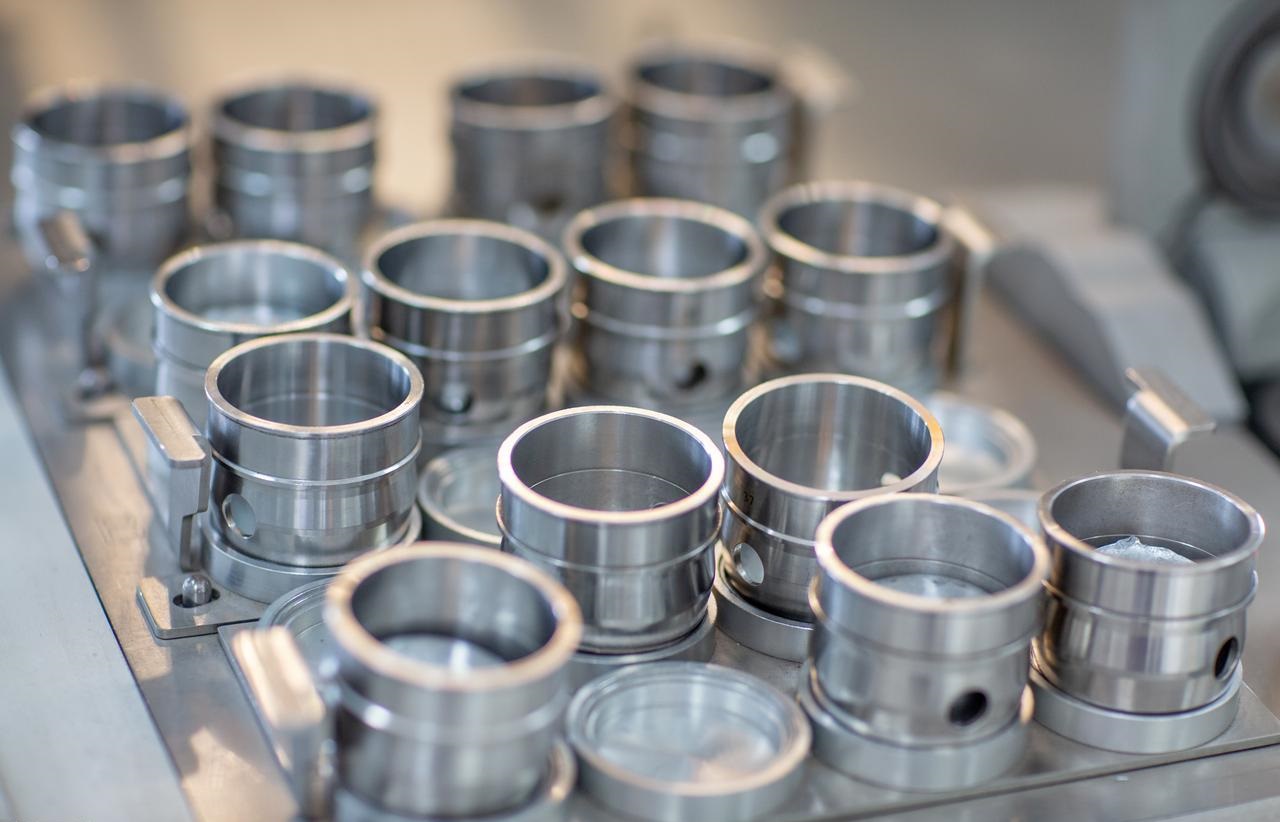
Evaluating Low-Pressure Casting for your production
Key considerations
Thinking about switching to low-pressure casting? There are a few important things to consider before you get started. Here are a few things to bear in mind:
- Stable metal filling: Because the metal isn’t traumatized by turbulence, it retains its integrity. This means you get strong parts with fewer defects.
- Lower production efficiency: Low-pressure casting is all about slowly and deliberately filling, then having a controlled solidification and cooling period. You’re swapping sheer speed for quality and reliability.
- Higher equipment costs: The furnace, the pressure control system, the lift mechanism—it’s all high-tech. You’ve got to budget for this investment.
- Feasibility studies: Think about whether this method would work for your production needs. Have you thought about how many parts you want to make and how complex they are?
- Training and expertise: This isn’t like operating a standard press. Your team needs to understand metallurgy—how fill speed and temperature affect grain structure.
- Choosing equipment suppliers: You’re not just buying a machine; you’re buying into that company’s support ecosystem. This makes setup and maintenance much easier.
So, here’s the deal: do the pros of better part strength, weight, and integrity make up for the higher initial cost, slower pace, and need for more expertise? When it comes to the parts that define how well your product works and how safe it is, the answer is increasingly yes. For everything else, it might not be.
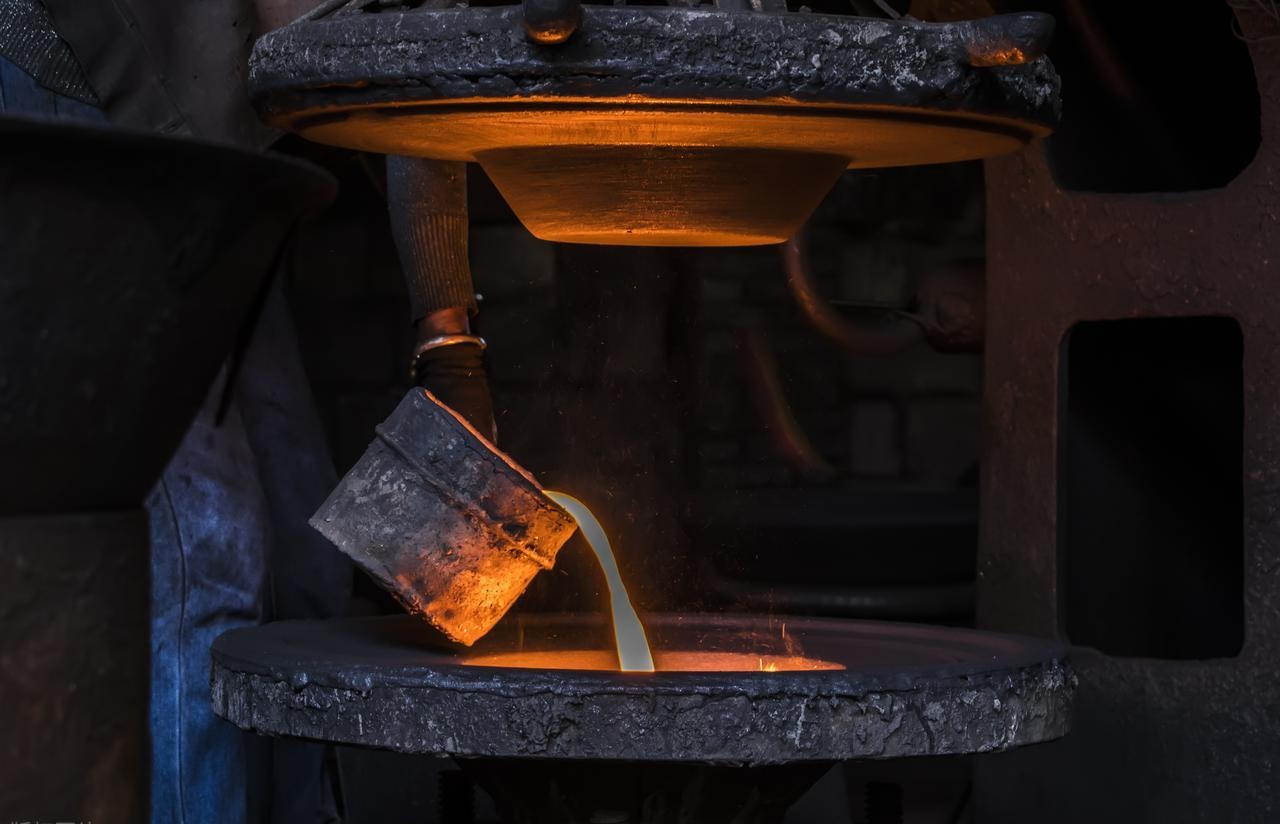
Implementation steps
Ready to get started? So, here’s a simple, easy-to-follow guide that will help you get low-pressure casting up and running in your factory.
- Define Parameters: Decide on the right pressure levels for your parts. This helps you control how the metal fills the mould. You define the fill speed, mold temperatures, and cooling rates. Just so you know, these parameters are specific to each part’s geometry and alloy.
- Set Up the Stalk: Use the right tools to make the stalk, which guides the molten metal into the mould. If it’s not sealed properly where it joins the mould, you’ll end up with a leak and a mis-run. You’ll need to be precise when you’re setting this up.
- Enter Time and Pressure: Just fill in the pressure and time settings for each cycle. This keeps your process consistent.
- Prepare the Melting Furnace: Melt your metal alloys down and keep them at the right temperature for casting. The temperature has to be kept within a tight window – if it’s too hot, you burn off the alloying elements; if it’s too cold, you risk a cold fill.
- Force Metal into the Mold: Use low pressure to push the metal through a riser tube into the mold. The metal fills the mould evenly and slowly. If you see it surge or hesitate, you abort the cycle. Something’s not quite right – a clogged filter, a misaligned seal, the wrong temperature.
- Solidification & Pressure Release: Just wait for the metal to cool and harden inside the mould. When it’s solid, you can release the pressure. You just release the pressure after a set amount of time, when a solid skin has formed all over the part.
- Recycle Leftover Metal: The “leftover” metal is mostly in the stalk and the biscuit (the plug of metal at the base of the stalk). This is still hot, clean, liquid metal. Once you’ve cast it, you can use any leftover molten metal to make the next batch.
“The process starts with a melting furnace that heats your metal alloys. Low pressure pushes the molten metal through a riser tube into the mold. When the metal has solidified, you release the pressure and recycle what’s left. This keeps your production efficient and reduces waste.”
If you follow these steps, you can set up a reliable low-pressure casting line. You’ll get strong, precise parts and make your production greener. Just take it one step at a time, and don’t forget to train your team well. If you’ve got the right plan, you’ll see a big improvement in your car parts and your profits.
Low-pressure casting is changing how car parts are made. This method gives you parts that are strong and light. These parts also meet strict rules for cars. Here are the main things to keep in mind:
| Aspect | Description |
| Process | Pushes molten metal into molds for better control |
| Applications | Works well for engine blocks, wheels, and strong car parts |
| Advantages | Makes parts more exact and improves their quality |
You get a smooth flow of metal, it’s really fast, and you get great results. Low-pressure casting is getting better at dealing with problems like defect control and becoming a key technology for building lighter, more automated, and sustainable vehicles. Low-pressure casting helps you keep up and get ready for what’s next.

Contact NOBLE for Superior Low-Pressure Casting Services
We offer a custom low-pressure casting service that’s both high-quality and great value for money. Get low-pressure casting quotes and design feedback in hours to help you choose the best option for your project.
- Advanced Equipment & Cost-Effective Price
- ISO 9001 & ISO13485 Certified Factory
- Instant 10+ Years of Low-Pressure Casting
- Lead Time As Fast As 3 Days
- Tolerance Down To 0.001mm
- Free 7/24 Technical Support
Work with Us in 4 Simple Steps Only
With many years of manufacturing experience, NOBLE offers the best solutions for all rapid prototyping and low-volume manufacturing needs. We streamline the innovation cycle into four simple but effective steps.
↓
Upload Your Design
Just simply upload your CAD files and submit RFQs with clear information online.
↓
Receive Design Analysis
We’ll send you a design for manufacturability analysis and transparent pricing.
↓
Start Manufacturing
Our experts will produce your parts with the required technologies and materials.
↓
Receive Your Parts
Your parts will be delivered to your door directly with stringent deadlines.
FAQ
What is low-pressure casting?
Low-pressure casting uses gas pressure to push molten metal into a mold. You get better control over the shape and quality of car parts. This method helps you make strong and light parts.
What’s in it for me when I use low-pressure casting for car parts?
You get fewer defects, smoother surfaces, and more precise shapes. This process also saves you money on materials and energy. Your parts will fit better and last longer.
Can I use low-pressure casting for all metals?
You mostly use low-pressure casting with non-ferrous metals like aluminum and magnesium. These metals melt at lower temperatures and work well for car parts. Steel and iron do not work as well with this method.
Is low-pressure casting safe for workers?
Yes! Robots and machines handle the hot metal and heavy molds. This keeps your team safer. You also see fewer accidents because the process is more controlled.
How does low-pressure casting help the environment?
You waste less metal and use less energy. You can recycle leftover metal. Making lighter car parts also helps cars use less fuel, which means fewer emissions.
What car parts can I make with low-pressure casting?
You can make engine blocks, cylinder heads, wheels, suspension arms, and gearbox housings. This method works best for parts that need to be strong and light.
Does low-pressure casting cost more to start?
You pay more at first for special machines and training. Over time, you save money because you waste less and make better parts. Many car makers find it worth the investment.
How do I know if low-pressure casting fits my factory?
Check your part designs, production needs, and budget. Talk to equipment suppliers and run a small test. If you want better quality and less waste, this process could be a good fit.